REVIEW · ACCRA
Bird watching tours , cultural and historical tours of Ghana.
Book on Viator →Operated by Kalu Afasi · Bookable on Viator
Bird calls can turn a simple drive into magic. This two-day Ghana trip is interesting because it pairs serious bird-finding skills with iconic coastal stops, guided by Kalu Afasi. I love how Kalu identifies birds by sound, and I like the private pace that lets you linger when something good starts calling. One thing to keep in mind: there has been at least one report of a last-minute cancellation and partial refund, so I’d confirm everything clearly before you head out.
You’ll start early, around 6:00 am, then spend set hours in strong bird habitats and a famous historic site. What makes it feel like real value is that the big entries are handled, with admission tickets included, plus breakfast and dinner on top of the air-conditioned vehicle.
In This Review
- Key highlights to know before you go
- A Two-Day Bird and Culture Circuit from Accra
- Why Kalu Afasi’s Bird-Call Spotting Makes This Worth It
- Day 1: Shai Hills Resource Reserve and Sakumono for Mixed Habitats
- Stop 1: Shai Hills Resource Reserve (about 3 hours)
- Stop 2: Sakumono (about 3 hours)
- Day 2: Kakum Canopy Walkway and Cape Coast Castle Wildlife
- Stop 1: Kakum National Park (about 4 hours)
- Stop 2: Cape Coast Castle (about 2 hours)
- Price and What You Actually Get for $256.42
- Logistics That Affect Birding: Early Start, Private Pace, and Comfort
- What to Pack for Kakum and Coastal Birding Days
- Potential Risks: One Concerning Reliability Report
- Who This Tour Fits Best
- Should You Book This Two-Day Ghana Birding + Culture Trip?
- FAQ
- What time does the tour start?
- How long is the tour?
- Is this tour private?
- Where do the stops take place?
- What is special about the birding guide?
- What’s included in the price?
- What is not included?
- What fitness level do I need?
- Is there free cancellation?
Key highlights to know before you go
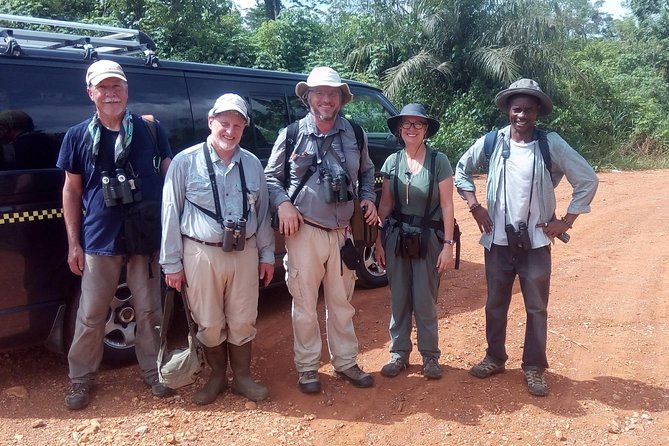
- Bird-spotting by call and sound with guide Kalu Afasi
- A private, two-day route built around morning action and coastal stops
- Shai Hills Resource Reserve + Sakumono for mixed bird habitat types
- Kakum canopy walkway for birds and monkeys in the forest canopy
- Cape Coast Castle adds a culture stop without dropping the wildlife feel
A Two-Day Bird and Culture Circuit from Accra
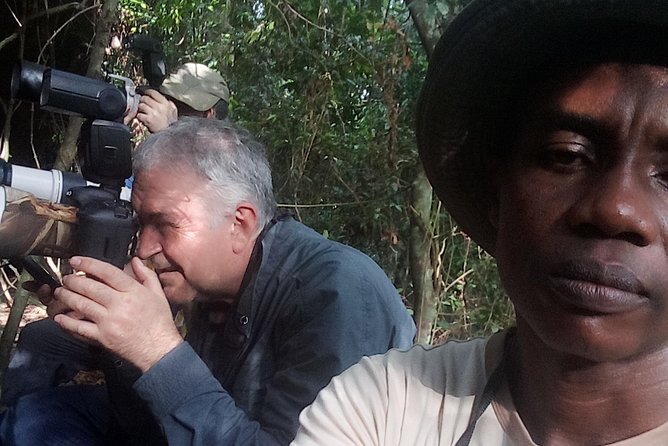
This trip works because it doesn’t treat birding like a side quest. You’re out in prime areas where birds actually show themselves, and Kalu runs the day like a plan, not a hope.
In practice, that means you get a rhythm: morning energy, a couple of focused habitats, then a change of scenery without losing the wildlife theme. The day also has enough structure to keep you from burning time. You’re not stuck in traffic wondering what you’re doing there.
And the culture piece matters. Cape Coast Castle can feel like a hard stop in any itinerary. Here, it’s balanced by the fact that you can still notice wildlife around you, even when you’re inside a historic environment. You end the day with stories you can remember and a checklist you’ll want to show friends.
Why Kalu Afasi’s Bird-Call Spotting Makes This Worth It
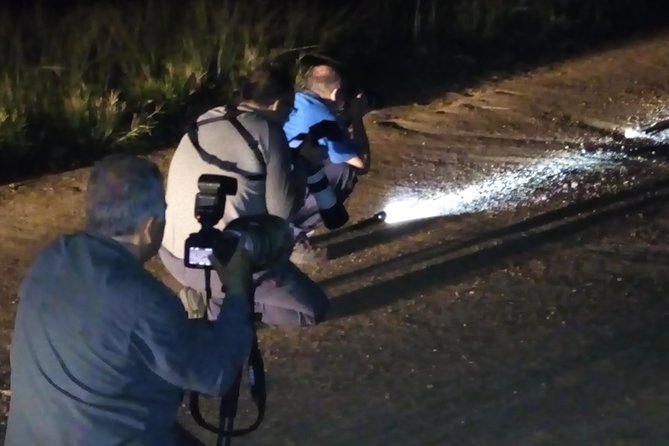
The strongest part of this experience is the guiding. Kalu’s ability to identify birds by their call and sound changes what you see. A lot of birding is “maybe it’s that?” Here, it shifts toward “it’s that, and I know why.”
That matters in Ghana, where birds can stay hidden in foliage and still be very loud. If you’re relying only on sight, you’ll miss a lot. When your guide can key in from sound, you spend more time looking at the right direction instead of scanning everything equally.
From the reviews and what the experience is built around, Kalu also has the confidence to guide for target species. One visitor described Kalu’s track record on longer bird-focused trips across Ghana, including unusual night birds like owls and nightjars. You shouldn’t assume you’ll get those specific species on this exact two-day route, but it does explain why people rate his bird knowledge so high. He isn’t just pointing. He’s interpreting.
Day 1: Shai Hills Resource Reserve and Sakumono for Mixed Habitats
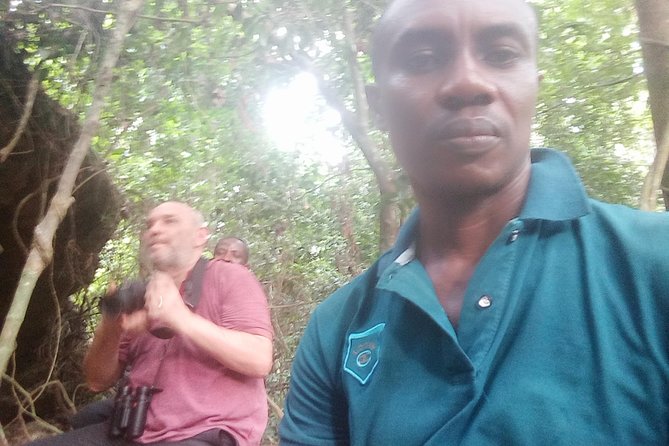
Day 1 is all about variety. You start with Shai Hills Resource Reserve for a solid first birding block, then move to Sakumono for another change of habitat.
Stop 1: Shai Hills Resource Reserve (about 3 hours)
Shai Hills is the kind of place where you feel like you’re birding in layers. You’re likely to encounter lots of different species because the reserve offers multiple ecological zones in a relatively manageable time window.
The practical win here is the timing. With around three hours on the ground, you’re not racing. You can pause for calls, wait for a response, and let birds settle back into view. If your goal is to hear more than you normally would, this stop is a great foundation.
A small consideration: you’re out early and you’ll spend time walking and standing while you listen. That’s fine for most people, but keep your pace steady if you’re not used to long mornings.
Stop 2: Sakumono (about 3 hours)
Then you shift to Sakumono, a stop geared toward coastal and savanna bird types. The day description specifically calls out shore and savanna birds, which tells you what to watch for: birds that work the edges of habitat and open areas near the coast.
This is where the day starts to feel fun in a different way. You might not always get the same “deep forest” vibe, but you often get better odds of activity. Birds that feed and move visibly are easier to spot once you’ve spent the first stop training your ears.
If you’re the kind of person who loves a challenge, this is where sound-based guiding helps the most. When you hear something but can’t find it instantly, a guide who knows the call can move you fast to where it’s likely to be.
Day 2: Kakum Canopy Walkway and Cape Coast Castle Wildlife
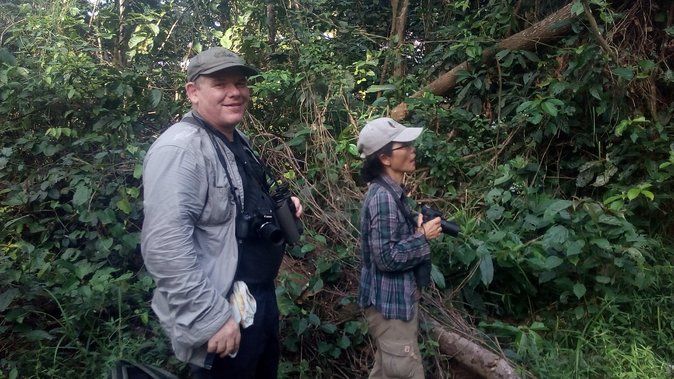
Day 2 keeps the mix: canopy birding and then a culture site. It’s not a full rest day, but it’s lighter on the walking than you might fear, since Kakum’s big moment is concentrated around the walkway experience.
Stop 1: Kakum National Park (about 4 hours)
Kakum is famous for its canopy walkway. In plain terms, it’s a bird-watching advantage and a viewpoint advantage. Birds in forest canopies don’t always come down to your feet, but a walkway gives you a different angle and a broader “listening station.”
The experience description also flags monkeys along with birds. Even if you’re not there for primates, their presence usually means the park is active. Expect you’ll look up and around more than you would in lowland trails.
Four hours is a comfortable window here. You get time to settle in, take the walkway experience seriously, and still keep moving. This is also a good day for anyone who wants photos. If you’re trying to capture birds, being at height helps your composition.
One more note: Kakum can feel a bit longer than you expect, because you’ll want to stop and wait. If you get impatient, it’s worth practicing patience now. Waiting is part of birding, and the guide’s sound identification helps you decide when to pause and where to look.
Stop 2: Cape Coast Castle (about 2 hours)
Then comes Cape Coast Castle for about two hours. This is the culture anchor of the trip, and it gives the wildlife theme a different tone.
The experience description mentions birds and wildlife in general around the castle area. That doesn’t mean the site turns into a zoo. It means you can keep your eyes open while you’re doing something historically important. If you go in with the right mindset, you’ll notice birds flying overhead, hopping around edges, and making noise as you move through the space.
Two hours works well here. You don’t need a full day to get the feel of the place, especially when you’ve already been in bird habitat most of the trip. You’ll leave with enough time to connect what you saw outdoors with what you learned and felt indoors.
Price and What You Actually Get for $256.42
At $256.42 per person for roughly two days, this tour is priced like a guided, admission-supported wildlife experience—not just a casual pickup and drop-off.
Here’s what you’re really paying for:
- Guiding skill, especially sound-based bird identification by Kalu Afasi
- Transportation in an air-conditioned vehicle (important in Accra heat)
- Meals: breakfast and dinner included
- Admission tickets included for the stops
When those items are covered, you avoid the common frustration of “add-ons” that quietly raise the total. It also changes how you plan. You can focus on showing up early and paying attention instead of budgeting minute by minute.
What’s not included is also clear: alcoholic and soft drinks and snacks. That’s normal, but it’s worth planning for. If you get hungry between stops, having snacks and water you like will keep the day from feeling like a rush. If you’re trying to be cost-conscious, you can pack your own simple snack stash.
Overall, the value hinges on one thing: you must gel with the guide and the birding style. If you want structured bird-finding with someone who can translate calls into species, the price starts to make sense fast.
Logistics That Affect Birding: Early Start, Private Pace, and Comfort
You’re meeting around 6:00 am. That early start isn’t just for show. Birds tend to be more vocal and active earlier, and sound-based spotting gets better when you’re not starting after the morning calls fade.
You’ll be in a private tour, meaning it’s only your group. That’s a big deal for birding. It reduces the “everyone walk at a different speed” problem. It also means Kalu can adjust pace to your group’s comfort level, which matters when you’re listening closely and stopping often.
The experience is rated for moderate physical fitness. You don’t need to be an athlete, but you should expect some walking and standing while you look and listen. If you have mobility limitations, bring that up before booking so you can confirm how the route will be paced.
Finally, you’ll get a mobile ticket and pickup is offered. I like that because it lowers the chance of confusion on arrival day. Just be ready with your confirmation details and show up with your group on time.
What to Pack for Kakum and Coastal Birding Days
This type of trip rewards the basics. You’re going to spend long stretches watching up, scanning edges, and pausing to listen.
Bring:
- A hat and sun protection for morning light and midday sun
- Comfortable shoes you can walk in for multiple hours
- A light layer in case mornings feel cooler than you expect
- A small daypack for water and personal items
If you care about bird photos, think about stability. Even without special gear, being able to pause without fuss helps. The canopy walkway at Kakum also rewards patience and steadiness because you’ll be looking for movement above you.
And a small tip for sound-focused birding: don’t multitask. When you’re listening for calls, phones and constant chatting can make you miss the moment. Keep your attention on the guide’s cues.
Potential Risks: One Concerning Reliability Report
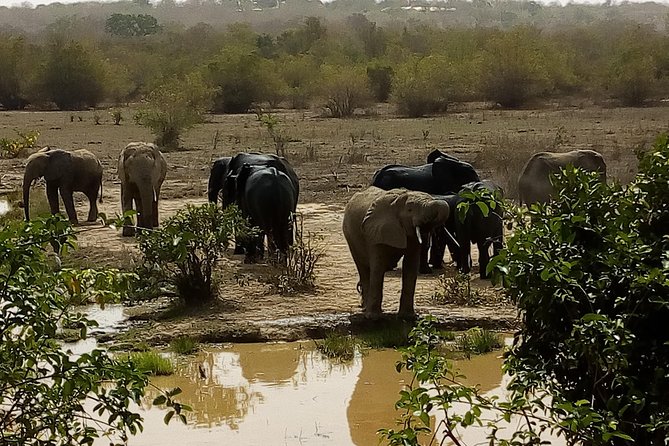
I’m going to be honest here. One account raised a serious concern: an unexpectedly cancelled tour 24 hours before departure, partial money returned, and threats to arrest and deport made to recover the rest. That’s not a minor complaint.
I can’t treat that as “this will happen to you.” But I can tell you how to protect yourself:
- Confirm the arrangement clearly before travel.
- Keep your payment trail and any communications in one place.
- If anything feels off, pause and ask for clarity before transferring more money.
Most trips run smoothly. Still, this is the kind of information you should take seriously when deciding whether to book.
Who This Tour Fits Best
This is a good match if you:
- Want birding that starts with ears, not just eyes
- Like a guided plan that moves through different habitat types
- Want one trip that mixes wildlife and a meaningful culture stop
It’s also a decent choice if you’re short on time in Accra. The route is compact: you hit major birding areas in the south and the canopy highlight at Kakum, then close with Cape Coast Castle.
If you dislike early starts, this may feel tough. The 6:00 am start is part of the bargain. If you’re hoping for a slow, late-morning sightseeing trip, you’ll probably feel rushed.
Should You Book This Two-Day Ghana Birding + Culture Trip?
If you want birding with real guidance, I’d say yes—with one condition: verify reliability before you pay and travel. When you get a strong guide, this itinerary makes a lot of sense. You’ll cover Shai Hills Resource Reserve, Sakumono, Kakum National Park’s canopy walkway, and Cape Coast Castle without wasting the day on aimless wandering.
The best reason to book is simple. Kalu Afasi’s sound-based bird spotting can turn “I can’t see anything” into “there it is.” And because meals and admission tickets are included, you’re buying fewer headaches.
If you’re sensitive to last-minute changes or you need guarantees, ask direct questions before you commit. But if you’re flexible and you value skilled bird guiding, this is a very solid two-day route out of Accra.
FAQ
What time does the tour start?
The tour starts at 6:00 am.
How long is the tour?
It runs for about 2 days.
Is this tour private?
Yes. It’s a private tour/activity, and only your group participates.
Where do the stops take place?
The stops include Shai Hills Resource Reserve and Sakumono on Day 1, and Kakum National Park (canopy walkway) and Cape Coast Castle on Day 2.
What is special about the birding guide?
The guide is especially good at identifying birds by call and sound.
What’s included in the price?
Included items are breakfast, dinner, an air-conditioned vehicle, and admission tickets for the stops.
What is not included?
Alcoholic and soft drinks and snacks are not included.
What fitness level do I need?
The tour is suitable for travelers with a moderate physical fitness level.
Is there free cancellation?
Yes. You can cancel for a full refund if you cancel up to 24 hours in advance of the experience’s start time.