REVIEW · SAMARKAND
Bird Watching Tours in Samarkand
Book on GetYourGuide →Operated by Trip Orient LLC · Bookable on GetYourGuide
Samarkand is famous for monuments, but this tour swaps marble for motion—feathers, wings, and quick scans through river woods. You’ll spend the day in Zeravshan and Ishtixan (Oqdarya) nature areas, where mountain birds and river-edge species can overlap.
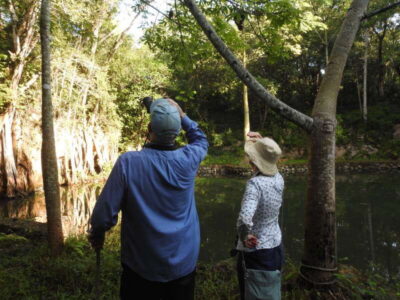
I like that the trip is built for real bird time, not just driving with a few stops. Two things I especially enjoy are the long stretch of guided walking and scanning, and the included viewing kit—binoculars and a telescope—so you’re not scrambling to find gear.
One drawback to think about: results can vary a lot by day and season. One guest experience sounded like the guide focused more on general nature than on the exact special species listed in the plan, so if you’re chasing very specific birds, be ready for some uncertainty.
In This Review
- Key highlights you’ll feel the moment you arrive
- Bird Watching Tours in Samarkand: where the birds come from
- Zeravshan Natural Reserve: tugai woods, quick sightings, and real variety
- What to expect from the walking
- Aman-Kutan: the hiking break that keeps the day from feeling rushed
- Oqdarya (Ishtixan) Reserve: river-water birds and shrub-edge hunters
- Why the Oqdarya habitat can feel “busy”
- The guide, the kit, and how to get the most out of a private group
- What I’d ask your guide (quick and useful)
- Birdwatching reality check: species lists vs what you might actually see
- Price and value: $170 for up to 2 people in a full-day format
- What’s included, what to bring, and simple rules that keep it smooth
- Who should book this Samarkand birding day (and who should skip it)
- Should you book Bird Watching Tours in Samarkand?
- FAQ
- How long is the birdwatching tour?
- Where does the tour pick you up in Samarkand?
- Is lunch included?
- What birding areas do you visit?
- Are binoculars and a telescope provided?
- What language is the guide?
- What’s the group size?
- What should I bring?
- Is alcohol included?
Key highlights you’ll feel the moment you arrive
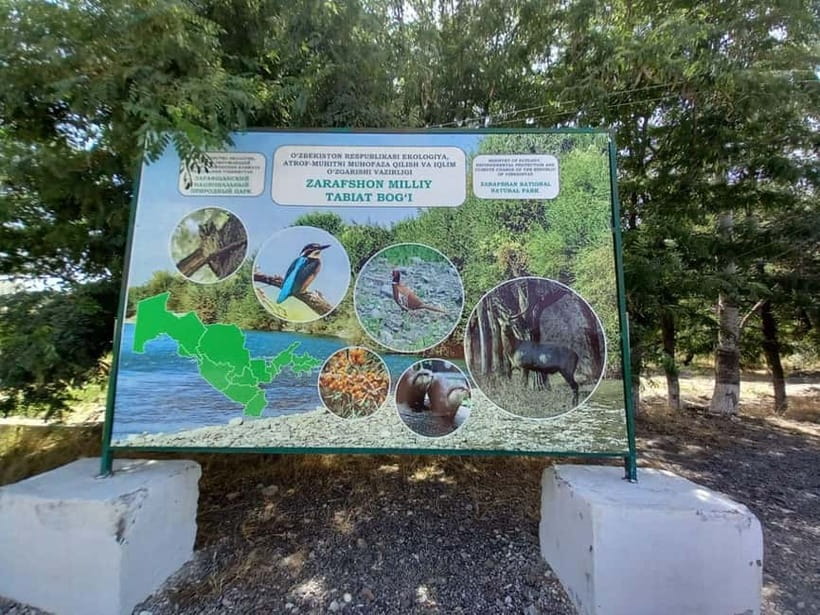
- Two reserve ecosystems in one day: tugai river woods in Zeravshan, then the Oqdarya/Ishtixan water-and-grove habitat
- About 7 hours of bird watching time within a 1-day format
- Binoculars + telescope included, plus hotel pickup and drop-off for a smooth day
- Guided walks with photo stops, so you’re not only standing in one place
- Lunch included on the route, which keeps the birding rhythm going
- A small private group (up to 2) that lets you ask questions and adjust your pace
Bird Watching Tours in Samarkand: where the birds come from
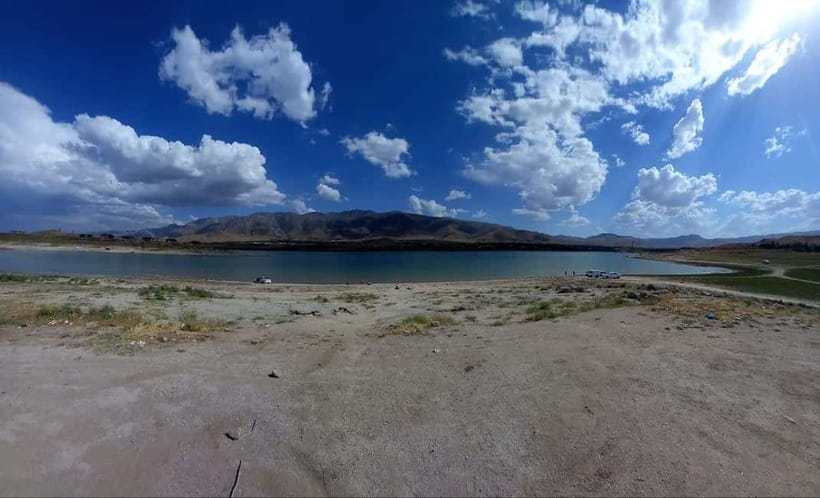
This is a birding day around Samarqand in the wider Samarkand Region, focused on two reserves tied to the Zeravshan River system and a second water area around Ishtixan. What I like here is the mix: you’re not only looking for birds in open country. You’re also scanning the kinds of wooded, river-linked habitats that many species use for shelter and feeding.
Uzbekistan is known as a strong birdwatching destination, and this kind of route is a practical way to see why. Instead of trying to spot everything from the city, you’re taken into the habitats birds actually live in—tall riparian groves, shrubs, and edges where movement shows up fast.
If you’re the type who enjoys careful watching—head up, scan slowly, then lock onto a call—this day fits your style.
Zeravshan Natural Reserve: tugai woods, quick sightings, and real variety
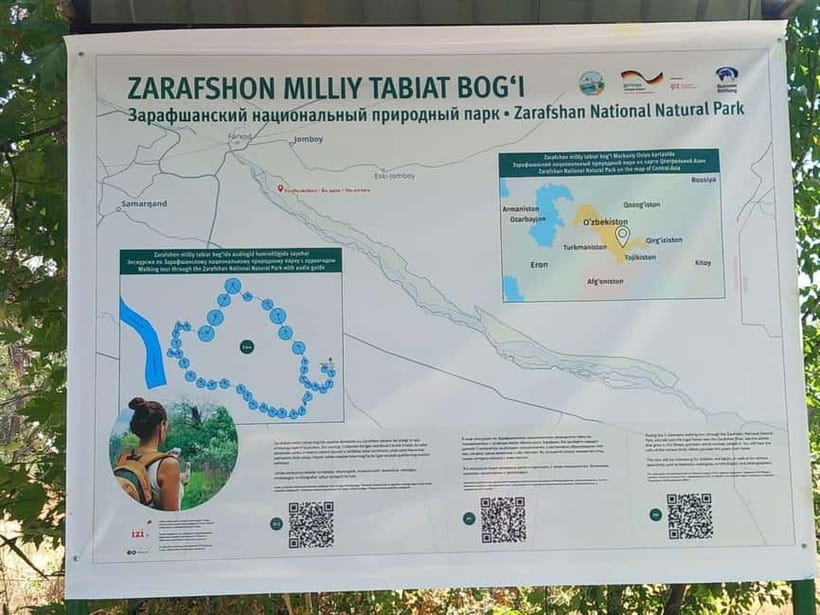
Your morning starts with a drive out of Samarkand to Zeravshan Natural Reserve, about 15 km away in the western Zeravshan River basin. Then the birding work begins in the tugai woods—river groves lined with trees like poplar and maple (the tour describes Populus pruinosa and maple along the river).
This habitat matters because it changes what you can see. In a river grove, you often get:
- smaller woodland birds moving through cover
- raptors and hunters using the edges
- birds that stay in the same patch for a while, giving you better odds than constant flight
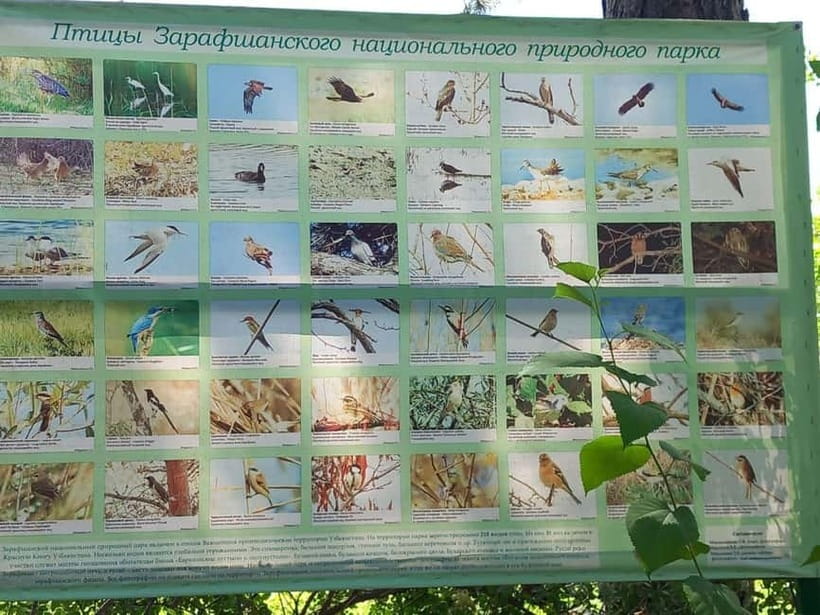
The tour’s described targets in Zeravshan include species you can hope to spot as you walk and pause for photos. Names given for this area include Turkestan Tit, Night Heron, White-winged Woodpecker, and Shikra. You may also encounter Rose-coloured Starling, Masked Wagtail, Rock Thrush, Great Rock Nuthatch, and Grey-headed Goldfinch.
What to expect from the walking
The day is structured with guided walking and stops, not a one-track stroll. One reason birding tours like this work is that birds don’t all show up at once—you need time in the right places, plus the patience to let behavior play out.
If you get lucky, you’ll see birds pop out, pause, and then slip back into cover. If you don’t get luck, you’ll still come away with better bird “reading” skills: learning where to scan first (tree lines, river edges, shadowed gaps), and how far to move before you lose the sighting.
Aman-Kutan: the hiking break that keeps the day from feeling rushed
After the first reserve stretch, you move toward Aman-Kutan, where you’ll have lunch/picnic time and then a hiking segment of about 3.5 hours. This middle part matters because it prevents the trip from turning into a string of short stops. You get a longer period to keep scanning and to change your viewing angles.
I appreciate this pacing. For birdwatching, angle is everything: a bird you don’t notice from one path might be obvious from the next bend. A longer walk also gives the guide time to cover more micro-habitats—open edges versus thicker growth—without feeling like you’re sprinting.
Practical tip: dress for dusty paths and fluctuating light. You’re moving between river-grove feel and more open terrain, so your camera settings and sun protection will need quick tweaks.
Oqdarya (Ishtixan) Reserve: river-water birds and shrub-edge hunters
Next comes the transfer to Aqdarya Reserve (Ishtixan), described as roughly 60 km from Samarkand. Lunch is built into this section as well, so you’re not hunting for food while you’re trying to keep your eyes sharp.
This reserve is presented as a water reserve covered by groves and shrubs: Populus alba (white poplar), salt cedar, tamarisk, and bushes. That vegetation mix is a classic recipe for bird diversity because it supports both perching and foraging, and it creates sheltered movement corridors.
The tour lists targets you might see here, including White Scotk, Gray Heron, Sandpiper, Common Hoopoe, Black Vulture, Hume’s Short-toed Lark, White-throated Robin, Orphean Warbler, and Red-rumped Swallow.
Why the Oqdarya habitat can feel “busy”
Water-adjacent birding often feels different from woodland birding. You can get more visible motion—waders stepping, swallows cutting through air, and birds repeatedly using the same perches. Even when species aren’t “rare,” the activity can make the day feel alive.
One more thing: Oqdarya is likely to change what you hear. Many birds are easier to locate by sound before you ever see them. If you’re serious about birding, this is a good day to practice the skill of listening first, then verifying with your binoculars.
The guide, the kit, and how to get the most out of a private group
This is a private group tour run in English, with hotel pickup and drop-off. The format is simple: you meet the guide and driver at your hotel, then spend the day in reserve areas with guided observation.
The included equipment is a big value point. The tour provides binoculars and a telescope, which means you can focus on learning rather than borrowing gear. If you already have your own binoculars, bring them too—you’ll know your comfort level, but it’s nice not to be dependent on availability.
One guide name that came up is Elior. The impression from a guest experience was that Elior is extremely kind and tends to take people to two good observation areas so they’re not just stuck at one viewpoint. That style matters: birding is about maximizing chances across habitats.
What I’d ask your guide (quick and useful)
If you want the most birding value per hour, ask:
- Which species are you prioritizing today, and why those spots first?
- Where should I stand to avoid spooking birds?
- If a bird calls but doesn’t appear, what sign tells you where it is likely moving next?
A good guide will help you read the landscape—not by doing it for you, but by teaching you what to look for.
Birdwatching reality check: species lists vs what you might actually see
Here’s the honest part. Bird tours that list many species have to work with weather, season, and day-to-day behavior. Even in the right habitats, birds may be hidden, silent, or simply not present at that moment.
One visitor experience described the dry-season timing as not ideal for seeing a large spread of species, while the afternoon near water still produced a lot of birds that were more common. Another experience was harsher: it suggested the day didn’t deliver the very special species named in the program and that the guide wasn’t functioning like a strict ornithologist.
So how do you protect yourself from disappointment?
- Think of the tour as guided bird time in real habitats, not a guarantee of every named species.
- Be open to common birds too. The best birding days often start with “not what I expected,” then turn exciting once you’re watching correctly.
- If you’re chasing a specific target, communicate that before you start scanning. Even a small adjustment in priorities can change what you notice.
Price and value: $170 for up to 2 people in a full-day format
At $170 per group (up to 2) for a 1-day birdwatching tour, you’re paying for more than transport. Your cost includes:
- an experienced English-speaking guide
- entry tickets and donations
- binoculars and a telescope
- hotel pickup and drop-off
- lunch
For a private group of two, this can be cost-effective compared to piecing together your own driver, guide, and reserve access. The key value is that you’re buying time saved and access achieved. In reserve birding, the difference between a good day and a wasted day is often knowing where to stand and how long to stay.
If you’re solo, you may still find it worth it for the included gear and pickup, but your per-person cost will be higher than splitting with someone.
What’s included, what to bring, and simple rules that keep it smooth
Included: guide, tickets/donations, binoculars, telescope, hotel pickup/drop-off, and lunch. You should plan for a full day out of the city, with lunch handled during the route.
What to bring: binoculars are mentioned, even though they’re included—so you can bring yours if you prefer. I’d also bring sun protection and water, since the day involves walking and scanning, and the reserves involve outdoor heat.
Rules you’ll need to follow: no smoking (including in the vehicle and indoors), and no alcohol or drugs. The tour also specifies no touching animals or plants. These rules are practical; they protect wildlife and keep you from accidentally ruining a good viewing moment.
Who should book this Samarkand birding day (and who should skip it)
This tour is a good fit if you want:
- a structured day focused on bird watching rather than casual sightseeing
- a private experience for two people
- time in two reserves, which increases your odds of seeing different species
It’s also suitable if you like the idea of learning, not just checking a box. With a guide and proper viewing tools, you get more out of each sighting.
It’s not suitable for pregnant women and babies under 1 year (as stated by the activity info). Also note the day involves hiking/walking, so if mobility is limited, you’ll want to think carefully.
Should you book Bird Watching Tours in Samarkand?
If you want a practical birding day built around real habitats outside the city, this tour is a strong candidate. The main reason to book is the combination of two reserve areas, a long birding day, and included binoculars/telescope—all wrapped into a private format with pickup and lunch.
But book with clear expectations:
- You’re going for birdwatching hours and chances, not a guaranteed checklist of every named species.
- If your priority is strict targeting of a handful of rare birds only, you should confirm the guide’s birding focus before you go (and be ready to accept that nature doesn’t follow programs).
If that sounds fair to you, this is a very solid way to experience Samarkand’s natural side—by the time you’re done, you won’t just remember a city. You’ll remember the feeling of scanning a river grove and finding movement where you didn’t expect it.
FAQ
How long is the birdwatching tour?
It’s a 1-day tour with a total of about 7 hours of bird watching.
Where does the tour pick you up in Samarkand?
Pickup is included from your hotel in Samarkand, and you meet your guide and driver there.
Is lunch included?
Yes. Lunch is included during the day at one of the stops.
What birding areas do you visit?
You’ll go to Zeravshan Natural Reserve and then Aqdarya Reserve (Ishtixan), plus time around Aman-Kutan.
Are binoculars and a telescope provided?
Yes. The tour includes binoculars and a telescope.
What language is the guide?
The live tour guide is available in English.
What’s the group size?
It’s a private group, priced for a group up to 2 people.
What should I bring?
The tour suggests bringing binoculars.
Is alcohol included?
No, alcohol is not included. Alcohol is also not allowed during the activity.