REVIEW · FORT MYERS
Marco Island: 2-Hour Dolphin, Birding, and Shelling Tour
Book on GetYourGuide →Operated by Everglades Area Tours · Bookable on GetYourGuide
Florida’s wildlife has a way of stealing the show. This short, private boat tour pairs dolphin time with shelling in the Ten Thousand Islands, guided by a certified Florida Master Naturalist, and it’s built to help you spot a lot without feeling rushed. The main drawback: you’re on a boat and beach in the elements, so heat and sun protection matter more than on a typical walking tour.
What I like most is how the plan matches the Everglades reality: animals move, seasons change, and the guide adjusts. You’ll get a chance to see dolphins and birds in the water and sky, then you’ll step onto an uninhabited barrier island area to collect shells and other beach treasures.
In This Review
- Key Points at a Glance
- Marco Island’s Ten Thousand Islands: Why This Area Works
- Your 2-Hour Flow: Boat Time, Wildlife Watching, and Shelling
- 1) Set out from Goodland Boat Park (with an eye on timing)
- 2) Explore the Everglades area with wildlife in mind
- 3) The dolphin moment: watch behavior, not just jumps
- 4) Shelling on an uninhabited barrier island sandbar
- The Birding Bonus: What Makes It More Than Background
- Guides and Captains: Why the Teaching Style Gets Praise
- Price vs. Value: Is $650 Per Group Worth It?
- What to Bring (and What Actually Helps)
- Best Time to Go: Weather and the Morning Advantage
- Who This Tour Suits Best (and Who Might Rethink It)
- Should You Book This Marco Island Dolphin, Birding, and Shelling Tour?
- FAQ
- How long is the Marco Island dolphin, birding, and shelling tour?
- What is the price for this private group tour?
- Who guides the tour?
- Where do we meet for the tour?
- What animals might you see?
- What should I bring?
- Is food included?
- Is the tour customizable?
Key Points at a Glance
- Certified Florida Master Naturalist guidance focused on ecology, not just spotting animals
- Ten Thousand Islands boat route that’s designed for dolphins and birding
- Shelling on an uninhabited barrier island with enough time to search the sandbar
- Seasonal wildlife variety such as manatees, sea turtles, bald eagles, and roseate spoonbills
- Private group setup (up to 6 in your group) so you can tailor the experience
Marco Island’s Ten Thousand Islands: Why This Area Works
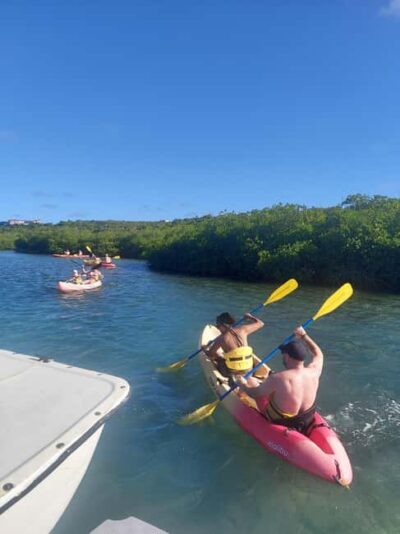
Marco Island is the flashy name on the map. The real magic here is the Ten Thousand Islands—a maze of shallow water, sandbars, and mangrove-edge habitat that keeps wildlife activity high and views fresh.
That matters for two reasons. First, the wildlife isn’t “on a schedule.” Dolphins, birds, and other animals shift with food, tide, and temperature. Second, a short tour only works if the guide knows how to read the water quickly. This is exactly the kind of place where a naturalist style of guiding helps you move from random looking to smart looking.
The tour also adds variety that I think many Marco Island options miss. You’re not only watching wildlife from the boat—you also get shelling time on an uninhabited barrier island/sandbar area, which gives you a hands-on souvenir that feels connected to the place.
Your 2-Hour Flow: Boat Time, Wildlife Watching, and Shelling
This is a tight 2-hour experience, so the best way to think about it is as two linked parts: a wildlife search by boat followed by a beach/sandbar stop for shelling.
1) Set out from Goodland Boat Park (with an eye on timing)
You meet at the picnic tables just to the left of the marina store at Goodland Boat Park, 750 Palm Point Drive, Goodland, FL 34140. Arriving early helps because small navigation details can slow people down, and this is a short tour where you don’t want to start late.
2) Explore the Everglades area with wildlife in mind
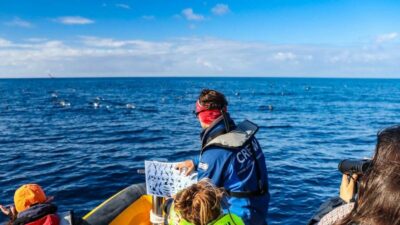
Once you’re on the water near Marco Island and through the Ten Thousand Islands, expect the guide to point out what’s happening in real time. The tour is designed around a “look, learn, and adjust” approach—if dolphins are active in one channel, you lean toward that. If birds are feeding in another spot, you pivot.
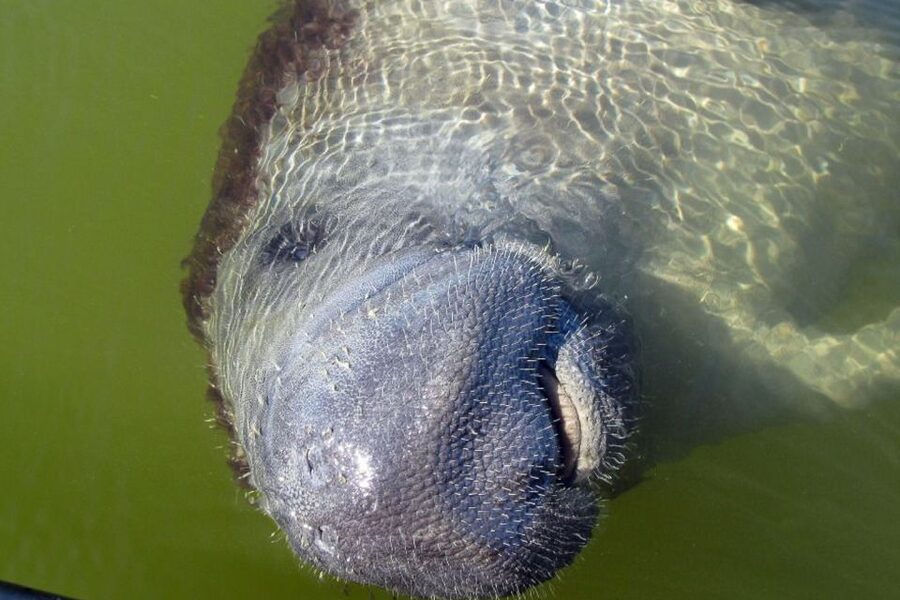
Depending on season and conditions, the possible wildlife list is wide and genuinely interesting: dolphins and manatees, sea turtles, bald eagles, ospreys, herons and egrets, pelicans, alligators, roseate spoonbills, plus fish and shorebirds.
A lot of people get stuck thinking they’ll see everything. Here’s the honest way to plan: you should aim to see several groups of animals, but the exact mix will vary with the day.
3) The dolphin moment: watch behavior, not just jumps
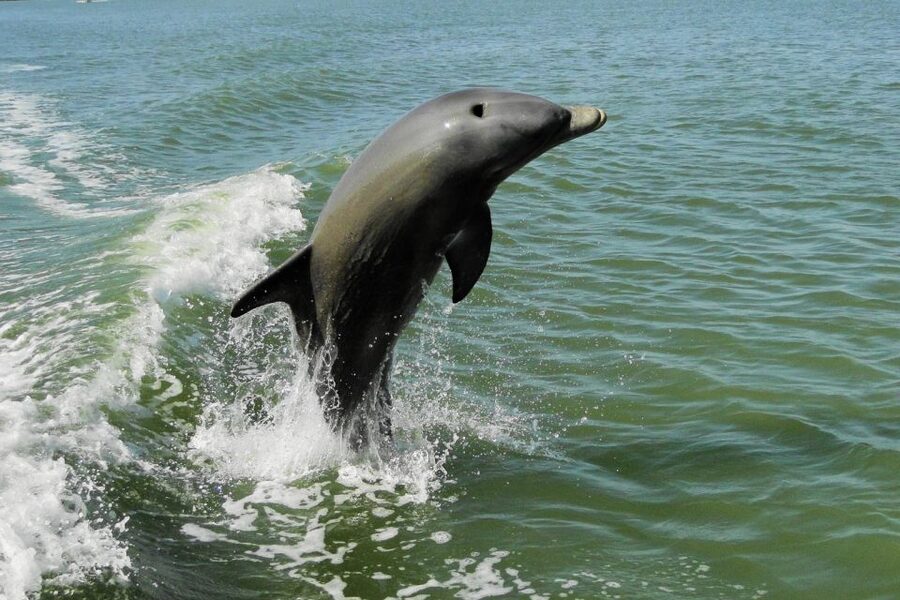
A big theme in the guide experience is getting you the best chance at dolphin sightings—often described as dolphins swimming alongside the boat and interacting with the wake.
Several guides have been praised for how they handle animal encounters with respect and timing. In particular, Captain Ed has been noted for steering maneuvers that discourage boats trying to force dolphins into an overly interactive show. That’s not just good ethics—it also tends to keep the dolphins behaving naturally, which usually improves your viewing.
4) Shelling on an uninhabited barrier island sandbar
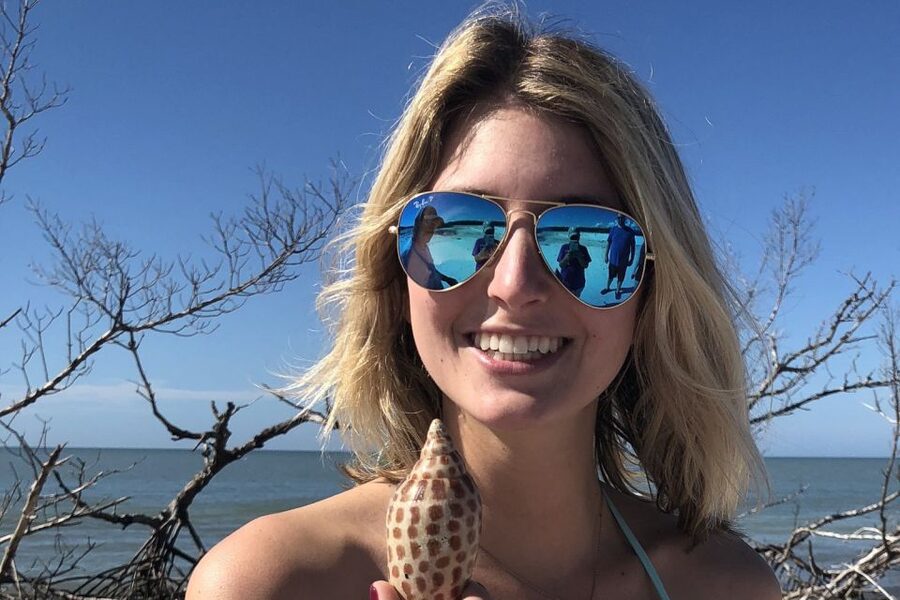
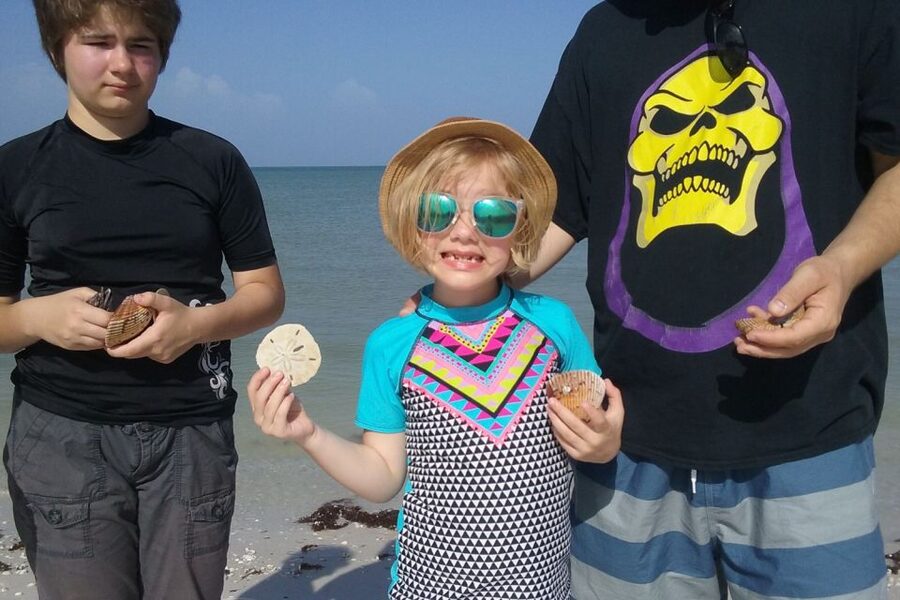
After dolphin and bird time, you land on an uninhabited barrier island/sandbar area to collect shells and other beach treasures. This is the part many people remember because it turns the trip from “watching” to “finding.”
Shelling can be hit-or-miss on open coastlines, but this stop is specifically chosen for sandbar searching. People also call out how the sandbar can be full of shells and how the team makes sure you have enough time to work the beach properly.
Because it’s an uninhabited island area, the experience feels far more raw and natural than a commercial beach stop.
The Birding Bonus: What Makes It More Than Background
Birding on a boat can be easy to do badly. You either spot nothing or you start listing species while everyone’s eyes glaze over.
Here, the birding works because the guide is built for ecosystem storytelling. Expect the guide to connect bird behavior to habitat—where birds hunt, why they pause in certain spots, and how the Everglades system supports all those food webs.
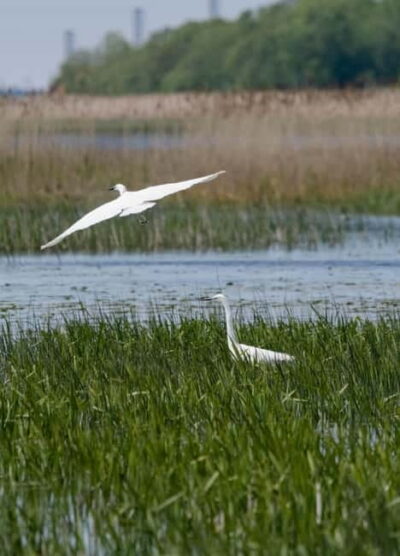
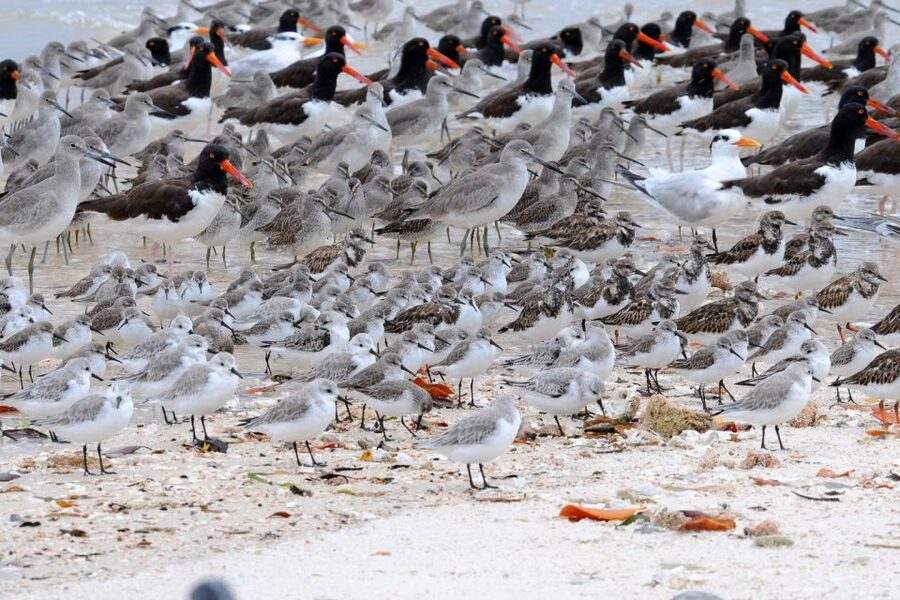
If you have a pair of binoculars, this tour becomes more satisfying fast. You’ll likely be able to pick out raptors and wading birds: bald eagles, ospreys, herons, egrets, pelicans, and the standout pink flash of roseate spoonbills when conditions line up.
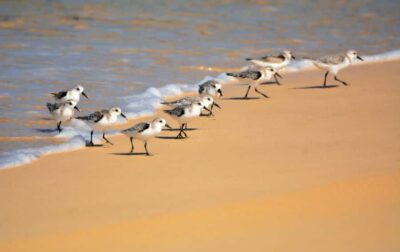
Also, don’t overlook the “little stuff.” Fish and shorebirds are part of the same system you’re seeing from above and beside the boat. When you understand that, the entire ride feels connected rather than random.
Guides and Captains: Why the Teaching Style Gets Praise
This tour’s standout is the human element: a certified Florida Master Naturalist guide plus an experienced captain. The naturalist training shows up in how the guide talks about what you’re seeing—eco-systems, flora and fauna, and how the area’s human-and-natural story fits into the broader Everglades region.
You’ll also hear a consistent theme across guides: friendly communication, humor, and real responsiveness. Different captains get mentioned by name in feedback, including Captain Ed, Captain Joe, Captain Kevin, Captain Ryan, Captain Jeff, and Captain Jamie, plus guides like Kate, and others such as Joyce and Maddie. The common thread isn’t one personality—it’s a shared style of making the wildlife search feel organized and calm, while still being flexible when animals move.
Practical tip: ask questions on board. People who did well with this tour often emphasized that the guides answered a lot and stayed engaged.
Price vs. Value: Is $650 Per Group Worth It?
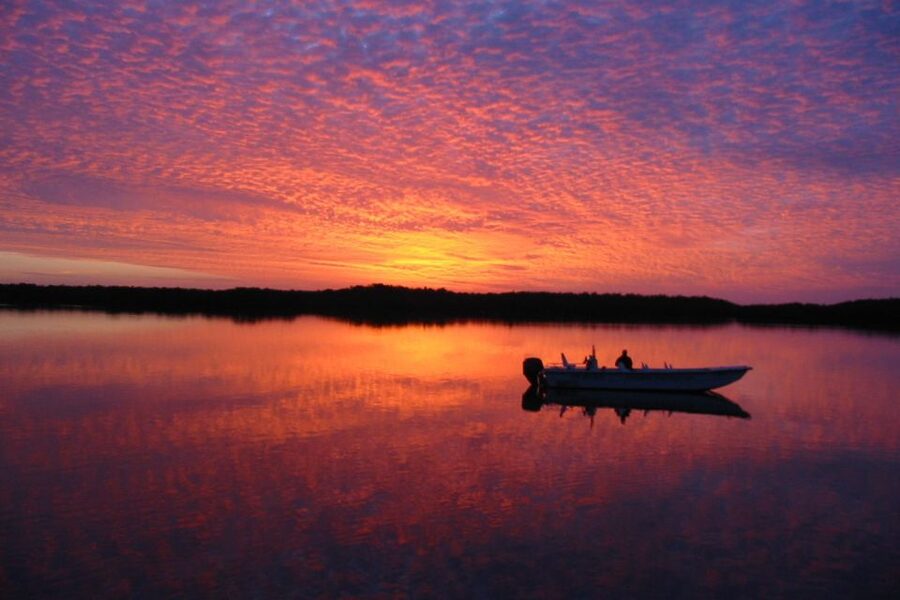
At $650 per group up to 6 for a 2-hour private tour, the price isn’t “cheap.” But it can be good value if you care about three things that cost money in the real world: a private boat, a specialist guide, and a targeted wildlife route.
Here’s how I’d judge it:
- Private group means you’re not squeezed into a big crowd where the guide can’t read the water for your side of the boat.
- The Master Naturalist component matters because it changes what you notice. You’re paying for interpretation, not just transportation.
- The shelling stop adds tangible payoff. You get a beach activity that feels integrated into the natural setting, not tacked on.
If you’re traveling solo or as a couple, you’ll want to compare it against shared boat tours that may cost less but can limit how much time you spend at the best wildlife spots. If you’re coming with a small family or group, this is where the math starts to make more sense.
What to Bring (and What Actually Helps)
This is a sun-and-splash kind of outing. Bring gear that makes the boat ride and sandbar search easier and more comfortable:
- Sunglasses
- Sun hat
- Towels (for drying off)
- Water
- Water shoes (especially for shelling and sandbar walking)
- Camera
- Binoculars
- Snacks and favorite drinks if you want them (food isn’t included)
Also dress for the weather. In warm months, you’ll feel it on the water and during shelling. The best planning hack is to think “beach day,” because that’s essentially what you’ll do.
Best Time to Go: Weather and the Morning Advantage
June through October runs hot and sticky. The guidance here is simple: go in the morning in those months. Morning helps you beat the day’s worst heat and gives you a better chance at a comfortable shelling search before exhaustion kicks in.
Even if you aren’t visiting in summer, a morning slot often feels better on short tours because you get more usable energy for both wildlife spotting and the sandbar stop.
Who This Tour Suits Best (and Who Might Rethink It)
This tour fits best if you want:
- a short, focused dolphin + birding outing
- a guide-led experience with real ecology talk
- a chance to do shelling in a more remote feel setting
- a private group format (up to 6)
It might be less ideal if you want a long, leisurely beach day or if you’re expecting guaranteed dolphin action every moment. Wildlife viewing is always conditional. The tour is structured to maximize odds, not to promise a specific animal on demand.
Should You Book This Marco Island Dolphin, Birding, and Shelling Tour?
If you’re aiming for a high-success wildlife outing in a short window, I think this one is a strong bet—especially if your group includes kids, bird lovers, or anyone who likes collecting small souvenirs from actual nature rather than gift shops.
I’d book it if:
- you value a naturalist guide who explains what you’re seeing
- you want both boat wildlife viewing and shelling
- you’re traveling with up to 6 people and prefer privacy
I’d think twice if:
- you’re sensitive to sun/heat and don’t want to plan for it
- you need a fully guaranteed, always-active dolphin performance (nature doesn’t work that way)
If you can handle the weather with the right gear and you’re excited about dolphins, birds, and a sandbar search, this tour is exactly the kind of practical Florida experience that pays off quickly.
FAQ
How long is the Marco Island dolphin, birding, and shelling tour?
It lasts 2 hours.
What is the price for this private group tour?
The price is $650 per group, up to 6 people.
Who guides the tour?
You’ll have a certified Florida Master Naturalist guide.
Where do we meet for the tour?
Meet your guides at the picnic tables just to the left of the marina store at Goodland Boat Park, 750 Palm Point Drive, Goodland, FL 34140.
What animals might you see?
Depending on season and conditions, you might see dolphins, manatees, sea turtles, bald eagles, ospreys, herons, egrets, pelicans, alligators, roseate spoonbills, plus fish and shorebirds.
What should I bring?
Bring sunglasses, a sun hat, a towel, water, water shoes, and consider bringing your camera and binoculars.
Is food included?
No. Food and beverages are not included.
Is the tour customizable?
Yes. The tours are fully customizable—contact the tour supplier for details.