REVIEW · MONTEGO BAY
Montego Bay: Private Rocklands Bird Sanctuary Trip
Book on GetYourGuide →Operated by Paradise Palms Jamaica Transportation · Bookable on GetYourGuide
A trip to Rocklands feels like cheating a little. You get a private driver from Montego Bay plus time at a bird sanctuary where birds come close for feeding, including Jamaica’s hummingbirds. It’s a focused, low-effort way to see a mix of Jamaican endemics and Caribbean species without having to figure out the logistics yourself.
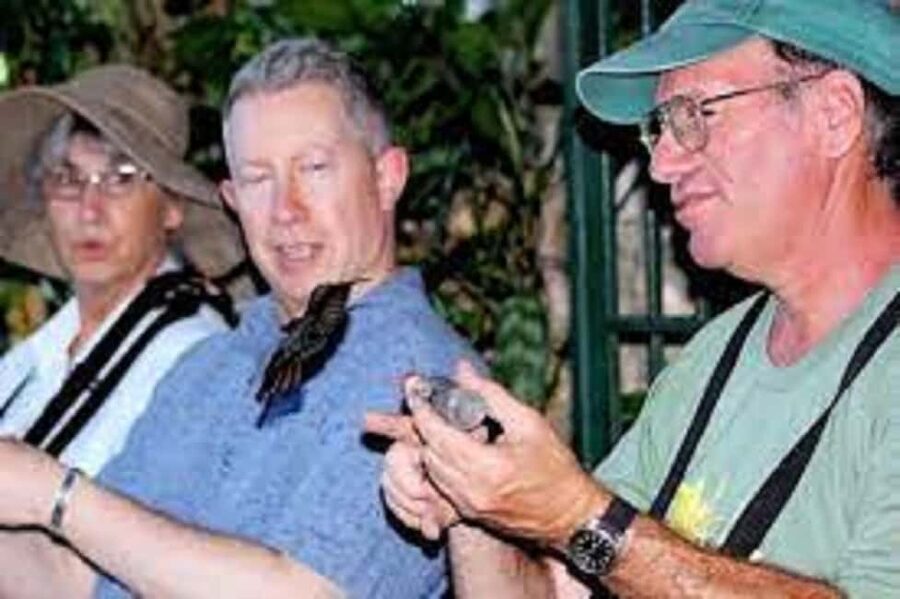
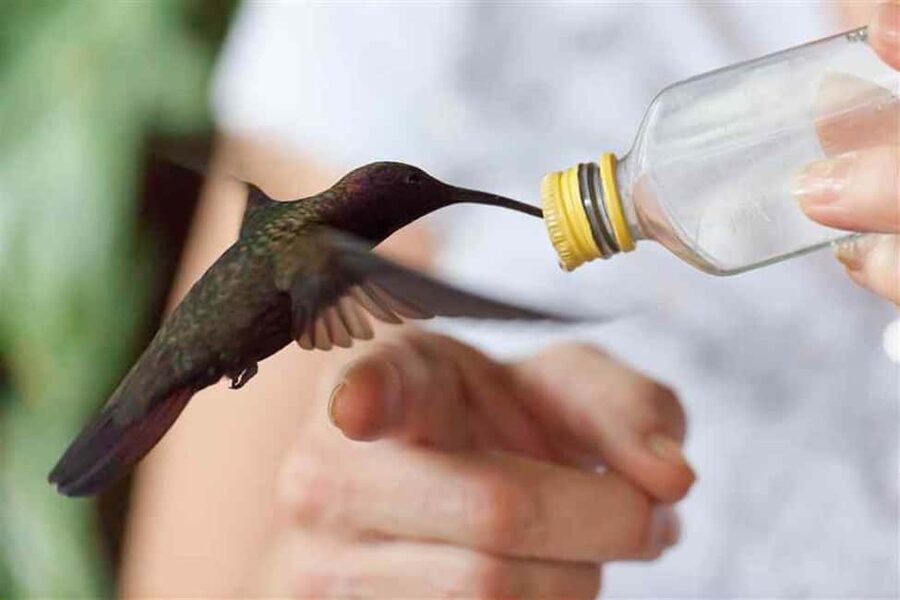
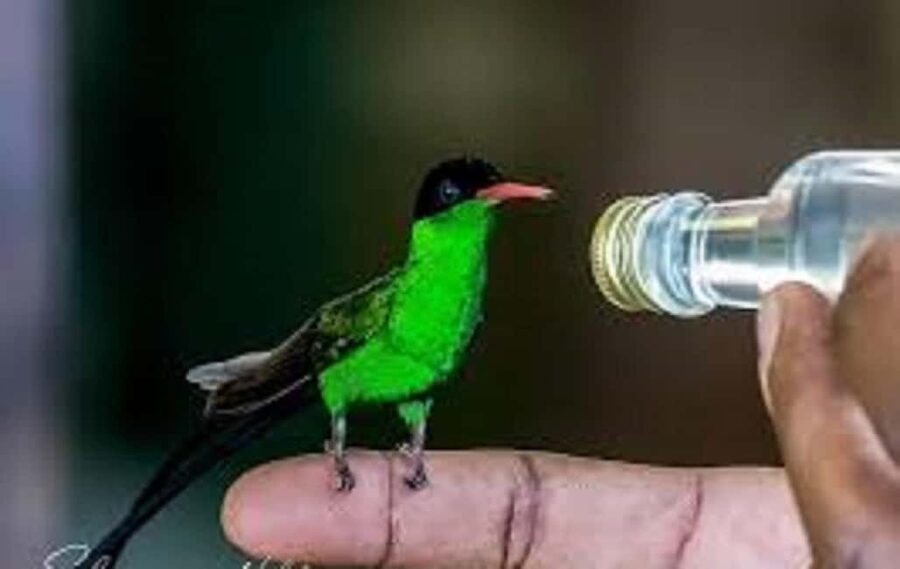
Two things I like a lot: the hand-feeding setups. The sanctuary provides seeds you can put on your hand, and some birds are so tame they may land right at your fingers while you feed them sugar water from a bottle. I also really value the guided part, where you can walk the woods and (if your guide is as informed as Fritz) learn what you’re looking at instead of just hoping for the best.
The main drawback to keep in mind is that birding here is still birding. Even with feeders, you might not get non-stop action the whole time, and the experience depends on what birds decide to come in that day. Also, you’ll need to pay the sanctuary entry fee on top of the transportation price.
In This Review
- Key points worth centering in your planning
- Rocklands Bird Sanctuary near Montego Bay: why this bird trip feels worth it
- Private door-to-door transport with Paradise Palms Jamaica Transportation
- Entering the sanctuary experience: feeders, seeds, and sugar-water moments
- The guided walk in the woods: turning sightings into real understanding
- Species you can aim for: what Rocklands emphasizes
- Hummingbirds and sugar-water feeders
- Orioles, doctor bird, and feeder watch birds
- Doves for calmer, ground-focused moments
- Warblers wintering in the Caribbean (the nice surprise factor)
- Jamaican endemics: the birds that make Jamaica feel like Jamaica
- Price and value: the $94 transport cost plus real sanctuary entry
- Timing: how to fit it into a Montego Bay day
- How to judge whether this is the right bird trip for you
- Should you book the Montego Bay private Rocklands Bird Sanctuary trip?
- FAQ
- How long is the Rocklands Bird Sanctuary private trip?
- What is included in the $94 price?
- How much is the sanctuary entry fee?
- Is there a guided tour at the sanctuary?
- Are refreshments or lunch included?
- Where can you get picked up?
- Is the trip family-friendly?
Key points worth centering in your planning
- Hand-feeding is part of the show: seeds in your hand and sugar-water bottles for very tame species.
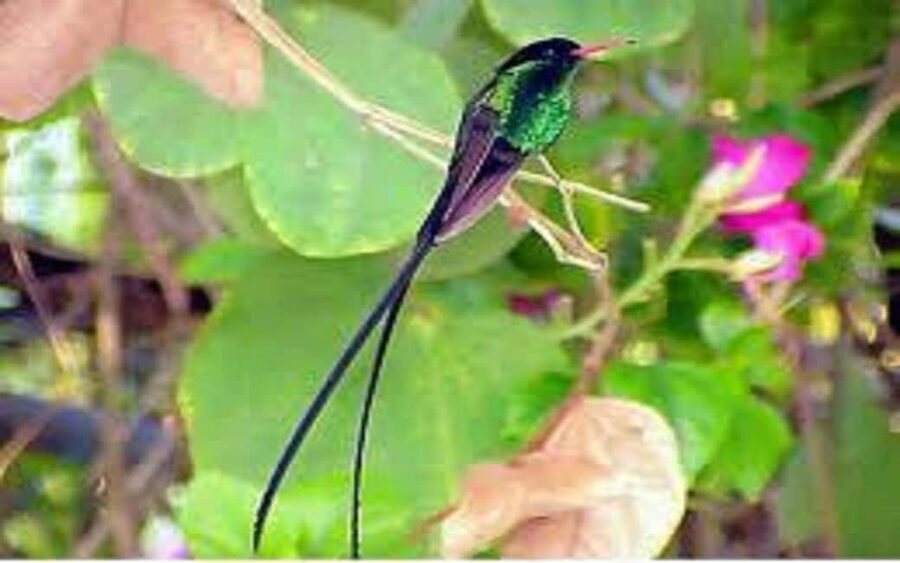
- You’re aiming at Jamaica’s hummingbirds: the sanctuary is known for showing the four resident hummingbird species.
- Your feeder watch can pay off: Bananaquit and Greater Antillean Bullfinch are often seen around feeding time.
- Expect a mix of endemics and winter visitors: you may spot North American warblers wintering in the Caribbean.
- Bring expectations that match reality: the action comes in bursts, not constant landings.
- The driver is the value-add: door-to-door transport reduces stress, especially from cruise ports and resort areas.
Rocklands Bird Sanctuary near Montego Bay: why this bird trip feels worth it
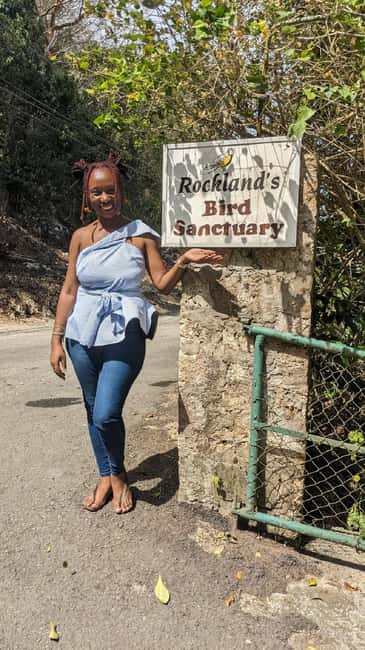
Rocklands Bird Sanctuary sits in the little town of Anchovy, about 3 miles outside Montego Bay. The setting is part of the appeal: you’re not just standing in front of a cage, you’re walking through trees and feeders that bring birds to you.
What makes this experience click for most people is the close-range feeding. You’re not relying only on binoculars or luck with distant sightings. Instead, the sanctuary gives you a way to attract birds into your personal viewing zone, which is exactly what you want if you’re traveling with kids or you’re not a hardcore birder.
This is also a nice option if you want a “bird list” day without turning it into a whole research project. The sanctuary setting is designed for education and observation, and you get a guided tour that explains what’s happening in the trees and around the feeders.
You can also read our reviews of more tours and experiences in Montego Bay.

Private door-to-door transport with Paradise Palms Jamaica Transportation
The price you’re paying starts with something practical: transportation to and from Rocklands Bird Sanctuary. You get a private group setup, and your driver is English-speaking, which helps when you’re coordinating pickup from hotels, villas, rentals, the airport, or a cruise ship.
Logistically, this matters because Montego Bay spreads out. You don’t want to lose an hour hunting for a ride or trying to decode local transit schedules when bird time is limited. With pickup, you also reduce the risk of arriving late, which is when bird activity can be less cooperative.
One detail I’d pay attention to: your driver will be waiting with a sign that says Paradise Palms Jamaica. For cruise guests, the driver meets you just across the road from the ship, also with that sign—useful if you’re juggling shore schedules. For hotel pickups, you’re expected to share your room number so the driver can find you quickly.
Entering the sanctuary experience: feeders, seeds, and sugar-water moments
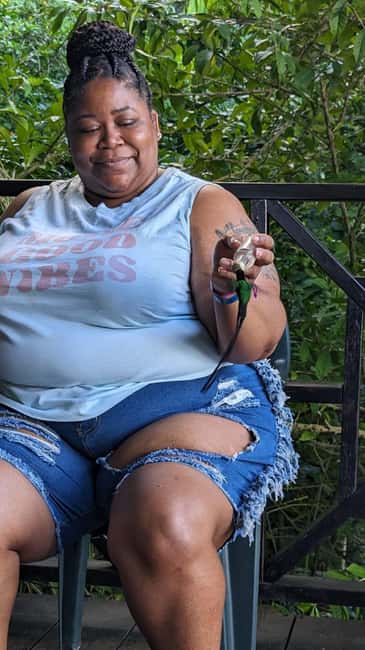
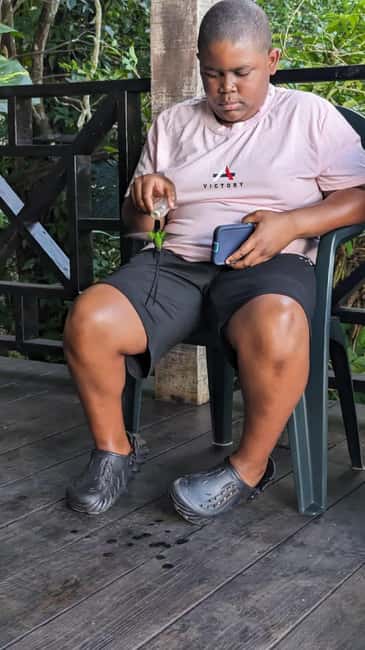
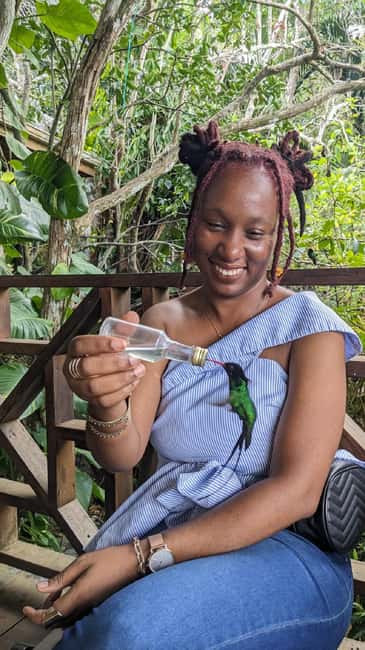
Once you’re at Rocklands, the experience centers on feeding stations. The sanctuary provides seeds so you can place them on your hand, which is a big part of why people come here. That small change—hand-level feeding instead of just watching—turns “I saw a bird” into “I saw a bird close up.”
Hummingbirds are the star attraction in Jamaica, and Rocklands is set up for that reality. The plan highlights the four resident hummingbird species you can see in Jamaica, and it also mentions birds that are so tame they may come to your handheld sugar-and-water bottle. Some may even sit on your finger while feeding, which is the kind of moment that makes a bird trip feel like a personal encounter.
Now, one calibration note: hand-feeding doesn’t mean guaranteed nonstop action. Birds can arrive, pause, and then move on. I’d treat it like a high-probability setting for close views—not a guaranteed performance.
Also, if you’re sensitive to kids standing still for long stretches, this part can test patience. The best way to make it work is to set expectations: you’ll likely spend time watching feeders, then you’ll get a burst of activity when a bird decides to come in.
The guided walk in the woods: turning sightings into real understanding
After the feeding time, you’ll have a guided tour that takes you through the woods. This is where the trip becomes more than just close-up bird photos.
This walk can include both endemic and Caribbean species, plus some familiar North American warblers that winter in the Caribbean. The species list provided for likely sightings is detailed enough that you can start spotting patterns during the walk. That’s the difference between a trip that feels random and one that feels like it teaches you something.
From one especially positive account, the guide experience really matters. A named guide, Fritz, was described as very nice and full of knowledge about bird diversity. The same account also mentions that the guide shared the story of the woman who established the sanctuary and explained the trees endemic to Jamaica, including medicinal or other properties. Even if you don’t catch every single species on your wish list, this kind of commentary helps you connect the birds to the place they live in.
Species you can aim for: what Rocklands emphasizes
Bird sanctuary visits are never 100% guaranteed, but Rocklands gives you a strong set of target species. If you go with curiosity and patience, you’ll have a clear framework for what you’re hoping to see.
Here are the standout species and groups highlighted for this trip:
Hummingbirds and sugar-water feeders
The focus is Jamaica’s resident hummingbirds, including the Vervain Hummingbird and the Red-billed Streamertail. The trip also references Jamaican Mango birds that can be tame around handheld sugar-water feeding, which is a major reason this sanctuary works so well for first-timers.
Orioles, doctor bird, and feeder watch birds
You’re likely to see Jamaican Oriole, and the summary also points to the Doctor Bird. For feeder activity, the highlights call out Bananaquit and Greater Antillean Bullfinch feeding around the feeder during the most active times.
Doves for calmer, ground-focused moments
Not every bird comes to a feeder. The trip also highlights Common Ground-Dove and Caribbean Dove. These are the kinds of species that can make your birding feel more complete because you’re not only watching birds hovering overhead.
Warblers wintering in the Caribbean (the nice surprise factor)
A great value of the guided woods walk is the possibility of familiar North American warblers in Caribbean winter. The highlights name Black-throated Blue Warbler, American Redstart, and Northern Parula. If you recognize any of those, you’ll likely feel that “oh wow, I know this one” connection.
Jamaican endemics: the birds that make Jamaica feel like Jamaica
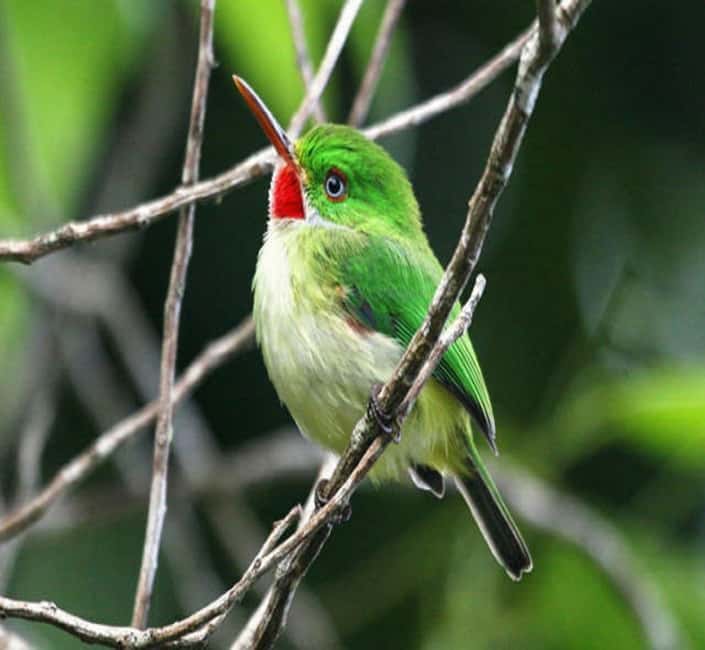
The plan includes a long list of endemic or region-focused birds that your guide may help you spot. Among those listed: Jamaican Woodpecker, White-chinned Thrush, Rufous-tailed Flycatcher, Jamaican Tody, Jamaican Euphonia, Jamaican Vireo, Jamaican Becard, Loggerhead Kingbird, and Sad Flycatcher.
That mix is exactly why this works for more than one kind of birder. If you just want the famous close-ups, you can focus on feeders and hummingbirds. If you’re the type who loves ID work, you’ll have plenty to study while walking.
Price and value: the $94 transport cost plus real sanctuary entry
Let’s talk money in plain terms. The tour price is $94 per group up to 2, and that covers your private transportation to and from Rocklands.
What’s not included is the sanctuary entry fee: $25 for adults and $10 for children (payable by guests). Refreshments or lunch are also not included. So the real cost is transportation plus entry for everyone in your group.
Is $94 good value? For most people, yes—because you’re buying convenience. Door-to-door pickup saves time, reduces stress, and avoids the hassle of arranging a local ride. This is especially helpful from cruise ports and resort zones where timing can be tight.
That said, I’d budget carefully and be ready for the entry fee to be collected onsite. One account reported extra payment surprises when arriving, so I suggest you double-check what’s covered before you leave and bring the money for entry. If you’re traveling with kids, add up entry costs early so there are no last-minute math panics.
Timing: how to fit it into a Montego Bay day
Your time at Rocklands is described as a guided tour portion, and the driving segment is listed as about 45 minutes. Even if the exact total day timing varies by pickup point, the key is the same: you’re on a short clock.
Plan to arrive ready to wait a bit. Bird feeders are built for watching, not rushing. If you want the best odds of close views, think of this as a calm, attentive block of time rather than a quick photo sprint.
For families, the best strategy is to bring small activities for the “waiting moments” and then be fully present during the feeder bursts. You’ll get far more satisfaction that way than trying to force action that’s simply not under your control.
How to judge whether this is the right bird trip for you
This is a good fit if you want:
- Close-up bird feeding with a hands-on element (seeds and sugar-water feeding are central)
- A guided walk that helps you see more than just one or two lucky sightings
- A compact, efficient plan that fits into a Montego Bay itinerary without big travel headaches
It might be less ideal if you:
- Want guaranteed hummingbird landings on demand every minute
- Get cranky sitting still and watching feeders for stretches
- Expect that the transportation price automatically covers all sanctuary costs (it doesn’t)
Also, do pay attention to what you’re booking in terms of outcome. One negative experience described the trip as feeling more like a taxi than an excursion, so I’d make sure you understand what the sanctuary time includes once you arrive and that you’re not just being dropped with minimal guidance.
Should you book the Montego Bay private Rocklands Bird Sanctuary trip?
I’d book it if your priority is a friendly, close-range bird experience with a real chance at Jamaica’s resident hummingbirds and a guided walk that names what you’re seeing. The value is strongest for couples and small groups because you get a private driver and you avoid the hassle of arranging your own transport.
I would not book it blindly if you hate extra fees or you’re traveling with very tight timing, because you’ll need to budget the separate sanctuary entry fee and you should be prepared for the visit to be partly waiting-and-watching.
If you do book, go in with a simple mindset: enjoy the feeders, let the birds come to you, and use the guide to turn sightings into understanding. That approach is how people get the most from this kind of sanctuary day.
FAQ
How long is the Rocklands Bird Sanctuary private trip?
The experience is listed as 2 hours. The driving segment from the Montego Bay area is shown as about 45 minutes, and the sanctuary portion includes a guided tour.
What is included in the $94 price?
The price covers transportation to and from Rocklands Bird Sanctuary. The sanctuary entry fee is not included.
How much is the sanctuary entry fee?
Entry fees are $25 for adults and $10 for children, and guests pay these fees onsite.
Is there a guided tour at the sanctuary?
Yes. After arriving, you’ll have a guided tour that takes you through the woods to see birds and learn about what you’re observing.
Are refreshments or lunch included?
No. Refreshments or lunch are not included.
Where can you get picked up?
Pickup is available from many Montego Bay hotel areas, the Montego Bay cruise port, and the airport. You can also request pickup from hotels, villas, and vacation rentals in the Montego Bay area.
Is the trip family-friendly?
It’s described as an amazing experience for the whole family, especially because the sanctuary includes tame birds that may come to feeding setups.