
REVIEW · PORT OF SPAIN
Port of Spain: Caroni Bird Sanctuary by Boat
Book on GetYourGuide →Operated by Island Experiences · Bookable on GetYourGuide
If you love wild birds, this one is hard to beat. A boat cruise through the Caroni Bird Sanctuary takes you into mangroves and then into a quiet lagoon where the lighting turns magical and the birds get busy. The big payoff is your chance to spot Trinidad and Tobago’s national bird, the scarlet ibis, along with other species that pop against the dark water and sky.
I really like how this tour is built for viewing: you get hotel pickup, step onto a spacious boat, and spend your time looking instead of wandering. The live English-speaking guide also makes a difference, pointing out bird activity and small details so you know what you’re seeing, not just what you hope to see.
One thing to keep in mind: sunset birdwatching can mean some waiting. If the birds decide to roost farther out, the experience can run a bit long or feel slower at the end, so build in patience rather than expecting everything to be perfectly timed.
In This Review
- Key Things That Make This Boat Tour Worth Your Time
- From Port of Spain Pickup to the Caroni Swamp Waterways
- The Boat Cruise: Mangroves, Lagoon, and That Dusk Light
- How the Guide Helps You Spot Birds (Without Guesswork)
- The Scarlet Ibis Moment: Why It’s Worth Waiting For
- Other Bird Targets You Should Keep Your Eyes On
- Timing and Duration: Managing a 4-Hour Experience
- Comfort Tips: What to Bring and How to Prepare
- Value: Why This Is a Smart Half-Day Nature Plan
- Who Should Book This Caroni Bird Sanctuary Cruise
- Should You Book This Tour?
- FAQ
- How long is the Caroni Bird Sanctuary boat tour?
- Do I get hotel pickup?
- Is there a live guide and what language do they speak?
- What kinds of birds might I see?
- Is this tour wheelchair or stroller friendly?
- Will I need to walk on uneven ground?
- What weather should I expect?
- Do I need insect repellent?
Key Things That Make This Boat Tour Worth Your Time
- Sanctuary boat time in the mangrove channels and lagoon: less walking, more watching from water level
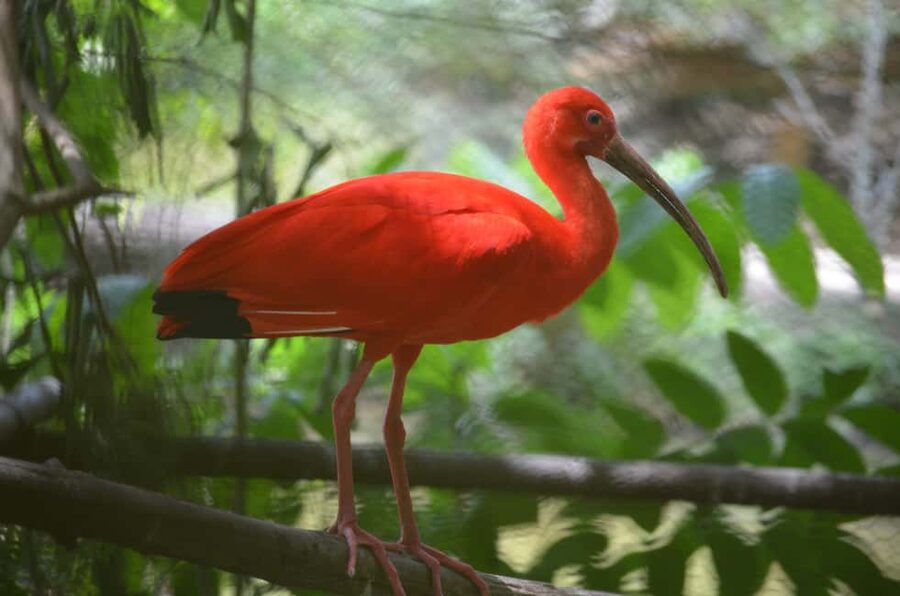
- Scarlet ibis at golden hour: your best odds for the iconic red birds are tied to dusk
- More than one target species: you might also spot large-billed terns and snowy egrets
- Nesting activity in a peaceful lagoon: you’re not just looking at birds, you’re seeing behavior
- A guide who calls out what matters: the best moments come when someone helps you read the scene
- Terrain and comfort limits: you’ll need to handle uneven ground, and strollers/baby carriers aren’t supported
From Port of Spain Pickup to the Caroni Swamp Waterways

This trip starts with one practical win: you get picked up from your hotel and then directed to the Caroni Bird Sanctuary on Trinidad’s western coast. That matters because Caroni isn’t a walk-up “wander and find it” spot. You want a smooth start so you can focus on the real goal—birds.
Once you arrive, you get oriented to the setting. Think dense mangroves on one side of the experience and then sparkling lagoon water that feels calmer and more open. That mix is why this sanctuary works so well for birding. Mangroves create cover and feeding areas; lagoons can concentrate activity as birds move through the day’s rhythms.
The boat ride itself is the heart of it. Instead of scanning from a dock and missing what’s happening behind you, you drift through the waterways. From that angle, birds often look more confident—like they’re not just passing through, but working the scene.
The Boat Cruise: Mangroves, Lagoon, and That Dusk Light
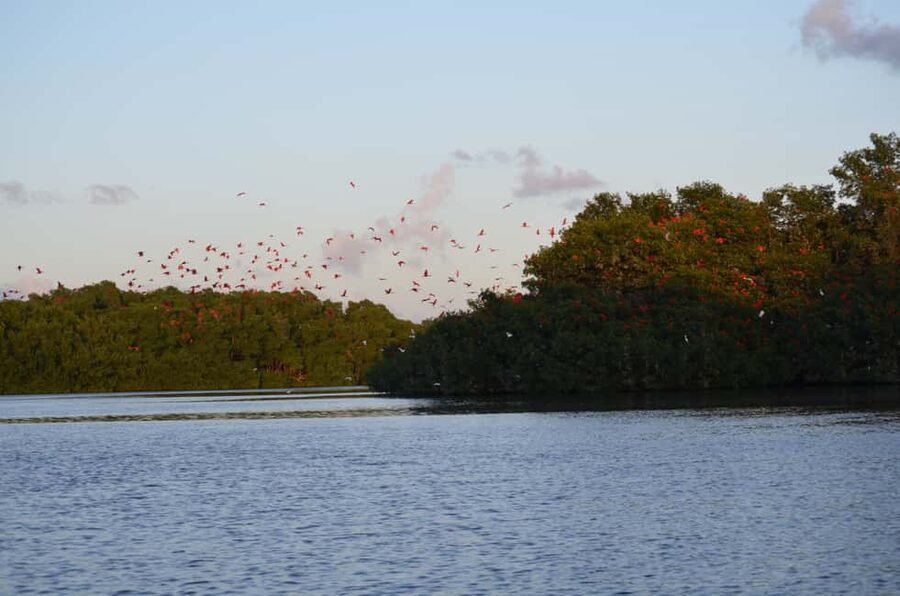
You’ll spend your time moving along the swamp’s waterways on a spacious boat. The pace is relaxed by design. This is the kind of outing where you should expect to slow down with it—watch with your whole head, not just your eyes. When birds fly, they often do it in short bursts: pause, movement, pause again. The boat layout and the slow drift help you catch those patterns.
As you move from mangrove areas toward the lagoon, the scenery shifts in a way that makes birdwatching easier. Mangroves can be darker and more cluttered, so you’ll rely on motion cues—wings, flashes of color, or sudden calls. The lagoon is often clearer to scan, especially as light falls. Birds stand out more, and you can see how they react to dusk.
This is also when you want to be ready for the main event: the scarlet ibis moment. There’s a reason sunset cruises sell out at popular bird sites worldwide. Low-angle light makes small details visible, and birds become more active as the day winds down. On this tour, the timing is built around that idea.
How the Guide Helps You Spot Birds (Without Guesswork)
A good wildlife guide doesn’t just list animals. They help you interpret what you’re looking at.
On this tour, the guide is live, speaks English, and focuses on bird spotting. Guides like Mark (mentioned as friendly, punctual, and knowledgeable) are the type who make the experience feel smoother—he’s the kind of person who points things out while you’re still looking the wrong direction. That’s a real skill. Birding gets frustrating when you’re trying to figure it out alone.
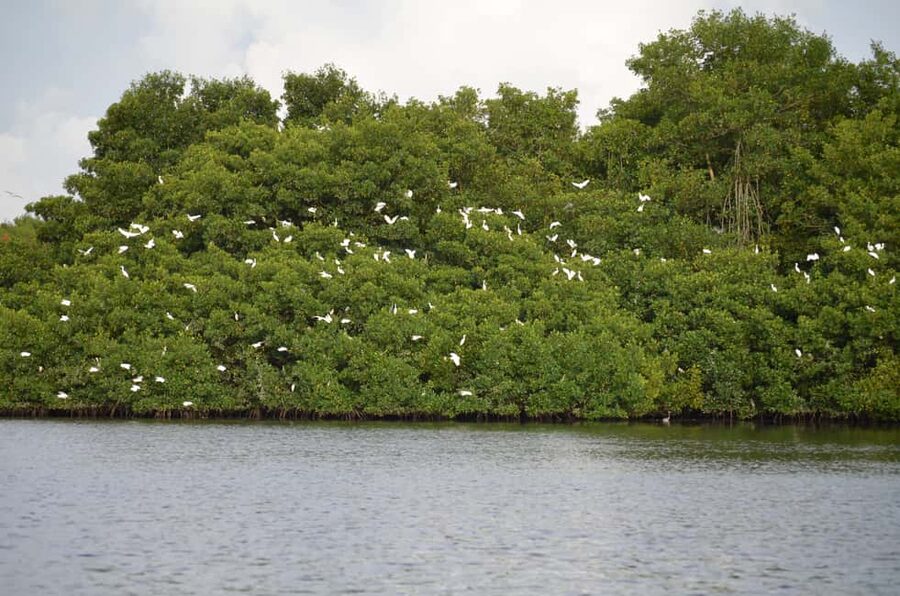
You also get a practical advantage: the guide helps you anticipate where activity will happen next. That means you’re not only hoping for the scarlet ibis. You might also catch other species like the large-billed tern and snowy egret, which are easier to spot when you know what to watch for.
One balanced note: sometimes waiting for birds to roost can take longer than you’d expect. Even when it makes sense—roosting positions aren’t predictable—the timing can feel stretched. If you’re the type who hates last-minute waiting, you’ll want to manage expectations up front and treat the wait as part of the birdwatching rhythm.
The Scarlet Ibis Moment: Why It’s Worth Waiting For
Let’s talk about the bird that brings people here. The scarlet ibis is Trinidad’s national bird, and it’s the obvious star of the show. In a swamp, iconic birds can be tough because dense cover hides them—until they suddenly don’t.
That’s why sunset matters. As the light changes, birds that were harder to track earlier in the day become easier to see as they move, feed, and then settle. The tour’s design nudges you toward the right window, when ibis activity tends to show up and you can look for flight patterns against a darker sky.
You may also spend time watching birds settle into nesting or roosting zones in the lagoon. This is one of those moments where your brain shifts from spotting to observing. Instead of “Where is it?” you start asking, “What are they doing right now?” That change is where the experience feels special.
Just keep one practical mindset: birds set the schedule. If they roost farther away, you might feel like the tour lingers at the end. That doesn’t mean it’s less valuable—it just means you’ll get your best results by being patient and staying focused on the scene, not the clock.
Other Bird Targets You Should Keep Your Eyes On
Even if your heart is set on scarlet ibis, it helps to know this sanctuary is good for a broader bird list. That’s valuable because wildlife doesn’t follow scripts. When one species is quiet, others can still keep the ride interesting.
From what you can expect during the cruise, you should keep an eye out for:
- Large-billed tern: often shows up with quick movements and clean silhouettes
- Snowy egret: tends to stand out against darker water, especially as contrast improves in low light
- The general mix of exotic species using the mangroves and lagoon for feeding and resting
This matters because it changes how you judge the day. If you only measure success by finding one bird, you can end up disappointed when conditions are different. If you treat the sanctuary like a living stage with multiple cues, you’ll likely leave happy.
Timing and Duration: Managing a 4-Hour Experience
The tour runs about 4 hours, which is a nice length for a nature trip: long enough to make real progress through the sanctuary, but not so long that you’re cooked by heat, bugs, and waiting.
That said, birdwatching is not assembly-line travel. A cruise can stretch at the end if the birds haven’t settled in the closest viewing spot. Some people feel that waiting should be shorter, and the feedback you’ll hear in real life is that the guide eventually has to call the moment and move on.
My advice: treat it like this:
- Enjoy the cruise as your main course.
- Understand that the “final act” is tied to bird behavior.
- If you’re the kind of person who gets restless, bring a small buffer attitude and you’ll enjoy it more.
Comfort Tips: What to Bring and How to Prepare
This is a boat-and-nature day, so bring what keeps you comfortable.
The tour asks for one key item: insect repellent. Swamps and water edges can attract biting bugs, especially when the light is fading. Don’t treat this like a suggestion. Use repellent before you’re out there, and reapply if you’re sensitive.
You also need to be able to walk on uneven terrain. Even if most of the time is on the water, there’s still movement involved before and after the boat ride. Wear shoes you trust. No slick soles, no fashion sneakers that you’re afraid to scuff.
And because this tour isn’t set up for it, it can’t accommodate strollers or baby carriers. If you’re traveling with a small child, you’ll need a different plan.
Weather is another practical point: it operates in most weather conditions, which usually means you should dress like you’ll be outside. Light layers can help if it’s warm but breezy on the water.
Value: Why This Is a Smart Half-Day Nature Plan
For a half-day experience, this tour packs in the right kind of value: transportation, a live guide, and a focused wildlife setting.
You’re not just going to a viewpoint. You’re getting into the Caroni Bird Sanctuary by boat, which puts you where bird activity actually happens. That’s the real value. Plenty of trips “show you” nature from a distance. This one gives you a working vantage point.
The pickup included feature is also part of the value equation. If you’ve ever had to coordinate your own route and timing to a nature site, you know how quickly that can eat your day. Here, you spend your energy looking rather than solving logistics.
Finally, the presence of an English-speaking guide helps you get more from the experience. Birdwatching is easiest when someone explains what you’re seeing in plain terms—what to watch for, when to look up, and what kinds of signals matter.
Who Should Book This Caroni Bird Sanctuary Cruise
This tour fits best if you:
- enjoy birdwatching and want a real chance at the scarlet ibis
- prefer a relaxed, scenic outing rather than a strenuous hike
- want a half-day nature experience that works even for first-time visitors to Trinidad
- like the idea of watching birds as the light changes, not just taking photos
You might want to skip it if you:
- hate waiting when wildlife decides to settle farther out
- need stroller access or baby-carrier-friendly facilities
- aren’t comfortable with walking on uneven ground
Should You Book This Tour?
I’d book it if your goal is wildlife viewing in a setting where you’re actually part of the action. The boat route through mangroves and into a lagoon is the difference between looking at nature and experiencing it. The chance to see the scarlet ibis at sunset is the headline, but the real satisfaction comes from the steady bird activity and how the guide helps you track it.
If timing is your biggest stress point, go in with patience. Wildlife can stretch a schedule, and the best viewing moments can come right when you least want to wait. If you can handle that, this is a strong, practical Trinidad outing that feels like a true nature session—not just a sightseeing stop.
FAQ
How long is the Caroni Bird Sanctuary boat tour?
The duration is listed as 4 hours.
Do I get hotel pickup?
Yes, pickup is included. You should wait in the hotel lobby about 10 minutes before the scheduled pickup time.
Is there a live guide and what language do they speak?
There is a live tour guide, and the tour language is English.
What kinds of birds might I see?
You can look out for exotic birds in the sanctuary, including the scarlet ibis, the large-billed tern, and the snowy egret.
Is this tour wheelchair or stroller friendly?
No. The activity is not able to accommodate strollers or baby carriers.
Will I need to walk on uneven ground?
Yes. You must be able to walk on uneven terrain.
What weather should I expect?
The activity operates in most weather conditions.
Do I need insect repellent?
Yes. You’re advised to bring insect repellent.