REVIEW · NAIROBI
6hrs of Birdwatching in Nairobi National park
Book on GetYourGuide →Operated by Travel with Saidi · Bookable on GetYourGuide
Birds beat lions today in Nairobi. This 6-hour birding outing in Nairobi National Park is built around habitat-hopping, so you’re not stuck scanning one view all day. I especially like the way the route moves through dry forest, wetlands, and grassland, which boosts your odds of seeing lots of different species.
Two more things I like: you get a custom bird list after the session, and the guides focus on real identification skills instead of just driving slowly. One drawback to plan for: park entry fees are extra, so your final cost depends on whether you’re traveling in low or high season.
In This Review
- Key things to know before you go
- Nairobi National Park as a bird playground
- Timing, pickup, and what the day schedule feels like
- Dry forest stop: Pycnonotidae, Turdidae, and Columbidae
- Dams and wetlands: Scolopacidae, Anatidae, Ciconiidae
- Grassland time: Otididae, Ardeidae, and the long-watch birds
- Picnic points, walking breaks, and how to spot better from the van
- The bird list after the safari: why it’s more than a souvenir
- Price and park fees: where the real value comes from
- Who this birding safari suits best
- Practical tips to get the most out of six hours
- Should you book this Nairobi birdwatching session?
- FAQ
- Do I need to pay Nairobi National Park entry fees?
- How long is the birdwatching session?
- Is this a private tour?
- What vehicle is used?
- What will I receive after the safari?
- Is the tour accessible for wheelchair users?
Key things to know before you go
- Habitat route, not one stop: you’ll cover multiple ecosystems in one morning or day session
- Six hours on the birding task: long enough to train your eyes and ears
- Identification support: strong guides can ID birds by sight and sound
- Stops for legs and toilet breaks: you’ll alight at set picnic points
- A species list after your safari: you get your day’s bird record by email
Nairobi National Park as a bird playground
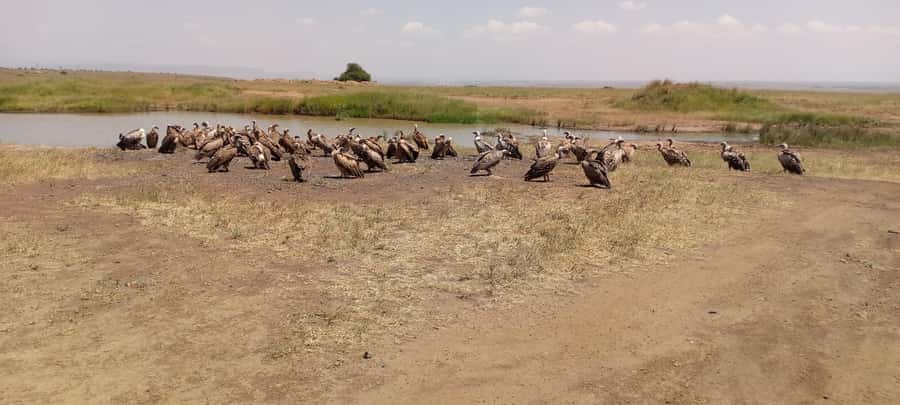
Nairobi National Park is one of those places where birding feels practical, not theoretical. You’re in Central Kenya, right by a major city, yet the park still delivers a real mix of habitats. The operator’s promise is solid: over 520 bird species call this park home, so even if birding doesn’t go perfectly (it never does), you’re still in the right setting to see a lot.
What makes this tour interesting is the structure. Instead of treating birdwatching like a checklist you grind through at one viewpoint, you’re moving through the park’s different “worlds.” Dry forest birds behave differently than wetland birds. Grassland birds often require patience and careful scanning. This route sets you up to notice those differences.
And yes, mammals can pop up too. In past outings led by guides such as Diana and Saidi, some groups also spotted animals like lions, rhinos, giraffes, zebras, buffalo, and even a cheetah. That’s not the main goal here, but it’s a nice bonus when you’re already out in prime viewing country.
Timing, pickup, and what the day schedule feels like
The day starts with an early morning pickup from your residence or hotel in Nairobi. Then you ride in a private safari van to the park—expect about an hour of driving time based on the plan. Once you’re inside Nairobi National Park, the birding starts quickly. The goal is simple: fewer idle moments, more time looking, listening, and learning.
The experience is designed as a private group up to 7 people. That matters. Birding works best when you can pause without rushing, take a few steps off the road when it makes sense, and adjust to what your guide hears or sees. In one reported outing, the session ran longer than scheduled (over 7 hours), which hints at how the guides sometimes shape the pace around bird activity rather than rigid timing.
Also note the transport style. The standard vehicle is a safari van with an open roof. That’s good for spotting and hearing, but it also means you’ll want to dress for real outdoor conditions—sun, wind, and occasional dust can all show up in Nairobi area parks.
Dry forest stop: Pycnonotidae, Turdidae, and Columbidae
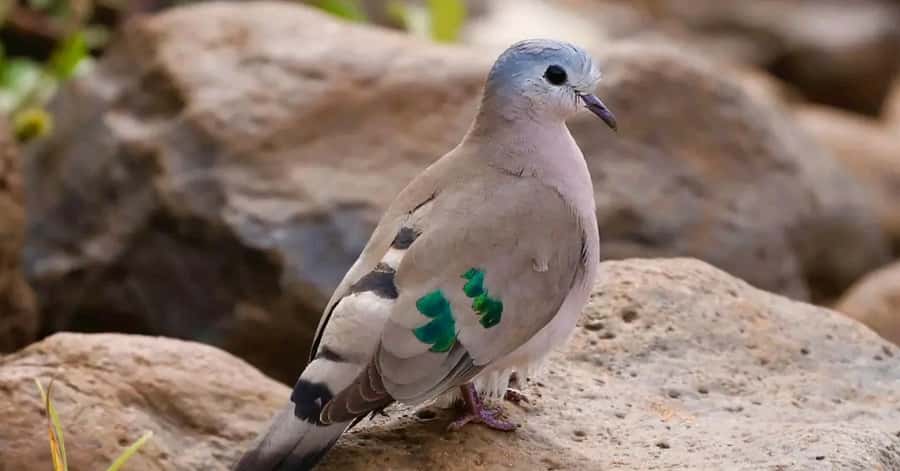
The dry forest area is where you start birding in earnest, and it’s a smart choice for first light. Forest-edge and dry woodland birds often show up early, either moving through branches or giving calls that cut through the morning air.
This tour explicitly targets families tied to that dry forest feel—Pycnonotidae (bulbuls), Turdidae (thrushes), and Columbidae (pigeons and doves) among others. Practically, what that means for you is that you’ll be using two main skills right away:
- Slow scanning through foliage lines and gaps
- Listening for calls and then pinpointing the bird’s location
The best moments in this habitat are usually small. A bird might not sit at eye level for long. Your guide’s job is to read the scene: where birds are likely to land, which direction sound is coming from, and how fast to search once a call becomes clear. Guides named Benson and Saidi were specifically praised for their ability to ID birds well—so you’re not left guessing what you’re looking at.
Possible consideration: dry forest birding can be “busy but tricky.” You may see movement first and the bird second. If you’re someone who gets impatient with short, fleeting sightings, you’ll want to lean into the learning curve. The payoff is that you start building momentum while the birds are most active.
Dams and wetlands: Scolopacidae, Anatidae, Ciconiidae
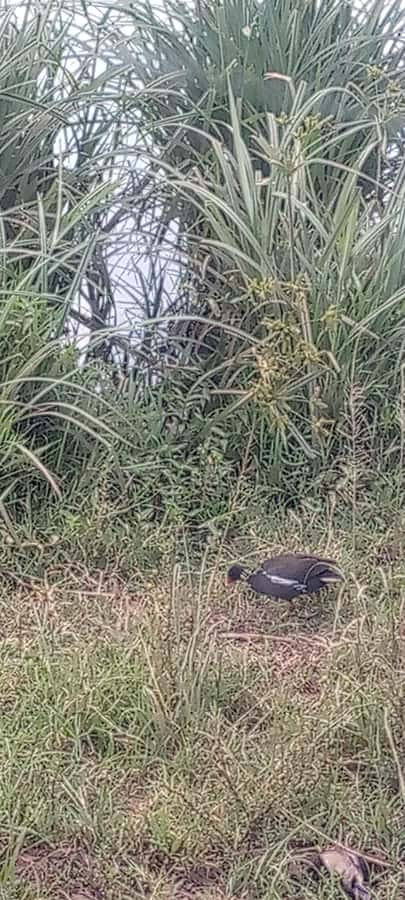
After the forest, you shift to the dams and wetlands. This is where birding often becomes more rewarding for first-timers because many wetland birds are easier to track on open water and muddy edges. The tour aims at families including Scolopacidae (sandpipers and allies), Anatidae (ducks and geese), and Ciconiidae (storks), plus other wetland species.
Here’s why this stop is valuable: wetlands create different “rules.” Birds tend to feed in predictable zones, and you can often spot them by behavior rather than only by color. A sandpiper can flick and probe. A duck may cruise or lift its head frequently. Storks might stand tall and wait. Your guide can use that behavior to help you move from rough identification to accuracy.
In at least one earlier outing, a turaco was found during the session, showing that birds don’t always stick to the planned family list. That’s normal in birding. Good guides adjust fast, and wetland moments can turn into surprise moments.
Trade-off: wetlands can also be quieter in some seasons or conditions. If the wind is strong or the water is still, sound can be harder. You’ll rely more on visual scanning. That’s why the tour includes long time in the park and multiple ecosystems—one stop may not deliver the big numbers, but the full route usually does.
Grassland time: Otididae, Ardeidae, and the long-watch birds
Next comes grassland, the part of the day where patience becomes a superpower. Grasslands can look “open,” but they often hide birds in plain sight. A bird might freeze in tall grass, then vanish as soon as you lock onto it.
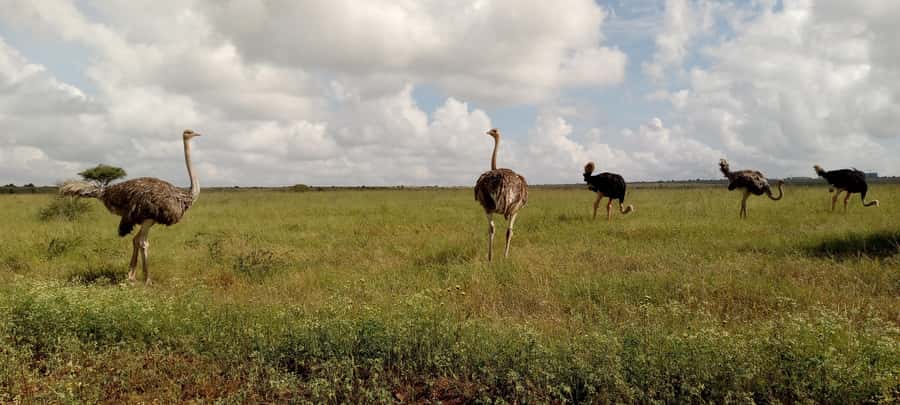
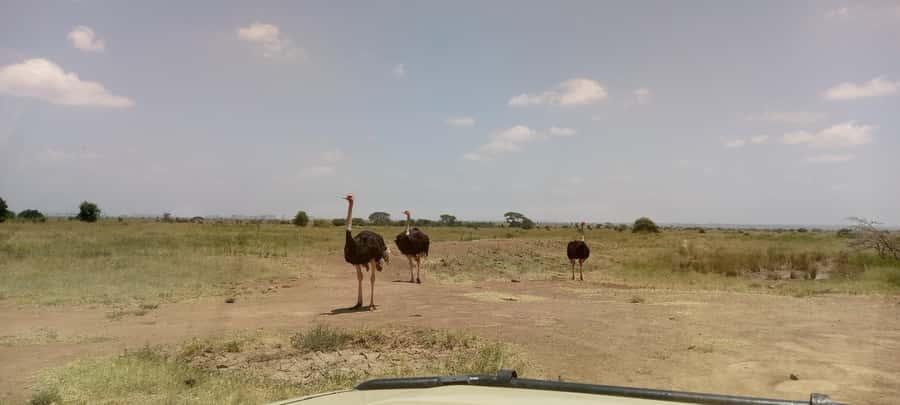
This tour focuses on grassland families such as Otididae (bustards), Struthionidae (ostriches), Ardeidae (herons and egrets), Motacillidae (wagtails), Laniidae (shrikes), and Fringillidae (finches). That list tells you what the guide is thinking:
- Large ground birds may be visible only if you catch them standing or walking
- Wading birds show up near water edges or damp patches
- Small songbirds can be heard first, then found
A reported birding day with Diana included 67 species of birds, with 31 listed as lifers for that group. While you shouldn’t expect the same results, the takeaway is clear: grasslands are where you can rack up “new to me” sightings if your guide is good at both scanning and listening.
Possible consideration: grassland birds can require longer sighting times than forest birds. You might stare for a while before the bird decides to show itself. This is one reason a private format works better than a crowded group: you can pause, reposition, and try again without feeling rushed.
Picnic points, walking breaks, and how to spot better from the van
One detail that makes this tour more comfortable than many wildlife drives is the plan to stop. You’ll alight at designated picnic points so you can stretch your legs and take toilet breaks while you search for birds on foot. That matters in a 6-hour session. When you’re actively scanning, your body tightens up fast if you never get a break.
From a spotting standpoint, the walking stops also give you better angles. From a vehicle, you tend to look forward. On foot, your perspective changes. Birds that look like a blur through branches can sometimes be tracked by silhouette and movement when you’re standing still.
Practical tip: wear long sleeves or light protection if you’re sensitive to sun and dust. Also bring binoculars if you have them—this tour doesn’t mention loaner equipment, so assume you’re bringing your own. If you’re using binoculars, keep them ready for quick “call-to-location” moments. Many birds are first detected by sound, then confirmed visually.
The bird list after the safari: why it’s more than a souvenir
The tour includes something I really value for birders: you’ll create a bird list for the day, and it will be sent to you after the session. That’s not just paperwork. It’s what helps you learn after the excitement fades.
In an outing led by Saidi, the bird list was sent by email, and the guide could share an observed bird card and even play the bird’s sound for explanation. Even if your guide uses slightly different tools, the end result is the same: you leave with names you can study, not just blurry memories.
This also helps with travel style. If you’re continuing your Kenya trip, the list gives you a “what to focus on next” map. It’s the fastest way to turn one day of birdwatching into real progress.
One more reported touch: some groups ended with small extras like T-shirts. That’s not something I’d plan around, but it reflects that the operator aims to make the day feel complete, not just transactional.
Price and park fees: where the real value comes from
The price is $450 per group (up to 7 people) for a 6-hour birdwatching session. That sounds like a lot until you break it down the way birding actually works. Birdwatching is guided time plus transport plus the guide’s effort in finding and identifying birds. A private setup also means your group size won’t force constant stops and starts.
The key cost you must factor in: Nairobi National Park entry fees are not included. For non-residents, it’s $48 in low season and $60 in high season. If you’re traveling as a group of several people, it can keep the per-person cost reasonable. If you’re traveling solo, it will feel pricier—because the base cost is per group.
Then there’s an optional upgrade. You can use a safari Land Cruiser for an extra $80, but the default is the open-roof safari van. If you care most about best viewing angles from the vehicle and don’t want to pay extra, the standard van already supports the job.
So the value question is really this: are you paying for a driver who slowly stops, or for a guide who can track, hear, and identify birds? The strong reviews you provided line up with the second option—guides were praised as excellent spotters and ID experts. If that’s what you want, the price starts looking fair fast.
Who this birding safari suits best
This tour fits you best if you fall into one of these buckets:
- You love birds and want a day focused only on avian life
- You’re new to birding but you want help learning how IDs happen
- You like structured habitat coverage, not random wildlife stops
It’s also a great choice if you’re the kind of traveler who enjoys detail. Birding rewards attention. You’ll be thinking about calls, movement, habitats, and bird behavior—not just chasing big animals.
It may be less satisfying if your priority is quick, guaranteed mammal sightings. This day is built around birds. Mammals can appear, but the “win” here is bird diversity and identification.
Practical tips to get the most out of six hours
Here’s how to set yourself up for a strong birding day without overthinking it.
Bring the right documents: you’ll need a passport (or an ID card). It’s a simple item, but skipping it can ruin the day at the gate.
Pack for outdoor scanning: bring a light layer for morning chill, sun protection, and water. Drinking water is included, which helps. Still, you’ll likely want to sip consistently.
Use the guide’s expertise: the best birders don’t just watch; they ask. A good guide can teach you what to listen for and what field marks matter in that habitat. Based on the guides’ reported performance (like Saidi’s sound playback and Benson’s ID ability), you’re likely to get more learning per hour than you’d expect.
Be ready for the long look: birding isn’t always fast. You might see fewer individuals but better IDs, and that’s where the day becomes rewarding.
Should you book this Nairobi birdwatching session?
Book it if you want a focused bird day in a place that’s genuinely suited to bird diversity. The combination of multiple habitats, private guidance, open-roof viewing, and a bird list sent after the safari makes this feel like a birding experience, not a generic game drive with a side of birds.
Don’t book it if you’re only chasing big-animal action or you hate long scanning time. This tour asks for patience, and the day’s value comes from learning to spot and identify birds, even when they stay hidden for a moment.
If you’re unsure, here’s the decision shortcut: if you’ll actually use the species list afterward to learn, this tour is likely worth it. If you just want quick sightseeing photos, you might feel frustrated.
FAQ
Do I need to pay Nairobi National Park entry fees?
Yes. Park entry fees are not included. For non-residents, entry is listed as $48 in low season and $60 during high season.
How long is the birdwatching session?
The activity is listed as lasting 6 hours, with additional road time for pickup and return based on the schedule.
Is this a private tour?
Yes. It’s a private group, with a maximum group size of up to 7 people.
What vehicle is used?
The standard vehicle is a safari van with an open roof. If you prefer a safari Land Cruiser, there’s an extra cost of $80.
What will I receive after the safari?
You’ll build a bird list for the day, and it will be sent to you after the session.
Is the tour accessible for wheelchair users?
The tour is listed as wheelchair accessible.