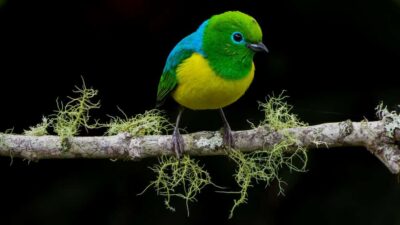
REVIEW · ISLAND OF HAWAII
Big Island: Native Bird Watching & Hiking Tour
Book on GetYourGuide →Operated by Hawaii Forest & Trail · Bookable on GetYourGuide
Birds here don’t show up by accident. This small-group tour focuses on Hawaii’s forest birds in the Hakalau Forest National Wildlife Refuge, with a guide built for real bird tracking. I especially like the chance to see endemic species like I’iwi and ‘Apapane, and the way the day mixes hiking, learning, and spotting.
One possible drawback: you’ll be hiking up to 4 miles on uneven, rocky terrain, so comfy footwear and flexible legs matter. If you’re dealing with back issues, mobility limits, or motion sickness, this one may feel like too much.
In This Review
- Key highlights worth planning around
- Hakalau Forest National Wildlife Refuge: the real reason to go
- The rhythm of a 12-hour day on the Big Island
- 4WD off-road comfort (and what to do with it)
- The guided hike: up to 4 miles, built for real looking
- Your bird targets: what you’re likely to spot
- More than birds: rare plants and carnivorous caterpillars
- Lunch, snacks, and staying warm in the forest
- What’s included (and how that affects your packing list)
- Price and value: is $287 worth it?
- Guides, spotting help, and why the small group matters
- Pickup in Kona and Waikōloa: timing that can confuse you
- Who this tour fits best (and who should skip)
- Practical tips to improve your odds in the refuge
- Should you book Big Island: Native Bird Watching & Hiking Tour?
- FAQ
- How long is the tour?
- Where does pickup happen?
- How many people are in the group?
- What kind of hiking is involved?
- What birds will the guide help you look for?
- Is the tour suitable for kids or mobility limitations?
Key highlights worth planning around
- Hakalau Forest National Wildlife Refuge access to a place designed specifically for forest birds
- Pro bird tracking guide who helps you find and understand endemic species
- 4WD Mercedes Sprinter rides across rough routes to reach off-the-beaten spots
- Up to 4 miles of hiking with guidance, plus hiking sticks and rain gear provided
- Range of target species from tiny creepers to birds of prey like ‘Io
- Native plant + insect spotting including carnivorous caterpillars
Hakalau Forest National Wildlife Refuge: the real reason to go
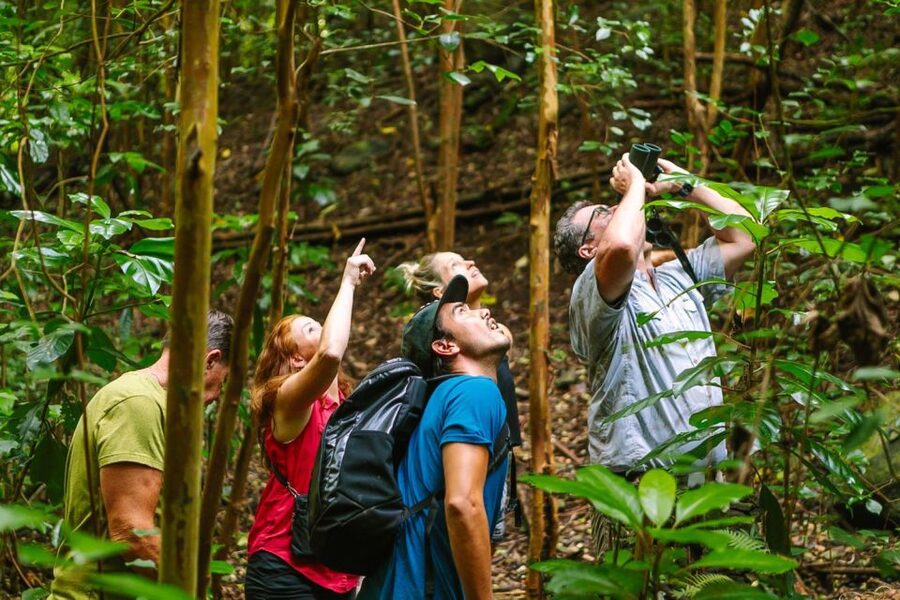
Hakalau is the kind of location that bird people talk about for a reason. It’s the first U.S. refuge established specifically for forest birds, and the focus is on protecting habitat so you can actually search in the right places.
What makes this tour appealing is that you’re not just strolling through a scenic area. You’re going into managed forest where the goal is to locate native and endangered birds and learn what’s happening in the ecosystem around them.
The rhythm of a 12-hour day on the Big Island
This is a full-day commitment, clocking in at 12 hours with a small group (limited to 9 participants). Expect a couple of hours in the van up front and again on the way back, plus about 5 hours at the refuge.
That van time is not wasted. The short-wheelbase 4WD Mercedes Sprinter is part of how you reach areas that most visitors never see, which matters for birding where position and access really change your odds.
4WD off-road comfort (and what to do with it)
You’ll ride in a 4WD Mercedes Sprinter designed for getting into rugged areas. Because the route can be bumpy, people who are sensitive to motion may find the ride unpleasant, and the tour is not listed as suitable for motion sickness.
If you’re generally fine with road conditions, bring a flexible mindset. This is one of those tours where the comfort trade-off helps you reach better habitat for sightings.
The guided hike: up to 4 miles, built for real looking

Inside the refuge, you’ll do guided walking and wildlife viewing, including a hike up to 4 miles. The terrain can be uneven and rocky, so this is not a flat “nature walk” style outing.
Good news: you get hiking sticks and rain gear, plus a guide actively helping the group focus. That means you’re not just wandering—you’re learning how to slow down, scan, and read what the forest is telling you.
Your bird targets: what you’re likely to spot
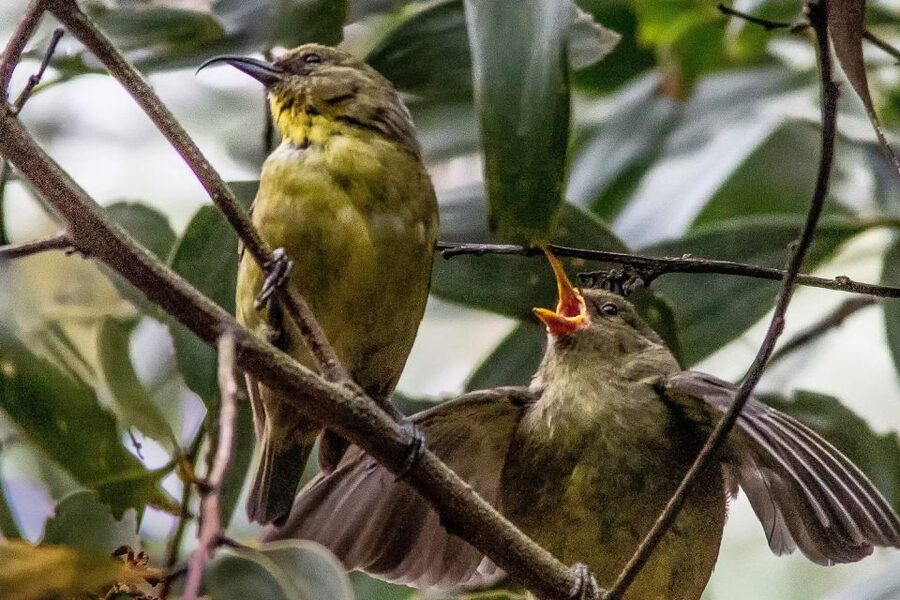
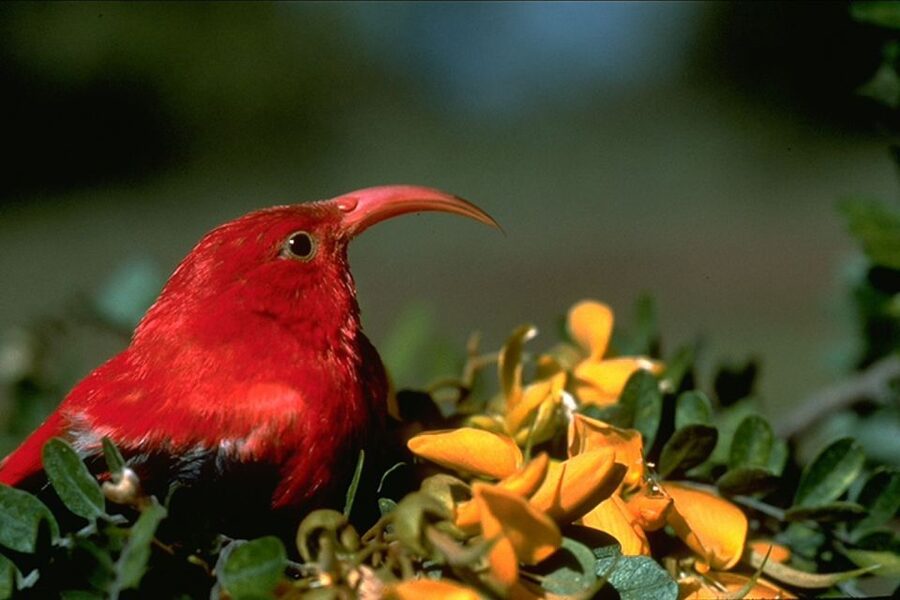
This tour is organized around endemic forest species. You’ll keep an eye out for birds like I’iwi and ‘Apapane, along with ‘Akiapōlā’au and ‘Amakihi.
Other named targets include:
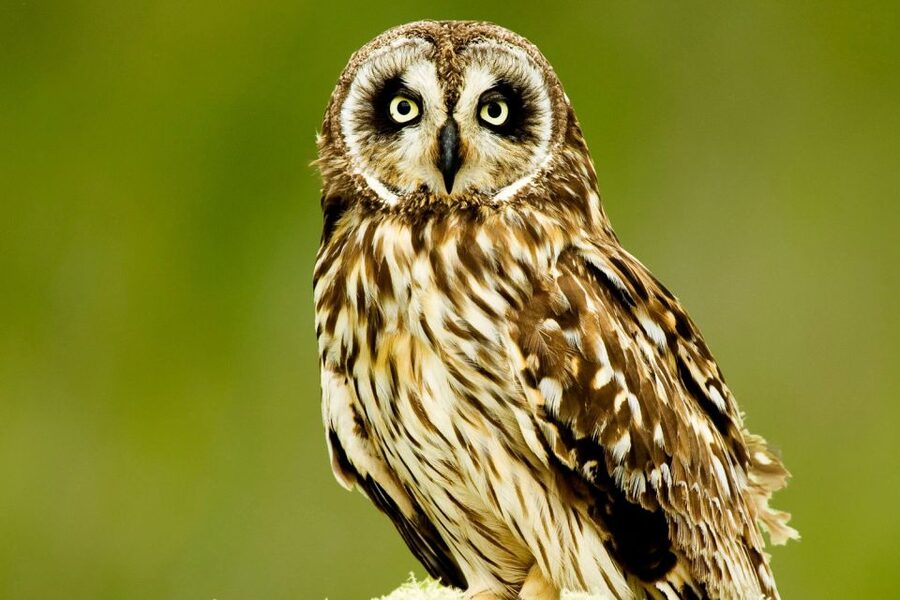
- Pueo (the short-eared owl)
- Hawai‘i Creeper
- ‘Elepaio
- ‘Ōma’ō
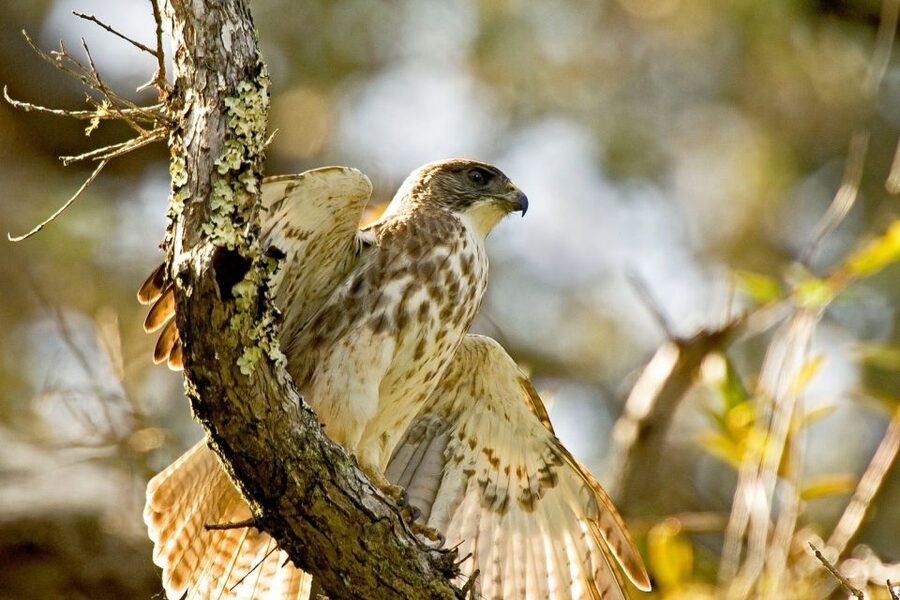
- ‘Io (Hawaiian hawk)
Here’s the practical value: having a clear list changes your attention. When you know what you’re searching for, you scan differently—shape, color, and behavior become easier to notice than if you’re just hoping something happens.
More than birds: rare plants and carnivorous caterpillars
This isn’t only feather time. You’ll also discover native plants and animals, including carnivorous caterpillars, which is the kind of detail that makes the ecosystem feel real instead of like a checklist.
If you like nature that works on small scales—leaf to insect to bird—this part is especially rewarding. The guide’s job is to help you connect the dots, so you leave with a better sense of how the refuge functions as a whole.
Lunch, snacks, and staying warm in the forest
You get breakfast snacks and a deli-style lunch, plus time for a picnic inside the refuge. There’s also a water station for refills, but you won’t get bottled water—bring a reusable water bottle so you can fill as needed.
Weather can shift in the forest, so dressing in layers is not optional advice here. You’ll also want closed-toe shoes that can get dirty because the ground can be cool, wet, or muddy.
What’s included (and how that affects your packing list)
One of the smarter parts of this tour is the gear you don’t have to bring. You’ll be provided with:
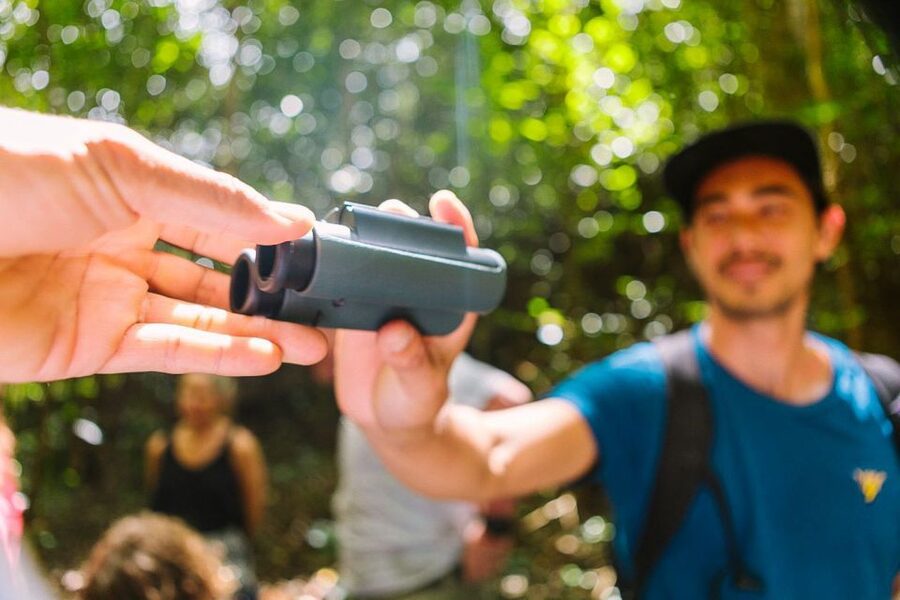
- Binoculars
- Daypacks
- Hiking sticks
- Rain gear
- Reef-safe sunscreen
- Snacks and a water station
That reduces what you need to carry, which helps on uneven ground. Your job is mostly clothing and comfort: hat, long pants, layers, and shoes you’re okay getting marked up.
Price and value: is $287 worth it?
At $287 per person for a 12-hour outing, you’re paying for more than a walk in the woods. You’re paying for guide-led search work, access to the refuge’s best areas, and a 4WD vehicle capable of reaching off-the-beaten locations.
You’re also getting a small group size (max 9), which matters for birding. Fewer people means more attention, less crowding around viewing spots, and more chances to reposition when a bird appears.
Guides, spotting help, and why the small group matters
The guide role is central here. You’ll have a professional who can track where birds are likely to be and help you connect what you’re seeing to what matters in the ecosystem.
More than that, several people highlight how the guide balances birding skill with storytelling. That matters because long waits are part of birding, and a good guide keeps the group engaged while teaching you how to look.
Pickup in Kona and Waikōloa: timing that can confuse you
Pickup is included from select meeting points in the Kona and Waikoloa areas, with multiple options such as Waikōloa Plaza, Hawaii Forest & Trail Kona Headquarters, Queens’ Marketplace, and Four Seasons Resort Hualalai. There’s no hotel pickup beyond those set locations.
One important detail: your actual pickup time can differ from the tour start time shown online. Plan to confirm so you’re not standing around at the wrong hour, and arrive about 10 minutes early.
Who this tour fits best (and who should skip)
This experience is not suitable for everyone. It’s not recommended for children under 8, pregnant women, people with back problems, people with mobility impairments, or anyone who gets motion sickness.
It’s a great match if you:
- enjoy guided nature with specific targets
- can hike uneven terrain comfortably
- want a structured, high-attention birding day
- like learning the why, not just the what
If you’re unsure about your limits, treat the “up to 4 miles on rocky terrain” part as the key test, not the overall duration.
Practical tips to improve your odds in the refuge
You’ll get binoculars and rain gear, but you can still set yourself up for better sightings. I’d focus on these basics:
- Wear long pants and closed-toe shoes you trust on uneven ground
- Bring layers so you can adjust when it cools or turns damp
- Use your hat and jacket consistently; forest weather is changeable
- Move slowly and let your guide manage the pace
- If a bird calls but you can’t see it, don’t panic—watch for the guide’s scanning cues
Also, skip sandals or flip-flops. This is a forest hiking setup, and your feet will thank you later.
Should you book Big Island: Native Bird Watching & Hiking Tour?
Book it if you want a focused, guide-led birding day in a protected forest, with the chance to see named endemic species and learn about the habitat behind them. The small group size, provided gear like binoculars, and the off-road access all point to a tour designed for actual searching, not just sightseeing.
Skip it if hiking uneven terrain is a no-go for you, if motion sickness is an issue, or if you’re looking for a gentle stroll. This is a real hike with real looking—and that’s exactly why it’s so satisfying for the right kind of nature lover.
FAQ
How long is the tour?
The tour duration is 12 hours.
Where does pickup happen?
Pickup and drop-off are included from select meeting locations in the Kona and Waikoloa areas, such as Waikōloa Plaza, Queens’ Marketplace, Four Seasons Resort Hualalai, and Hawaii Forest & Trail Kona Headquarters. Hotel pickup is not included.
How many people are in the group?
The group is limited to 9 participants.
What kind of hiking is involved?
You’ll hike up to 4 miles on uneven or rocky terrain.
What birds will the guide help you look for?
The tour targets native and endangered birds including I’iwi, ‘Apapane, Pueo, ‘Akiapōlā’au, ‘Amakihi, Hawai‘i Creeper, ‘Elepaio, ‘Ōma’ō, and ‘Io.
Is the tour suitable for kids or mobility limitations?
It’s not suitable for children under 8, pregnant women, people with back problems, people with mobility impairments, or anyone with motion sickness.