REVIEW · CHOKOLOSKEE FLORIDA
Everglades: Birding, Wildlife, and Photography Expedition
Book on GetYourGuide →Operated by Everglades Area Tours · Bookable on GetYourGuide
Birds get close on this Everglades boat. You’ll ride a stable, tripod-friendly vessel with a Florida-certified Master Naturalist, then step onto an uninhabited barrier island for more photo chances. One thing to plan for: food and beverages aren’t included, so bring your own water or snacks for the ride.
This is the kind of tour that makes wildlife viewing feel calm, not rushed. The boat is limited to 6 passengers, and guides like Dan/Don, Seth, and Eddie (all listed in past trips) bring a mix of bird spotting and Florida habitat know-how.
In This Review
- Key Points to Know Before You Go
- Entering the Everglades System From Parkway Marina
- The Two-Part Tour: Boat Run First, Barrier Island Walk Second
- Part 1: Gliding Through the 10,000-Island Ecosystem
- Part 2: Stepping Off the Boat on an Uninhabited Barrier Island
- Why the Florida Master Naturalist Matters (Especially for Birding)
- Boat Comfort and Photography: Why Tripod Space Changes Everything
- Wildlife You Can Aim For (And How to Think About Sightings)
- Timing Matters: June to October Morning Tours
- Getting There, Getting Ready, and What to Bring
- What I’d bring
- What to expect on the day
- Price and Value: Is $172 Worth It?
- Who This Tour Fits Best (And Who Might Skip It)
- Should You Book This Everglades Birding and Photo Expedition?
- FAQ
- How long is the Everglades birding and photography expedition?
- Where is the meeting point and when should I arrive?
- Is a Master Naturalist guide included?
- Can I bring a tripod and telephoto lenses?
- Do you visit an uninhabited barrier island?
- Are food and beverages included?
Key Points to Know Before You Go
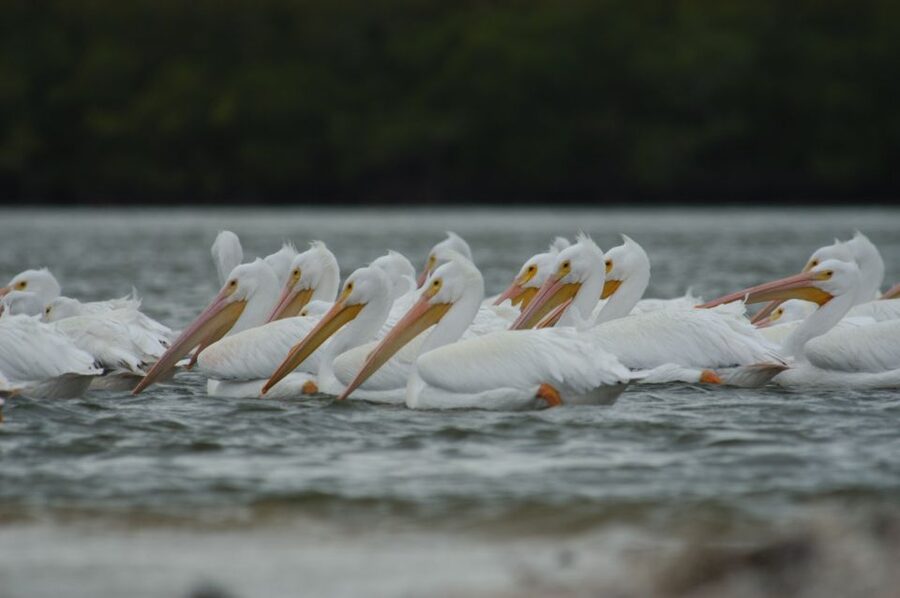
- Small group (6 max) means you can actually aim a camera and talk with the guide without crowding.
- Tripod-ready boat makes big telephoto lenses realistic, not a hassle.
- Two-part experience: a boat run through the 10,000-island ecosystem plus a walk on an uninhabited barrier island.
- Florida-certified Master Naturalist guidance helps you spot birds and understand what you’re seeing.
- Wildlife viewing includes both birds and marine animals, with chances for dolphins, manatees, and sea turtles.
- June to October mornings are recommended due to weather.
Entering the Everglades System From Parkway Marina
Your tour starts at Parkway Marina in Chokoloskee (1180 Chokoloskee Dr, Chokoloskee, FL 34138). Give yourself a little buffer time. Parking is on the right side, restrooms are across from the marina store, and you’ll board about five minutes before departure. Meet the captain down by the docks.
This matters more than you might think. The tour runs for 210 minutes (about 3.5 hours), and the best wildlife moments often happen early. If you’re late, you’re not just missing a few minutes—you’re shortening the time you have on the water where birds and other animals can show up.
The Two-Part Tour: Boat Run First, Barrier Island Walk Second
Think of this as a double shooting session: wildlife at the surface and wildlife on the shore.
Part 1: Gliding Through the 10,000-Island Ecosystem
You’ll take a leisurely boat ride through the Everglades’ 10,000-island ecosystem. The pace is intentionally unhurried, because bird photography rewards patience. As you travel, your guide will keep you oriented to the habitat—mangroves and the coastal ecosystem—and point out what birds are doing in real time.
Expect the tour to focus on spotting a mix of:
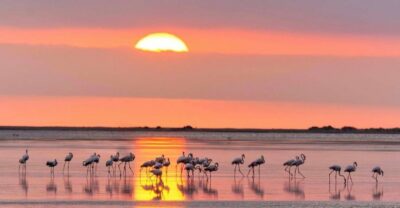
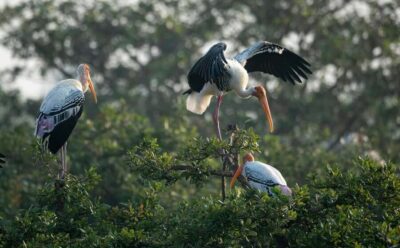
- Roseate spoonbills
- Osprey
- Ibis
- Great blue herons and tri-color herons
- Snowy egrets
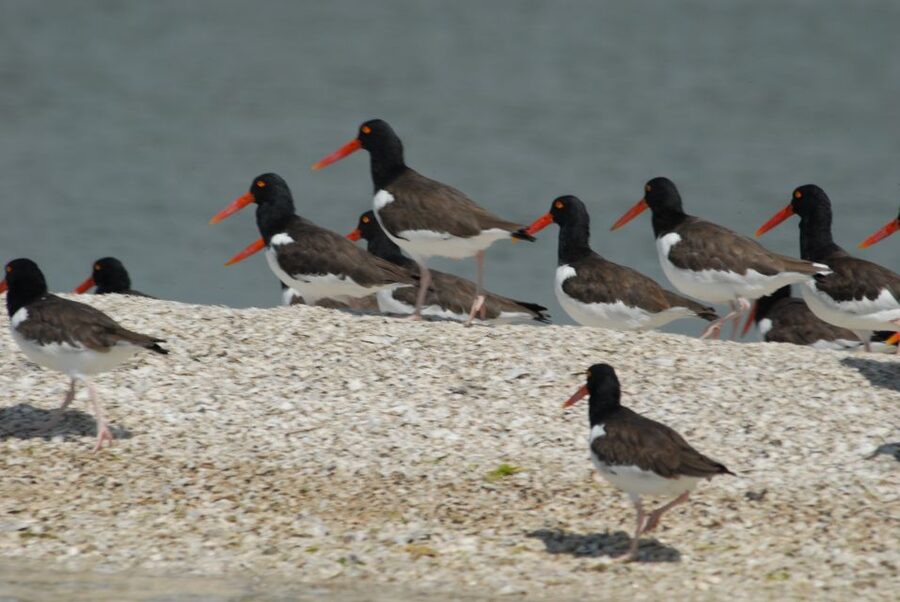
- Shore birds
- Bald eagles (when they’re in the area)
And beyond birds, you might see marine wildlife like dolphins, sea turtles, and manatees, plus other saltwater animals.
A detail I really like here: the boat ride gives you moving viewpoints. Many birds won’t approach a vehicle on land, but they might tolerate a slow, steady boat passing at the right distance.
Part 2: Stepping Off the Boat on an Uninhabited Barrier Island
Then the boat is beached for a walk on an uninhabited barrier island. This is where the tour turns from “watching” into “seeing.” On land, you can notice plants, shoreline conditions, and smaller creatures you might miss from the waterline.
Your Master Naturalist guide leads the stroll and points out additional photo opportunities—often the kind that aren’t obvious until someone shows you what to look for. Past trips also mention people spotting shellfish and traces connected to earlier life on these islands, which fits with what this region is: a place that’s been used by humans for generations, even when the island you visit is uninhabited.
Why the Florida Master Naturalist Matters (Especially for Birding)
You’re not just buying time on a boat. You’re getting interpretation.
This tour includes a Florida Master Naturalist certified by the National Park system and licensed by the US Coast Guard. That credential shows up as practical guidance: you’ll be taught what you’re looking at—why certain birds show up, how to read the habitat, and what clues to watch for when animals are nearby but not obvious.
In real-world terms, that means you spend less time guessing. Instead of pointing at random movements, you learn how to track behaviors: where wading birds feed, how raptors perch, and what the coastline suggests about wildlife activity.
Guides listed in past trips include Dan/Don, plus Seth and Eddie. They’re consistent in how they run the day: respectful of nature, focused on wildlife first, and ready to adjust the pace if you want time for photographs.
Boat Comfort and Photography: Why Tripod Space Changes Everything
If you care about photography, this tour is built for it.
The boat is large and stable—important for two reasons. First, stability means less camera shake. Second, it lets the guide keep you positioned so you can shoot without constantly shifting your stance.
There’s also space for a camera tripod, and the tour is explicitly a good fit for large telephoto lenses. If you’ve ever tried birding from a boat that’s too small or too bouncy, you know the frustration: you either shoot handheld (and hope), or you give up on the shot. Here, you can actually set up and wait.
You can even request slower movement for photography. Past tour experiences describe people asking to go slow to photograph nesting birds, and the guide adjusted to create opportunities like nesting cormorants, great egrets, royal terns, spoonbills, and an assortment of herons.
One practical tip: bring any camera accessories you use to stay steady—monopod heads, lens hoods, and lens cloths. Water and salt air can add glare fast. And because you’ll be scanning and waiting, a lens cover and a simple cleaning routine will save you shots.
Wildlife You Can Aim For (And How to Think About Sightings)
Wildlife sightings aren’t guaranteed, even when conditions are perfect. But you can plan your expectations around the kinds of animals the guide will actively search for.
The tour specifically mentions targets such as:
- Roseate spoonbills, osprey, ibis
- Great blue herons, tri-color herons, snowy egrets
- Shore birds and bald eagles
- Dolphins, sea turtles, manatees
The best mindset for birding is “watch for behavior,” not just appearance. Look for patterns: still water with feeding activity, perched birds that keep scanning, and sudden changes in the water surface that can signal dolphins nearby.
If you want a quick reality check, remember that weather and time of day shift what you’ll see. That’s why the timing advice for warmer months is more than a suggestion.
Timing Matters: June to October Morning Tours
The tour notes that from June through October, morning experiences are recommended due to weather. In plain terms: conditions tend to be more workable earlier in the day, which makes the boat ride more comfortable and can help wildlife remain active.
If you’re choosing between time slots, I’d lean morning during those months. Your eyes will also feel less cooked from sun and heat, and you’ll do a better job tracking birds when you can think clearly.
Bring sun protection either way. It’s Florida. You’ll want a hat, sunscreen, and anything that keeps you comfortable while you’re scanning for movement.
Getting There, Getting Ready, and What to Bring
This is a boat-and-walk format, so pack for both.
What I’d bring
- Sun protection (hat, sunscreen, sunglasses)
- Water and snacks (since food isn’t included)
- Your camera with a lens sized for birds (the tour is a good match for telephoto)
- A tripod if you use one
- Any gear you need to stay dry and comfortable if spray or light rain happens
Dress for the weather. The tour is described as a leisurely ride, but you’ll still be outside for extended periods—first on the water, then walking.
What to expect on the day
You board shortly before departure, then settle into a small-group setup. With only up to 6 passengers, the day typically feels personal: you can ask questions without shouting, and the guide can fine-tune where to look next.
Price and Value: Is $172 Worth It?
At $172 per person for about 3.5 hours, this isn’t a cheap afternoon. But it’s also not built like a mass-market boat ride.
Here’s what you’re paying for, in practical terms:
- A small group (only 6), which improves both wildlife access and photo setup
- A Florida Master Naturalist guide with interpretive focus, not just a driver
- A boat designed for photography, including space for tripods and big telephotos
- A two-part route that includes both water viewing and a walk on an uninhabited barrier island
If you’re the kind of traveler who likes animals in their habitat and you care about capturing them on camera, the value adds up quickly. If you’re only hoping for a few casual photos from your phone, you might find a simpler option cheaper. But for serious birding and wildlife photography, this tour is set up to do the job.
Who This Tour Fits Best (And Who Might Skip It)
This expedition fits best if you:
- Want birding plus marine wildlife sightings in one outing
- Bring a camera seriously, including a tripod and telephoto lens
- Like learning the “why” behind what you see
- Prefer smaller groups and a relaxed pace
It may be less ideal if:
- You need food included as part of the experience (you’ll need to plan snacks and water)
- You’re expecting a guaranteed checklist of specific birds every time (wildlife is wild, even with a good guide)
- You don’t enjoy outdoor time that includes walking on an uninhabited island
Should You Book This Everglades Birding and Photo Expedition?
If your idea of a great day is slow boat travel, wildlife watching, and getting real help spotting birds, I think you’ll feel happy with this booking. The biggest reasons are practical: the tripod-friendly boat, the small group size, and the fact that the day includes both water time and a guided walk on a barrier island.
I’d book it especially if you’re traveling with birding goals or you’re trying to improve your wildlife photography. You’ll spend less time fighting your gear and more time waiting for the moment when the bird finally turns toward you.
Just remember the basics: bring water and sun protection, and show up early enough to settle in before the boat heads out.
FAQ
How long is the Everglades birding and photography expedition?
The tour duration is 210 minutes (about 3.5 hours).
Where is the meeting point and when should I arrive?
You meet at Parkway Marina, 1180 Chokoloskee Dr, Chokoloskee, FL 34138. Plan to arrive 10–15 minutes early, and the group boards about five minutes before departure.
Is a Master Naturalist guide included?
Yes. The tour includes a Florida Master Naturalist certified by the National Park and licensed by the US Coast Guard.
Can I bring a tripod and telephoto lenses?
Yes. The boat is described as having space suitable for a camera tripod and it’s a good platform for large telephoto lenses.
Do you visit an uninhabited barrier island?
Yes. Part of the tour includes beaching the boat and taking a walk on an uninhabited barrier island.
Are food and beverages included?
No. Food and beverages are not included, so you’ll want to plan your own water and snacks.