REVIEW · MADEIRA
Madeira: Birdwatching – The Endemics
Book on GetYourGuide →Operated by Madeira Fauna & Flora · Bookable on GetYourGuide
Madeira birds don’t just look different—they’re from here. On this 4.5-hour endemic-focused birdwatching trip, I love the clear target list (firecrest, laurel pigeon, and Madeiran chaffinch) and the way you’re guided to Important Bird Areas. One thing to keep in mind: birding depends on timing and weather, so if you expect nonstop action, you may feel a lull.
The best part is the setup for real watching, not just sightseeing. You get included observation material, plus a small group capped at 8, so the guide can actually help you scan and identify. There’s also pick-up and drop-off around Funchal and Caniço, which makes it easy to fit into a short stay.
In This Review
- Key Things I’d Watch For on This Tour
- Endemic Birds Are the Point, Not a Side Quest
- Small-Group Comfort and the Alex/Alexandre Factor
- The 4.5-Hour Timing: Why It Works in Madeira
- Price and Value: Is $64 Worth It?
- Funchal Pick-Up Makes the Day Simple
- São Lourenço Peninsula: Coastal Habitats and Serious Bird Scanning
- Laurel Forest Time: When the Laurel Pigeon Is the Prize
- Firecrest and Chaffinch Targets: Small Birds, Big Payoff
- How the Included Observation Material Changes Your Results
- What the Guide Does Between Stops
- Weather and Real Life: Plan for Quiet Moments
- What to Bring (and What You’ll Thank Yourself For Later)
- Who This Tour Fits Best
- Should You Book This Madeira Birdwatching Tour?
- FAQ
- Where is the pick-up point for this tour?
- Do you offer pick-up and drop-off in Caniço?
- What if I’m staying outside Funchal and Caniço?
- How long is the tour?
- How much does the tour cost?
- What languages are the guides?
- Is the group size large?
- Is observation material included?
- What should I bring?
- Are there any rules about alcohol?
Key Things I’d Watch For on This Tour
- Endemic birds as the main mission: Madeiran Firecrest, Laurel Pigeon, and Madeiran Chaffinch are the big names.
- Important Bird Areas (IBAs): you’re not randomly driving; you’re going where birds are more likely.
- Small group size: with up to 8 people, you spend less time squeezed and more time looking.
- Included observation material: it lowers the friction if you don’t bring your own gear.
- A guide who can explain what you’re seeing: guides like Alex and Alexandre are praised for sharing lots of nature details.
- Four and a half hours is the sweet spot: long enough for multiple stops, not so long you burn the day.
Endemic Birds Are the Point, Not a Side Quest
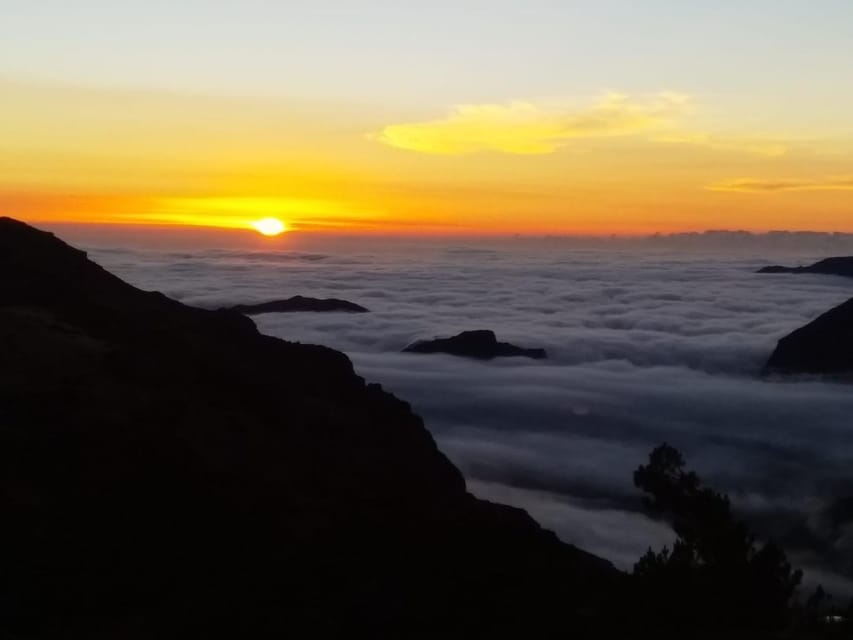
Madeira is famous for plants and scenery, but the real hook here is the birds that live there and nowhere else. This tour is built around that idea: you’re not hopping between viewpoints to tick off generic wildlife. You’re going landward and into key habitats where endemic birds are more likely to show themselves.
The “endemic” focus matters because it changes how you experience the island. You’ll start listening for patterns, not just sighting. The guide helps you connect the dots between habitat (coastal scrub versus forest) and the types of birds you’re trying to find.
I also like that the tour keeps expectations grounded. You’re going to Important Bird Areas, but you’re still doing birdwatching—nature decides how the day plays out.
Small-Group Comfort and the Alex/Alexandre Factor
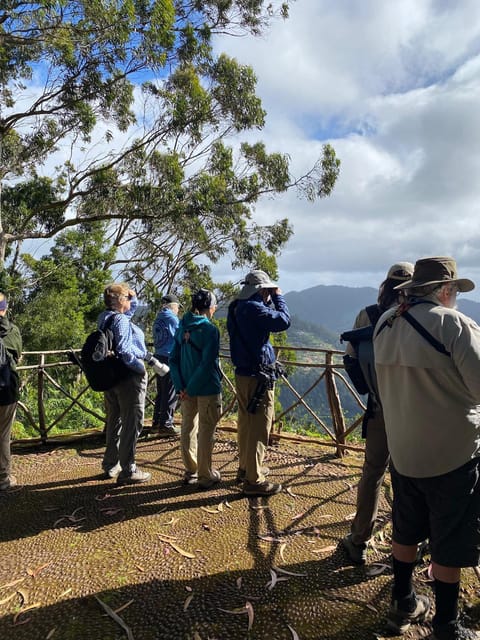
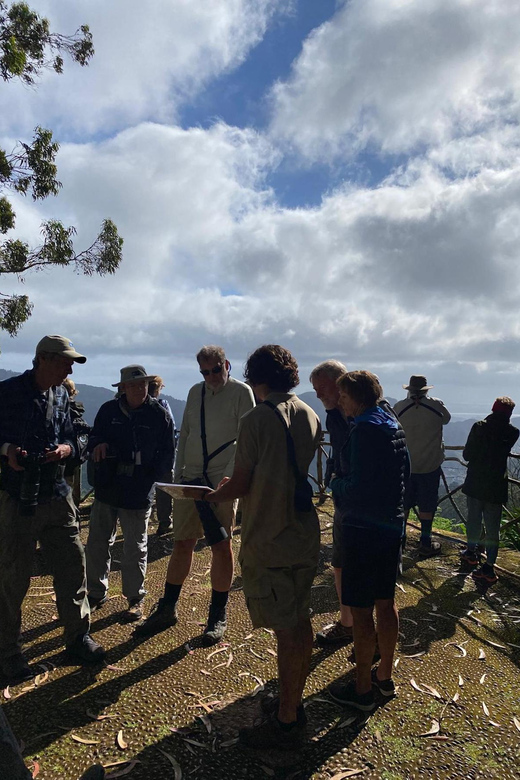
This is a small group tour limited to 8 participants. That’s not just a nice detail. In birdwatching, spacing and quiet matter. A smaller group means fewer people blocking sightlines, and it’s easier for the guide to check in with everyone as they scan.
You’ll have a live guide in English or Portuguese. Reviews specifically highlight guides Alex and Alexandre, with both praised for being very good at spotting and explaining what you’re seeing. One review also mentioned that the guide took time to talk about birds and plants while driving—useful, because it turns the transfer time into part of the experience rather than dead time.
The 4.5-Hour Timing: Why It Works in Madeira
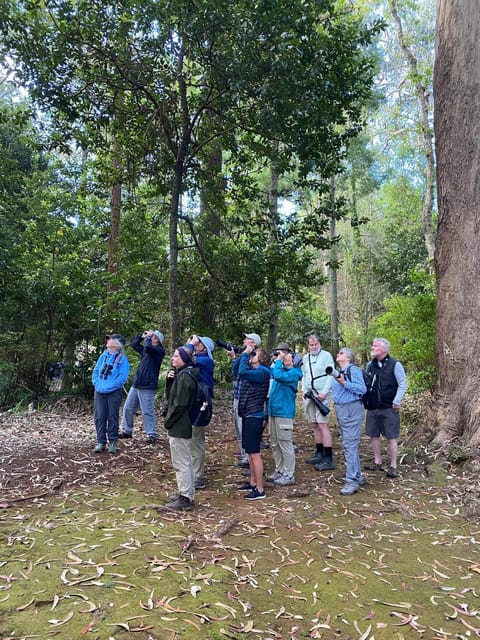
4.5 hours can sound short, but for birdwatching on an island like Madeira, it’s a smart length. It’s long enough to reach multiple birding spots and still have time for sitting and watching. It’s also short enough that you’re not stuck all day if weather closes in.
The route is paced with “walk through or sit and watch” moments. That mix is important. A walk helps you cover ground and check different microhabitats. Sitting helps you catch the birds that don’t care you’ve arrived—they just keep moving slowly through the same area.
Price and Value: Is $64 Worth It?
At $64 per person for about 4.5 hours with a live guide, observation material included, and pick-up/drop-off in Funchal and Caniço, the value largely comes down to one thing: how much you’ll benefit from targeted birding.
If you’re the type who will use binoculars and learn IDs—then the included observation gear and the guide’s attention to endemic species can make the price feel fair. You’re paying for focused effort: the right habitats, the right scanning approach, and the guide’s help separating similar-looking birds.
If your main goal is guaranteed big sightings, no tour can promise that. One guest felt it was expensive for what they saw, and that’s the risk you accept with birdwatching anywhere: birds move, weather changes, and sometimes you spend more time hearing than seeing.
Funchal Pick-Up Makes the Day Simple
You start in Funchal and end back there. That’s practical. It means you can plan around the tour without needing a complicated self-transfer schedule.
The tour also offers pick-up and drop-off within Funchal and Caniço. If you’re staying outside those areas, you’ll need to contact the operator to ask about alternative locations. This is worth checking early, because it affects how smoothly the day starts and ends.
São Lourenço Peninsula: Coastal Habitats and Serious Bird Scanning
One of the key Important Bird Areas included is the São Lourenço peninsula. This area matters because coastal and cliffside habitats on Madeira can concentrate birds in specific zones—so your best chances come from going to the right ground, then watching carefully.
On peninsulas like this, birdwatching often turns into a slow rhythm:
- scan for motion first
- then confirm with binoculars
- finally, listen for calls if visibility is tricky
Even if you don’t spot a target bird instantly, this stop helps you “read” the habitat. You’ll start noticing where birds tend to appear relative to cover, slopes, and open ground.
Laurel Forest Time: When the Laurel Pigeon Is the Prize
Another highlight area is the laurel forest, which is exactly where you’d expect to find species tied to Madeira’s wetter, older woodland environment. This is the habitat connected with the Laurel Pigeon, a famous and elusive endemic.
The laurel pigeon angle is important because it tells you what kind of day you’re having. Forest birdwatching often rewards patience more than fast movement. You might spend more time standing quietly, scanning gaps between leaves and listening for sounds that give away where a bird might be.
The tour’s format—some walking, some sitting—fits this. Laurel forest birding usually isn’t a “power-walk and spot everything” situation. It’s more about staying put long enough for birds to act normally.
Firecrest and Chaffinch Targets: Small Birds, Big Payoff
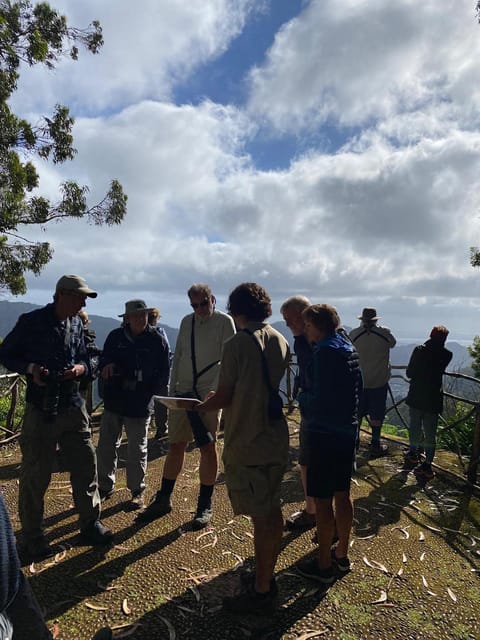
Madeira’s endemics don’t always announce themselves loudly. The tour is aimed at:
- Madeiran Firecrest
- Madeiran Chaffinch
- Laurel Pigeon
In the field, these birds can be tricky simply because they’re small and often active. Firecrest in particular is known for being energetic—so the best strategy is quick scanning and steady re-checking of the same zones rather than sprinting between locations.
One review mentioned a spot with many firecrests during a walk along a levada with lots of flowers. Even if your day doesn’t match that exact intensity, it’s a good sign of what the guide looks for: productive microhabitats where endemics are feeding or moving.
Another review highlighted additional endemics besides the main list—like a Maderian bluefinch and trocaz pigeons on separate stops. That’s a reminder that once you’re in the right places, the bird list can expand beyond the headline species.
How the Included Observation Material Changes Your Results
A lot of bird tours include a “look harder” lecture. This one includes observation material, which helps you actually see what the guide is pointing out.
If you don’t have binoculars, that inclusion is a real value boost. Even with binoculars, it can still help because everyone gets set up for similar viewing, so you spend less time asking how to adjust gear and more time tracking birds.
Practical tip: keep your observation time efficient. Don’t hold binoculars at your feet and hope the bird comes to you. Bring them up, scan in short passes, and re-check. That’s where an attentive guide really earns their keep.
What the Guide Does Between Stops
The tours aren’t just “arrive, scan, leave.” Guides like Alex and Alexandre are praised for being strong explainers—covering birds and plants, and sharing nature context while driving.
That matters for two reasons:
- you understand what habitat you’re in, so your scanning makes more sense
- you learn to spot patterns rather than relying on luck
Even if you only catch glimpses, you’ll leave with more than a list of names. You’ll have a better sense of why those species fit those places.
Weather and Real Life: Plan for Quiet Moments
Birdwatching isn’t all action. Some days are weather-fighting days, and one review noted that conditions weren’t great but the guide made it worthwhile anyway.
If clouds roll in or wind picks up, you may see fewer birds. That doesn’t automatically mean the day is wasted. It just means you shift from “spotting” to “tracking”—listening for calls, watching feeding behavior, and scanning longer for movement.
So go in with a flexible mindset. If you treat this as learning how to watch, the experience can still feel rewarding even when sightings aren’t constant.
What to Bring (and What You’ll Thank Yourself For Later)
Bring:
- comfortable shoes (you may walk through areas)
- water
- comfortable clothes
- clothes that can get dirty
- closed-toe shoes
Also remember that you’re in outdoor habitats that can be uneven. Footwear matters more than style.
Not allowed: alcohol and drugs. This helps keep things calm in quiet bird areas.
Not suitable for children under 5. If you’re traveling with little kids, choose a different Madeira activity that doesn’t rely on patient, low-noise watching.
Who This Tour Fits Best
This tour is a great fit if you:
- want Madeira endemics as the main goal, not a random bonus
- enjoy patient looking—scanning, listening, and comparing
- want a guide to help with identification and habitat understanding
- like small-group tours where you can actually see what’s happening
It’s also a good choice for a first birdwatching day on Madeira. You’re guided to multiple key zones in just 4.5 hours, and the included observation gear reduces barriers.
If you’re the type who needs a nonstop spectacle—this may feel slower. The experience is about watching, not flashing lights and guaranteed sightings.
Should You Book This Madeira Birdwatching Tour?
I’d book it if you’re serious about endemic birds and you’ll use the guide’s help. The combination of Important Bird Areas, a small group, and included observation material is where the value lives.
You should think twice if you’re mainly chasing quantity of birds or if you’re very sensitive to slow, quiet stretches. Birdwatching is weather-dependent, and sometimes the best sign is learning the habitat and waiting for the right moment.
If you want a focused, nature-first experience on Madeira that’s more than just a drive around, this is a strong bet.
FAQ
Where is the pick-up point for this tour?
Pick-up is in Funchal.
Do you offer pick-up and drop-off in Caniço?
Yes. Pick-up and drop-off are available within the Funchal and Caniço areas.
What if I’m staying outside Funchal and Caniço?
Transfers outside those areas require contacting the provider to ask about possible alternative pick-up/drop-off locations.
How long is the tour?
The duration is 4.5 hours.
How much does the tour cost?
The price is $64 per person.
What languages are the guides?
The live tour guide offers English and Portuguese.
Is the group size large?
No. It’s a small group limited to 8 participants.
Is observation material included?
Yes. Observation material is included for everyone.
What should I bring?
Bring comfortable shoes, water, comfortable clothes, clothes that can get dirty, and closed-toe shoes.
Are there any rules about alcohol?
Alcohol and drugs are not allowed.