REVIEW · MARRAKESH
Marrakech: Ait Mizzan Valley Birdwatching Tour with Guide
Book on GetYourGuide →Operated by Atlas destination · Bookable on GetYourGuide
Birds, valleys, and Berber trails in one day. In Morocco’s Ait Mizzan Valley, you’re not just chasing a checklist—you’re walking where birds actually live, surrounded by High Atlas scenery and village life. With a local guide (often Houssain) leading the way, the day mixes real wildlife time with Berber hospitality.
I like how the tour is built for both birders and casual nature lovers. You get guided birdwatching plus quiet trail time, not a rushed drive-by. I also like the balance with Asni, where the included lunch and village moments slow the pace.
One thing to plan for: routes and timing can shift after bad weather. If the area has been hit by heavy flooding, you may take a different path, so wear weather-ready shoes and stay flexible.
In This Review
- Key highlights worth your attention
- Why Ait Mizzan Valley works so well for birding
- Marrakech pickup and the Atlas Mountains photo stops
- The Asni area: the heart of the day
- Walking trails, river edges, and adaptable routes
- Bird species you can realistically hope to see
- Asni lunch: where the food and wildlife timing meet
- What to bring (and what to skip)
- Pace, group feel, and who this suits best
- Price and value: is $90 for 7 hours fair?
- Practical tips to make your day smoother
- Should you book the Ait Mizzan Valley birdwatching tour?
- FAQ
- How long is the Marrakech Ait Mizzan Valley birdwatching tour?
- How much does the tour cost?
- Where do you meet in Marrakech?
- What languages is the live guide available in?
- What’s included in the price?
- Do I need to bring birdwatching equipment?
- Is the tour suitable for beginners?
- Is there free cancellation?
- Is the tour wheelchair accessible?
Key highlights worth your attention
- Local guide routes that only make sense on foot: you’re guided to spots people use, not just roadside stops.
- Birdwatching in a High Atlas valley: expect a mix of small birds and larger birds along the valley edges.
- Asni village time with included lunch: Berber food is part of the day, not an afterthought.
- A flexible walking pace: you can choose how much walking you do.
- Photo stops built into the trip: you’re not waiting around the whole time.
- You must bring your own optics: binoculars and camera gear aren’t included.
Why Ait Mizzan Valley works so well for birding
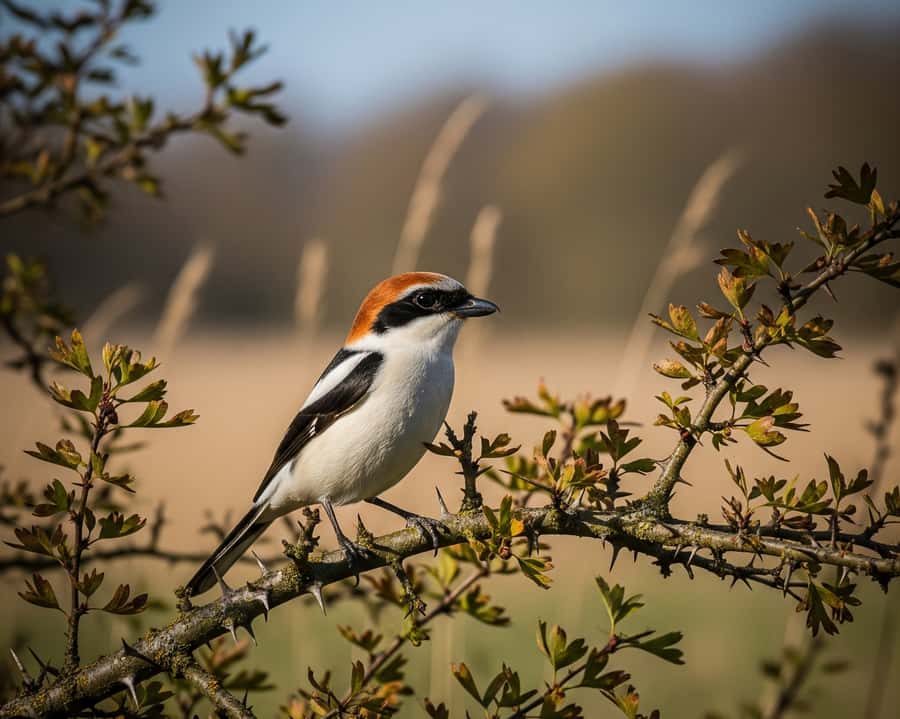
The Ait Mizzan Valley is the kind of place where birds show up because the habitat makes sense. You’re in the High Atlas region, walking valley paths and getting time at viewpoints and river-adjacent areas. That matters, because birds often feed and perch in predictable spots—especially along water and field edges.
What I like most is that the day isn’t only about spotting. The guided walks are also your “reading time” for the landscape: you learn where to look, how to scan, and when to pause. That’s a skill you can use after the tour too, even if you never see the exact species you hoped for.
Marrakech pickup and the Atlas Mountains photo stops
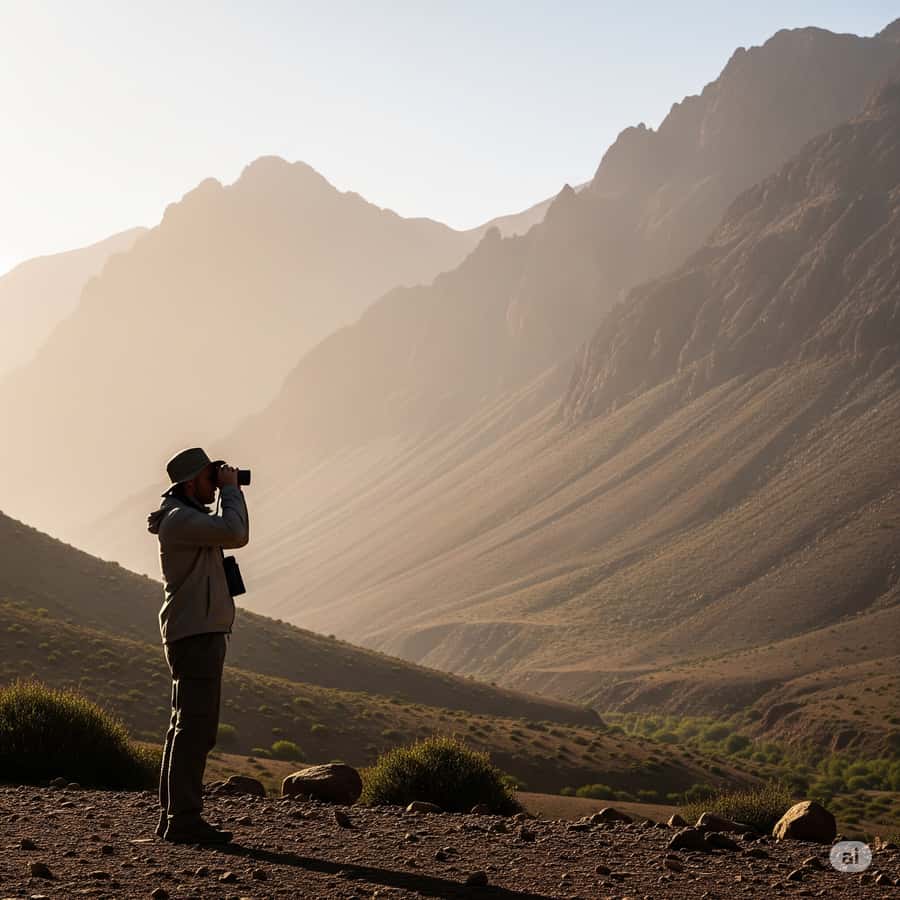
You start in central Marrakech, with Hôtel Tazi listed as the meeting point and Café Iceberg as the start of the day. Once you’re settled, the route begins heading toward the Atlas Mountains with a break that includes a photo stop and a short visit.
This first driving segment is more than a commute. It gives you time to get oriented, stretch your legs, and start spotting early in the day. You’ll also have another short photo stop later on the way, so the day has multiple “look-out” moments before you commit to the main walk in Asni.
A practical note: the whole experience runs for about 7 hours, so that means the timing is usually tight but not hectic. If you’re the type who likes to linger, plan on doing it during the trail time, not during transfers.
The Asni area: the heart of the day
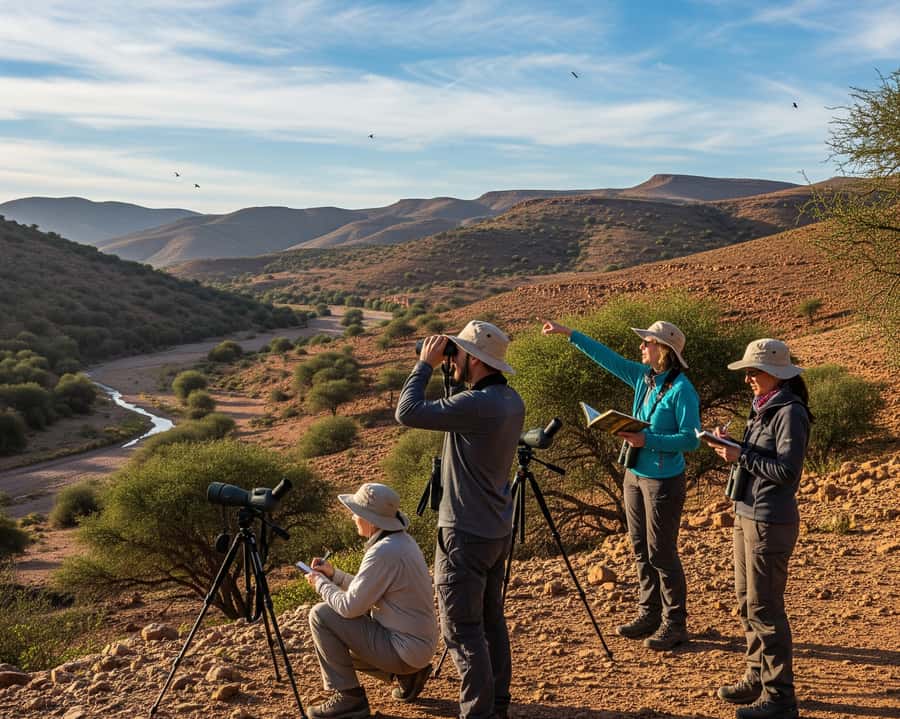
Asni is about an hour from Marrakech, and it’s where the experience shifts from travel mode to walk mode. After arriving, you get village time plus the lunch break, then a guided tour and a walk/hike section that lasts around 3 hours.
In Asni, the tour’s focus changes slightly. You’re still birdwatching, but you also get a feel for how people use the valley—paths, riverside areas, and small local areas that don’t exist on a typical big-tour route. That blend is exactly why this works for photographers: your best shots come from slow attention, not frantic movement.
The guide’s role is big here. One booking highlighted that Houssain is a friendly local who knows where to go and can adjust how much walking you do. If you want a lighter pace, you can aim for fewer trail loops and still get good wildlife time.
Walking trails, river edges, and adaptable routes
The “quiet trails” part of this tour is real. You spend meaningful time on foot, scanning as you go rather than stopping every few minutes. That approach tends to produce better bird sightings because you’re moving at the speed birds tolerate and humans can actually observe.
River edges are mentioned in the experience feedback, and that’s a smart birding zone. Water pulls in birds for drinking and hunting, and it also creates insect activity that small birds follow. For this reason, you should treat footwear as a birdwatching tool, not just comfort gear.
And yes, conditions can change. One person’s day was affected by heavy flooding that limited the route, and the guide adapted. So even if you plan to follow the schedule closely, keep your brain in “flex mode.” Birding often rewards patience more than perfection.
Bird species you can realistically hope to see
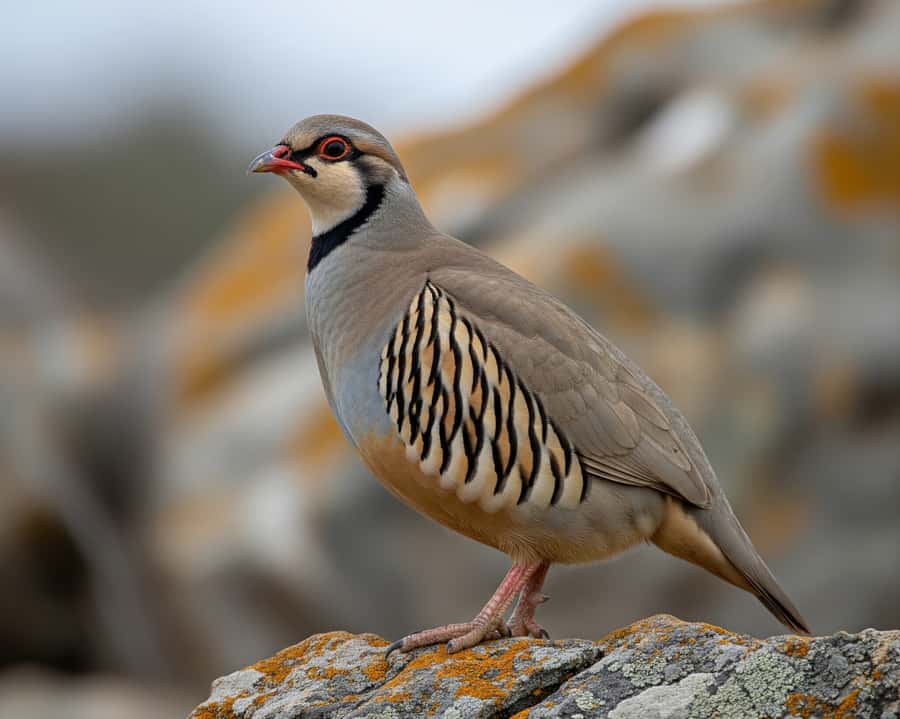
The tour doesn’t promise one exact species, but the examples given point to what’s possible in the valley. Expect a good shot at seeing small passerines as well as birds that stand out because of size and behavior.
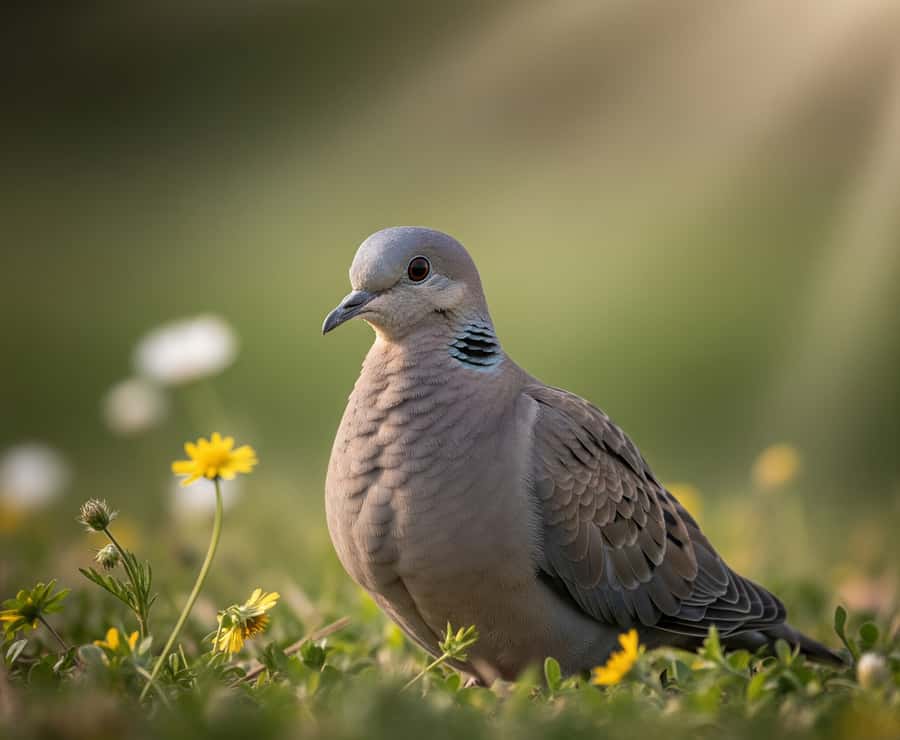
From the documented sightings, you might encounter woodpeckers, African blue tits, and African chaffinches. There’s also mention of a rare-looking leucistic chaffinch, which shows how birdwatching here can turn into a true “wait, what is that?” moment.
Bigger birds can also show up during breaks and tea time—cattle egrets and storks were specifically noted. If you’re into “bigger silhouettes in the scope,” scan for movement in open fields and near water, not only in trees.
If you’re thinking alpine raptors: the tour description points to that wider range. In practice, you’ll get the best results by trusting the guide’s scanning rhythm and letting him or her work the valley’s sightlines.
Asni lunch: where the food and wildlife timing meet
Lunch is included, and it’s tied to the Asni portion of the day. Depending on the day and the local setup, lunch may be served in a Berber village setting and could include tagine-style cooking. One highlight from feedback was a traditional taggine at the guide’s house, which is a nice reminder that “included lunch” here is not the usual forgettable box meal.
If you care about timing, this part of the day is useful. Food gives you a reset, then you head back out with your eyes fresh. For birdwatching, that matters. Fatigue changes how quickly you spot motion, and the valley rewards clean attention.
One more small but important point: tea culture is part of the experience. Mint tea showed up as a lovely finish during an extra wildlife watching moment, with egrets and storks seen while sipping.
What to bring (and what to skip)
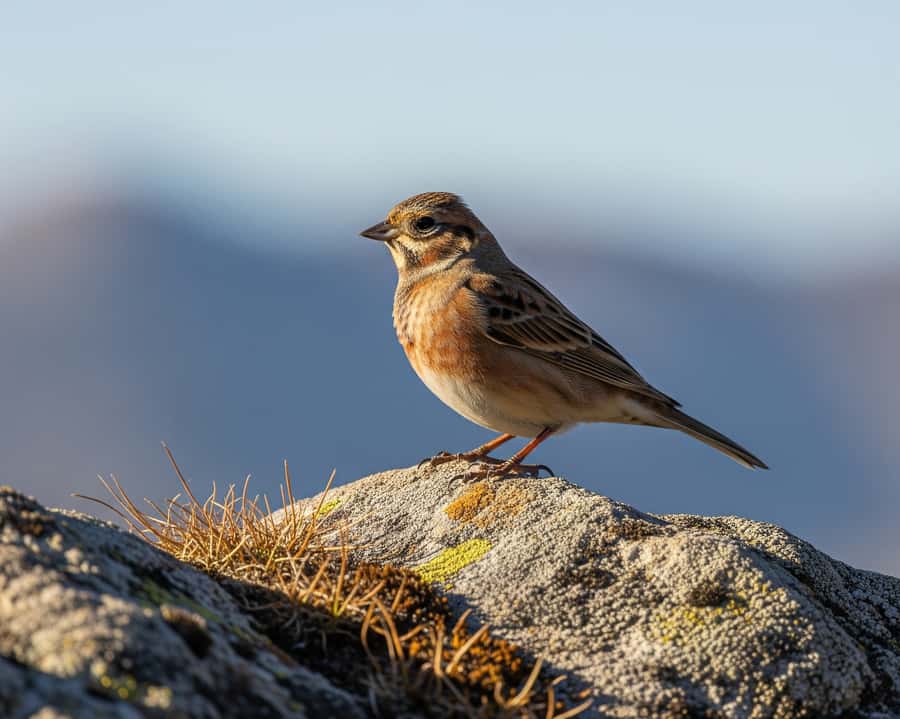
This is one of those tours where the “not included” list actually helps you prepare. Binoculars and your camera gear are on you. Tripods aren’t mentioned as included, and since you’re walking, you’ll probably want something manageable.
Bring:
- Comfortable shoes with good grip (and consider waterproof if you expect wet ground)
- Binoculars if you have them
- A camera you can use quickly while standing or walking
- Weather-appropriate clothing
Also note the rule list: drinks and alcohol aren’t allowed during the experience. That means you should plan around the provided break and lunch rather than expecting to pack in your own beverages. If you need a medical accommodation for water, ask ahead of time.
Pace, group feel, and who this suits best
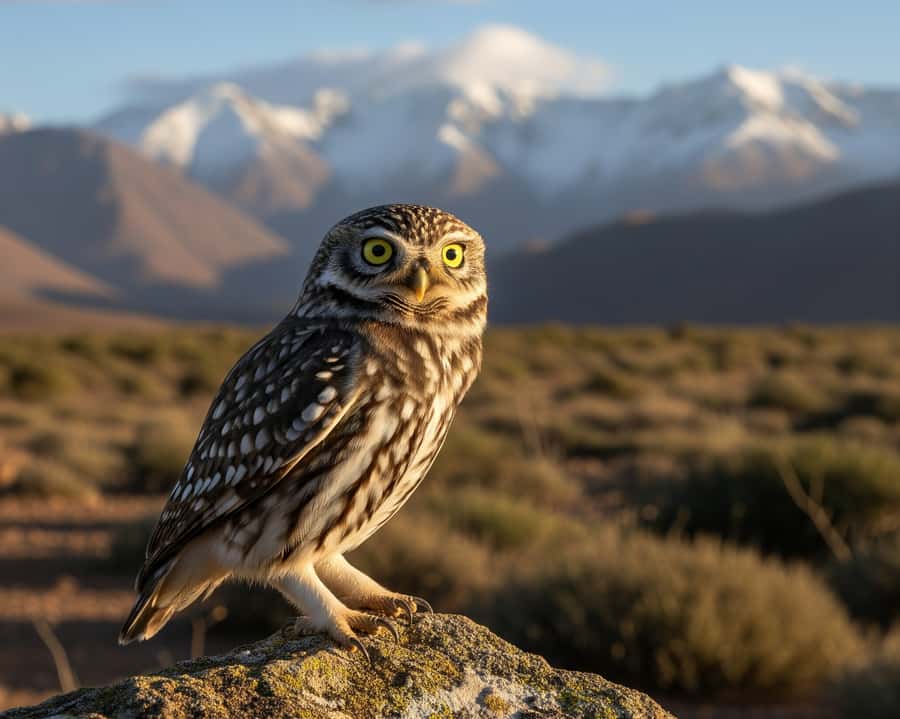
This is designed for all birdwatching levels, from beginners to more serious watchers. That’s good news if you don’t know bird calls yet. You’ll still learn how to look—what to scan first, how to interpret movement, and when to pause.
The walking portion can be adjusted. One booking noted you can choose how much walking you want, and that’s a big factor for comfort. If you’re active, you’ll likely enjoy the hike segment and viewpoints. If you’re more cautious, aim to keep most time on the easier trail edges and focus your birdwatching there.
It’s not suitable for wheelchair users. If mobility is limited, check with the operator about alternatives, because the day includes a hike portion.
Price and value: is $90 for 7 hours fair?
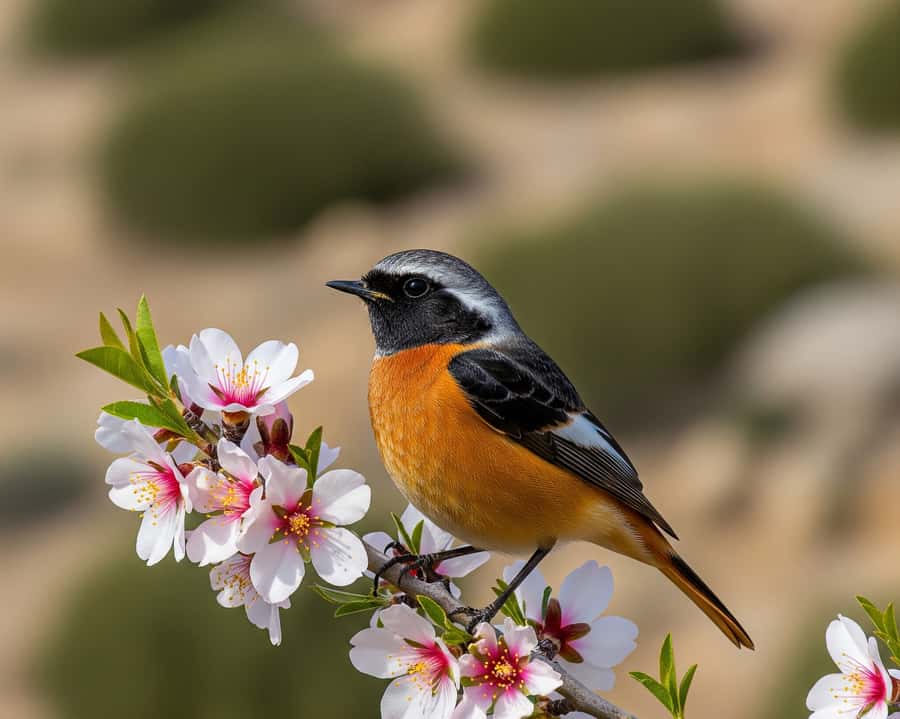
At $90 per person for about 7 hours, the value hinges on what’s included and what you’re getting beyond the birds. You get a local guide, transport from and back to Marrakech, time on quiet trails, Berber village exploration, and lunch.
That matters because birdwatching isn’t always about “going somewhere.” The real cost is a guide who knows where to stand and how to keep the day flowing. Add lunch and transport, and this starts to look less like a simple excursion and more like a guided half-day plan with real context.
What’s not included is also clear: binoculars and cameras gear are not provided. So if you’re traveling light and don’t own binoculars, you’ll either need to rent locally or borrow. That one practical detail can change the value for you.
Practical tips to make your day smoother
A few small things can seriously improve your experience in a mountain valley.
First, protect your feet. Multiple mentions pointed toward strong walking shoes, and waterproof boots were recommended for time near the river. If you get wet feet, your birding focus drops fast.
Second, plan your camera workflow. You’ll likely go from walking to stopping to scanning. Keep your settings simple, and be ready to shoot without unpacking your whole system.
Third, let the guide lead the rhythm. The tour works because you follow the local logic for where birds appear and where paths make sense. Your job is to pause, scan, and be patient when birds don’t show themselves right away.
Should you book the Ait Mizzan Valley birdwatching tour?
Book it if you want a day that mixes birdwatching with actual village life, plus a local guide who helps you find the right areas. It’s also a good pick if you want a guided walk that you can pace to your comfort level, and you like the idea of included lunch in Asni instead of a quick snack stop.
Skip it if you need fully predictable routes with no walking variability, or if mobility makes hikes hard. Also, if you don’t have binoculars and you can’t borrow or rent them, you may feel like you’re missing part of the point.
If you’re comfortable with a day outdoors in the High Atlas and you enjoy slow, attentive looking, this is a strong value way to see birds and get beyond the usual Marrakech sightseeing bubble.
FAQ
How long is the Marrakech Ait Mizzan Valley birdwatching tour?
The tour lasts about 7 hours.
How much does the tour cost?
It costs $90 per person.
Where do you meet in Marrakech?
The meeting point is Hôtel Tazi (79 Pass. Prince Moulay Rachid, Marrakech 40000). The tour start location is listed as Café Iceberg.
What languages is the live guide available in?
The guide is available in English and French.
What’s included in the price?
Included are the guided birdwatching tour, an experienced local guide, exploration of quiet trails, a visit to traditional Berber villages, lunch, and transport from and back to Marrakech.
Do I need to bring birdwatching equipment?
Yes. Binoculars and birdwatching equipment (like cameras) are not included, so bring your own for the best experience.
Is the tour suitable for beginners?
Yes. It’s suitable for all levels of birdwatching experience.
Is there free cancellation?
Yes. You can cancel up to 24 hours in advance for a full refund.
Is the tour wheelchair accessible?
No. It is not suitable for wheelchair users.