REVIEW · PLAYA DEL CARMEN
Riviera Maya: Puerto Morelos 4-Hour Bird Watching Tour
Book on GetYourGuide →Operated by EcoColors Tours · Bookable on GetYourGuide
One of the easiest ways to spot rare birds is at sunrise. This Puerto Morelos bird watching trip pairs an active jungle hike with a naturalist’s eyes for the small stuff—calls, feeding behavior, and the habitat details that actually explain what you’re seeing.
I like the way this tour is built around migratory birds passing through the Yucatán Peninsula twice a year. You’re not just walking in the woods; you’re timing your outing to the birds’ long Gulf-crossing journey and catching them at a rest stop near Puerto Morelos. And I also love the private-group feel, with a bilingual guide (biologist or naturalist) who works hard to rack up real sightings.
The main drawback to consider is that this isn’t a casual stroll. You’ll hike about 4 hours, and the tour isn’t suitable for wheelchair users, so you’ll want sturdy shoes and a clear plan for insect repellent and sun protection.
In This Review
- Key things that make this tour worth it
- Why Puerto Morelos jungle birding hits at the right moment
- The 6-hour schedule: early pickup, a long hike, then time to refuel
- Reaching the jungle: why the air-conditioned ride matters more than you think
- Botanical Gardens and the migratory-bird first stop concept
- The 4-hour jungle hike: how guides turn walking into bird-finding
- Species you can realistically hope to see: tucans, jays, and the life-list moments
- Breakfast and the fruit snack break: keep energy up without losing momentum
- Price and logistics: what $690 per group up to 2 actually buys
- Who should book this, and who should skip it
- Practical tips that make the jungle day smoother
- Should you book the Riviera Maya Puerto Morelos bird watching tour?
- FAQ
- How long is the bird watching tour?
- What time is pickup, and where does it start?
- What’s the main birding setting?
- What birds does the tour highlight?
- What’s included in the price?
- Is this tour wheelchair accessible?
Key things that make this tour worth it
- Mornings when birds are most active: pickup is timed to reach the sites early, often right around sunrise hours
- A naturalist guide who calls birds in the field: you get habitat context, not just names
- Migratory-bird timing: the Yucatán is described as a first stop on a route crossing roughly 800–1,000 km over the Gulf
- Private group style up to 2 people: less waiting around, more focused attention on your sightings
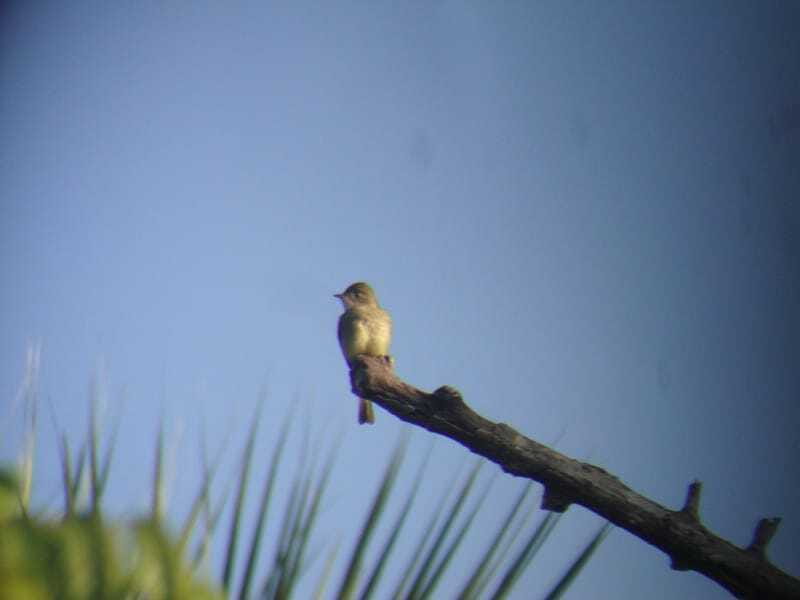
- Real jungle birding goals: the tour highlights flycatchers, toucans, and green jays, with lots of other species possible
- Conservation tied to the price: part of profits supports projects protecting Mayan culture and promoting sustainable eco tourism
Why Puerto Morelos jungle birding hits at the right moment
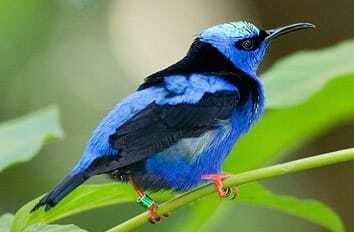
If you like birds, you already know the secret: time matters. Early light turns the jungle into a different place—birds feed, sing, and move more often, and you can spot flashes of color before the sun gets too high. This tour leans into that rhythm with a very early hotel pickup.
I also like that the tour frames the Yucatán ecosystem as more than scenery. The naturalist guide helps connect bird behavior to the habitat—where fruit and insects are available, how birds use edges and canopy openings, and what you should listen for when the birds stay quiet. That makes the day feel useful even if you’re not chasing a strict lifetime list.
Then there’s the migratory angle. The tour explains that migratory birds can be seen in Mexico twice a year as they avoid northern winters and cross the Gulf of Mexico. The Yucatán Peninsula is presented as a first stop for their route toward Central America. That context helps you understand why Puerto Morelos can be such a strong birding area.
You can also read our reviews of more tours and experiences in Playa Del Carmen.
The 6-hour schedule: early pickup, a long hike, then time to refuel
This is a 6-hour day with a big chunk of walking: about 4 hours on the ground birding.
Here’s how the timing plays out in real life:
- Morning pickup from hotels
- Cancun and many Riviera Maya locations: around 06:00
- Tulum: around 07:00
- Transfer by comfortable air-conditioned vehicle to Puerto Morelos (about 1 hour)
- Hike and guided birding in Puerto Morelos (about 4 hours)
- Break time and breakfast/snack (about 45 minutes)
- Return transfer (about 1 hour)
- Drop-off in Cancun, Riviera Maya, or Tulum
The practical value of this structure is simple: you’re spending daylight where it counts. The drive doesn’t eat the whole morning, and the birding block is long enough for the guide to work the calls, edges, and habitat changes rather than rushing.
The flip side is also practical. Four hours of hiking means you should treat this like an active tour, not a sightseeing bus ride with occasional stops.
Reaching the jungle: why the air-conditioned ride matters more than you think
You’re picked up in Cancun, Playa del Carmen, Riviera Maya, and Tulum, then transferred in an air-conditioned van. That doesn’t sound romantic, but it matters when you’re leaving before sunrise and when humidity can build fast.
You’ll also arrive with the day’s first fuel. One of the standout details from real guide-run days: you often start with coffee and snacks, not just water. The tour includes fruit, and the overall pacing tends to keep you from feeling flat right in the middle of the morning.
If you get motion-sick easily, this kind of short, controlled transfer is usually manageable. The route is timed to get you to Puerto Morelos efficiently so you can focus on the jungle rather than the logistics.
Botanical Gardens and the migratory-bird first stop concept
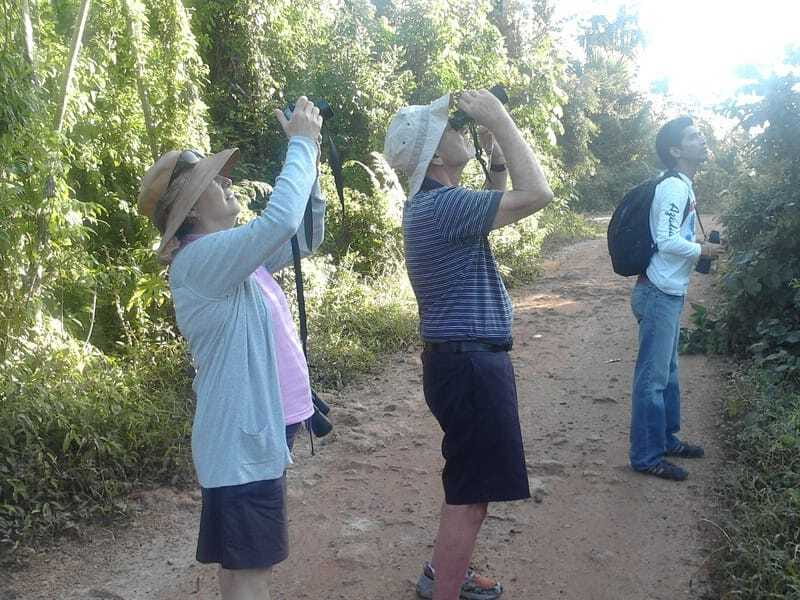
The birding happens around Puerto Morelos, including the Botanical Gardens of Puerto Morelos as a key setting. This is one of those places where the habitat is varied enough to attract different feeding styles—fruit-eaters, insect catchers, and birds that move with mixed flocks.
The migratory-bird message is important here. The tour explains that as birds escape cold northern winters, they cross the Gulf and the Yucatán Peninsula becomes a first stop on the route to Central America. That means your birding window is aimed at the birds when they’re resting and feeding rather than only traveling nonstop.
What you’re likely doing, in plain terms:
- scanning movement where birds land to feed
- watching how birds react to calls
- paying attention to the canopy and edges where you’d expect different species to show up
- listening for calls that a guide can identify quickly
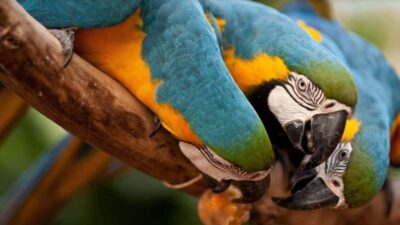
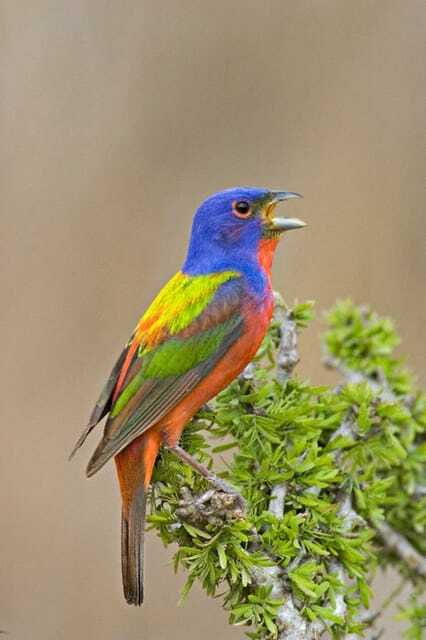
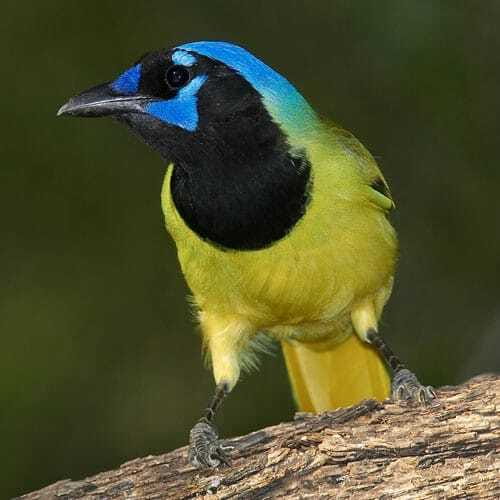
The tour highlights colorful possibilities like flycatchers, tucans, and green jays. In real guided outings, you may also run into birds like motmots, trogons, parrots, and hummingbirds depending on the day.
The 4-hour jungle hike: how guides turn walking into bird-finding
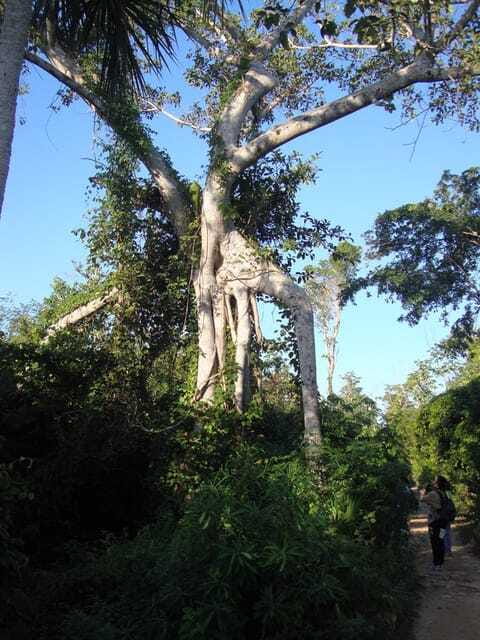
This is the heart of the experience: about 4 hours of guided hiking through jungle areas near Puerto Morelos. The guides are bilingual and work like field interpreters. They don’t just hand you a list—they point out what the birds are doing and how the ecosystem explains it.
I love how many guides in this region focus on quick identification. Names you might hear on the day include naturalist guides like Eduardo, Dante, Antonio, Hernan, and Jugo, with drivers like Mario, Armando, Edgar, Lugo, Jose, or others. Even without memorizing names, you’ll likely feel the difference between someone who can read bird calls and someone who’s simply spotting color.
A few things that tend to make the hike feel effective:
- You often get to bird where birds are feeding, not only where they might be
- The guide uses calls to narrow down what you’re hearing and seeing
- The pace leaves room to stop, look up, and watch rather than constantly moving forward
One more note: the tour includes equipment. You’ll still benefit from bringing your own binoculars and camera if you have them, but the provided gear helps you get started without scrambling.
Species you can realistically hope to see: tucans, jays, and the life-list moments
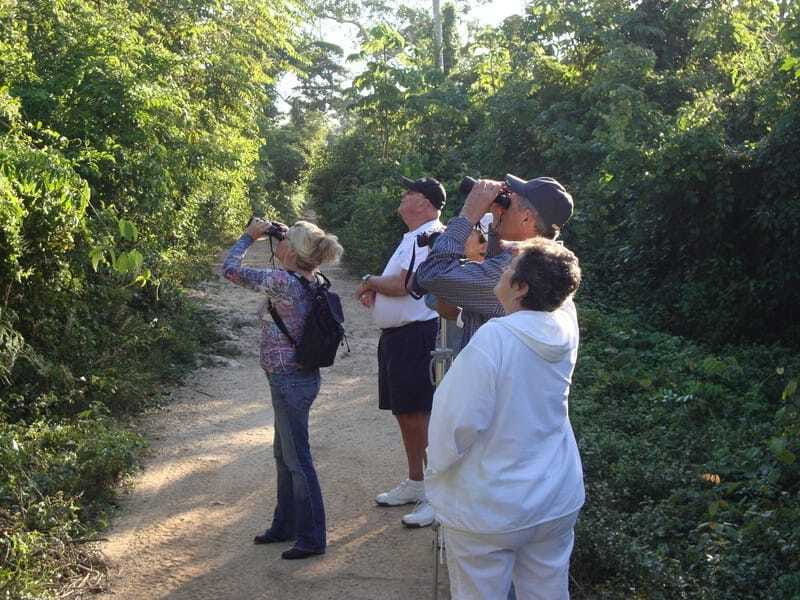
Birding days can’t promise exact species. But this tour gives you a strong shot at a mix of tropical and migratory birds in a short time.
From the tour highlights and guide-led sightings, here’s the kind of mix you’re looking for:
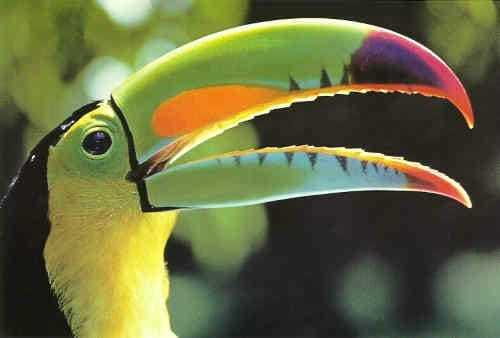
- Tucans (including reports of toucan species like keel-billed toucan in past outings)
- Flycatchers (often colorful and visible during active feeding periods)
- Green jays (as a highlighted possibility)
- Motmots (some days include species like turquoise-browed motmot)
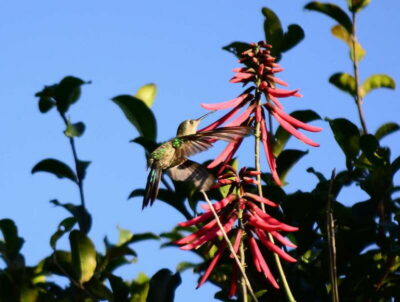
- Hummingbirds (multiple hummingbird sightings are described in guided trips)
- Jays and orioles (including sightings of several oriole types)
- Owls (some past tours report ferruginous pygmy owl sightings)
The big “why this matters” angle: a strong birding guide can make the difference between seeing one or two birds well and stacking many sightings in a morning. Several guide-led days in this style report turning up high single-day numbers of species, including lifetime additions.
So even if you’re not a hardcore birder, you’ll likely come away with:
- birds you’ve never seen before
- a better sense of what to look for in this jungle
- photos you’ll actually be proud of
And if you are a serious birder, you’ll appreciate that the route and timing are designed for efficient spotting rather than spending days chasing a single target.
Breakfast and the fruit snack break: keep energy up without losing momentum
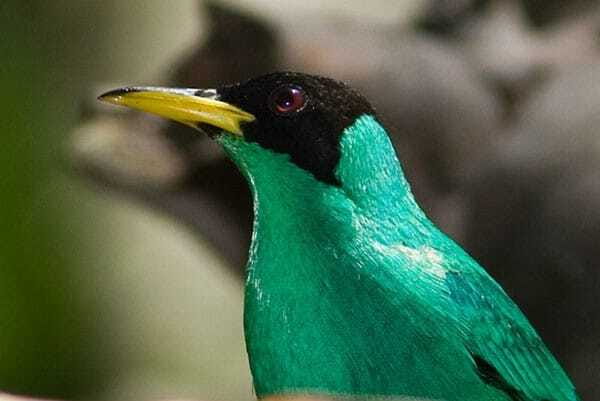
You get a 45-minute break time with breakfast. The tour includes a snack (fruits), and some guide teams also include small extras like coffee to make the early start easier.
This matters because four hours of jungle walking can drain you quickly. You want your legs working and your eyes sharp. A real break also gives you a chance to review what you saw—birds you might want to photograph again, calls you want to match to a sighting, and species you can ask about with fresh questions.
Some days also include time for a local food stop afterward. That’s not part of the core birding block, but it’s consistent with how these excursions often end: you get through the sightings, then you finish with something good and local.
Price and logistics: what $690 per group up to 2 actually buys
Let’s talk value, because this isn’t a $30 add-on tour.
At $690 per group up to 2, you’re paying for a private morning with:
- air-conditioned transportation from hotels
- a bilingual biologist or naturalist guide
- entrance fees
- fruit snack and breakfast/break time
- equipment
That cost can feel steep if you’re traveling solo. But if you’re going as a pair, the per-person math becomes much more reasonable.
What I think you’re really buying is time and attention:
- private-group pace (less waiting, more stops when birds appear)
- a guide who helps you identify and understand what you’re seeing
- fewer logistical headaches than DIY birding
- a morning plan that’s built for bird activity
Also, the tour describes profit support for projects that protect Mayan culture and promote sustainable eco tourism. That’s not something you can quantify on a receipt, but it adds a moral weight to the trip. You’re paying for birding plus a conservation-minded approach.
Who should book this, and who should skip it
This tour is a great fit if you:
- want an efficient way to bird the region around Puerto Morelos without driving all day
- enjoy learning bird names and behaviors, not only collecting photos
- like morning adventures and can handle a few hours of walking
- travel as a small group (since it’s private up to 2)
You might want to skip or reconsider if:
- you don’t enjoy hiking or you can’t comfortably walk for about 4 hours
- you need wheelchair accessibility (the tour is not suitable for wheelchair users)
- you’re only interested in a very short stop rather than a full birding session
There’s also a reality check for birding: sightings depend on conditions, season, and bird movement. Even with a skilled guide, you’re not guaranteed specific species every time.
Practical tips that make the jungle day smoother
The tour is straightforward about what to bring, and following it makes a big difference:
- comfortable shoes for jungle walking
- sun hat, sunglasses, and eco sun block
- insect repellent
- camera (and binoculars if you have them)
- long sleeves and long cotton pants
- an impermeable jacket if weather turns
Also, note the rules: no smoking.
If you want better photos, wear clothing that doesn’t restrict your arm movement when you raise your camera. Birding often means lots of quick shooting as the birds pop up.
Should you book the Riviera Maya Puerto Morelos bird watching tour?
Book it if you want a morning that’s part wildlife mission and part nature education, with a bilingual naturalist guide and a hike long enough to actually matter. The timing, the jungle setting, and the migratory-bird focus make it feel like you’re in the right place at the right time rather than just hoping for luck.
Skip it if hiking for 4 hours sounds like punishment or if you’re looking for a low-effort tour. And if budget is tight, remember that the price works best when you can share it as a pair.
If you’re the kind of traveler who likes to return from a trip with new bird calls in your head, this is a strong choice from Cancun, Playa del Carmen, or Tulum.
FAQ
How long is the bird watching tour?
The total experience runs about 6 hours. You’ll spend around 4 hours hiking and birding, with a break time and breakfast/snack period of about 45 minutes.
What time is pickup, and where does it start?
Pickup is included from hotels in Cancun and along the Riviera Maya at about 06:00. For hotels in Tulum, pickup is about 07:00.
What’s the main birding setting?
Birding centers around Puerto Morelos, including time at the Botanical Gardens of Puerto Morelos and a jungle hike area nearby.
What birds does the tour highlight?
The tour highlights colorful flycatchers, tucans, and green jays, with other species also possible depending on the day.
What’s included in the price?
Included are transportation by air-conditioned vehicle, a bilingual biologist or naturalist guide, entrance fees, a fruit snack, and equipment.
Is this tour wheelchair accessible?
No. The tour is not suitable for wheelchair users.