REVIEW · BALI
Bali: Countryside Bird Watching Tour with Hotel Transfer
Book on GetYourGuide →Operated by Trip Gotik - Bali Tours · Bookable on GetYourGuide
Bird calls in Ubud start fast. This 5-hour Bali countryside bird-watching walk takes you through rice terraces and village paths, then lands at prime bird zones like Petulu Village and Tjampuhan Ridge.
Two things I really like: you get real birding tools (binoculars and a telescope), and you’re led by a guide who can spot birds from far off and ID them by sound. One catch to keep in mind: sightings depend on the day’s weather and timing, so you’ll want to plan for a good chance at birds, not a guaranteed checklist.
In This Review
- Key Things You’ll Love on This Bali Bird Tour
- Ubud Countryside Birding: Why Rice Fields and Ridge Views Work
- Pickup, Timing, and the 5-Hour Pace (Without Feeling Rushed)
- Rice Terrace Walk: The Kingfisher and Heron “Scanning Route”
- Petulu Village: Heron Watching Where the Trees Do the Work
- Tjampuhan Ridge: The Best Place to Watch Without Chasing
- What Birds You Can Realistically Expect (And What You Can’t)
- The Guide Difference: Why Spotting by Sound Matters
- Customizing With Add-Ons: Coffee, Massage, and Bird Focus
- What to Bring: Your Comfort Kit for Dawn Sun and Mud
- Price and Value: Is $48 Worth It?
- Should You Book This Bali Countryside Bird Watching Tour?
- FAQ
- How long is the Bali countryside bird watching tour?
- Is hotel pickup and drop-off included?
- What size is the group?
- What language is the live guide?
- What’s included in the price?
- Are meals included?
- What birds might I see on this tour?
- What should I bring?
- Can I use flash photography?
- Who shouldn’t book this tour?
Key Things You’ll Love on This Bali Bird Tour
- Expert spotting from a distance makes small birds and shy herons way easier to find
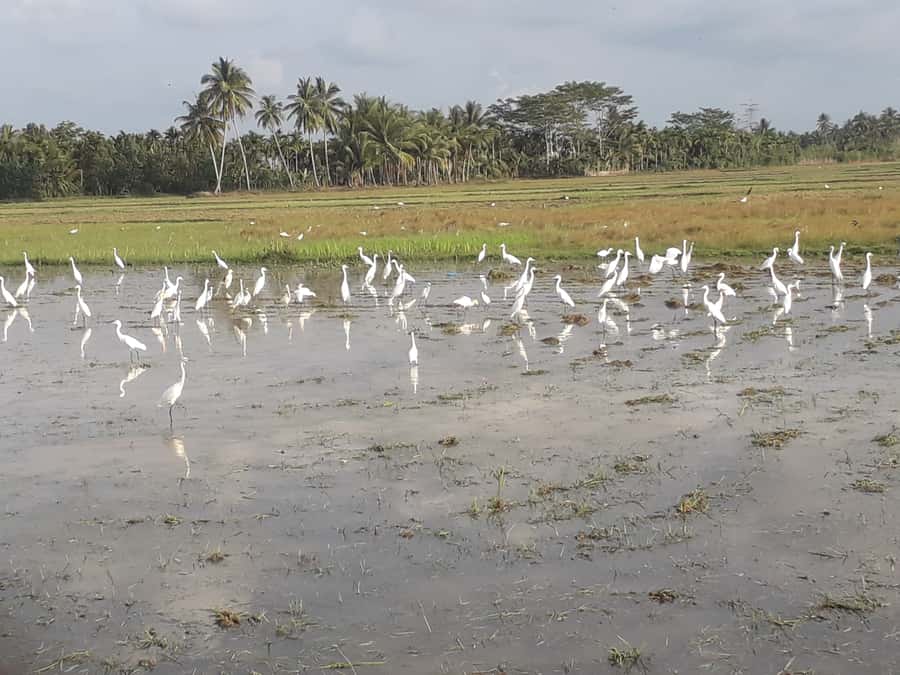
- Petulu Village is built for heron viewing, including white-plumed herons and Java pond herons
- Tjampuhan Ridge adds that open-view, “wait and listen” birdwatching feel
- All the practical bird gear comes with you: binoculars, telescope, and mineral water
- Small group size (max 10) keeps the walk calm and the guide’s attention focused
- Customize with add-ons like coffee tasting or a traditional massage if you want extra time off-bird
Ubud Countryside Birding: Why Rice Fields and Ridge Views Work
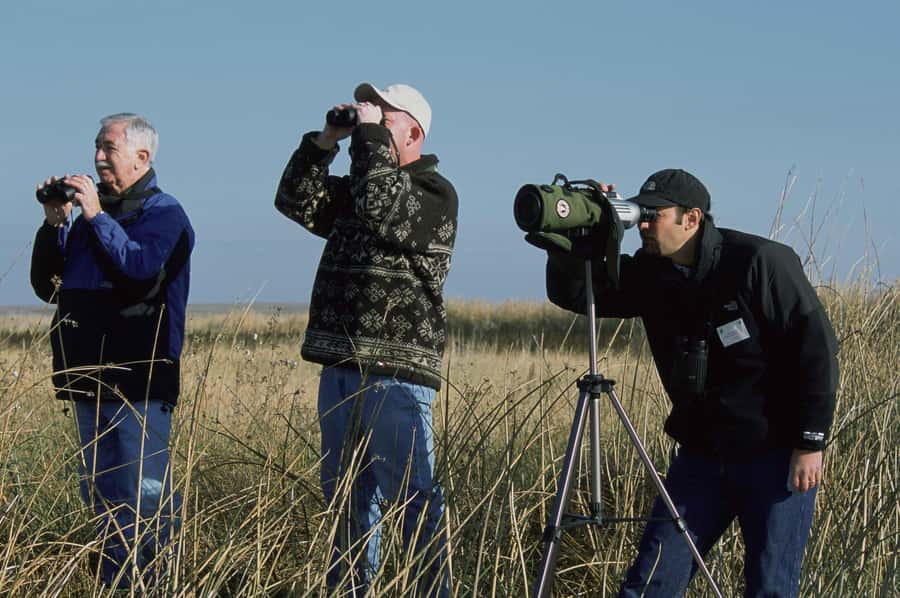
This tour makes smart use of Ubud’s natural “bird plumbing.” You’re moving through rice-terrace countryside, village trails, and viewpoints where birds feed, call, and hop between cover. That mix matters, because in birding, one habitat can’t do the job for every species.
Expect a lot of “slow walking with quick scanning.” The best moments tend to happen when you pause. A guide watches for movement in hedges and along water edges, then waits for the call to line up with what’s in front of you. On this kind of route, your job is mostly to be patient, quiet, and ready with your camera.
Also, this is outdoors walking on natural paths. You’ll be on inclines and uneven ground, and some areas can get muddy or slippery after rain. If you’re low on fitness or have mobility limits, you’ll feel it.
You can also read our reviews of more tours and experiences in Bali.

Pickup, Timing, and the 5-Hour Pace (Without Feeling Rushed)
The day runs about 5 hours, and it’s designed as a morning or late-day style outing (bird activity is typically best early or late). You’ll get hotel pickup and drop-off, and you should be ready in the lobby about 5 minutes before the start time.
Small group format helps here. With a maximum of 10 participants, the guide can keep an eye on spacing, slow the group when a bird pops up, and not lose anyone in thick greenery. The transport is also a plus, since a high share of past travelers rated it a perfect score.
Meals aren’t included, so plan around that. Bring water habits from home: take sips during pauses, not only while walking, since you’ll be outside in sun-and-shade patterns.
Rice Terrace Walk: The Kingfisher and Heron “Scanning Route”
The first big idea is simple: start in the Ubud countryside where birds commute through rice fields and tree edges. As you walk the terrace paths, you’re looking for flashes near water and for still shapes that move only when you stop.
This is where your included tools help a lot. Binoculars let you read the bird details you’ll miss with the naked eye, and the telescope can help when you’re at a distance and the bird refuses to come closer. If you’re already into photography, this part of the walk is also useful practice—focus on getting clean shots during the short “appears then disappears” moments.
What you might hear and see here includes common Bali species mentioned for the region, like Javan pond herons in wet areas and kingfishers darting near water. One thing I appreciate about this style of tour is that it’s not just sight-based. Birding by sound is real, and guides on this route often use calls to locate birds that blend in.
One more tip: wear neutral colors. You don’t have to dress like a monk, but you do want to avoid loud patterns that can distract birds. And keep noise low. If you chat through every pause, you’ll miss the quiet parts where birds decide to show themselves.
Petulu Village: Heron Watching Where the Trees Do the Work
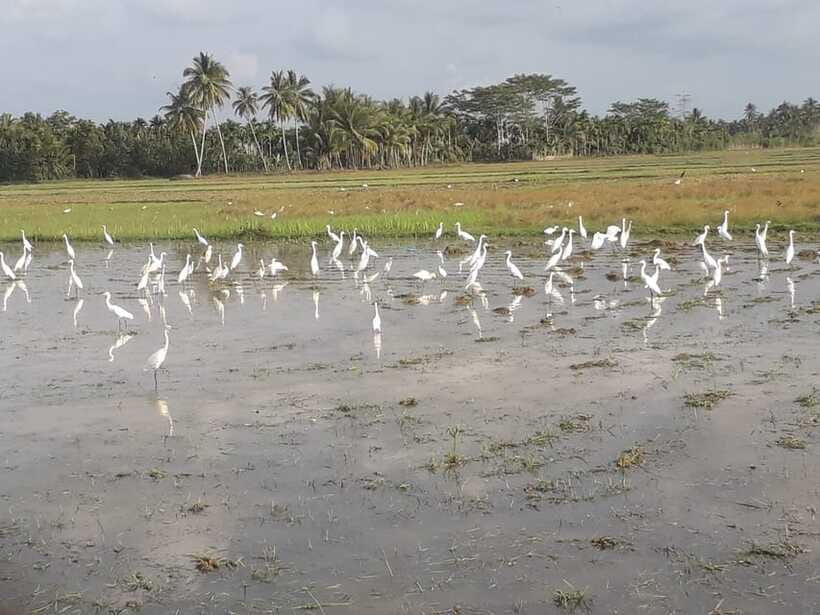
Petulu Village is the star stop for heron and pond-bird energy. This area is known for white-plumed herons and Java pond herons, and it’s also a place where you can see birds gathering in noticeable numbers.
In past visits, the most memorable scenes included groups nesting on trees—think flocks and that sense of watching a living schedule of birds waking up and settling in. Even if the numbers aren’t huge every day, the setting is right for viewing: birds use the same pathways and perches again and again.
How the viewing usually feels: you’ll arrive, listen, scan tree lines and open sight angles, then wait. The “wait” is not wasted time. Birds often call first, then move. If your guide points out a call, take a second to find it in your mind before you look; it makes your scan more efficient.
Bring your camera, but skip flash. Flash can scare birds and ruin the calm viewing vibe. Instead, use steady support when possible (a comfortable stance, elbows tucked) and shoot during those short moments when the bird turns to your side.
Tjampuhan Ridge: The Best Place to Watch Without Chasing
Tjampuhan Ridge adds a different birding mood: more open views and more of that “stand still and read the air” style. Ridges can be excellent for seeing birds moving along tree lines and for hearing calls carry farther.
This stop is also a good reminder that birding is timing. If you’re lucky with light and wind direction, you’ll get better visibility and birds that are more active. If weather shifts, you may need to work harder at spotting movement instead of expecting quick success.
If you’re the type who hates waiting, this stop can still work—because it’s less about chasing and more about scanning with purpose. I like doing ridge birding after you’ve already found a few birds on the countryside walk; it gets your “pattern recognition” going, so you notice wing flicks and call changes faster.
What Birds You Can Realistically Expect (And What You Can’t)
You shouldn’t treat this as a guaranteed species hunt. Weather, season, and time of day all shape what shows up. Still, the tour is built around birds that match Bali’s rice fields, wetlands, and tree canopies.
Here are species specifically mentioned as possibilities in the region and on this kind of route:
- Javan pond heron (Javan heron): sleek heron presence in wetlands and rice fields
- Black-naped oriole: yellow plumage with black markings, often in canopy movement
- White-headed munia: small finch with a white head/chest in grassy open areas
- Yellow-vented bulbul: cheerful songs and yellow underparts with a black crown
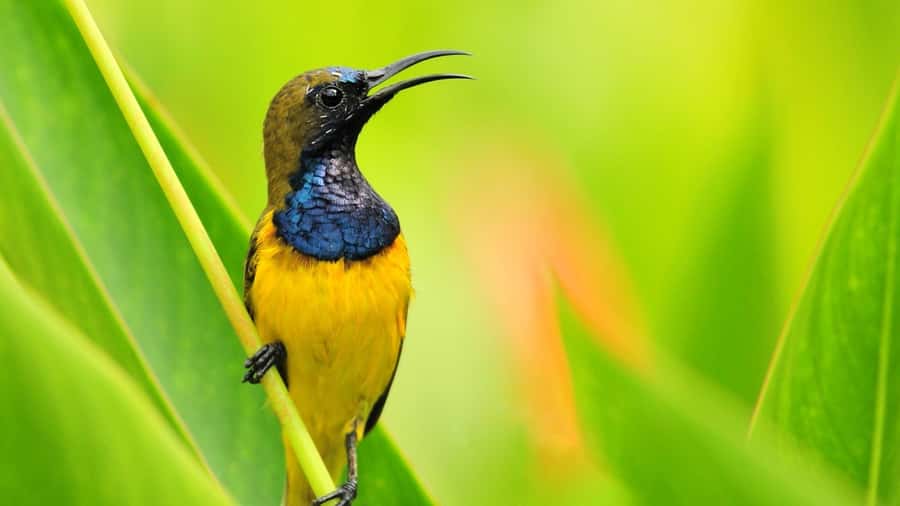
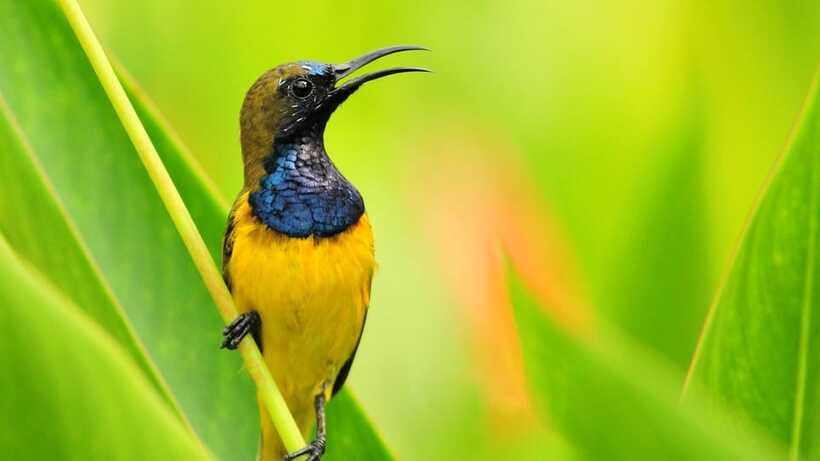
- Olive-backed sunbird: bright flashes around flowers, with a long curved bill
And in practice, guides often help visitors log more than just the “scheduled hits.” A number of experiences included kingfishers, eegrets, herons, and even other wildlife like lizards and insects along the way. Sometimes owls get mentioned as possibilities in the broader description for the region, though you should treat that as a chance, not a promise.
The best mindset: aim for a great morning outdoors, then enjoy the bird bonus when it arrives.
The Guide Difference: Why Spotting by Sound Matters
The guide is the main reason this tour feels “better than just walking.” I’ve seen how much difference a strong guide can make when birds are distant or hidden. One name that came up repeatedly in strong feedback is Agung—praised for spotting birds from far distances and recognizing bird calls. That call recognition is big, especially for beginners who don’t know what they’re listening for yet.
Other guides also earned high marks. Andre was described as friendly and engaging, helping with birdwatching plus extra surprises. Suker was noted for arranging the day around better timing, being patient, and adapting when weather changed. Dwipa got credit for finding specific kingfisher locations and also sharing Balinese living and temple context.
Here’s what that means for you: you’re not just getting a route. You’re getting help translating bird behavior into something you can actually see and learn. If you want to improve fast, you’ll like that kind of mentoring, and you’ll likely leave with a list of birds seen or heard and the confidence to identify more than you could on your own.
Customizing With Add-Ons: Coffee, Massage, and Bird Focus
The experience can be customized with optional add-ons. Based on what’s listed, you might see options like coffee tasting or a traditional massage. Some add-ons are only available for certain tour options, so it’s worth checking what’s offered for your specific departure.
Here’s my practical take: if you’re chasing maximum bird time, keep add-ons minimal or skip them. A few past experiences mentioned that a coffee stop felt more commercial than bird-centered. Even if you enjoy local coffee, you might prefer that time to go toward the ridge or a second look at Petulu when birds are active.
Massage can be a nice reset after outdoor walking. Coffee tasting can be fun if you’re already relaxed and happy to trade a little bird time for a cultural break. The key is matching the add-on to your goal.
What to Bring: Your Comfort Kit for Dawn Sun and Mud
This tour is physical in a quiet way. You’re on countryside paths, and the terrain can include inclines and uneven ground. Some sections may be muddy or slippery after rain, so your shoes matter.
Bring:
- Comfortable shoes with grip
- Sun hat, sunscreen, and sunglasses
- Camera
- Insect repellent (mosquitos are possible around dawn and dusk)
- Binoculars if you have them (though binoculars and a telescope are included)
Neutral clothing is smart for both comfort and wildlife behavior. And one small note that affects bird results: keep noise down. The birds aren’t impressed by loud enthusiasm, even if you are.
Also, pets aren’t allowed, and alcohol and drugs aren’t part of the plan. That keeps the walk calm and family-friendly in vibe.
Price and Value: Is $48 Worth It?
At $48 per person for about 5 hours, this has decent value if you care about birds and don’t want to organize logistics yourself. What helps the price:
- An experienced guide
- Hotel pickup and drop-off
- Binoculars and a telescope
- Entry tickets and donation
- Mineral water
Not included: meals and optional add-ons. That’s normal for a half-day outing, but you should budget for it.
The best value angle is the guide + equipment combo. Without binoculars, distant kingfishers and herons can turn into vague shapes. With the equipment and call-based spotting, the tour becomes more than a walk in scenery.
If you’re an advanced birder who knows species down to habits and habitats, you might want to set expectations. A couple of experiences suggested the guide’s birding depth can vary by day and by guide. Most people will still get a solid, enjoyable bird-focused outing—just don’t expect a rare-species guarantee.
Should You Book This Bali Countryside Bird Watching Tour?
Book it if you want a calm, nature-focused half day around Ubud that actually uses the right bird zones: rice countryside, Petulu Village, and Tjampuhan Ridge. If you’re new to birding, the guide support (especially call recognition) can speed up your learning fast.
Skip it if you have limited mobility, hate uneven ground, or need a strict checklist of rare birds at all costs. Also be honest with yourself about what you want most: birds only, or birds plus culture and add-ons.
If you go in ready to walk a bit, keep quiet, and enjoy the waiting game, this tour is a very good way to see Bali’s birdlife without spending a full day on it. And in a place like Ubud, that’s a smart use of time.
FAQ
How long is the Bali countryside bird watching tour?
The tour lasts 5 hours.
Is hotel pickup and drop-off included?
Yes. Hotel pickup and drop-off are included.
What size is the group?
The group is small, limited to 10 participants.
What language is the live guide?
The live tour guide is English.
What’s included in the price?
Inclusions cover an experienced guide, entry tickets (including entry ticket and donation), binoculars and a telescope, hotel pickup/drop-off, and mineral water.
Are meals included?
No. Meals are not included.
What birds might I see on this tour?
You can look for species mentioned in the tour description such as Javan pond heron, black-naped oriole, white-headed munia, yellow-vented bulbul, and olive-backed sunbird. Bird sightings depend on season, weather, and time of day.
What should I bring?
Wear comfortable shoes and bring sunglasses, a sun hat, sunscreen, and a camera. Even though binoculars are provided, bringing yours can be helpful. Also bring insect repellent.
Can I use flash photography?
Photography is welcome, but avoid using flash, since it can scare birds.
Who shouldn’t book this tour?
It’s not suitable for pregnant women, and it’s not recommended for people with significant mobility issues, including wheelchair users. The terrain includes inclines and uneven ground.