REVIEW · NIDA
Nida: Bird-Watching Adventure in Nemunas Delta
Book on GetYourGuide →Operated by GRESA laivai · Bookable on GetYourGuide
Birds here don’t wait for you. This Nemunas Delta boat outing is a hands-on way to see birds in action, not just at a distance, with a guide who explains what you’re seeing as you move across the waterways.
I love the mix of boat time and purposeful stops. You cross the Curonian Lagoon, reach Ventė Cape Ornithological Station, and then keep scanning for birds around the quieter wetlands and channels.
One possible drawback: the high-speed ride can feel bumpy if the sea is a bit unsteady, so plan for motion if you’re sensitive.
In This Review
- Key highlights at a glance
- Three Hours of Bird Watching, Not a Long Lecture
- The Value of the $412 Price for a Group (Up to 8)
- Nida Departure: Meet at the Port, Then Head for the Wetlands
- Crossing the Curonian Lagoon to Ventė Cape Station
- Ventė Cape Ornithological Station: Where Ringing Might Happen
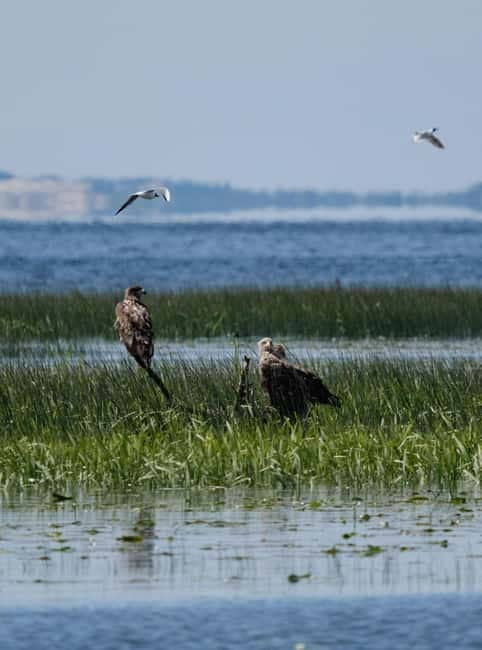
- What You’ll Likely Spot: Cormorants, Herons, Storks, Sea Eagles
- Mingė Village and the Venice of Lithuania Moment
- Uostadvaris Lighthouse: Panoramas That Help You Scan Smarter
- How the Guide Makes This Worth It (Especially If You Like Questions)
- Tips So You Don’t Miss the Best Bird-Spotting Moments
- Who This Tour Is Perfect For (And Who Might Want Something Else)
- Should You Book Nida: Bird-Watching Adventure in Nemunas Delta?
- FAQ
- How long is the bird-watching tour?
- Where do I meet the group?
- What does the tour include?
- Is bird ringing guaranteed?
- What birds might I see?
- What languages are available for the live guide?
- Is pickup from Klaipėda included?
- What should I bring for bird-watching?
- Is the boat ride likely to be rough?
Key highlights at a glance
- Ventė Cape Ornithological Station with bird migration context and the chance of seeing ringing
- Cormorant colony viewing plus herons, storks, and (sometimes) sea eagles
- Uostadvaris Lighthouse panoramas over the wetlands for bird-spotting and photos
- A local, private-style experience run by GRESA laivai from Nida
- Mingė Village passed on the waterway-side route, known as the Venice of Lithuania
Three Hours of Bird Watching, Not a Long Lecture
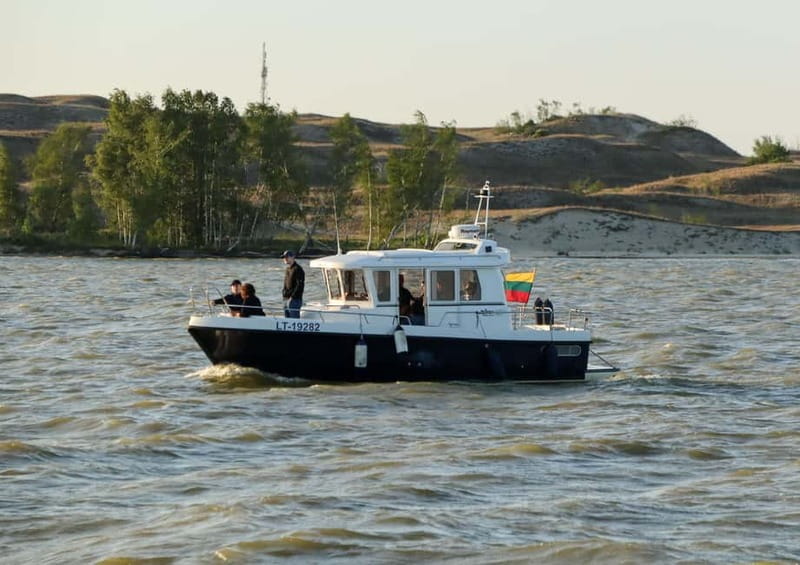
If you like birds, you’ll probably enjoy this. If you don’t know much about birds, you’ll still enjoy it—because the guide ties every sighting to real behavior and real migration routes. The trip is built around movement: you’re on a fast boat, then you slow down at places where birds are actively using the habitat.
This is a private group experience (up to 8 people), which matters more than it sounds. Your guide can respond to what your group cares about—staying bird-focused the whole time or adjusting toward nearby culture if that’s your vibe.
The format also keeps it from dragging. At about 3 hours, you get a full arc: travel out, bird study at the station and around the delta waters, then a scenic lighthouse stop before returning to Nida.
The Value of the $412 Price for a Group (Up to 8)
The price is $412 per group up to 8. That’s the kind of pricing that can be either a bargain or a splurge, depending on who you travel with.
Here’s the practical math. If you come as a couple, you’re paying like a “private charter-lite.” But if you show up with four to eight people, it starts to look more like what you’d pay for a guided outing plus a boat crossing—except you’re also getting expert interpretation and specific bird-watching stops.
What you’re really paying for is:
- A high-speed boat ride across the Curonian Lagoon
- Time at Ventė Cape Ornithological Station
- Guide-led explanation of bird migration routes
- A chance to see bird ringing (not guaranteed)
- Lighthouse views that also help you scan the wetlands for birds
So if your goal is “see birds and learn something useful,” this can be strong value. If you’re chasing the cheapest possible activity, you may feel it’s pricey. But for Nida and the Nemunas Delta, the boat-based access is a big part of the cost.
Nida Departure: Meet at the Port, Then Head for the Wetlands
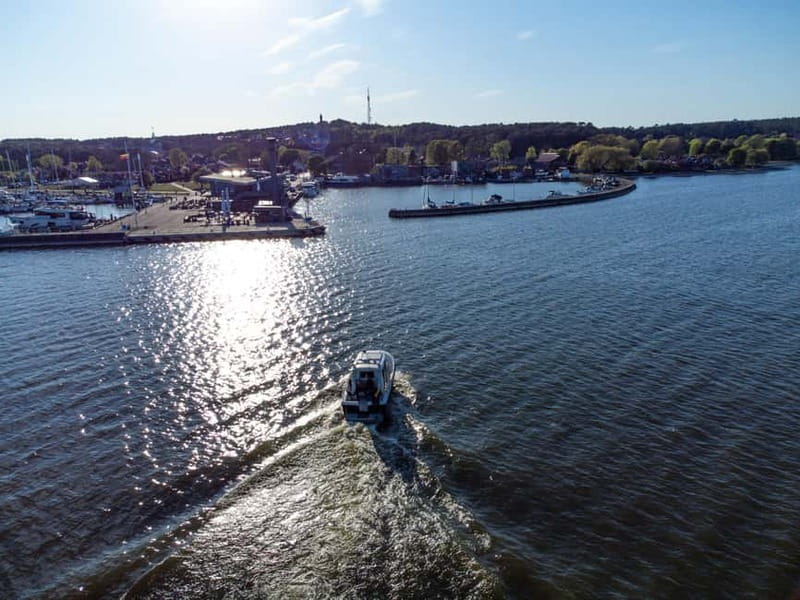
You’ll start at Nidos uostas, the port in Nida. Look for the blue banner flags with GRESA on them. That detail helps—because in busy ports, signage is everything.
From the moment you’re underway, the day’s logic becomes clear: birds use water and marsh edges, and the best way to cover habitat is to move quickly between viewpoints. That’s why you go by fast boat rather than staying strictly on shore.
You’ll also get guided sightseeing along the way. This is where your guide’s job really starts: pointing out likely bird areas and giving you the “what to watch for” so you don’t just stare at distant dots.
Crossing the Curonian Lagoon to Ventė Cape Station
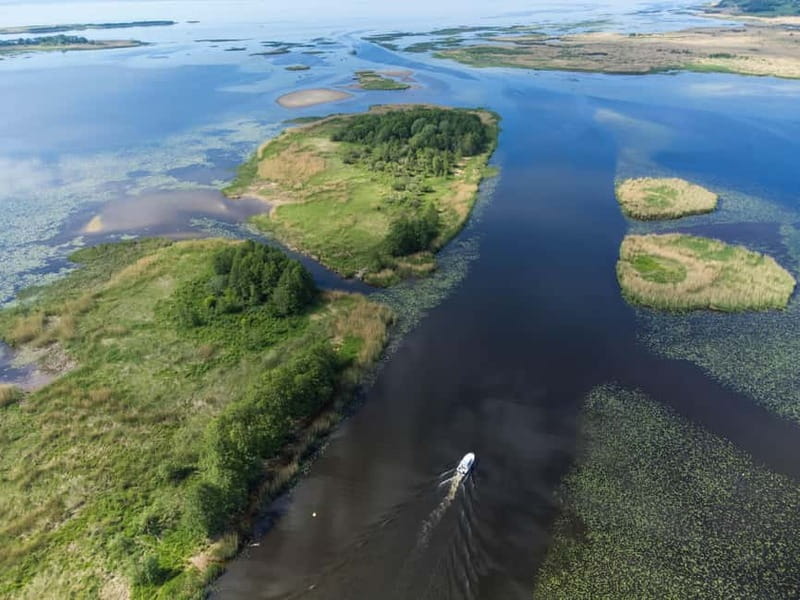
The crossing across the Curonian Lagoon is part transit, part bird-watching window. As the shoreline and water channels change, so do the birds—some keep close to reed beds, others hang near open water.
This is also the segment where motion can come into play. One reviewer noted the ride can feel a bit rough if the sea is unsteady. If you get seasick easily, bring a precaution plan before you go. A simple motion-sickness approach (like medication you already know works for you) can make the difference between enjoying the whole trip and spending half of it wishing you were on land.
Ventė Cape Ornithological Station: Where Ringing Might Happen
Ventė Cape Ornithological Station is the trip’s bird-nerd core. You meet your guide there and learn how migration routes shape what you see. Instead of treating birds as random sightings, you learn to read them like a system.
A major draw is the chance to see bird ringing. It’s described as subject to timing and conditions, so don’t count on it as a guarantee. But even when ringing isn’t happening, the station visit is still useful because it gives context for why birds appear when they do and why certain spots matter.
If you’re lucky and conditions line up, this is one of those experiences that feels both scientific and strangely human. You’re watching birds being studied in real time, not just collecting facts from a brochure.
Also, note the practical side: this is where your binoculars actually pay off. Bring them. If you forget, you’ll still see plenty, but you’ll miss the small, satisfying details—stance, feeding behavior, and how birds react when other birds move in.
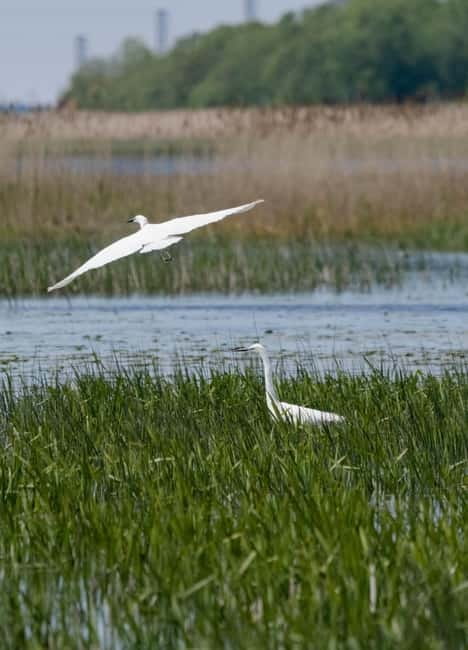
What You’ll Likely Spot: Cormorants, Herons, Storks, Sea Eagles
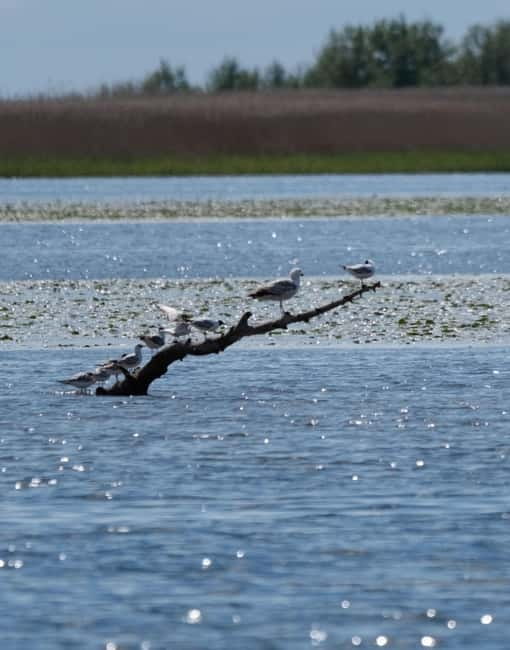
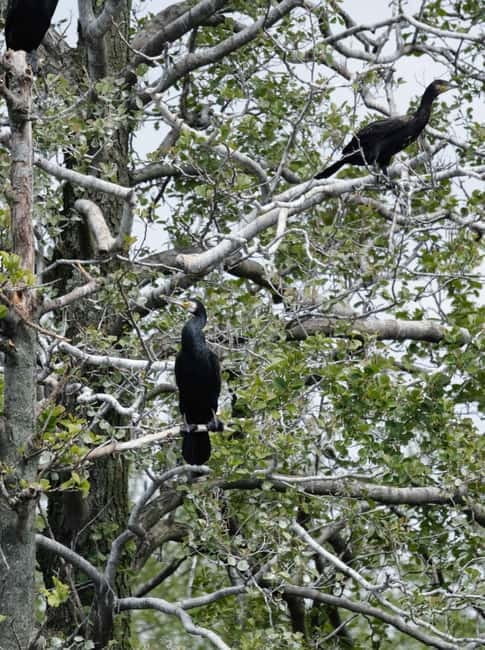
The Nemunas Delta area is known for a mix of birds that use wetlands and open water edges. The outing specifically calls out:
- a growing cormorant colony
- herons and storks
- sea eagles (possible, depending on luck and conditions)
- other bird species in the same habitat
Cormorants can be great because they’re often visible in groups, and their posture and movements are easy to track once you know what you’re looking for. Herons and storks can be more “watch and wait,” which is exactly what binoculars are for.
The sea eagle part is the exciting variable. You might see one. You might not. Either way, the value is that your guide helps you interpret what you’re seeing rather than leaving you to guess.
And because you’re on the water, you’re not limited to one viewing angle. That matters when you’re trying to confirm species or watch how birds shift across the delta.
Mingė Village and the Venice of Lithuania Moment
You pass Mingė Village, often described as the Venice of Lithuania because of its channels and waterfront setting. You won’t turn this into a land stroll. Instead, it’s more like a moving “look-and-learn” segment from the water route.
This stop is still worth your attention if you like the human side of scenery. Even when the birds steal the show, the village setting helps you understand why the delta is so interesting: it’s not only wildlife. It’s also people living beside a maze of waterways.
If your group cares about more than birds, this is one of those cultural touchpoints that doesn’t break the flow.
Uostadvaris Lighthouse: Panoramas That Help You Scan Smarter
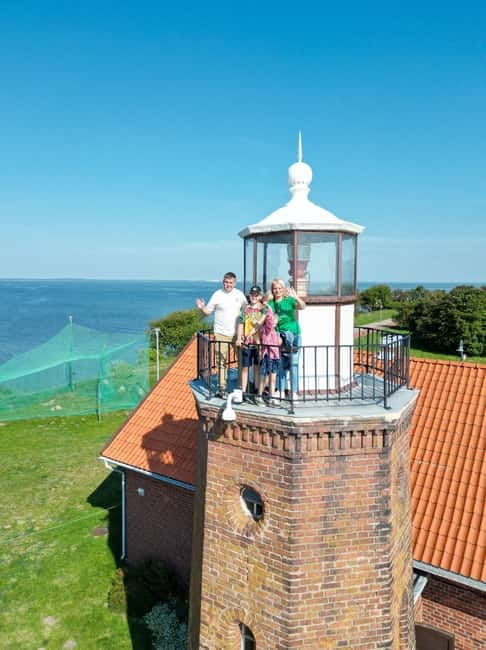
The trip includes a stop at Uostadvaris Lighthouse, described as offering breathtaking panoramic views over the surrounding waterways and wetlands. In practical terms, this is a bird-watching advantage.
When you can see a wider area, you can:
- spot birds farther out
- track how birds move between channels and reed edges
- spot shapes that you’d miss from lower angles
It’s also great for photography because the lighthouse area tends to provide layered depth—water, wetlands, and the long lines of channels.
Just remember: don’t treat it like a quick photo sprint. Spend a bit of time looking first, then take pictures once you’ve identified what you want to capture.
How the Guide Makes This Worth It (Especially If You Like Questions)
A good bird guide can turn a “nice boat trip” into something you’ll remember. Here, the guide’s role is very active: explaining migration routes, pointing out what’s likely in each habitat, and adapting to interests when possible.
One reviewer specifically mentioned their guide Aegis provided knowledgeable information and accommodated special requests—like a coffee pause, a short flussschwimmen (brief river swim), and whether the focus should stay strictly on birds or also include culture. That doesn’t mean every group will swim or stop for coffee, but it does show the guiding style: practical, flexible, and responsive.
So if you want to ask questions—why that bird is there, how to tell species apart, what to watch for next—this format supports it.
Tips So You Don’t Miss the Best Bird-Spotting Moments
Bird watching is all about setup. Here’s how to make the most of it:
- Bring binoculars. You’ll get more usable sightings, not just “I think that’s a bird.”
- Wear comfortable shoes and suitable clothing for walking and being outdoors around stops.
- Dress for weather changes. Delta wind off the water can surprise you.
- If you’re sensitive to motion, take precautions before the boat crosses the lagoon.
And one more tip: when your guide points something out, don’t immediately swing your scope around like a camera on a string. Pause, steady your view, and let the bird’s behavior confirm what you’re seeing.
Who This Tour Is Perfect For (And Who Might Want Something Else)
This works best for:
- people who want guided bird watching without spending a whole day reading charts
- bird lovers who appreciate migration context and real-world station visits
- groups who value flexibility and a private feel
- photographers who want lighthouse panoramas and bird opportunities in one loop
It may be less ideal if:
- you hate boats or you’re likely to get seasick even with minor chop
- you’re looking for a long walking tour with lots of time on land
Because this is water-first and time is limited, you’re trading long trails for better habitat coverage.
Should You Book Nida: Bird-Watching Adventure in Nemunas Delta?
Yes—if your goal is a guided, bird-focused outing that combines boat access, a real ornithological station, and strong chances to see notable species. The Ventė Cape Ornithological Station piece and the possible bird ringing experience are the reasons to pick this over a generic sightseeing cruise.
Book it especially if you’re traveling with a group of friends or family and can split the cost across up to 8 people. That private structure turns it into a “your day, your pace” style trip rather than a one-size-fits-all bus tour.
Just be realistic about two things: bird ringing depends on timing, and the boat ride can feel rough if conditions are unsteady. If you plan for that, you’ll likely come back with great sightings and useful bird knowledge you can use right away.
FAQ
How long is the bird-watching tour?
The duration is 3 hours.
Where do I meet the group?
Go to the port of Nida and look for the blue banner flags with the name GRESA on them.
What does the tour include?
It includes a high-speed boat ride, a visit to Ventė Cape Ornithological Station, an introduction to bird migration and ringing, the chance to see bird ringing (subject to availability), a visit to Uostadvaris Lighthouse, and observation of diverse bird species.
Is bird ringing guaranteed?
No. The opportunity to see bird ringing is subject to timing and conditions.
What birds might I see?
The experience focuses on a growing cormorant colony, herons, majestic storks, and sea eagles as a possible sighting, along with other bird species.
What languages are available for the live guide?
The guide is available in English, German, Lithuanian, and Russian.
Is pickup from Klaipėda included?
No. Pickup and drop-off in Klaipėda are not included.
What should I bring for bird-watching?
Bring binoculars for a better bird-watching experience. Wear comfortable shoes and clothing suitable for walking and outdoor weather.
Is the boat ride likely to be rough?
It’s a high-speed boat ride. If the sea is unsteady, it can feel somewhat bumpy, so take precautions if you get seasick easily.