REVIEW · SAO MIGUEL ISLAND
Azores: Marine Birdwatching & Islet Biologist Guided Tour
Book on GetYourGuide →Operated by Azores Whale Watching TERRA AZUL · Bookable on GetYourGuide
A fast boat ride helps you see sea birds up close. This 3-hour Azores marine birdwatching outing pairs a small Zodiac RIB cruise with biologists who know how to read seabird behavior. You’ll work from the water, using careful approach tactics and good field technique to find the species that breed on and around Vila Franca do Campo’s islands.
What I love most is the close-up bird action. With a Zodiac RIB (max 12 pax on board) and professional spotting, you get real viewing distance control instead of just looking from shore. Second, I love the science-led explanations—you’ll hear about migration routes, what different seabirds do at sea, and how field imagery and data collection support local research.
One possible drawback: this is an on-water tour in wind and spray, and it’s not a gentle ride. If you have back issues (or you’re pregnant, or you’re traveling with very young kids), this may feel like the wrong fit. Also, wildlife sightings can’t be guaranteed, even with a strong team working hard.
In This Review
- Key things worth knowing before you go
- Why Vila Franca do Campo is such a good base for seabirds
- Step aboard: safety brief, skipper skills, and the binocular advantage
- The coastal cruise: VHF guidance and how researchers approach wildlife
- Islet of Vila Franca do Campo: the short stop that can make the photos work
- Bird list you can watch for, with context on what they do
- Breeding and colony species you may spot in good numbers
- Regular but not necessarily breeding in the exact moment
- Shore and coastal birds that can pop into view
- Dolphins and “bonus wildlife” when the sea cooperates
- What to bring (and what the tour already provides)
- You should bring
- The tour provides the comfort essentials
- Price and value: what $68 buys you in real terms
- Who this tour fits best
- Practical details: where to start and how the day is paced
- Should you book this marine birdwatching tour?
- FAQ
- What animals can I expect to see on this tour?
- How long is the tour, and is it mainly on the boat?
- What equipment is included?
- Do I need to bring water and snacks?
- Is the tour suitable for children or pregnant travelers?
- What languages are the guides available in?
Key things worth knowing before you go
- Zodiac RIB proximity: you’ll approach carefully for better viewing of coastal colonies and at-sea feeding birds
- Opticron 8×42 binoculars included: you can focus on action fast instead of scrambling for gear
- Biologists talk behavior, not just names: migration routes and field data techniques are part of the program
- Islet of Vila Franca do Campo photo stop: a short stop that’s timed for viewing and quick photos
- Season matters for variety: spring and autumn tend to bring more migrants and vagrants
Why Vila Franca do Campo is such a good base for seabirds
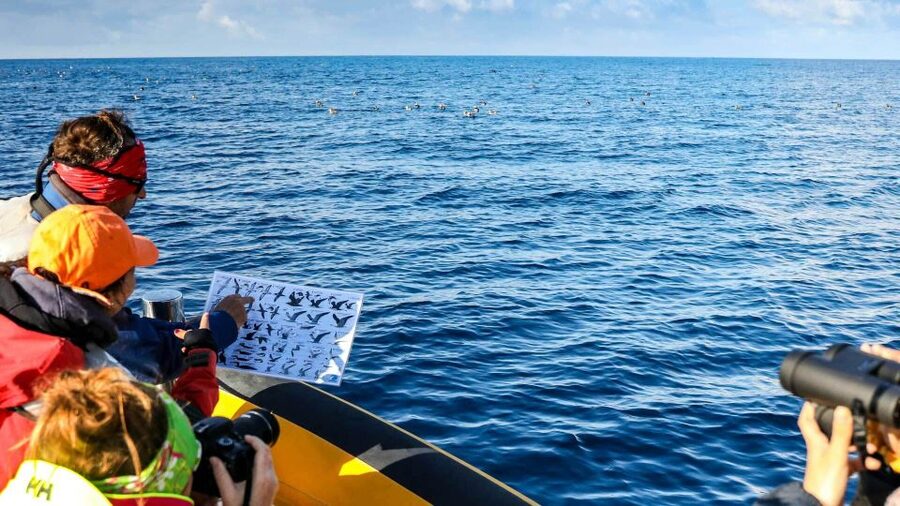
The Azores are famous for wildlife, but this specific area works for a simple reason: you’re operating right where marine birds feed and move along the coast. Vila Franca do Campo sits near an off-coast nature reserve, and that combination of open water plus protected breeding habitat makes it a strong “search zone” for seabird colonies.
You’ll also get a practical ocean-viewing rhythm. The tour is built around sea bird behavior—where they gather, how they react to wind and currents, and when they show up in numbers. You’re not just waiting for a bird to happen. You’re learning what to look for, and the team helps you read what you’re seeing.
You can also read our reviews of more tours and experiences in Sao Miguel Island.
Step aboard: safety brief, skipper skills, and the binocular advantage
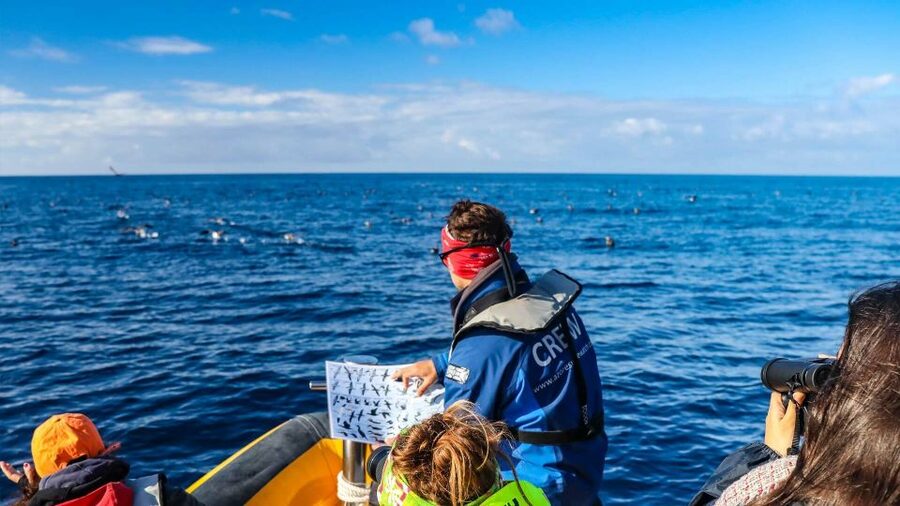
After you meet and head to the marina area in Vila Franca do Campo, the program starts with a safety briefing for the Zodiac RIB boat. You’re issued a life vest and an impermeable suit, which matters because the water on the day you go is part of the experience. Even on a calm day, you’ll feel spray at speed.
Then comes the most useful early moment: the crew sets you up for spotting. You’ll get an introduction to the seabird species you’re likely to see, plus migration routes and behavioral patterns. That makes a big difference because you can’t identify everything in a split second—so you’re learning “what kind of bird action” to watch for first.
Binoculars are included—Opticron 8×42—so you don’t waste time borrowing or hunting down gear. And because this is limited to a small group (10 participants), you’re more likely to get questions answered and have time to actually focus on what’s in front of you instead of squeezing around someone else’s view.
The coastal cruise: VHF guidance and how researchers approach wildlife
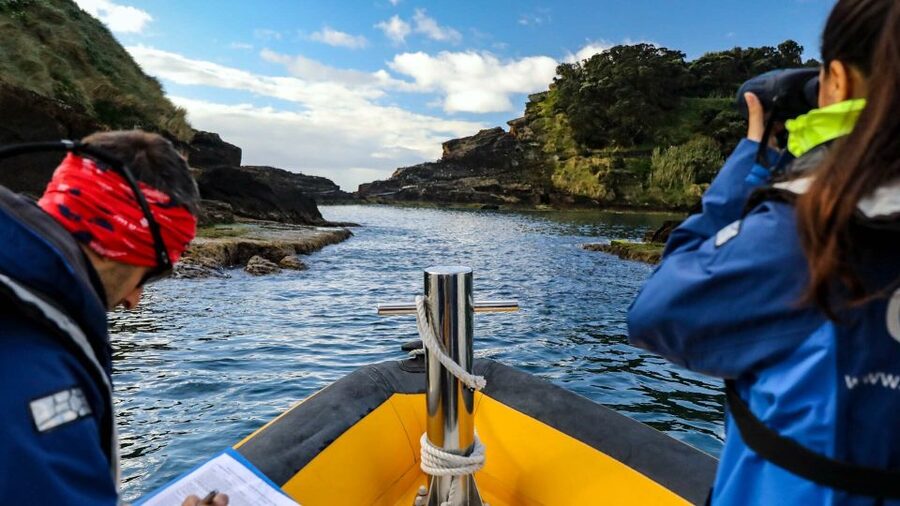
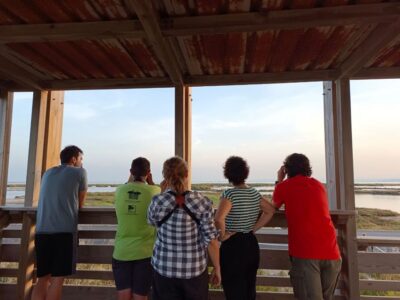
The heart of the tour happens on the water, cruising the Azores coastline and then heading to the Islet of Vila Franca do Campo nature reserve area. Here’s where the specialist approach pays off. The boat team uses directions from inland lockouts via VHF radio. In plain terms: people on land help guide the crew so the boat can approach birds at an “undetected distance.”
That tactic matters for two reasons. First, it improves what you see. If birds are spooked, they scatter and behavior changes. Second, it’s more respectful to wildlife and helps keep the scene stable enough for you to observe real feeding or breeding actions rather than a stress reaction.
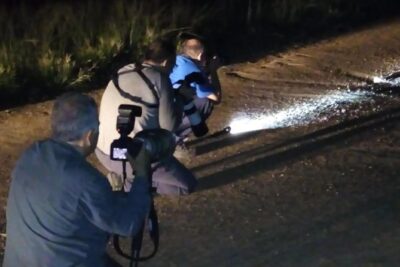
You’ll also hear about field methods—specifically how researchers use field imagery and collect data. Even if you never plan to do wildlife research yourself, it helps you understand why the team is so focused on approach distance, timing, and observation habits. You’ll start noticing details that your eyes would normally gloss over: posture, flight style, group spacing, and how birds react when the boat appears.
Islet of Vila Franca do Campo: the short stop that can make the photos work
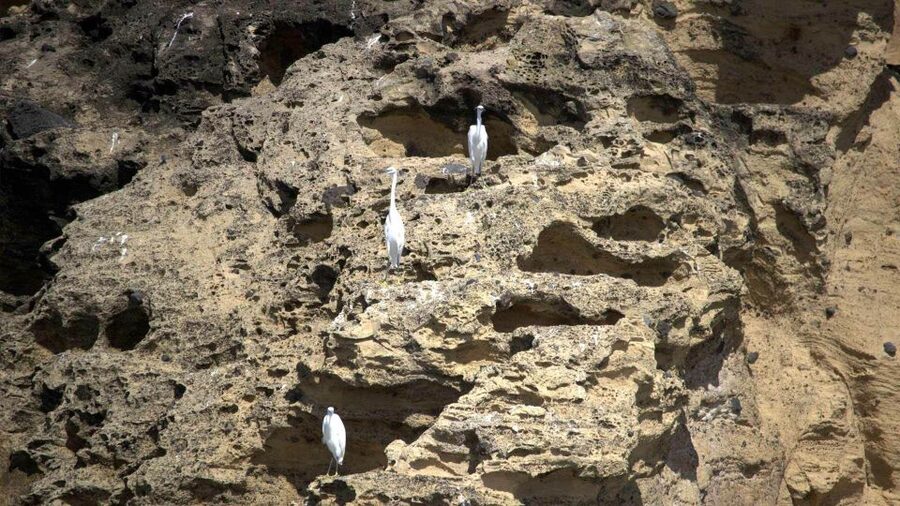
The Islet stop is brief—about 30 minutes—and that’s intentional. This is not a long ferry ride with a long wait. It’s a targeted window to observe known seabird colonies and other marine wildlife, plus a photo stop.
What to expect during that window is mostly about observation and quick viewing. The boat cruise around the area helps you scan for colonies, and then you get your moment for photos and close looking. The views from the water and the coastline framing around the islet are a big part of why people love this tour.
If conditions are good, you’ll often get multiple “moments” in that short stop: birds flying in, birds settling, and the colony activity that makes seabird watching satisfying. If conditions are rough, the schedule can shift, and sightings may be less predictable—but that’s true for all wildlife tours at sea.
Bird list you can watch for, with context on what they do
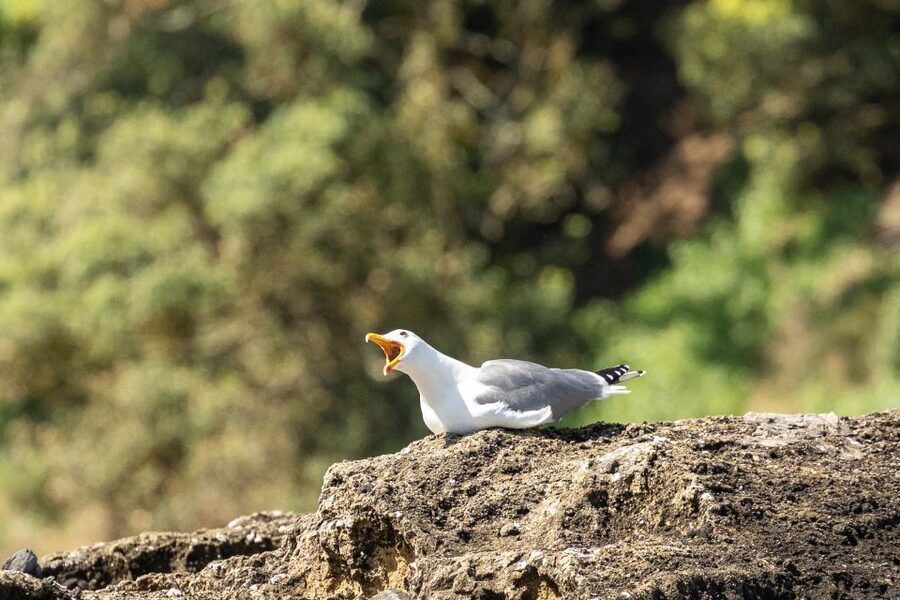
This tour gives you a pretty specific set of species to look for, and that’s a rare gift. Instead of vague “maybe you’ll see dolphins,” you get a clear checklist with the science behind it.
Breeding and colony species you may spot in good numbers
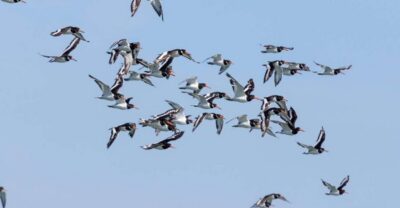
- Cory’s Shearwater and Barolo Shearwater: often seen as part of larger groups when they’re active and feeding around the islands
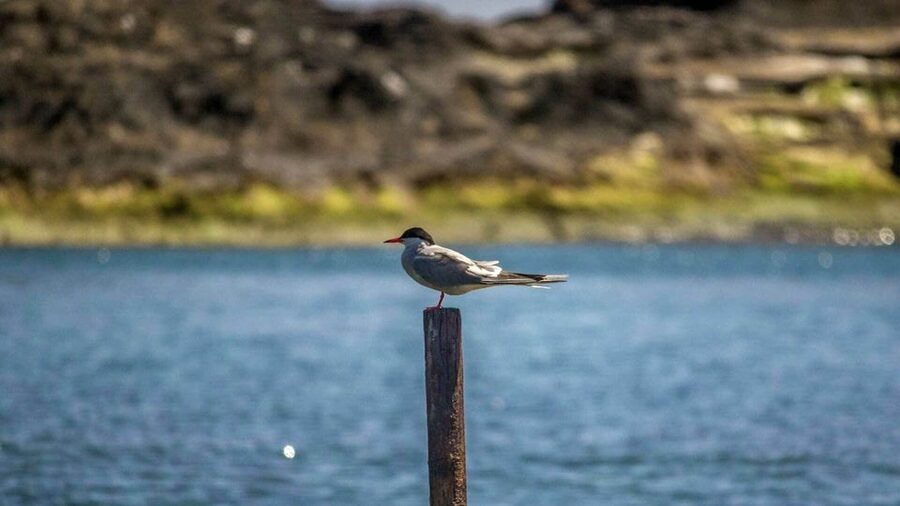
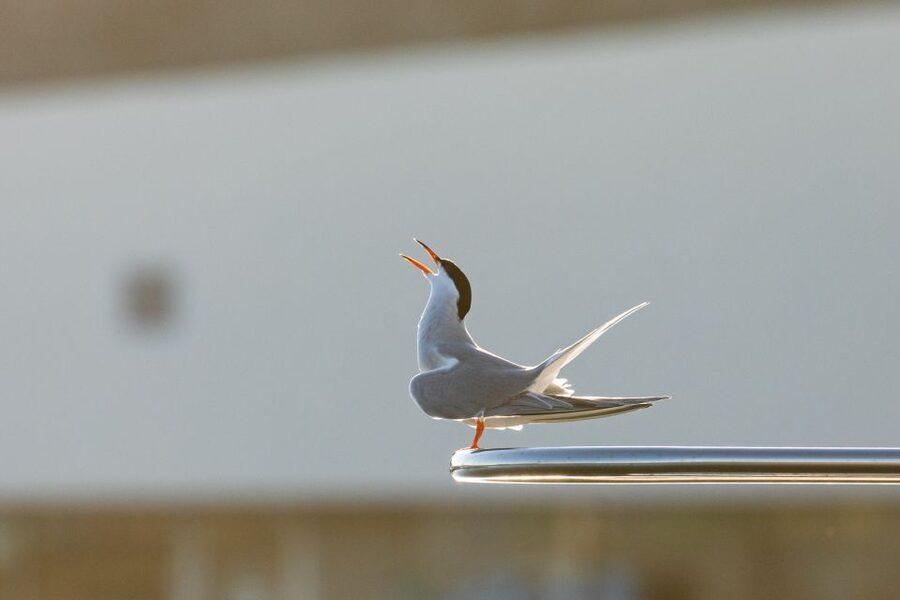
- Common and Roseate Terns: you may see them as fast flyers with distinct patterns over open water
- Yellow-legged Gulls and Bulwer’s Petrel: gulls can be more conspicuous at sea; petrels are often about seeing the right motion and timing
- Wilson’s and Madeiran Storm-petrels: smaller seabirds can be tougher, so the guide’s “behavior-first” teaching helps
- On lucky days: Bridled Tern or Sooty Tern
Regular but not necessarily breeding in the exact moment
You might also see species that are regularly sighted even when you’re not in their breeding peak:
- Great Shearwater, Leach’s Storm-petrel, Manx and Sooty Shearwater
- Vagrant chances: Northern Gannets, Arctic, Pomarine, and Great Skuas
Shore and coastal birds that can pop into view
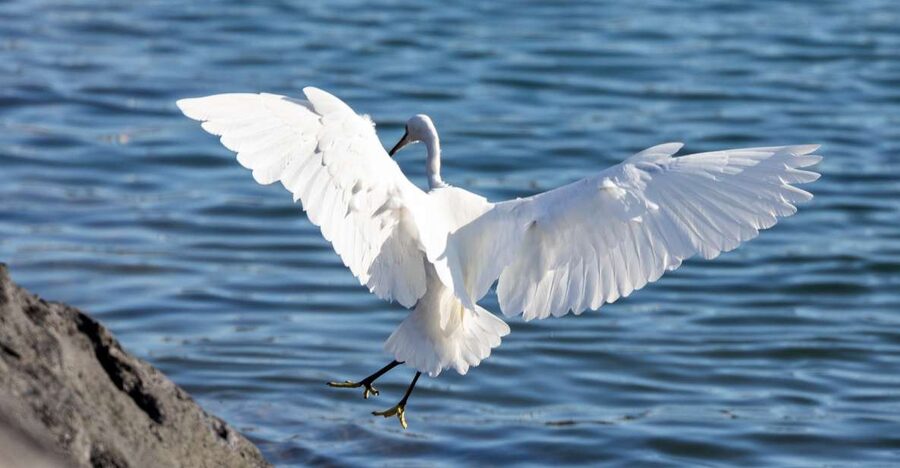
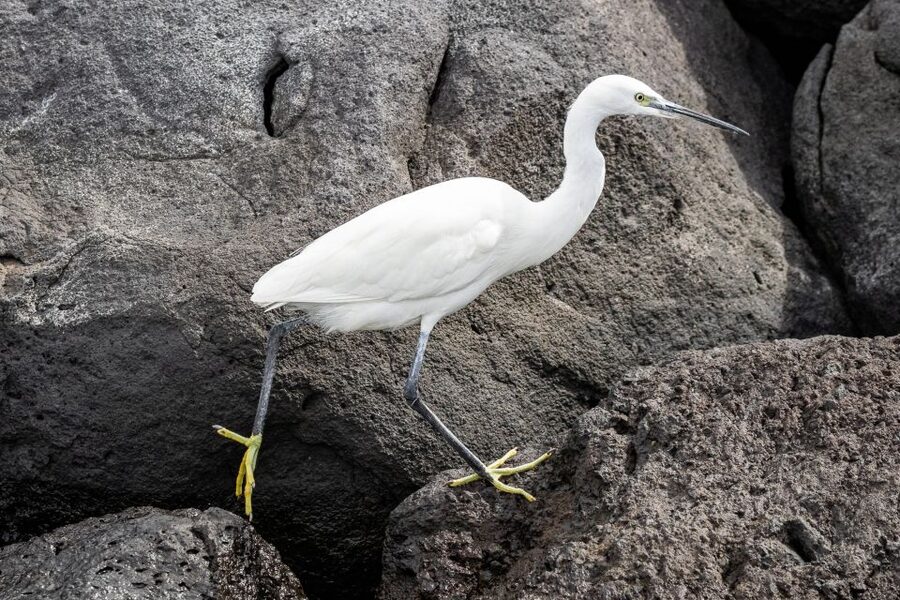
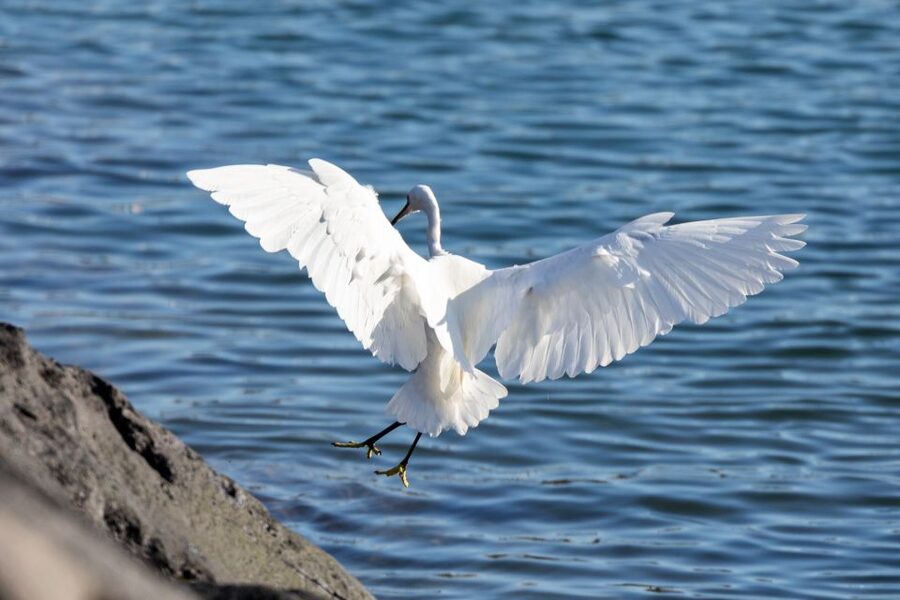
The program also lists shorebirds you might encounter: Buzzards, Turnstones, Sanderlings, Canaries, Little Egrets, Wagtails, and Whimbrels. In practice, these are the birds that help you understand the broader coastline ecology—seabirds offshore, then the coastal species that use the shore or nearby habitats.
One more timing note that’s actually useful: marine birds can be observed year-round, but abundance tends to peak in spring and autumn with migrants and vagrants arriving. If you’re choosing dates, those seasons generally give you a better odds setup.
Dolphins and “bonus wildlife” when the sea cooperates
The tour is a seabird focus, but you’re on the ocean, so other marine life can show up. On the day you go, it’s possible to spot dolphins—and when that happens, the group’s attention usually shifts fast because they’re active and fun to watch.
This is also why that small group size helps. With fewer people, the boat crew can keep communication clear, and you can get a calmer viewing experience without constant crowd reshuffling.
What to bring (and what the tour already provides)
You’ll be in weather on the water, so packing smart is part of getting a good experience.
You should bring
- Warm clothing (layers beat one thick item)
- Camera
- Snacks (light food is permitted onboard)
- Sunscreen
- Water (personal water supply is not included)
- If you have them: extra binoculars, though you’ll receive Opticron 8×42 provided
The tour provides the comfort essentials
You’ll get an impermeable suit and a life vest, plus binoculars and an experienced skipper. Insurance is included too, which takes some worry off your plate.
If you get motion-sensitive, consider eating something light before you board, dress in layers, and keep your eyes on the horizon when you can. A Zodiac RIB is fast and high-contact with sea spray, and good clothing makes a huge difference.
Price and value: what $68 buys you in real terms
At $68 per person for about 3 hours, this is not a generic sightseeing boat ride. You’re paying for three things that add real value:
First, the guide team brings a science framework—species introductions, migration routes, behavior, and how field imagery and data collection work. That makes the tour feel like education you can use immediately while watching birds.
Second, you get the equipment: Opticron 8×42 binoculars included. If you’ve ever bought low-end binoculars on a trip and then hated them, you’ll appreciate this.
Third, you’re going out on a Zodiac RIB with a careful approach plan supported by VHF guidance. That’s the difference between seeing birds at a distance and actually tracking their behavior.
If you’re the kind of traveler who likes to understand what you see (and not just snap photos), this price-to-effort ratio is strong.
Who this tour fits best
This is best for adults and older kids who like wildlife watching and don’t mind being on the water for the full run. The small group size (10 participants) makes it especially good if you want time to ask questions and hear clear explanations without feeling rushed.
This is also a smart choice if you’re visiting São Miguel and want more than the usual viewpoints. You’ll spend time at a real marine reserve and focus on species behavior rather than only scenery.
It’s not suitable for children under 4, pregnant women, people with back problems, or wheelchair users. If any of those apply, skip this one and look for options designed for easier boarding and calmer conditions.
Practical details: where to start and how the day is paced
The tour pickup depends on your selected option, then you’ll pass scenic points on São Miguel with short drives toward Vila Franca do Campo. You’ll reach the marina area and board at the base where the boats are stationed. Parking is available near the marina.
If you like having the exact meeting location, the GPS given is 37.715780, -25.429745. It’s a handy detail when you’re trying to sync with a pickup time and you don’t want to guess where the check-in happens.
Tour language is flexible—English is the official language, but the guide team covers multiple languages. That’s useful on mixed trips.
Should you book this marine birdwatching tour?
Book it if you want a specialist seabird outing in the Azores, and you like learning how to spot behavior—where birds feed, how they react, and what migration timing changes. The included binoculars, small group size, and team approach tactics mean you’re set up for better viewing, not just better expectations.
Skip it if you need a super-smooth ride, have mobility or back issues, or you’re traveling with someone who needs accessibility-friendly transport. And if you’re only into “guaranteed animal sightings,” keep expectations flexible. Wildlife is wild, and the team can’t control the sea or the birds.
If you go with the right mindset—dress warm, bring water and a camera, and stay curious—you’ll come away with a new way to read the ocean.
FAQ
What animals can I expect to see on this tour?
You’ll focus on seabirds and coastal species. The tour specifically mentions Cory’s Shearwater, Barolo Shearwater, Common and Roseate Terns, Yellow-legged Gulls, Bulwer’s Petrel, Wilson’s, and Madeiran Storm-petrels, plus possible rarer species like Bridled or Sooty Terns. It also lists Great Shearwater, Leach’s Storm-petrel, Manx and Sooty Shearwater, Northern Gannets, Arctic and Pomarine Skuas, and Great Skuas, along with coastal birds like Turnstones, Sanderlings, Little Egrets, and Whimbrels.
How long is the tour, and is it mainly on the boat?
It runs for about 3 hours total. Most of that time is spent on a guided Zodiac RIB cruise, with an additional short viewing stop at the Islet of Vila Franca do Campo.
What equipment is included?
The tour includes Opticron 8×42 binoculars, an impermeable suit, a life vest, and insurance. You’ll also have a wildlife guide and an experienced skipper, plus the Zodiac RIB boat.
Do I need to bring water and snacks?
Yes. Light food is allowed onboard, but personal water supply is not included. Bringing water and some snacks will make the experience more comfortable.
Is the tour suitable for children or pregnant travelers?
No. The tour is not suitable for children under 4 years old and it’s also not suitable for pregnant women. It’s additionally not recommended for people with back problems or wheelchair users.
What languages are the guides available in?
The tour guide offers multiple languages including English, French, Dutch, Italian, Spanish, Portuguese, and German. English is the official language for the tour, and the team aims to accommodate your preferred language.