REVIEW · WEERAWILA
Bundala National Park Safari – Birding Paradise Tour
Book on GetYourGuide →Operated by Shehan Safari Jeep Tours · Bookable on GetYourGuide
Bundala turns the morning into birdwatching heaven. This 3-hour safari in southern Sri Lanka is built for the best light of day, when birds get active and animals feel a bit less hidden. I especially like the focus on golden hours birding, plus the way the route mixes wetlands, lagoons, and open sandy areas so you’re not hunting only in one habitat.
One thing to plan for: the park entrance fee isn’t included. Double-check the exact amount you’ll pay and do it before anyone starts collecting cash, since the final total can differ depending on how it’s handled.
In This Review
- Key things that make this Bundala safari worth your time
- Bundala National Park safari: what you can realistically see in 3 hours
- Golden hours birding from a safari jeep (and how to use it well)
- Entering Bundala: wetlands, lagoons, and the habitats that drive sightings
- The mammal and reptile checklist you’ll actually care about
- What the guide and jeep size mean for your experience
- Price and logistics: is $43 good value?
- Timing your trip: morning vs evening safari
- What to bring so you don’t waste a single minute
- Who should book this Bundala bird safari?
- Should you book the Bundala Birding Paradise safari?
- FAQ
- Where does pickup happen?
- How long is the safari?
- What’s included in the price?
- Are park entrance fees included?
- Is food and drinks included?
- How big is the group?
- What time of day can I go?
- What animals and birds should I expect to see?
- Can I cancel if plans change?
Key things that make this Bundala safari worth your time
- Golden light, shorter tour: 3 hours is long enough for meaningful sightings, and short enough that your morning or evening stays efficient.
- Small group jeeps (max 6): You get closer to your guide’s calls and explanations, instead of being spread across a crowd.
- Birding by habitat: Wetlands, lagoons, and swampy marshlands each pull different species into view.
- Mammals plus birds: You’re not locked into only feathers; you’ll also scan for mammals, reptiles, and aquatic life.
- Migratory bird timing (Sept–Mar): If you’re in season, up to 10,000 migratory birds can make the birding feel extra intense.
- Flexible pick-up point: You can start from Tissamaharama/Weerawila hotels or directly at the park gate.
Bundala National Park safari: what you can realistically see in 3 hours
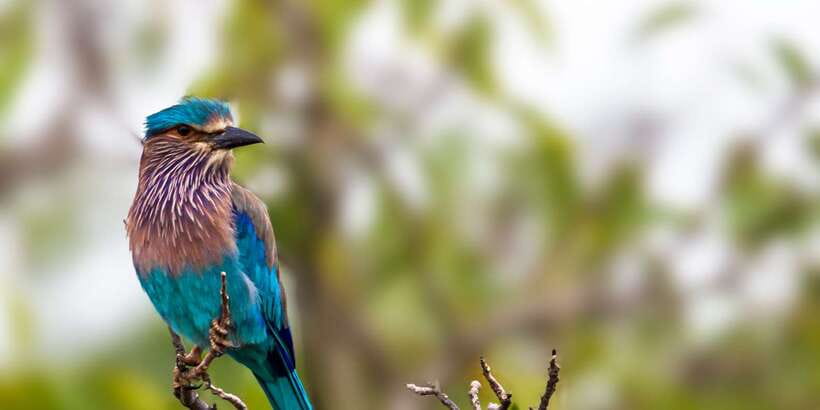
Bundala National Park is a strong choice if you want wildlife without spending all day driving around. In just three hours, your guide aims to cover several habitat types inside the park, which matters because birds and mammals don’t all use the same terrain.
You’ll go out in a safari jeep with a driver and a live English-speaking guide. The vehicle is built for rougher ground, and the route typically passes thorny shrubs, swampy marshlands, scenic lagoons, and golden sand dunes. That mix is exactly what makes a short tour work: each habitat can “switch on” different wildlife activity, even when you’re limited by time.
If you’re coming from Tissamaharama or Weerawila, the fact that hotel pickup is offered is a big practical win. You lose less time to transport and you arrive in the park with the right light still in play.
Golden hours birding from a safari jeep (and how to use it well)
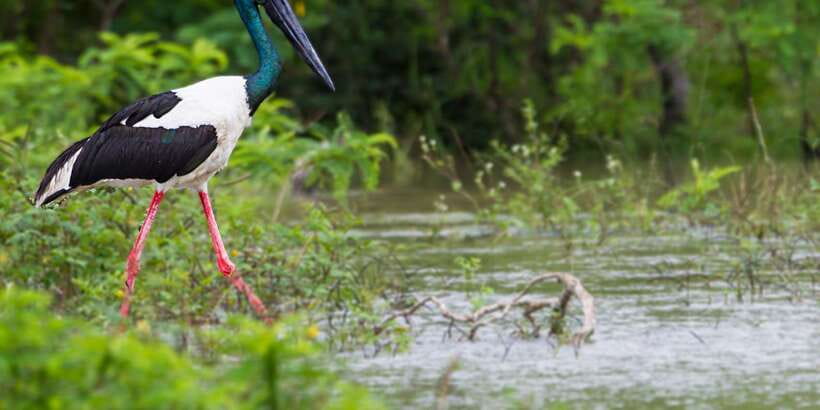
The safari is timed around the day’s best visibility. Golden hours do two useful things for you:
1) Birds are often more active when temperatures are kinder.
2) The light makes feathers, lagoon edges, and animal silhouettes easier to spot and photograph.
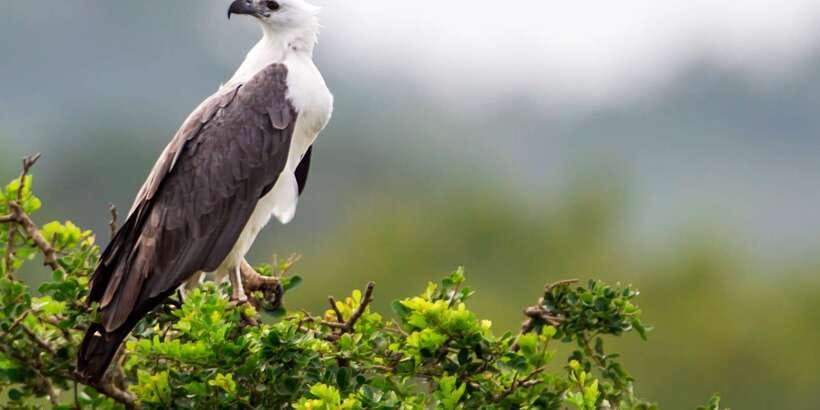
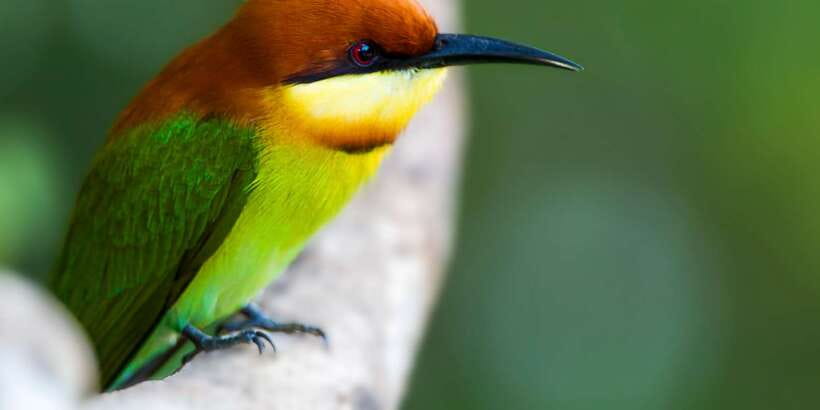
You’ll be scanning for the park’s standout bird action, including migratory species during September to March. Bundala can host up to 10,000 migratory birds in that period, which turns this into more than a casual bird-watching stop. Your guide’s job is to notice what’s moving first—then point it out before you miss it.
In a small-group jeep, you can actually hear the guide’s bird ID calls and keep your eyes up instead of constantly asking others what you missed. That’s one of the reasons this format feels better than DIY birding in the same area—you’re not just driving and hoping.
Photo tip that’s simple but helps: keep your camera ready when your guide slows down. A lot of sightings happen right after a careful stop, not during fast driving.
Entering Bundala: wetlands, lagoons, and the habitats that drive sightings
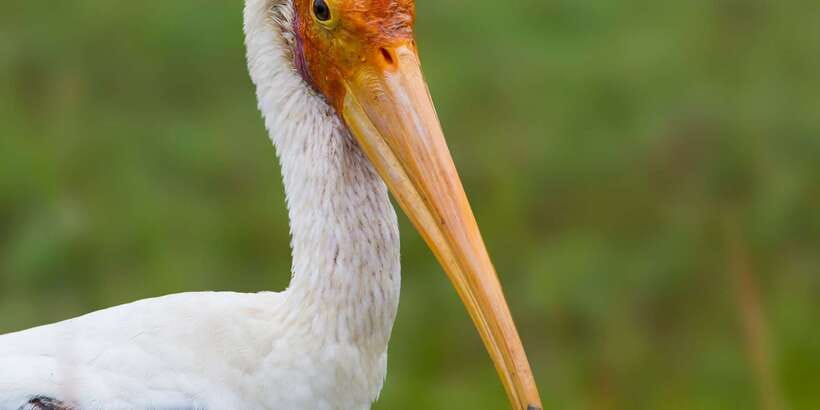
Bundala’s wetlands are the core of the show, and your route is built around them. The park holds a startling variety of habitats, which is why birding can feel intense even on a short tour.
Here’s what you’re effectively “birding through”:
- Swampy marshlands often concentrate birds that feed and forage in wet ground and shallow cover.
- Brackish lagoons create a different feeding zone than open marsh, and they support aquatic wildlife too.
- Golden sand dunes can pull different activity patterns—often visible from a moving jeep because you can spot silhouettes and movement across open sand.
One practical advantage: even when mammals don’t show up on cue, the wetlands themselves keep you busy. Birds can be visible at different depths, on reed edges, or moving between water and cover. That means you’re not stuck waiting for one big moment the whole time.
As you scan, also pay attention to brackish water edges and lagoon margins. That’s where you can get multi-species variety in one glance—waterbirds, waders, and sometimes signs of reptiles or larger wildlife nearby.
The mammal and reptile checklist you’ll actually care about
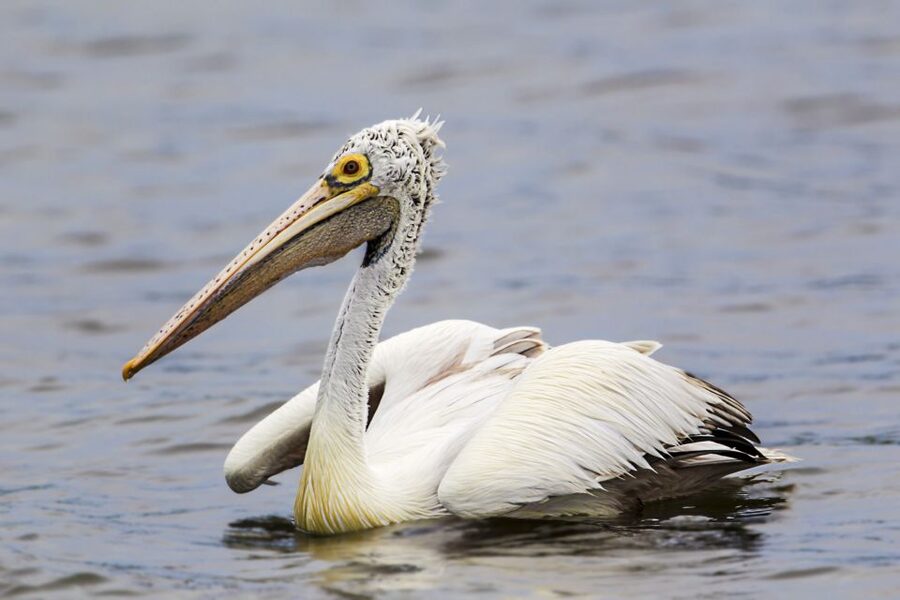
Bundala isn’t a one-note bird park. Your safari is designed around the park’s mix of animals, including mammals and aquatic life.
You might see wild boar, porcupine, spotted deer, mongoose, wild buffalo, and the endemic jackal. There are also mentions of fishing and rusty-spotted cats as part of what the park supports. Even if you don’t spot every species every time, the point is that your guide is scanning a wide range of ground-level and mid-ground habitats—not just calling birds from trees.
Reptile and aquatic spotting is also part of the experience. You’ll look out for rare types of turtles and crocodiles, especially near the lagoon and wetland areas where your chances are higher. This is where the jeep style helps: the driver can slow down and position the vehicle for a clearer view without turning the tour into a slow crawl.
A helpful reality check: wildlife in parks like this is still wildlife. Your best “success strategy” is to listen to the guide’s reasoning. When your guide explains habitat and behavior, you’ll understand what you’re seeing and why it’s there—so you’ll spot the next clue faster.
What the guide and jeep size mean for your experience
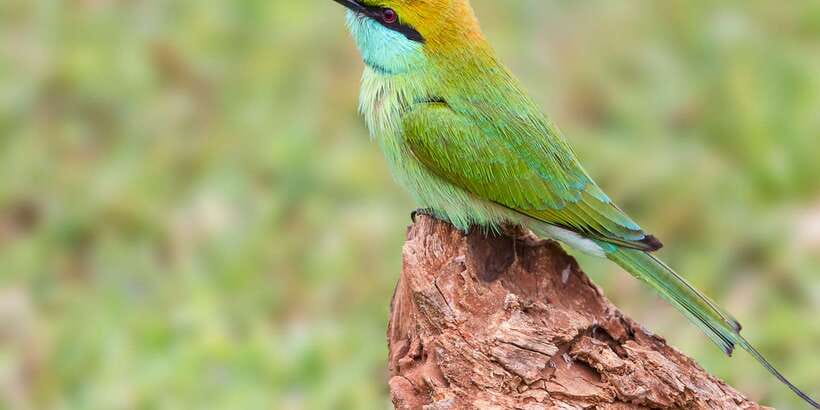
The company running the safari uses safari jeeps with a maximum of 6 passengers per jeep. That detail isn’t just comfort—it directly affects how well you see.
In a bigger group, you’re often stuck behind someone else’s head, or you miss half the guide’s pointing and explanations. Here, you’ll typically get:
- better visibility around the jeep,
- more time with the guide’s bird calls and habitat notes,
- and a smoother flow when someone spots something first.
Also, be aware that your safari may include different levels of “tracking support.” On one occasion, the tour focused on a driver doing the spotting and bird-finding work with good results, even without an extra tracker role. The takeaway for you: don’t assume you’ll always get a dedicated spotter on top of the driver. Still, a capable guide can work the jeep slowly and carefully, even on muddy surfaces, which is a big deal in wetland parks.
And yes—conditions can change. Cyclone impacts can force a switch in location or route. If weather has you nervous, remember that a careful operator can still keep the experience going rather than canceling automatically.
Price and logistics: is $43 good value?
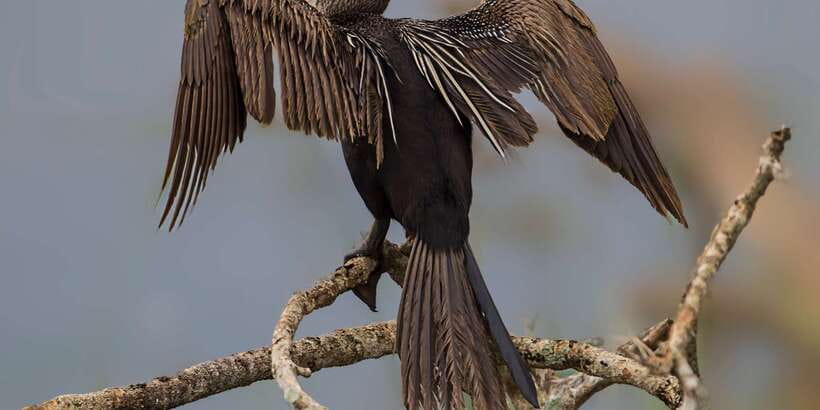
At $43 per person for a 3-hour safari, this is one of the more budget-friendly ways to do guided wildlife in this region—especially because it includes hotel-area pickup and jeep transport.
But there are two cost realities:
1) Park entrance fees are not included. You should expect to pay this separately at the gate or through the guide’s process.
2) Food and drinks aren’t included. You’ll want to handle that before you go, especially if you’re doing a morning slot.
So is it good value? For me, it’s a yes if you’re the kind of traveler who cares about active birding, not just a generic “drive and hope” safari. You’re paying for:
- a guide who can identify and point,
- a planned route through multiple habitats,
- and a small group size that makes the time count.
If you’re mostly looking for a long chance at big mammals, you might want longer safaris. But if you want bird-focused wildlife in a tight time window, this price-to-time ratio is strong.
One extra practical tip: before you enter the park, ask for clarity on the entrance fee amount you’ll pay and how it’s collected. Keeping that transparent avoids awkward surprises.
Timing your trip: morning vs evening safari
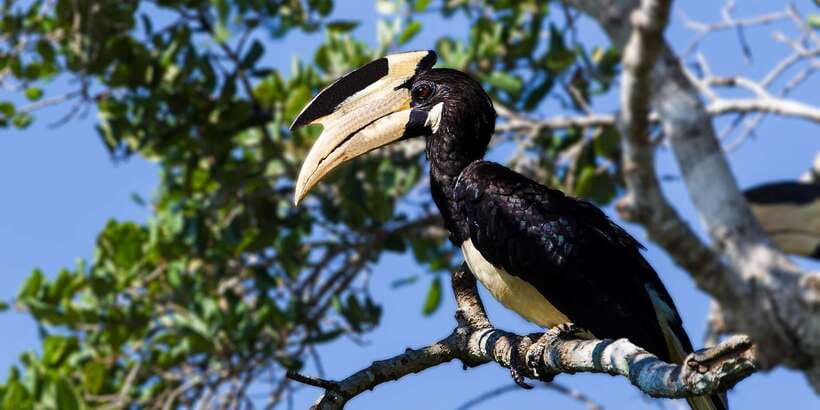
You can choose either a morning or evening 3-hour safari. In both cases, your biggest advantage is the same: you’re out during golden-hour light when animals and birds tend to be easier to see.
If you’re a photographer or serious birder, I’d lean toward the slot that matches your energy and the rest of your day. Morning tends to feel fresh and active; evening can be calmer and still productive for wildlife. What matters most is that you actually get there on time—your guide starts scanning right away, and earlier attention can pay off.
Also, check your available start times, since departures depend on availability.
What to bring so you don’t waste a single minute
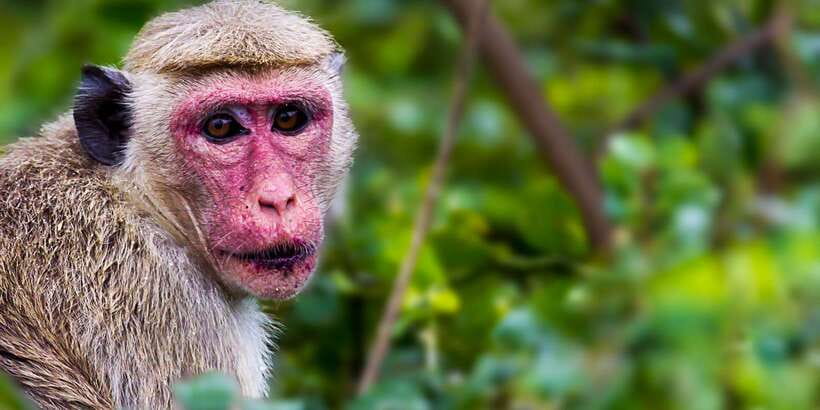
The tour is short, so don’t show up underprepared. Here’s what will help right away:
- Binoculars (if you have them). You’ll be scanning constantly for bird shapes, movement, and behavior.
- A charged camera and extra memory card. Golden light makes details pop.
- Light rain protection if your dates are during stormy periods—wetland days can be unpredictable.
- Comfortable clothes and shoes for uneven, muddy areas near the jeep and park edges.
- A small towel or wipes if you’re prone to getting dusty or muddy on safari roads.
If you have a favorite bird guide app, bring it—but don’t let it slow you down. Better to listen first, then confirm after your sighting if you’re still curious.
Who should book this Bundala bird safari?
This is a great match if you:
- want a birding-first safari with real wildlife scanning,
- like guided explanations that help you understand what you’re seeing,
- prefer a small-group jeep instead of a crowded bus-like tour,
- and need a short, high-impact outing from the Tissamaharama/Weerawila area.
It’s also a smart pick if you’re traveling with someone who enjoys birds but doesn’t want a full-day outing where the only target is feathers in the distance.
If you only care about one or two large mammals, you might find a longer safari more satisfying. But for most people visiting Bundala, this style hits the sweet spot.
Should you book the Bundala Birding Paradise safari?
I’d book it if you want a guided, bird-focused Bundala experience in a manageable 3-hour window. The small-group jeep format and habitat-based route give you a better shot at quality sightings than a DIY drive.
Before you go, do two smart things: confirm the park entrance fee process and have water ready since food and drinks aren’t included. If you’re good with that, you’ll get exactly what the tour promises—wild birds, mammals, lagoon life, and golden-hour viewing without eating your whole day.
FAQ
Where does pickup happen?
Pickup is available from hotels in the Tissamaharama/Weerawila areas, or you can pick up at the Bundala National Park gate.
How long is the safari?
The safari lasts about 3 hours.
What’s included in the price?
The tour includes hotel pickup (in the listed areas), safari jeep transportation, and a live English-speaking tour guide.
Are park entrance fees included?
No. Park entrance fees are not included.
Is food and drinks included?
No. Food and drinks are not included.
How big is the group?
The safari jeep is limited to a maximum of 6 passengers per jeep.
What time of day can I go?
You can choose either a morning or an evening safari. Starting times depend on availability.
What animals and birds should I expect to see?
You can look for migratory and local birds, plus mammals such as wild boar, porcupine, spotted deer, mongoose, wild buffalo, and the endemic jackal. The park also supports aquatic wildlife like turtles and crocodiles.
Can I cancel if plans change?
The tour offers free cancellation up to 24 hours in advance for a full refund.