REVIEW · TARRAGONA
Birdwatching in the Ebro Delta
Book on GetYourGuide →Operated by VIATGES NÉMON · Bookable on GetYourGuide
This part of the Ebro Delta feels quietly alive. You’ll base your trip around Les Olles lagoon and Fangars Bay, then scan viewpoints for birds while an environmental educator connects the dots between water, plants, and rice fields.
Two things I like a lot: you get a real guide who knows how to read the habitat, and the tour is designed as a small group (up to 10), so questions don’t get lost in the shuffle. In past seasons, I’ve seen guides such as Eli and Pep (and also David mentioned in feedback) explain the Delta in plain terms, not just rattle off species lists.
One thing to consider: this isn’t a walk-only outing. You’ll use your own car, and the guide needs space in it, so plan your ride accordingly.
In This Review
- Key highlights worth your attention
- Meeting in L’Ampolla and getting set up for birding
- Les Olles lagoon: the star of the show
- Why this lagoon stop is such good value
- The guide factor: Eli, Pep, and David-style explanations
- Rice fields and vegetation: why this isn’t only a bird tour
- Fangars Bay and the coastal route toward Illa de Mar
- Car logistics: you’ll drive, and the guide joins
- Timing, season, and what to expect sighting-wise
- Price: is $47 per person good value here?
- Who this tour suits best
- The best way to get more from it
- Should you book this birdwatching tour?
- FAQ
- How long is the birdwatching tour?
- Where do we meet the guide?
- Is transportation included?
- What birds might we see around Les Olles lagoon?
- What languages are available for the live guide?
- Is this tour suitable for wheelchair users?
Key highlights worth your attention

- Les Olles lagoon viewpoints for waterfowl sightings without rushing
- Coastline route to Illa de Mar adds variety beyond just the lagoon
- Flamingos plus smaller species like kingfishers and egrets, depending on timing
- Learning beyond birds: vegetation, dunes/plant life, and rice fields around the reserve
- Birdwatch-friendly pacing with car + short on-foot sections
- Small-group format (10 max) for clearer spotting and better Q&A
Meeting in L’Ampolla and getting set up for birding

The tour starts at the reception of Camping TAIGA l’Ampolla in L’Ampolla. From there, you begin by heading out by car, then you’ll switch to on-foot stretches around the key bird areas. The whole experience runs about 2.5 to 3 hours, which is a good length if you want real birdwatching time but don’t want your whole day eaten up.
Bring comfortable clothes. This is a weather-agnostic outing, so expect it to run in rain, shine, or wind. Birding in wind can actually be productive, since birds tend to move differently when the air shifts. Still, dress for it so you can stay focused on spotting rather than fidgeting.
Also, keep the rules simple: no alcohol or drugs, and no alcoholic drinks in the vehicle. Nudity is not allowed. It’s not about being fussy; it’s about keeping the group safe and respectful in a protected environment.
You can also read our reviews of more tours and experiences in Tarragona.
Les Olles lagoon: the star of the show
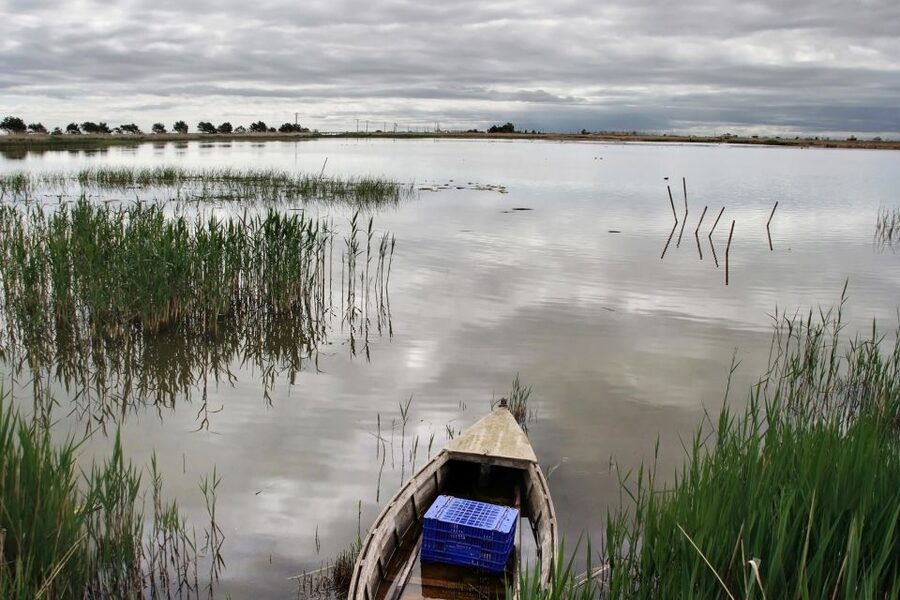
Les Olles lagoon is described as the smallest lagoon in the natural park, but it’s packed with waterfowl life. That’s the magic of the Ebro Delta in a nutshell: even “small” areas can act like busy streets for birds, because food, shelter, and water line up just right.
On this part of the tour, you’ll follow an environmental educator around the lagoon. The route uses viewpoints around the water, which matters more than it sounds. When you’re scanning a wetland, elevation and angle can be the difference between seeing a bird and seeing only reflections.
Here’s what you should keep an eye out for (the tour specifically mentions):
- Mallards
- Egrets
- Kingfishers
- Stilts
- And the headline bird: flamingos
Flamingos can feel like a birdwatching shortcut to wonder, but the real value is what your guide helps you notice once you’re looking at them. You’ll also learn how the lagoon’s conditions affect what you can see at any given moment: water movement, shoreline plants, and feeding areas all shape where birds gather.
Why this lagoon stop is such good value
At $47 per person, the price feels fair because you’re not just paying for a walk. You’re paying for:
1) a guide who can point out what matters, and
2) access to viewpoint stops you likely wouldn’t string together on your own.
If you’re new to birding, this part is especially useful. You get practice spotting patterns: shape, motion, and behavior, not just “that’s a bird.” If you already birdwatch, you’ll appreciate the habitat context.
The guide factor: Eli, Pep, and David-style explanations
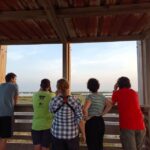
A bird tour lives or dies by the guide’s ability to translate a protected ecosystem into something you can actually see and understand. The feedback you’ll hear again and again praises exactly that: guides who explain the Delta’s formation and how different ecosystems connect.
In particular, names that have shown up in feedback include Eli and Pep, along with David. These guides aren’t just identifying species. They’re linking what you see to how the Delta works as a system, including ecosystems like rice fields and coastal areas.
One helpful extra that’s worth noting: in one tour experience, Pep provided binoculars for everyone. That’s not listed as standard, so don’t count on it. But if you don’t own binoculars, ask before the tour or plan to use your own if you have them.
If you’re into photos, you might also get practical pointers. In one instance, Pep added a short photography lesson even though it wasn’t part of the stated price. That’s a nice bonus if you’re the type who wants your memories to look better than your phone screen selfie.
Rice fields and vegetation: why this isn’t only a bird tour
After you’ve spent time scanning the lagoon, the educator turns your attention to the surrounding environment: vegetation and the rice fields that border the reserve.
This matters for two reasons.
First, birds don’t live in a vacuum. Food webs in the Ebro Delta connect wetlands, plant zones, and cultivated fields. When you know what grows where, you start to understand why birds choose certain spots at certain times.
Second, it changes how you experience the coastline drive later. You’ll recognize more than just birds. You’ll notice how dunes, plants, and water shapes create habitats in layers.
The tour also explicitly includes learning about the vegetation and rice-field ecosystem around the reserve. Even if you’re not a “botany person,” this part tends to click quickly once a guide ties it back to what you’re spotting through the day.
Fangars Bay and the coastal route toward Illa de Mar
Beyond Les Olles, the tour continues into the Fangar Bay area and runs along the coastline. The route is described as traveling along the entire coastline from L’Ampolla to the fishing port of Illa de Mar, all within the Ebro Delta Natural Park.
This is a great setup for people who worry that birding will mean the same view over and over. Instead, you get:
- car segments that relocate you along the coast,
- short on-foot viewpoints that let birds be the focus, and
- a changing backdrop as you move from lagoon-style habitat toward more coastal conditions.
From the feedback, you can also expect a sense of variety in species you may see while you go. Examples from past experiences include cormorants, ibis, canards (ducks), and smaller raptors, in addition to the flamingos and wading birds that are specifically called out in the tour description.
Not every species shows up on every day. But the structure of the tour helps. You’re not stuck hoping one bird decides to appear right where you’re standing.
Car logistics: you’ll drive, and the guide joins
Here’s the practical part that affects your day the most: participants use their own cars. The guide needs a place on your car, so you can’t just meet and hop out without a ride plan.
This changes the feel of the tour. Instead of touring like a bus group, you’re doing a coordinated self-drive with a guide who has local knowledge. That can be a strength: it keeps things flexible and can reduce waiting time at stops. The downside is obvious: your comfort with driving plans matters.
If you’re renting a car, it’s worth thinking about parking and ride sharing ahead of time. You don’t want to arrive stressed, because birdwatching is all about slow attention. Even a good guide can’t compete with a rushed group.
Timing, season, and what to expect sighting-wise
The tour runs about 2.5 hours (often described as 2.5–3 hours total). That’s enough time to get real searching done, but short enough that you won’t spend all day in a single spot. With birdwatching, timing is everything, and this route is built around areas where you can see a range of wetland birds.
The tour description specifically highlights these species around Les Olles:
- mallards
- egrets
- kingfishers
- stilts
- flamingos
In real-world birding, these sightings depend on momentary conditions. But the guide’s job is to help you notice what’s present and explain why it’s there. If you’re new to this, you’ll likely learn faster than you expect. If you’re experienced, you’ll still benefit from the habitat explanations that make your own future sightings more intuitive.
Price: is $47 per person good value here?
For $47 per person, you’re paying for:
- a local guide,
- a guided route that combines car + foot sections,
- access to lagoon and coastal viewpoints,
- and interpretation of vegetation, rice fields, and ecosystem relationships.
When you compare this to the cost of buying your own transport + spending hours trial-and-error searching for the best spots, the guided structure becomes the value. Also, small-group limits (10 participants) help keep the experience focused, which matters when everyone wants an unobstructed view at the same time.
The biggest cost to you isn’t money. It’s time and planning your car. If you already have transport and you’re okay with driving logistics, the price feels like a fair trade for real birdwatching guidance.
Who this tour suits best
This is a strong match if you want:
- birdwatching with an educator (not a rushed ID-only walk),
- a guided look at the Ebro Delta’s ecosystems like rice fields and coastal habitats,
- and a route that goes beyond one single viewpoint.
It’s also good if you’re traveling with mixed interests. Even if birds aren’t your top hobby, the guide’s explanations about the Delta’s formation and surrounding vegetation can make the experience worthwhile on its own.
If you’re someone who likes easy mobility and step-by-step flat walking only, note the tour includes both car travel and walking. It’s also not suitable for wheelchair users, so you’ll want to choose differently if accessibility is a requirement.
The best way to get more from it
You’ll get more from the tour if you show up ready to slow down. Birdwatching rewards patience, not speed.
A few smart moves:
- Wear comfortable clothes you can move in, since you’ll be walking near viewpoints.
- Think ahead about weather. Windy days are normal here, so plan layers.
- Bring your curiosity. The guide explanations about vegetation and rice fields are part of the point, not filler.
- If you own binoculars, bring them. In one past experience, the guide provided binoculars for everyone, but it’s safer to be self-sufficient.
And mentally switch from I’m looking for birds to I’m learning the habitat. That shift usually makes the sightings feel better even when you don’t get every species you hoped for.
Should you book this birdwatching tour?
Book it if you want a guided Ebro Delta experience that focuses on real ecology and real birdwatching time around Les Olles lagoon and Fangar Bay. The small group size, strong guide reputation (including Eli, Pep, and David in past groups), and the mix of lagoon + coastal route are a solid recipe for a satisfying half-day.
Skip it or rethink if:
- you don’t want to handle your own car logistics,
- you need wheelchair-friendly access,
- or you’re expecting a long, bus-style tour where you never participate in transport planning.
For most people who come to the Ebro Delta with at least a little curiosity about nature, this hits a great sweet spot: close enough to feel personal, structured enough that you won’t be guessing, and educational enough that you’ll leave understanding what you saw.
FAQ
How long is the birdwatching tour?
The tour lasts about 2.5 hours, with some descriptions noting roughly 2.5 to 3 hours total.
Where do we meet the guide?
You meet the guide at the reception of Camping TAIGA l’Ampolla in L’Ampolla.
Is transportation included?
No. You use your own car for the tour, and the guide needs a place in your vehicle.
What birds might we see around Les Olles lagoon?
The tour specifically mentions looking for mallards, egrets, kingfishers, stilts, and flamingos.
What languages are available for the live guide?
The live tour guide is offered in English, French, Spanish, and Catalan.
Is this tour suitable for wheelchair users?
No, the tour is not suitable for wheelchair users.