REVIEW · BULGAN PROVINCE
Camel Trails and Bird Tales: Discovering Elsen Tasarkhai
Book on GetYourGuide →Operated by Central Mongolia tour · Bookable on GetYourGuide
Camels in sand dunes are a rare way to spend a day. This Elsen Tasarkhai outing takes you from Ulaanbaatar into Bulgan Province’s Semi-Gobi desert for camel riding and time around a lake where birds show up.
I especially like the tight bundle of desert + wildlife: dunes in the morning, then lake and bird watching later. You’ll also get a real taste of “mini Gobi” terrain—rugged, dry, and wide open in a way that makes the drive feel less like a chore and more like part of the story. The one thing to consider is the logistics: it’s a long day on the road, and there’s often no English-speaking guide on board.
In This Review
- Key Things You’ll Notice on This Trip
- The Semi-Gobi Day Trip: why Elsen Tasarkhai works
- From Ulaanbaatar to the dunes: the long drive reality check
- Camel riding in the Semi-Gobi dunes: what you should expect
- Hiking, photos, and mini Gobi scale: making the dunes worth your time
- Lake stop and bird watching: where the second act happens
- Yurt culture and tea pauses: the human side of the desert
- Driver and language reality: what you need to plan for
- Practical stuff that can make or break comfort
- Price and value: is $130 fair for what you get?
- Who should book this tour (and who should skip)
- Should you book Camel Trails and Bird Tales?
- FAQ
- How long is the tour, and what time does it start?
- What’s included in the price?
- Is bottled water included?
- Do we have an English-speaking guide?
- What activities are planned besides camel riding?
- What kind of desert is this?
Key Things You’ll Notice on This Trip
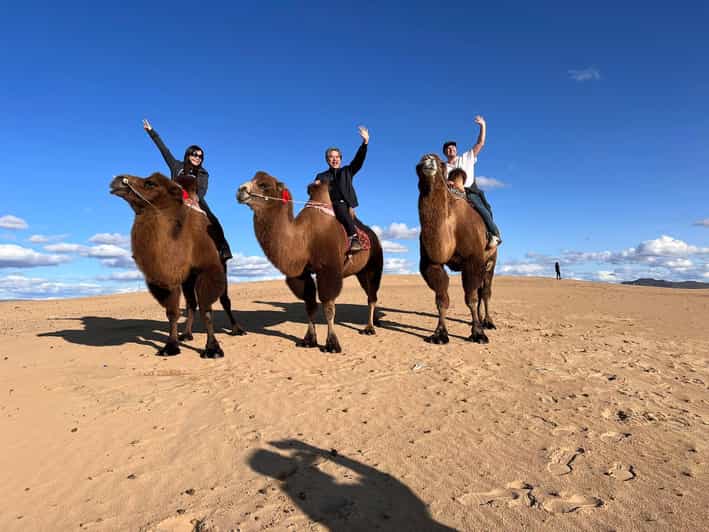
- Elsen Tasarkhai dunes: camel riding plus free time to hike and take photos
- Semi-Gobi / mini Gobi: a good alternative if Great Gobi is out of reach
- Lake + birds: a calmer second act after the sand and wind
- Long Ulaanbaatar drive: big chunk of the day is spent in the car
- Driver communication matters: there may not be an English-speaking guide
- Cultural pause can happen: some routes include a quick nomad yurt stop for tea and snacks
The Semi-Gobi Day Trip: why Elsen Tasarkhai works
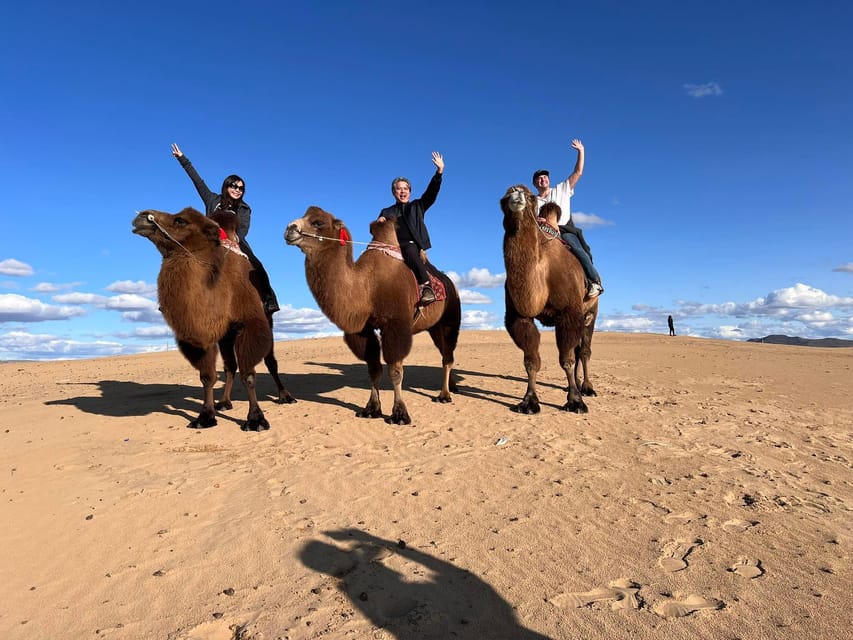
Elsen Tasarkhai sits in Bulgan Province, and that location is the whole point of this tour. It’s far enough to feel like an escape, but it’s still a single-day option from Ulaanbaatar. If you’re chasing the “desert mood” without committing to a multi-day Great Gobi expedition, this is the practical compromise.
What I like here is how the day is paced around two very different environments. You start with dunes—heat, wind, and that bumpy camel rhythm—then shift to a lake area where the mood cools down and birds take over. It’s a simple structure that keeps the day from feeling monotonous.
From Ulaanbaatar to the dunes: the long drive reality check
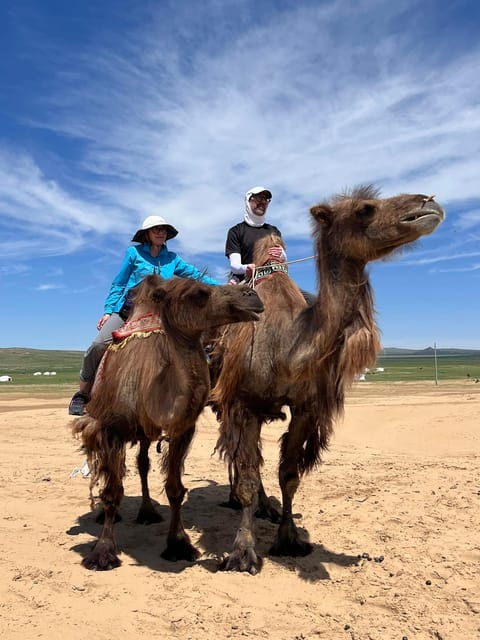
You leave Ulaanbaatar around 8:00 AM and you’re back in the city around 19:00. That’s roughly an 11-hour day, and the driving can be a big part of it. One traveler put it bluntly: most of the time is spent in the car, with long stretches where it feels like the vehicle isn’t really going anywhere.
Still, the drive isn’t just empty time. The route takes you across Mongolian steppe scenery, and the destination grows more dramatic as you get closer to the Semi-Gobi dunes. If you’re the kind of person who enjoys watching the terrain change—rather than treating the road as wasted hours—you’ll probably feel better about the distance.
My practical take: plan for a seat-sitting day. Pack things that make long road time comfortable (snacks, a warm layer, and something to occupy yourself during stops). This tour is worth it most when you accept the travel time as part of the experience.
Camel riding in the Semi-Gobi dunes: what you should expect
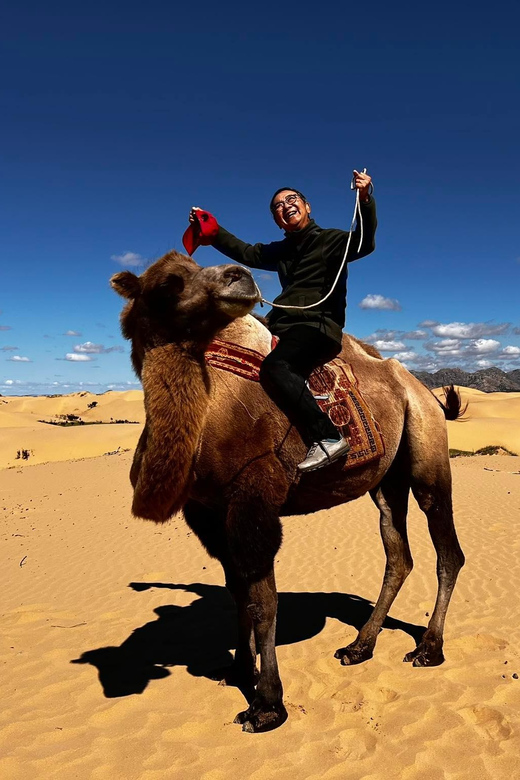
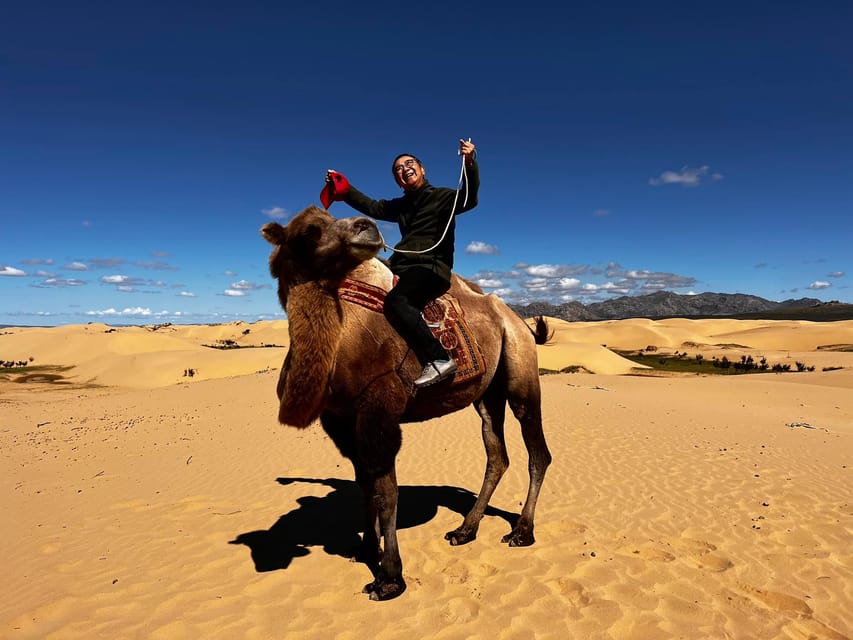
Camel riding is the headline activity, and it’s where the day earns its name. After you arrive, you’ll do the ride through the rolling sand dunes in Elsen Tasarkhai. In real terms, it’s not a slow museum-style photo stop. You’re on a moving animal over uneven ground, and that means it feels physical in the best way—wind in your face, sand underfoot, and constant attention to balance.
The tour is designed for a one-day format, so the camel portion won’t be a week-long trek. Your ride is paired with other dune time so you can still enjoy the bigger desert environment even if the camel time itself is brief.
One detail I think matters: you’re riding in a place built for views. Even if your focus is the camel, you’ll keep noticing the horizon and the way the dunes shape light and shadow. It’s the kind of setting where photos actually look like they belong on a Mongolia postcard.
Hiking, photos, and mini Gobi scale: making the dunes worth your time
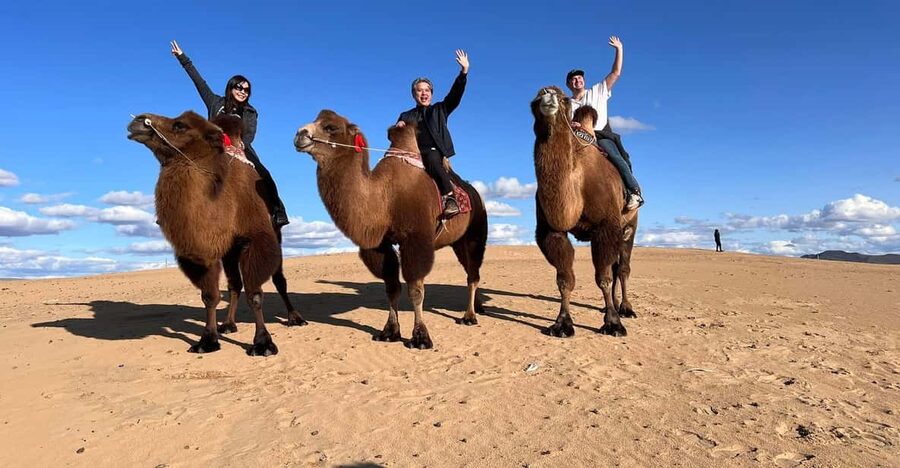
After camel riding, you’ll have time to explore the area on foot. The dunes of the Semi-Gobi are perfect for quick hikes because the terrain invites movement without requiring special gear (as long as you dress for sand and wind).
This is also when you’ll want to slow down. Use the free time to walk up to better viewpoints, take photos when the light softens, and just soak in the quiet. In a flat region, the slightest elevation matters, and you’ll see why when you stand somewhere higher and look back at the ridges you climbed.
For people who worry they’ll rush through the dunes, this is the part that balances the day. Camel riding is time on an animal. Hiking is time in the environment. Together, they give you both the action and the stillness that make desert trips memorable.
Lake stop and bird watching: where the second act happens
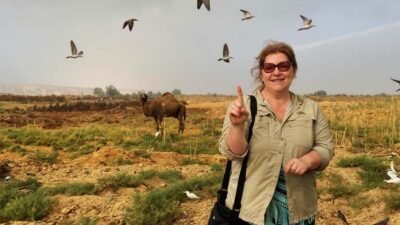
The itinerary includes a visit to a nearby lake after the camel portion. The goal here is bird watching, and it’s a smart contrast to the dunes. Sand is all texture and wind. A lake brings water, calmer air, and the chance to spot birds moving along the shoreline or resting nearby.
What to do in this segment is mostly simple: stand, look, and give yourself enough patience to notice movement. Bird activity can be subtle, especially in open areas where birds blend into the environment. If you’re coming from the city, this is a nice reset—less bouncing around, more observing.
You’ll also likely get some free time to wander and relax around the lake area. Don’t underestimate how good that feels after hours of driving and camel riding. Even if you’re not a hardcore birder, it’s still a peaceful pause.
Yurt culture and tea pauses: the human side of the desert
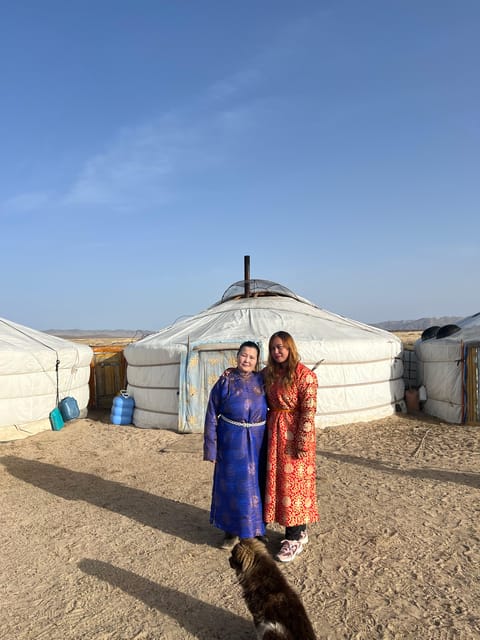
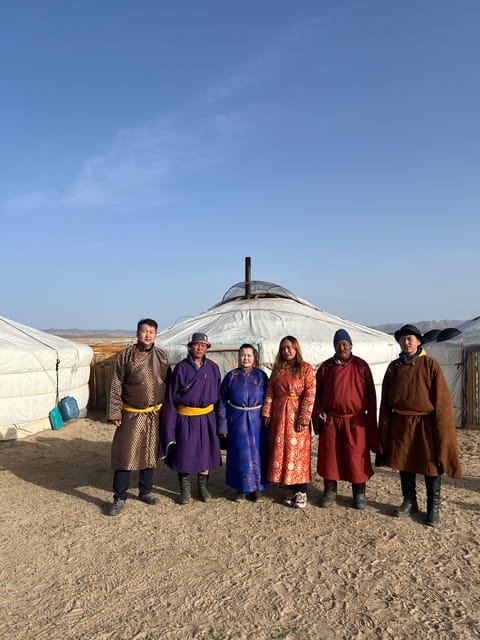
Some routes include a brief stop at a nomadic family in their yurt. On certain days, you may be offered tea and milk, plus home-baked cookies. You might also ride camels with the head of the nomad family during a shorter step into the steppe and dunes.
This kind of stop is valuable because it turns the day from a scenic drive into a cultural encounter. You’re not just looking at Mongolia from a distance. You’re stepping into a real household moment—however brief—and that adds meaning to the desert setting.
There’s one practical note: this stop can be affected by the season and special dates. During Lunar New Year timing, one guide adjusted what was possible and let people know ahead of time, so the plan could shift. If your travel dates overlap with major holidays, expect some flexibility.
Driver and language reality: what you need to plan for
An important detail: there may not be an English-speaking guide. The tour is still workable, but you’ll need to communicate the itinerary clearly with your driver.
Good news: the tour information notes that pickup can be done with Mongolian or English language drivers, especially depending on tourist season. If you get an English-capable driver, you’ll likely get more context during the drive and clearer guidance at each stop.
The name Angarag comes up in the experiences shared by people on this route. One traveler praised Angarag’s organization and photo help, and another highlighted how the guide gave lots of useful information. If you’re lucky enough to get a strong communicator, this can make the long day feel smoother and more informative.
My advice: before you go, review your schedule and jot down key times and stop names. Ask your driver to confirm what’s happening when. It’s a small move that prevents confusion later, especially when you’re deep in rural areas.
Practical stuff that can make or break comfort
This tour is simple, but comfort comes down to what you bring and how you handle weather.
- Water: bottled water isn’t included, so plan to buy or bring your own.
- Clothing: dunes and open country can mean wind and temperature swings from morning to evening.
- Photos: sand plus wind means you’ll want to keep lenses safe and wipe off gear if needed.
- Pace: part of the day is driving. Bring snacks or something you can munch during the ride.
Also, think about timing. Lunch is around 13:00. That’s helpful because it breaks up the morning drive and gives you energy before camel riding. If you’re sensitive to long travel days, eat something extra earlier too, just to avoid getting stuck waiting for lunch.
Price and value: is $130 fair for what you get?
At $130 per person, this is positioned as a budget-friendly way to reach the Semi-Gobi without paying for a longer expedition. The big value drivers are: hotel pickup/drop-off, car transport, camel riding, lunch, and the lake and bird watching portion.
Where the price makes sense is also where the trade-off shows up. One traveler pointed out that the cheap cost relates to the lack of an English-speaking guide on many days, and that can limit how much context you hear during stops. If you prefer a guide who narrates everything in detail, you may feel the difference.
On the other hand, if you’re happy to focus on the activities and the scenery, $130 can feel like a reasonable deal for a full-day desert outing. A long drive doesn’t automatically mean poor value. In places like this, the scenery and destination are part of why the day exists.
My bottom-line value test: if you genuinely want camel riding in a desert setting and you can tolerate a long road day, this price is fairly aligned. If you’re mainly chasing camel time and you hate sitting in a car, you’ll likely feel it’s too much distance for too little time on the sand.
Who should book this tour (and who should skip)
This tour fits best if you want a fast taste of Mongolia’s Semi-Gobi desert world. It’s especially good for people who can’t do Great Gobi and want something closer to Ulaanbaatar. It also works well for travelers who love wide-open views and don’t mind that the day is built around travel time.
You might want to skip or choose another option if:
- you’re very sensitive to long driving days,
- you expect a full-time English guide narrating every stop,
- you’re mainly interested in the camel ride itself and don’t care about hiking, lake time, and bird watching.
If you enjoy flexible, outdoorsy days with a mix of action and quiet observation, you’ll probably be happy with the structure.
Should you book Camel Trails and Bird Tales?
I’d book this if your dream includes Elsen Tasarkhai camel riding plus time in the dunes and a calmer lake stop with bird watching. The $130 price can be good value, especially because you’re getting a full-day package with transport, lunch, and entry to the key moments.
I’d think twice if you’re expecting a short, efficient tour. This is a long-day road trip, and the comfort level depends heavily on your driver, your patience, and your willingness to see the countryside en route.
If you do book, come prepared to communicate, bring water, and dress for wind. That way, the day feels like a desert adventure instead of a marathon drive.
FAQ
How long is the tour, and what time does it start?
The tour departs Ulaanbaatar at 8:00 AM and you return to the city around 19:00.
What’s included in the price?
The package includes hotel pickup and drop-off, car transport, camel riding, lunch, a lake visit, and bird watching.
Is bottled water included?
No. Bottled water is not included, so plan to buy it separately or bring your own.
Do we have an English-speaking guide?
There may be no English-speaking guide. The tour advises you to communicate the itinerary clearly with your driver, and pickup can involve a Mongolian or English language driver depending on conditions.
What activities are planned besides camel riding?
After camel riding, you’ll have time to explore the area and you can hike the dunes, plus you’ll visit the lake for bird observation.
What kind of desert is this?
You’ll be in the Semi Gobi Desert, often described as a mini Gobi option for those who can’t travel to the Great Gobi.