REVIEW · ALGARVE
Faro: Eco-Friendly Ria Formosa Bird Watching in Solar Boat
Book on GetYourGuide →Operated by fromherefaro · Bookable on GetYourGuide
Quiet solar boat, loud birds. This Faro trip turns the Ria Formosa National Park into a moving classroom, with the landscape shifting as the tide swings. You’ll spend time in the saltwater canals where birds feed and then return to Rua da Porta Nova when the light changes again.
I love the solar-powered boat feel: it’s smooth, shaded, and quiet enough that you’re not blasting the habitat. I also like the provided binoculars and the way the local guide ties what you see to the plants, tides, and bird behavior.
One thing to consider: this experience is not suitable for wheelchair users, so plan on being able to manage steps and time on the boat comfortably.
In This Review
- Key things to know before you go
- Ria Formosa shifts fast: that’s the whole point
- Rua da Porta Nova meeting point and getting settled
- The solar boat ride: quiet travel that doesn’t crowd wildlife
- The 1-hour guided time in the Parque Natural da Ria Formosa
- Birdwatching in motion: canals, calls, and real hunting moments
- What you learn: tides, feeding rhythms, and human use of the wetlands
- Species you can realistically hope for (and how to spot them faster)
- Price and value: what $47 buys you in practice
- Small group comfort: why it feels relaxed on the water
- What to bring and what to plan for (so nothing ruins your flow)
- Who should book, and who should skip this
- Should you book Faro eco-friendly bird watching by solar boat?
- FAQ
- FAQ
- How long is the Faro eco-friendly bird watching tour?
- Where is the meeting point?
- How much does it cost?
- What’s included in the tour price?
- Are food and drinks included?
- What should I bring with me?
- What languages will the guide speak?
- Is free cancellation available?
- Can I reserve and pay later?
- Is this activity wheelchair-accessible?
Key things to know before you go
- Solar power keeps it quiet so birds behave naturally while you watch
- Tides change the whole scene: about a 3-meter rise and fall every 6 hours
- Saltwater canals = real bird feeding habitat, not a generic shoreline stop
- Small group (up to 12) helps the skipper position the boat for better viewing
- Local guides like Iris, Sebastian, Andre, and Miguel are praised for spotting birds fast
- Bring snacks and water since food and drinks are not included
Ria Formosa shifts fast: that’s the whole point
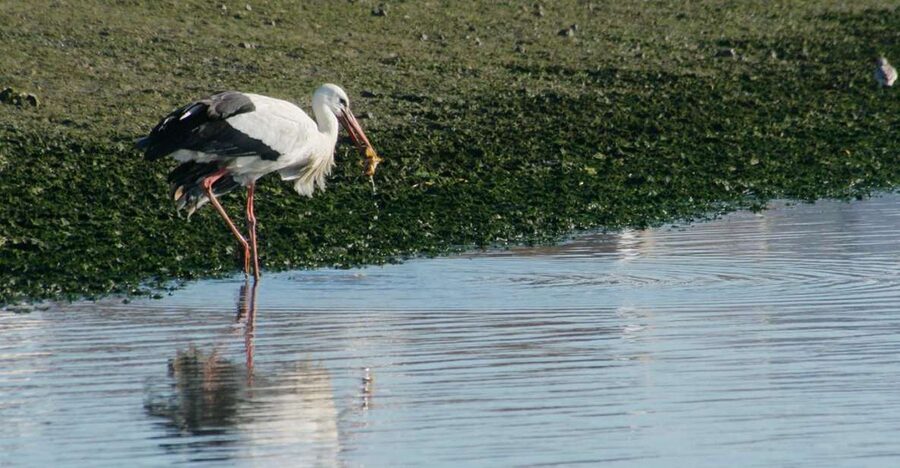
The Ria Formosa is one of those places where you can look away for an hour and come back to a different world. The big reason is the tide: the sea level rises and falls around 3 meters every 6 hours. That rhythm reshapes where water flows, where food concentrates, and what birds can reach.
On the water, you’re not watching a static backdrop. You’re watching an ecosystem at work. When the canals hold the right mix of shallow water and exposed edges, birds move in to feed. When the water changes, their patterns change too. It’s one of the most practical reasons to do birding here instead of trying to force sightings on a single fixed viewpoint.
You can also read our reviews of more tours and experiences in Algarve.
Rua da Porta Nova meeting point and getting settled
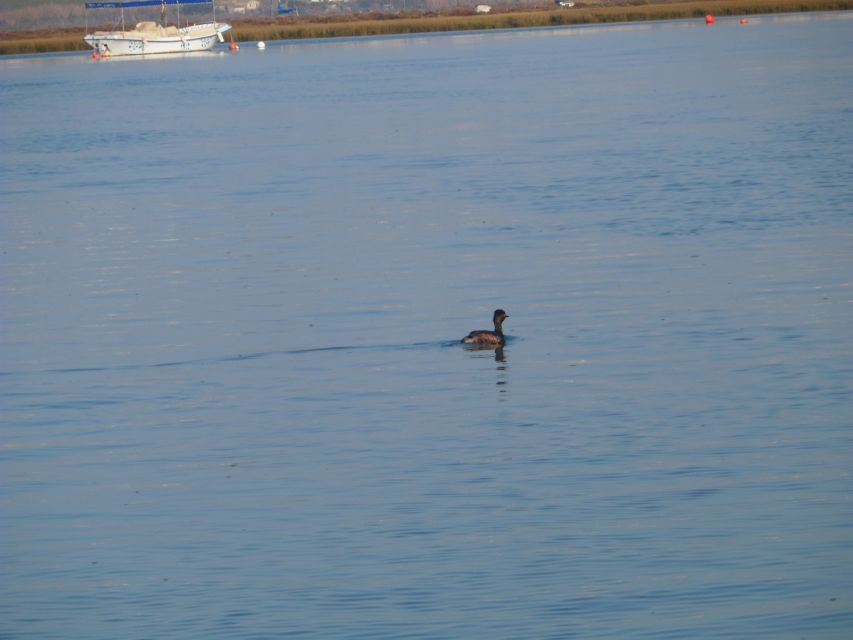
You start at Rua da da Porta Nova (8000-250 Faro), at the kiosk with bird advertising. It’s close enough to Faro that you can fit it into a day of sightseeing, but you still want to handle logistics early. One useful tip I’d follow: arrive with a little buffer, because parking in the area can be tight and you may need a short walk to get to the meeting spot.
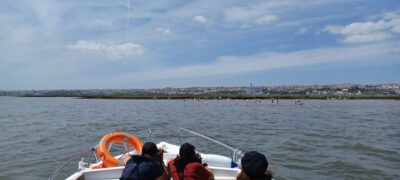
Once you’re aboard, the boat experience matters. This isn’t just about getting on water; it’s about how you move through protected habitat. The solar boat is quiet and slow, and you feel the difference right away. The captain and guide can focus on finding birds and choosing where to slow down, rather than rushing you past a checklist of views.
The solar boat ride: quiet travel that doesn’t crowd wildlife
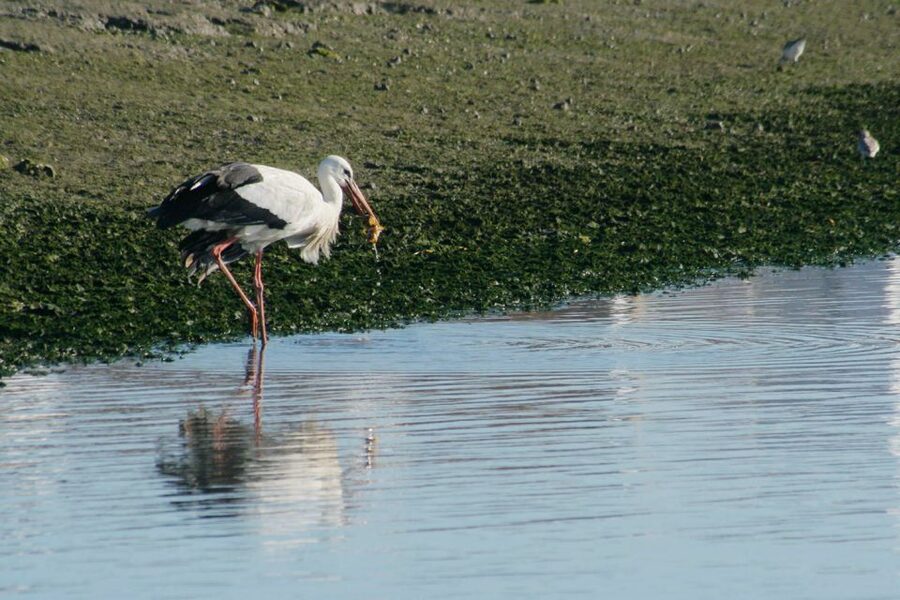
This is a 2-hour tour, and most of the value is in the combination: time on water plus guided interpretation. You’ll get an experienced skipper and local guide aboard, along with binoculars. That setup matters because it lets you look longer and identify more, not just point in the general direction and hope.
The solar power isn’t a marketing extra here. Reviews repeatedly describe the boat as quiet, smooth, and shaded—meaning you can stay focused on spotting without fighting noise or heat. People also comment that the boat’s quiet approach helps you see birds at closer range than from noisier options, because you’re not constantly disturbing them.
The practical upside for you: you’ll have an easier time observing natural behavior. Predatory birds hunt, waders probe, and flocks shift location without the whole scene feeling disrupted.
The 1-hour guided time in the Parque Natural da Ria Formosa
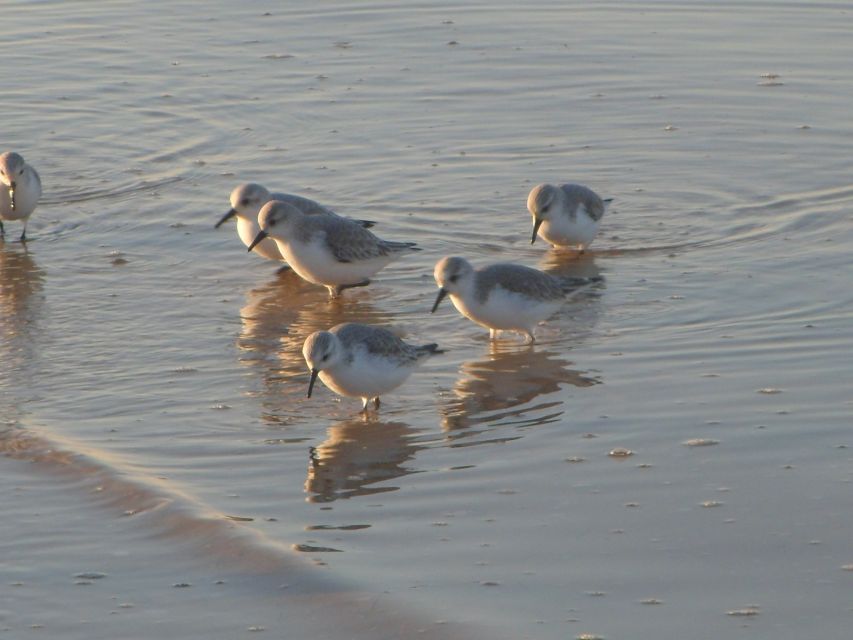
The heart of the tour is about 1 hour of guided birding and ecosystem learning inside the Ria Formosa area. This is where the guide turns your sightings into something you can actually understand.
Here’s what the guide is looking to show you:
- Saltwater canals where birds feed
- Nesting activity, including the dozens of nests birds use within the park
- How predatory birds hunt and what their movement says about the water and prey below
- The way the ecosystem supports both wildlife and local livelihoods
The guide will also connect what you’re seeing to the larger system: the wetlands act like a self-regenerating machine. Food cycles through the water and mud, and the birds return year after year because the habitat supports migratory needs.
In plain terms: you’re not just learning names of birds. You’re learning why the birds show up here at all.
Birdwatching in motion: canals, calls, and real hunting moments
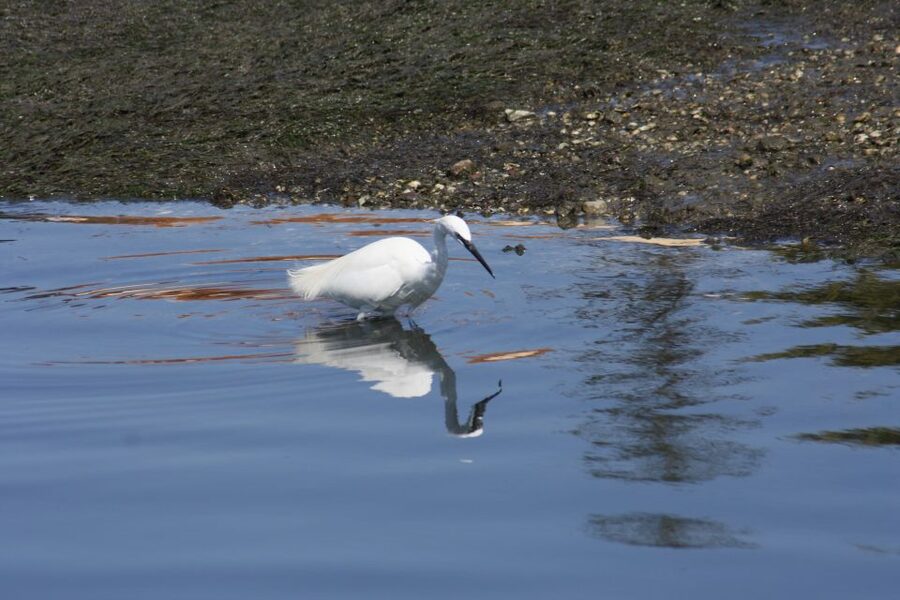
One of the best parts of the experience is the way the skipper navigates a maze of canals. Instead of one big sweep, you get short stretches where the boat slows, and the guide scans. You start hearing the bird calls more than seeing them at first, then the calls lead your eyes to a shape, a silhouette, or sudden movement.
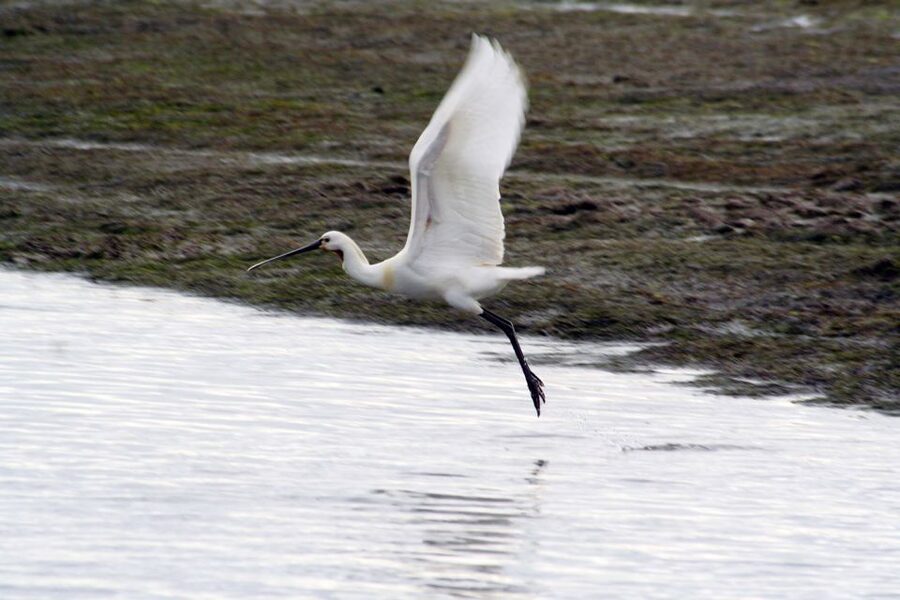
People consistently mention close encounters with birds of prey, including osprey sightings where the bird hunts and then circles for a perch or sitting spot. You may also see other marsh and shore birds, with examples like kingfisher, spoonbills, ruddy turnstone, stork, and marsh harrier showing up on past outings. Flamingos can happen too, though they’re not a sure thing in every season or micro-habitat.
A quick reality check for you: birding is still birding. Even on great days, timing and tide level affect what’s present. The good news is that this tour is built around that truth. The skipper and guide don’t just stop at one place and hope; they move with the conditions.
What you learn: tides, feeding rhythms, and human use of the wetlands
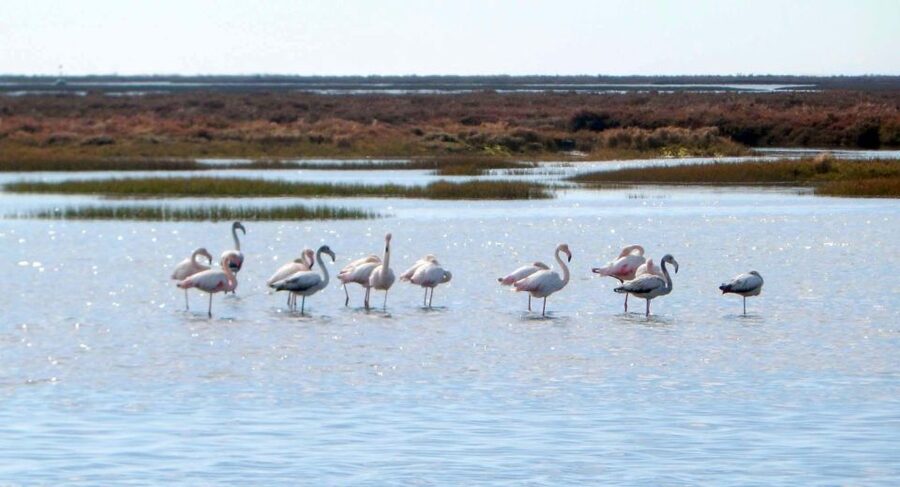
A big part of the value is the ecosystem context. The Ria Formosa isn’t only for birds. Part of the local population also depends on the wetland—especially through fishing and shellfish production.
That matters to your understanding because it helps explain why this habitat stays productive. The wetland’s cycles—water movement, nutrients, shellfish growth—support food chains. Migratory birds come because there’s enough to eat, and because the wetland changes in predictable ways with the tide.
So when you notice the boat shifting locations, you’re also learning how the ecosystem shifts. Birds aren’t randomly appearing. Their behavior is tied to what the water level is revealing and what prey is accessible.
Species you can realistically hope for (and how to spot them faster)
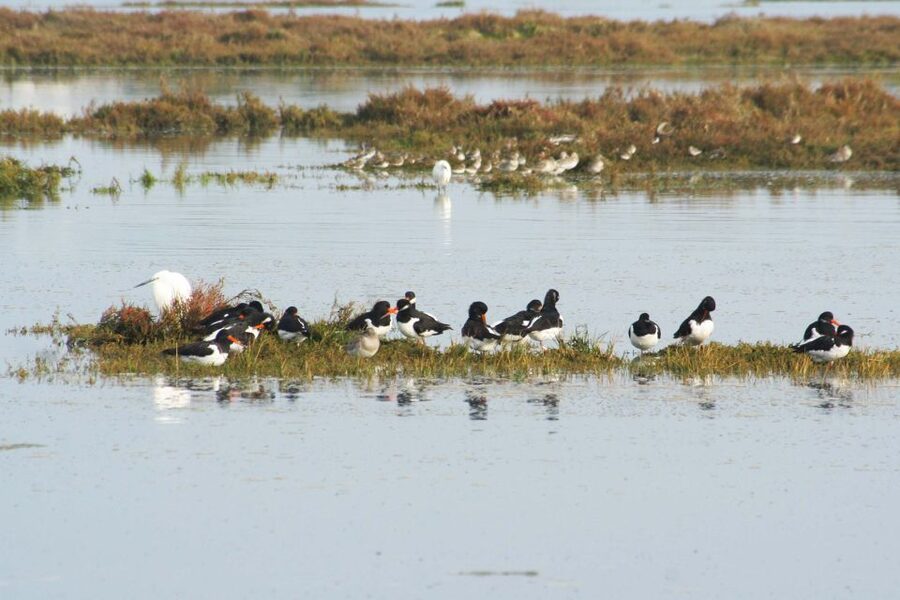
You’ll get the most from this tour if you go in with a simple strategy: watch the water edges, scan for silhouettes, and let the guide do the hard part (spotting and interpreting behavior).
From past outings, some likely highlights include:
- Wading birds such as spoonbills
- Shore and rocky-edge types like ruddy turnstone
- Marsh residents and raptors, including marsh harrier
- Fish-eaters like kingfisher
- Big birds and frequent visitors such as stork
- The showier surprises like flamingos and ospreys
How to make it easier in real life:
- Use the binoculars early, not after you think you know what you’re seeing.
- Watch for movement patterns: hunting birds often hover or angle differently than foraging waders.
- Pay attention when the guide describes where prey is likely to be relative to the tide.
If you want a laugh at yourself in a good way: it’s common to miss the bird until it suddenly moves. That’s normal. The guides mentioned in reviews—people like Iris, Sebastian, Andre, and Miguel—are praised for finding those silhouettes quickly and then translating what you’re seeing into something you can remember.
Price and value: what $47 buys you in practice
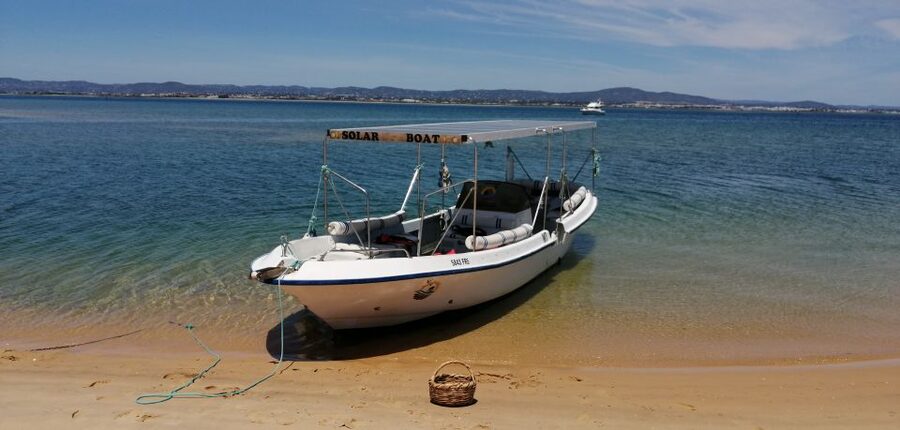
At $47 per person for a 2-hour outing, the value isn’t just time on a boat. It’s what’s included: binoculars plus guides who focus on local fauna and flora. You’re also paying for a solar-powered vessel and a small group experience (up to 12 participants), which helps with boat positioning and makes the tour feel less like a conveyor belt.
You should also think about the trade-off of what’s not included. Food and drinks are on you, and that’s not a small detail in Faro. If you’re going from a morning of walking or museum time, plan a snack break before you meet the boat. Bring water too, even if you’re not expecting heat. Birding turns you into a watcher, and watching makes time feel longer.
Small group comfort: why it feels relaxed on the water
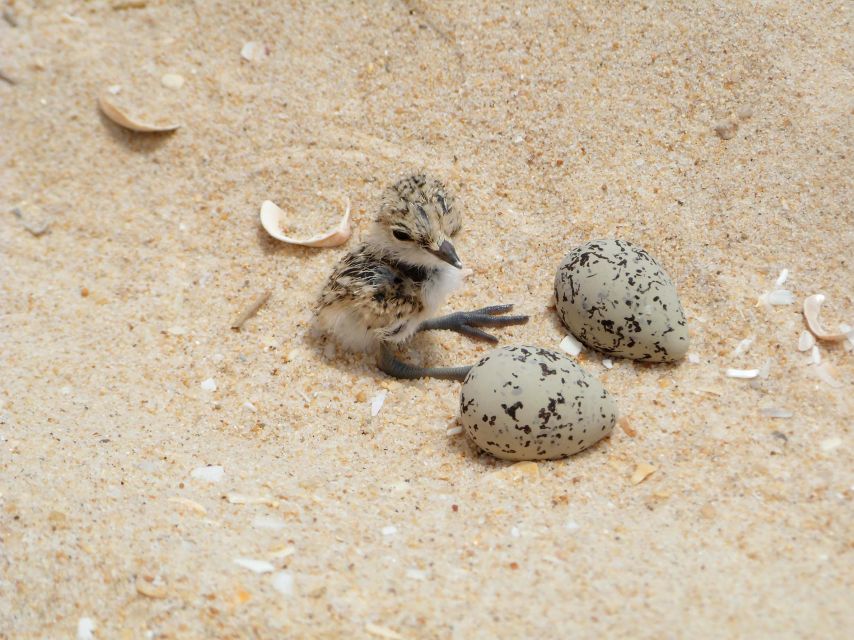
A group limit of 12 changes the vibe. With fewer people, you’re more likely to get decent viewing angles and less crowd noise. Several guides are described as constantly scanning and pointing out birds and wildlife, and that’s much easier when the group isn’t packed tight.
Also, the boat itself is described as shaded and quiet. That matters because it keeps you comfortable enough to stay patient while the guide checks a distant silhouette or waits for a bird to relocate.
One more practical point: if you’re sensitive to wind or sun, the shade can be a real help. It’s not a substitute for sunscreen, but it can make the ride more comfortable.
What to bring and what to plan for (so nothing ruins your flow)
This trip is simple, but you’ll have a better experience if you show up prepared:
- Food and snacks
- Water
- Comfortable clothes
- Sunscreen
Add your personal extras like a hat or light layer if you run cold on water, but keep it practical. The big thing is to avoid the situation where you’re rationing energy while you’re trying to watch birds.
Weather can also play a role. The tour can be canceled in unfavorable weather, with notification in advance if that happens. If you’re staying in Faro for multiple days, you’ll be able to adjust timing and still get your birding fix.
Who should book, and who should skip this
This tour is a strong fit if:
- You like quiet nature time more than party-style sightseeing
- You want an easy entry point into bird ID using binoculars
- You’re curious about how tides shape life in wetlands
- You enjoy guided interpretation, not just free-form looking
It may not be the best fit if:
- You use a wheelchair (the tour is not suitable for wheelchair users)
- You expect guaranteed flamingos or guaranteed birds. In wetlands, the tide and timing decide what’s present
If you’re a first-time birder, don’t worry. The guides help you connect what you see to the bigger ecosystem. If you’re a regular bird watcher, you’ll likely appreciate the calm approach and the way the skipper moves through canals rather than forcing quick photo stops.
Should you book Faro eco-friendly bird watching by solar boat?
I’d book this if you want a high-value, low-pressure way to experience the Ria Formosa. You get a solar boat that keeps the habitat calmer, binoculars that make spotting easier, and a guide who links bird behavior to tides, nesting, and the wetland’s self-regenerating life. For people who care about wildlife and don’t want to feel like they’re barging into nature, this is a smart match.
If you’re going only on a tight schedule and you can’t handle weather changes, consider your flexibility. But if you can plan for a day where you’re ready to be outside for two hours and just watch what happens, this is one of those Faro activities that makes the destination feel real.
FAQ
FAQ
How long is the Faro eco-friendly bird watching tour?
The tour lasts 2 hours total.
Where is the meeting point?
The meeting point is at Rua da Porta Nova, 8000-250 Faro, at the kiosk with bird advertising.
How much does it cost?
The price is $47 per person.
What’s included in the tour price?
Binoculars are included, and you’ll have an experienced skipper plus a local guide with fauna and flora information.
Are food and drinks included?
No. Food and drinks on board are not included.
What should I bring with me?
Bring food, snacks, water, comfortable clothes, and sunscreen.
What languages will the guide speak?
The live guide language options listed are Portuguese, English, and Spanish.
Is free cancellation available?
Yes. You can cancel up to 24 hours in advance for a full refund.
Can I reserve and pay later?
Yes. The offer includes reserve now & pay later.
Is this activity wheelchair-accessible?
No. It is not suitable for wheelchair users.
If you tell me when you’re visiting Faro (month is enough) and whether you care most about raptors like osprey or waterbirds like spoonbills, I can help you pick the best time window for the kind of sightings you want.