REVIEW · ALGARVE
Faro: Ria Formosa Eco Birdwatching Boat Tour
Book on GetYourGuide →Operated by Lands - Turismo na Natureza · Bookable on GetYourGuide
Quiet boats, loud birds. In Faro, this 2-hour solar-powered eco trip turns the Ria Formosa Lagoon into a calm, guided wildlife hunt, with Andre often spotlighting where to look and how to name what you see. I like that it stays practical and low-stress, even when the birds are being shy.
Second, I really value the small-group setup (up to 10 people) plus live commentary in English, Spanish, and Portuguese. Your guide doesn’t just point out birds, they explain lagoon life and how people and nature share this protected area.
One possible drawback: spotting can be trickier if conditions aren’t ideal, and binoculars quality can be hit or miss. If you come in early May, you may also find fewer birds than the big peak-season frenzy.
In This Review
- Key things to know before you go
- Ria Formosa’s bird magic: why Faro has this kind of wildlife
- Where you start in Faro: Cais das Portas do Mar
- On the water: how a solar boat changes the experience
- The real viewing challenge: seeing birds while moving
- Your guide’s job: species names, lagoon ecology, and smart spotting
- What the guide adds beyond bird spotting
- What you’ll likely see: herons, spoonbills, and how season changes the odds
- Binoculars, sun, and small tips that make a big difference
- Where the tour goes inside the lagoon: why that matters
- April and May option: the calmer Ria Formosa walk
- Price and value: is $47 worth it for a 2-hour eco tour?
- Who should book this eco birdwatching boat tour
- Who it’s not for
- Should you book the Faro Ria Formosa Eco Birdwatching Boat Tour?
- FAQ
- FAQ
- How long is the Faro Ria Formosa eco birdwatching boat tour?
- Where does the tour depart from?
- What’s included in the price?
- What languages is the live guide commentary available in?
- How big is the group?
- Is it suitable for wheelchair users?
- What should I bring?
- What’s not allowed during the tour?
- What’s different about April and May?
Key things to know before you go
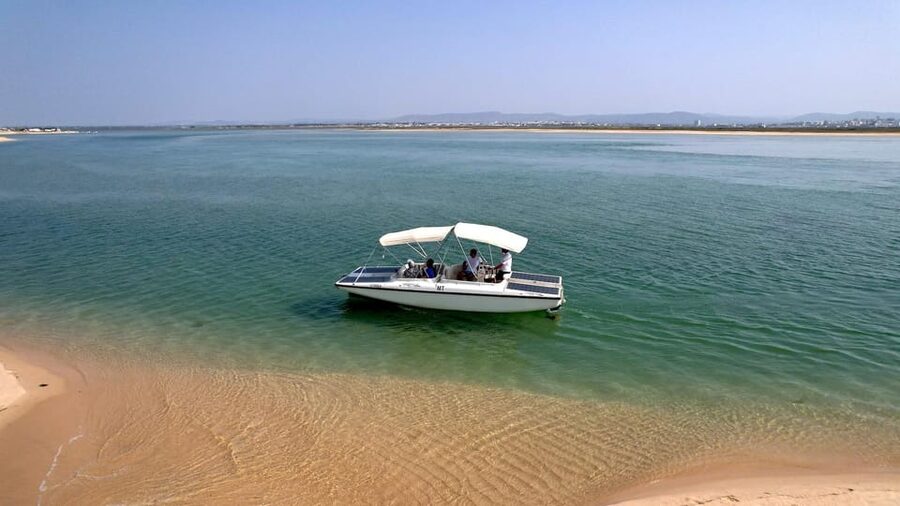
- Solar-powered boat: quieter engine noise means less disturbance for birds and better wildlife viewing.
- Small group, up to 10: easier to move your attention to the guide’s spotting cues.
- Binoculars + life vests included: you’re not scrambling for gear at the last minute.
- Live guide commentary: species names and lagoon ecology are part of the experience, not an afterthought.
- Best when you’re patient: moving boat viewing is possible, but steady looking helps.
Ria Formosa’s bird magic: why Faro has this kind of wildlife
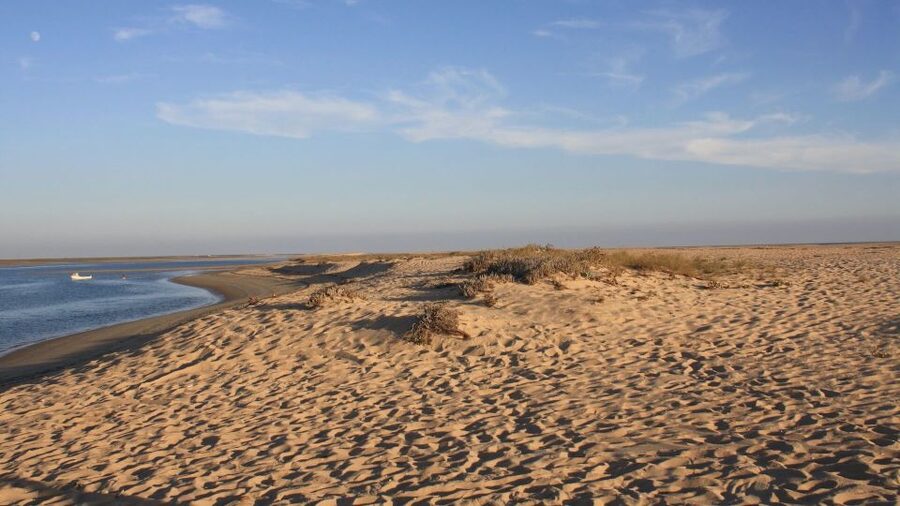
The Ria Formosa Lagoon system is one of Portugal’s key bird areas, and that matters for you because the tour is built around real habitat, not a wildlife park script. This is a watery maze of calm channels and sheltered waters where birds use the area for feeding and resting.
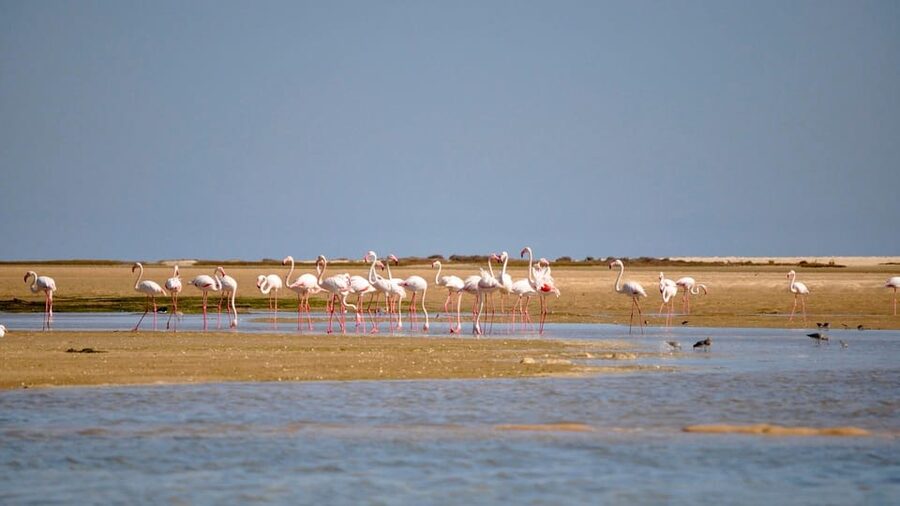
What I like about this kind of birdwatching here is the mix of birds you can spot with a bit of guidance and timing. In the lagoon, you’re set up to see herons and spoonbills, and you may also spot flamingos depending on season and local conditions. The whole point of a slow, quiet boat ride is to let you observe without stressing the birds.
You can also read our reviews of more tours and experiences in Algarve.
Where you start in Faro: Cais das Portas do Mar
The tour begins at Cais das Portas do Mar, with the meeting point at the Lands Shop Kiosk on R. da Porta Nova (8000-250 Faro). That’s handy because it keeps things simple: you’re in central Faro, and you’re not piecing together a long pickup route.
From a practical standpoint, this start location also sets expectations. You’ll be stepping from the city into a protected lagoon environment fast, so give yourself a little time before departure to settle in, check the sky, and get your sunglasses and water ready.
And since the boat tour is 2 hours, you’ll want to arrive ready to focus. This isn’t a slow half-day stroll where you can ease into viewing.
On the water: how a solar boat changes the experience
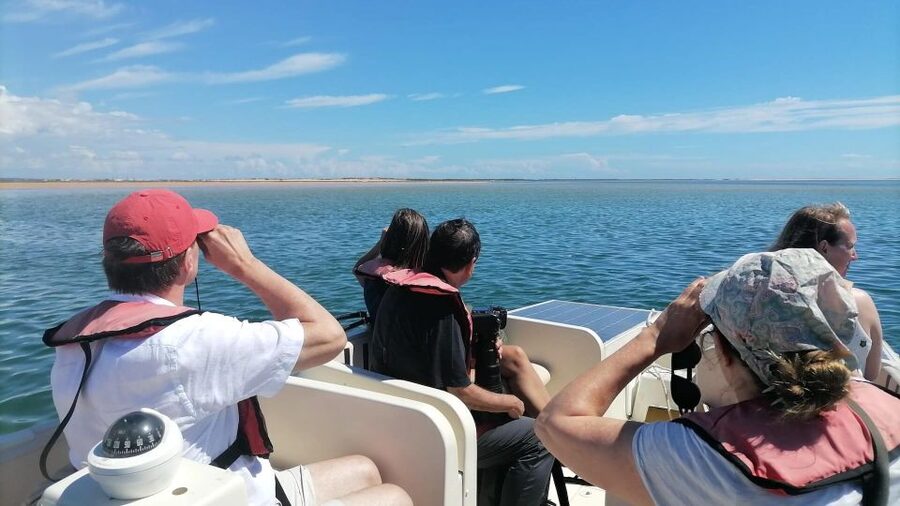
You’ll cruise through the lagoon on a solar-powered eco boat, which is a big deal for birdwatching. Lower disturbance matters when birds are already deciding whether to stay close or move away. A quieter ride also helps your ears—when birds call or wingbeats happen near the boat, you’re more likely to notice.
The on-water time is built for wildlife viewing: you’ll spend the majority of those two hours watching for activity and getting your eyes trained by your guide’s instructions. You’re not stuck with a rigid lecture schedule. The guide can guide you toward better viewing spots as the boat moves through calmer areas.
The real viewing challenge: seeing birds while moving
Here’s the part you should plan for. Even on a calm lagoon, you’re on a moving boat. One review noted it can be a challenge to see birds while the boat is in motion, and another mentioned the included binoculars weren’t ideal. That doesn’t kill the experience, but it means you should be ready to use your eyes quickly, then steady yourself to look with binoculars when the guide cues a bird.
Your guide’s job: species names, lagoon ecology, and smart spotting
This is where the tour earns its strong ratings. Guides often act like field teachers, not just narrators. You’ll get live commentary on board, and you’re not limited to one language—the tour runs with guide support in English, Spanish, and Portuguese.
Some guides are especially good at identifying what you’re seeing. One guide (Andre) is praised for being friendly and for knowing where to go for bird sightings. Another guide (Luis) is highlighted for being informative and for bringing people to notable spots inside the same natural area.
What the guide adds beyond bird spotting
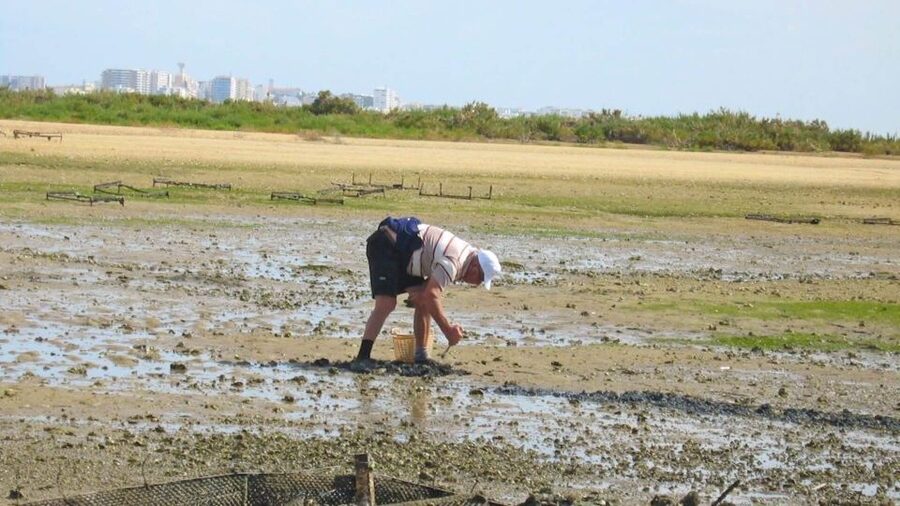
A good tour doesn’t stop at naming birds. The lagoon is a living system, and the best guides connect the dots: the local upkeep of the park and how activities like oyster farming fit into the wider ecology. If you like nature details that make the place feel real—rather than just a checklist of species—this is the right format.
What you’ll likely see: herons, spoonbills, and how season changes the odds
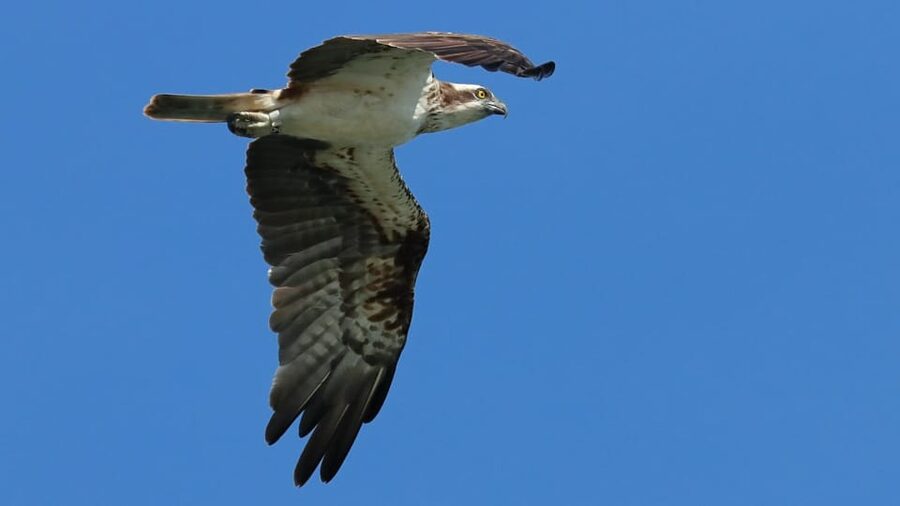
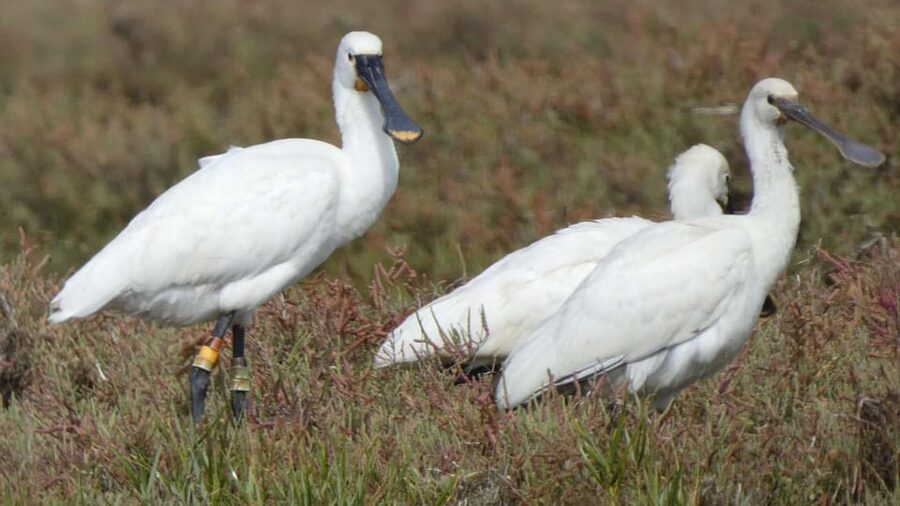
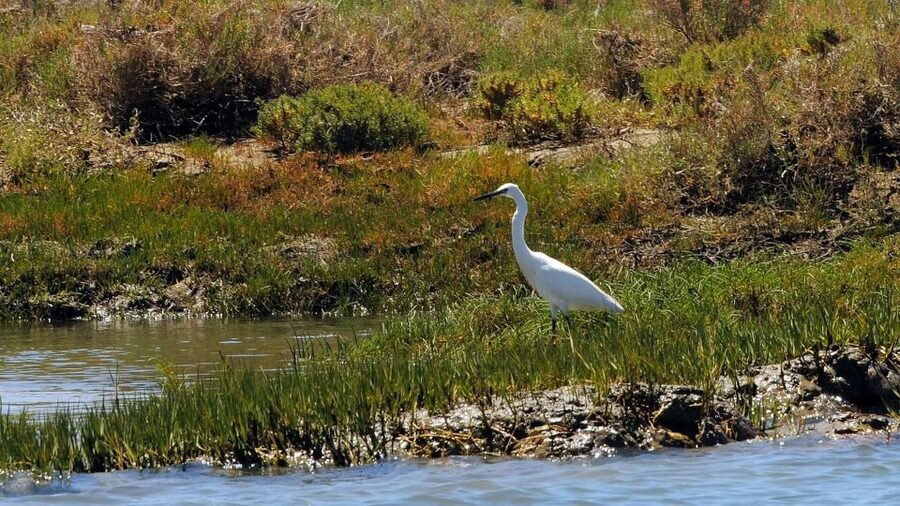
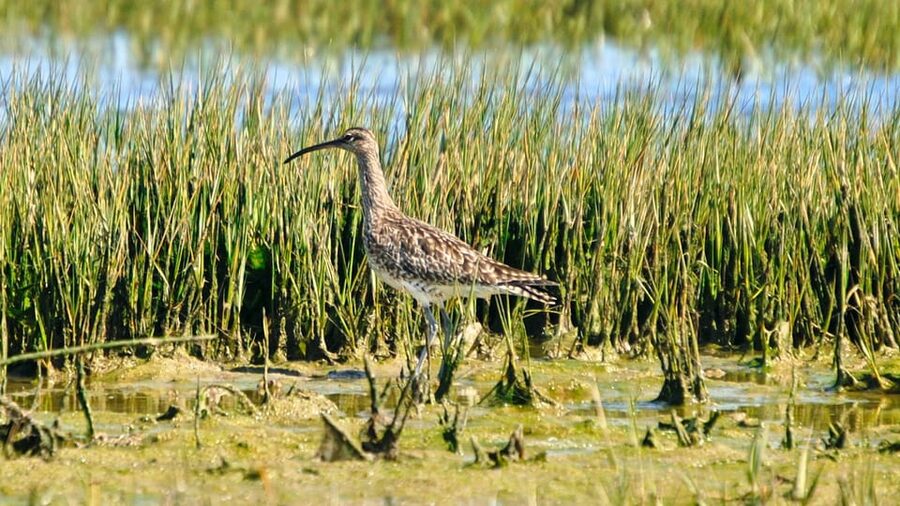
The tour is designed around classic Ria Formosa birds: herons, spoonbills, and the chance to spot flamingos. It’s also a good match for people who enjoy spotting waders, since guides may help with names of waders in multiple languages.
But you should also know the tour’s bird intensity depends on timing. Early May is called out as a slower bird period for activity, with fewer birds expected. That doesn’t mean the tour turns dull. It means you’ll want to shift your mindset from maximum species counting to relaxed observation and learning the ecosystem.
One review mentioned that even when conditions weren’t ideal briefly after high tide, the guide helped locate multiple species. Translation for you: don’t assume a rough moment ruins everything. The guide works to find workable spots as conditions change.
Binoculars, sun, and small tips that make a big difference
Binoculars are included, which is a relief, but treat them like one part of your kit—not your whole solution. If you can, focus on simple habits:
- Use sunglasses and keep your eyes shaded. Bright glare can make it harder to track birds at distance.
- Take a moment to let your eyes adjust before you start scanning.
- When the guide calls out a sighting, be quick. With a moving boat, delays cost you sighting time.
Gear-wise, the tour asks you to bring sensible basics: comfortable shoes, sunglasses, a sun hat, sunscreen, water, and snacks. Rain gear is smart too, since coastal weather can change fast.
If you’re hoping for photos, this tour can work well because birds are often close enough for an honest attempt. Still, moving boat + quick bird flight is a combo that favors patience and quick camera bursts.
Where the tour goes inside the lagoon: why that matters
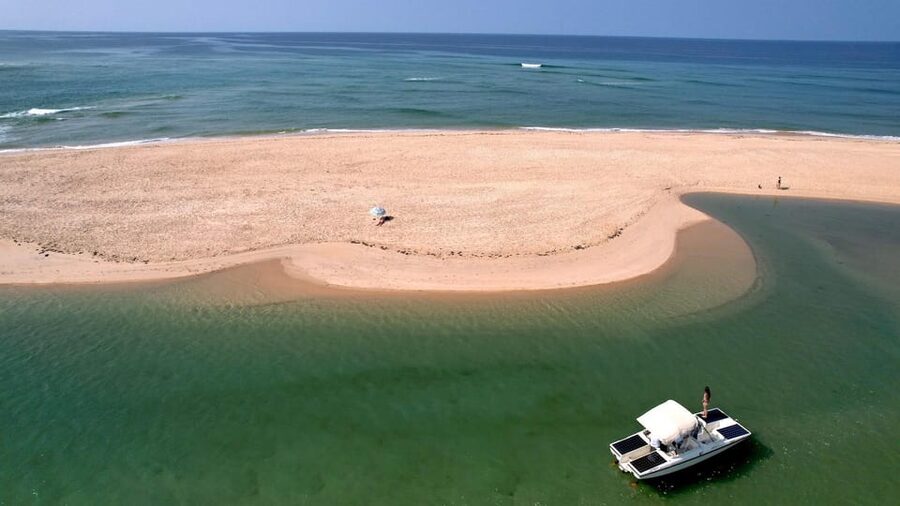
You’ll cruise around the Ria Formosa Lagoon during your two hours, returning to Cais das Portas do Mar at the end. Along the way, you’ll be guided toward productive viewing areas, and the boat’s route can shift based on where birds are feeding or resting.
You might also hear the guide mention key points like Barrinha Beach during the experience, since at least one guide has taken people there as part of the broader outing style. Even if you’re not going to a beach at all times, it’s a reminder that this natural park has multiple habitats close together—lagoon channels, shoreline areas, and open coastal zones that can change what birds are doing.
April and May option: the calmer Ria Formosa walk
Birdwatching activity can slow in April and May as migratory patterns change. In those months, Lands offers a calmer two-hour alternative: a relaxed walk designed less around species spotting and more around soaking in the park atmosphere.
If you land in April or May and you’re okay with a lower bird count, this can be a great choice. The walk includes a stop at Barrinha Beach, where the open coastline and the sound of the sea create a gentler contrast to the sheltered lagoon environment.
So if your main goal is maximum sightings, you might prefer busier periods. If your goal is calm nature time and learning the area at an unhurried pace, the walking option fits.
Price and value: is $47 worth it for a 2-hour eco tour?
At about $47 per person for a 2-hour solar eco-boat experience, the real value comes from what’s included and how the group is run.
You get:
- the boat tour,
- binoculars,
- life vests,
- a local guide with live commentary.
That matters because you’d otherwise have to rent binoculars and piece together a guided wildlife experience on your own. Add the small-group cap (up to 10), and you’re paying for attention—not just transportation.
Is it a bargain compared to a generic harbor cruise? Not really. But it’s not a high-end luxury price either. You’re paying for a focused nature outing that has practical gear and interpretive guidance built in.
Who should book this eco birdwatching boat tour
This is a strong fit if you:
- love birdwatching but don’t want to go it alone,
- want a guided nature lesson without a long day commitment,
- enjoy photography with wildlife in a real habitat,
- prefer small-group tours where people can actually hear and react.
It’s also a good option for families, since the ride is calm and the format is simple: you board, you watch, you learn, you return.
Who it’s not for
The tour is not suitable for wheelchair users. Also, pets aren’t allowed, and smoking isn’t allowed. Unaccompanied minors aren’t permitted.
Should you book the Faro Ria Formosa Eco Birdwatching Boat Tour?
If you want a focused birdwatching experience in Faro without the stress of doing it independently, I’d book it. The combo of a solar-powered, quiet boat ride, included binoculars and safety gear, and multilingual live guide commentary makes the format work.
Just go in with realistic expectations. You’re on a moving boat in a nature park, and conditions can shift. If you come during quieter periods like early May, expect fewer birds and lean more into the learning and the calm outing vibe.
FAQ
FAQ
How long is the Faro Ria Formosa eco birdwatching boat tour?
The tour lasts 2 hours.
Where does the tour depart from?
You’ll meet and depart from Cais das Portas do Mar. The meeting point is the Lands Shop Kiosk at R. da Porta Nova, 8000-250 Faro, Portugal.
What’s included in the price?
The price includes the boat tour, binoculars, life vests, and a local guide with live commentary on board.
What languages is the live guide commentary available in?
The guide provides live commentary in English, Spanish, and Portuguese.
How big is the group?
The tour is a small group, limited to 10 participants.
Is it suitable for wheelchair users?
No. It is not suitable for wheelchair users.
What should I bring?
Bring comfortable shoes, sunglasses, a sun hat, snacks, sunscreen, water, and rain gear, plus comfortable clothes.
What’s not allowed during the tour?
Pets aren’t allowed, and smoking isn’t allowed. Unaccompanied minors are also not permitted.
What’s different about April and May?
In April and May, birdwatching activity can slow, and Lands offers a calm alternative two-hour walk in the Natural Park, including a stop at Barrinha Beach.