REVIEW · SANT JAUME D ENVEJA
Flamingo-Birdwatching in the Ebro Delta at Sunset
Book on GetYourGuide →Operated by VIATGES NÉMON · Bookable on GetYourGuide
Watching flamingos at dusk is special. You’ll track them through the Ebro Delta Natural Park as the light turns soft, with chances to see flamingos flying over lagoons.
What I like most is the hands-on bird time at multiple spots, not just one quick stop. I also like that you get binoculars and a local guide who explains what you’re seeing as you go, including the why behind the birds’ pink color.
One thing to plan around: you’ll need your own vehicle. The tour isn’t set up as a pickup-and-drop drive, and you’ll do parts of the route by car to reach the best viewing areas.
In This Review
- Key things to know before you go
- Sunset Birdwatching in the Ebro Delta: What Makes It Work
- Barraca de SEO BirdLife and the Walk Into Riet Vell Nature Reserve
- Organic Rice Farm Lagoon: Your Best First Birdwatching Window
- Driving to Tancada Lagoon (With Your Own Car)
- Spotting Flamingos in Flight at Dusk
- Why Flamingos Look Pink (And What Your Guide Will Tell You)
- Trabucador Beach: The Mediterranean Sunset Finale
- What’s Included, What to Bring, and Local Rules That Matter
- Price and Value: Is This $47 Tour a Good Deal?
- Who Should Book This Flamingo Tour (And Who Might Not Love It)
- Should You Book This Sunset Flamingo Birdwatching Tour?
- FAQ
- How long is the flamingo birdwatching tour?
- Where do we meet the guide?
- Is transportation provided?
- What’s included in the price?
- What should I bring for the tour?
- Is the tour suitable for wheelchair users or mobility impairments?
Key things to know before you go
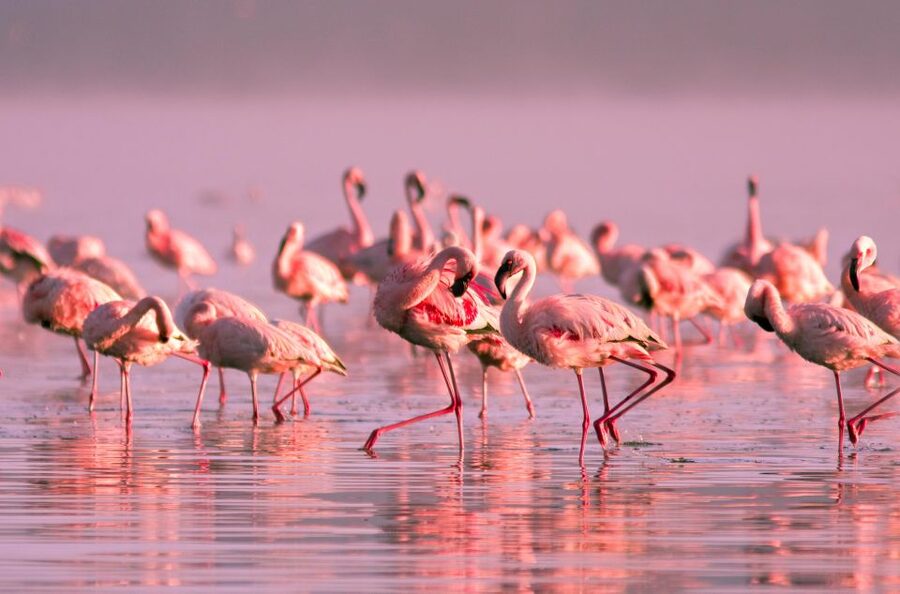
- Golden-hour birding: you’ll watch wildlife change as dusk arrives, which is prime time for activity and photos
- Tancada Lagoon flamingo spotting: this is the dedicated pink-bird moment of the walk-and-drive route
- Organic rice farm lagoon warm-up: you start in a quieter setting beside a lagoon with strong birdwatching potential
- Guides who explain more than names: expect practical answers and real local understanding from guides like Aleu, Jacqueline, and Pep
- Trabucador Beach sunset payoff: you finish with Mediterranean light over the Bay of the Alfaques at the sand-bar
Sunset Birdwatching in the Ebro Delta: What Makes It Work
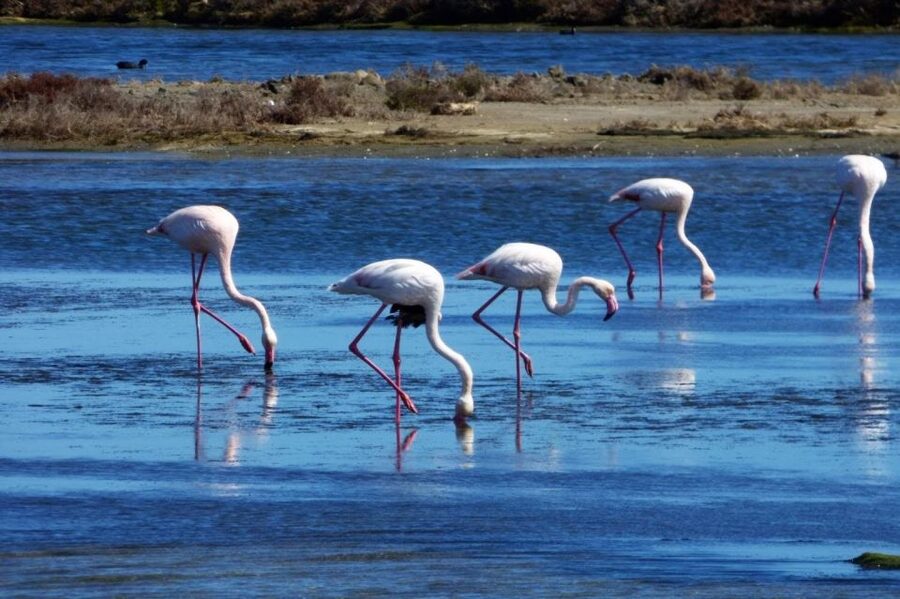
This isn’t a museum-style nature talk. It’s an outdoor session where the setting does half the job. In the Ebro Delta, the light at sunset makes everything easier to read—birds look bolder against the sky, and their movement is more noticeable as they feed and shift locations.
The structure also helps. You start with a walking birdwatch phase, then move to a lagoon where flamingos are the focus, and finish on the beach for a sky-and-water finale. That means you’re not stuck waiting in one place too long, and you get a better chance of capturing different behaviors.
Also, you’re not just there to spot pink shapes. A good guide will help you notice what matters in the field: silhouette and posture, flight direction, how birds respond to light changes, and what habitats they’re using at that moment. That’s the real value of doing this with a local.
Barraca de SEO BirdLife and the Walk Into Riet Vell Nature Reserve
Your tour starts at the Barraca de SEO BirdLife area, and you’ll meet your guide there. From the start, the vibe is practical: you’re going to move into the Riet Vell Nature Reserve at an hour when wildlife tends to be active but the heat has started easing off.
The walk section is designed to get you away from busy distractions and into a birdwatching rhythm. You’ll be switching your attention constantly—camera for the big moments, binoculars for the small stuff you’d otherwise miss.
Two practical notes you’ll feel right away:
- You’ll do some walking on natural paths, and the tour is not suitable for wheelchair users or people with mobility impairments.
- Expect mosquitoes. The tour asks for antimosquitos, and that’s not optional if you want a relaxed experience.
If you’re a photographer, this is a good opening segment. Golden hour gives you softer contrast, and the reserve setting helps you build a sense of where birds are likely to appear next.
Organic Rice Farm Lagoon: Your Best First Birdwatching Window
Early in the tour, you visit an organic rice farm next to a hidden lagoon. This matters because rice fields and wet areas in the delta create lots of edges—places where birds can feed, rest, and watch for safety.
This is where you often get your first real payoff: birds aren’t just scattered in the distance. They can be close enough for binocular viewing, and the lagoon setting helps with sightlines when the light is low.
What I appreciate about this stop is that it sets up the rest of the tour. Your guide will help you learn the names and habits of what you’re seeing right then, so when you later focus on flamingos, you’ll actually understand the ecosystem rhythm instead of just chasing one species.
If you’re thinking about photos, this is also a strong warm-up. You’re likely to spend time composing and scanning without the pressure of a single “flamingo-only” moment yet. It’s a less stressful way to get your camera settings ready and your eyes trained for movement.
Driving to Tancada Lagoon (With Your Own Car)
After the walk back to the starting area, you’ll move to the next stop by vehicle. Here’s the key logistics point: you must have your own vehicle. The guide’s car isn’t part of the tour.
That means you should plan your day with a bit of flexibility. You’re not just meeting at one spot and staying there. You’ll drive to reach the lagoon areas where flamingos are more likely to be visible.
The good news is that this also improves your odds. Lagoons are not created equal, and a guide knows where to aim when the light is right. Reaching the right viewing zone can be the difference between “maybe” and “wow,” especially for birds like flamingos that may cluster, lift off, or reposition as the evening cools down.
Before you go, keep it simple:
- Arrive ready to park and follow instructions.
- Don’t rely on the guide for transport.
- Be mindful that the rules include restrictions around drinks in the vehicle and no alcohol/drugs.
Spotting Flamingos in Flight at Dusk
The dedicated flamingo stop is Tancada Lagoon. This is where the tour shifts from general birdwatching to focused flamingo watching—trying to see pink flamingos and, at the right moment, watch them fly.
Watching birds take off and move across the water is what you came for. Dusk adds another layer: the sky changes fast, so flight paths can look like moving silhouettes. If you’re lucky, you’ll catch a burst of activity just when you’re fully settled in with binoculars.
A good guide helps you time your attention. Instead of everyone staring in one direction, you’ll likely be guided to scan calmly for cues—head movement, body posture, and the way birds react to shifts in light or disturbance.
And yes, this is interesting for photographers. The tour is built around sunset timing, so you’re not waiting for a random time window—you’re using the day’s natural light cycle.
Why Flamingos Look Pink (And What Your Guide Will Tell You)
One of the tour’s standout features is that you don’t just look at flamingos—you learn why they look the way they do. At Tancada Lagoon, you’ll get an explanation of where their unique pigmentation comes from.
Even if you already know the basics about flamingos and diet, a local guide’s explanation usually sticks better because it connects to what you’re seeing in the habitat. The Ebro Delta is a feeding and nesting environment shaped by wetland life, and that context turns the “fun fact” into something you can actually remember while you’re watching birds.
For me, the best part of learning the pigmentation story is that it makes you a smarter observer. You start paying attention to behavior and feeding patterns, not just color. Then when you spot movement, you’ll understand why those birds are where they are.
Trabucador Beach: The Mediterranean Sunset Finale
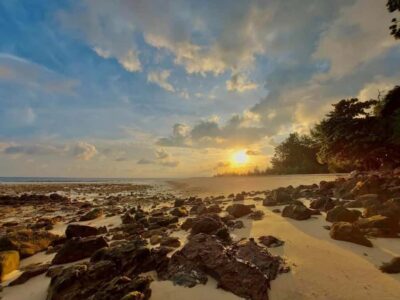
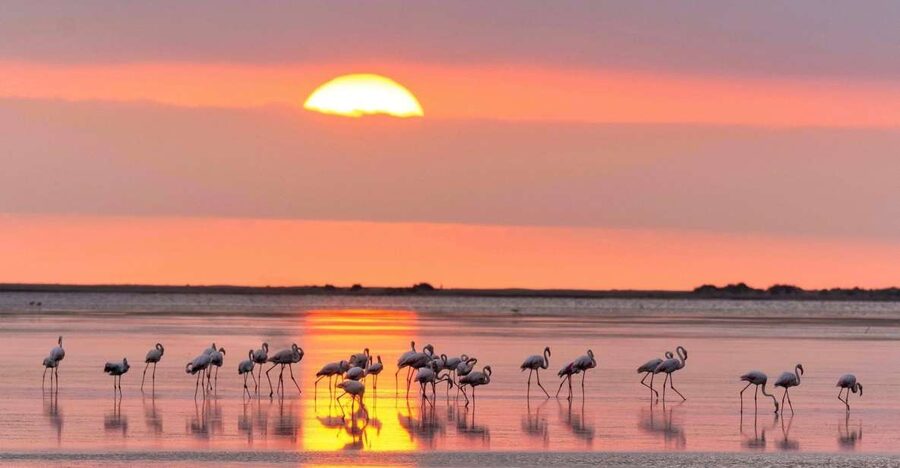
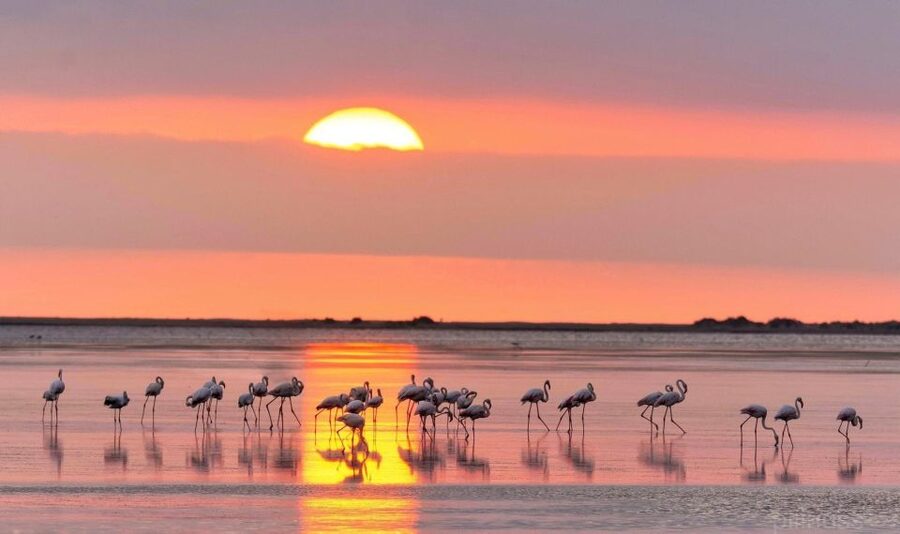
The last stop is Trabucador Beach, where you’ll enjoy sunset views over the Mediterranean Sea and the Bay of the Alfaques. This is the part that feels like a reward for staying patient and scanning throughout the earlier stops.
As the sky turns orange and scarlet, the light becomes more dramatic for birds and people alike. Even if your flamingo moment came earlier, the beach segment gives you breathing space and a different perspective on the delta—water, horizon lines, and sky.
The tour concludes at the Trabucador sand-bar, which is a classic way to watch the day fade. It’s a good time to put your camera down for a minute, look with your eyes, and just enjoy how the setting changes minute by minute.
What’s Included, What to Bring, and Local Rules That Matter
Included:
- Binoculars
- A local guide (Spanish, English, French, Catalan)
You should bring:
- Camera
- Binoculars (the tour includes binoculars, but bringing your own can help if you prefer your setup)
- Antimosquitos (required)
About food and comfort: food and drinks aren’t included. Since you’ll be out for 2.5–3 hours, plan to handle water needs on your own. Just note the rules that mention restrictions around drinks in the vehicle and no alcohol behavior, so keep it clean and simple.
Rules you should take seriously before you go:
- No pets
- No drones
- No feeding animals
- No alcohol or drugs
- No party groups
- No baby carriages
- No nudity
Also, you should know this isn’t a match for everyone:
- People with animal allergies may want to skip it.
- Mobility limitations are a problem because the experience involves walking and uneven nature paths.
Price and Value: Is This $47 Tour a Good Deal?
At $47 per person for 2.5–3 hours, the value depends on what you want most. If you came for a guided birdwatching session with sunset timing, binocular support, and expert interpretation, it’s priced fairly for what you get.
Here’s the practical value equation:
- You’re paying for access to multiple habitats in one outing: organic rice farm lagoon area, then Tancada Lagoon, then the beach.
- You’re paying for a guide who helps you identify and understand what’s around you, including the flamingos’ pigmentation story.
- You’re paying for timing. Sunset birdwatching is time-sensitive, and a guided plan is meant to put you in the right place at the right hour.
Where the price doesn’t help: you still need to manage your own transport. Because you must have your own vehicle, the cost isn’t just the ticket price if you’re coming from farther away.
Still, if you’re already set with transport and you like nature plus photography, this is one of those tours where the experience feels concentrated rather than stretched.
Who Should Book This Flamingo Tour (And Who Might Not Love It)
Best for:
- People who enjoy birdwatching with binoculars
- Photographers who want sunset light and a chance at flamingos flying
- Travelers who like being taught by locals, not just following a route
Special considerations:
- Not suitable for wheelchair users or people with mobility impairments
- Not ideal if you have animal allergies
- You’ll need to tolerate mosquito conditions (antimosquitos required)
If you’re traveling with kids: the tour has rules that include no baby carriages, which suggests it may be difficult for very young children. If your group moves slowly or needs frequent rest, the walking portion may feel like a challenge.
If you’re the type who wants a relaxed sunset stroll with minimal rules, this is still possible—but keep expectations realistic. It’s a birdwatching-focused tour with habitat stops and scanning time.
Should You Book This Sunset Flamingo Birdwatching Tour?
Yes, you should book it if sunset is your favorite time of day and you want more than a quick flamingo photo. The mix of settings—rice farm lagoon, Tancada Lagoon flamingo watching, then Trabucador Beach over the Mediterranean—gives you real variety in a short window. Add included binoculars and a guide who can explain what you’re seeing (including flamingo pigmentation), and it turns a pretty scene into something educational.
Hold off if you hate mosquitoes, need full accessibility accommodations, or you don’t have a vehicle and don’t want to arrange one. Since the tour requires your own car, that’s the biggest practical deal-maker or deal-breaker.
If you want a memorable Ebro Delta evening that feels like a local nature session rather than a rushed stop, this is a strong bet.
FAQ
How long is the flamingo birdwatching tour?
The tour lasts about 2.5 to 3 hours.
Where do we meet the guide?
You meet your guide next to the Barraca de SEO BirdLife.
Is transportation provided?
No. You must have your own vehicle. The guide’s car is not included.
What’s included in the price?
The tour includes binoculars and a local guide.
What should I bring for the tour?
Bring a camera and binoculars. Anti-mosquito protection (antimosquitos) is required.
Is the tour suitable for wheelchair users or mobility impairments?
No. It is not suitable for people with mobility impairments or wheelchair users.