REVIEW · VIRPAZAR
Skadar Lake National Park: Birdwatching & Photography Tour
Book on GetYourGuide →Operated by Kingfisher · Bookable on GetYourGuide
Dawn on Lake Skadar wakes fast. I love the bird ID help from guide Petar, and I also love how the small group keeps the lake feeling calm, but weather can change the boat or reschedule you if winds are strong.
This is a short, practical outing built for seeing (and photographing) birds as they start feeding—usually before the day gets busy around Virpazar. You’ll glide in a traditional čun with a reed rooftop, then get a few guided moments on land for wildlife viewing.
If you want a relaxed nature morning with real focus—binoculars out, eyes on the water, and just enough walking—you’ll likely enjoy this. If you need a long hike or a full meal day, this 2-hour format is going to feel tight.
In This Review
- Key moments that make this tour worth your time
- Why Skadar Lake birdwatching feels different at the start of day
- The reed-roof čun: your floating hide for photos and quiet watching
- Virpazar meeting point: get oriented and settle in early
- Step-by-step: what happens on the water and why each part works
- 1) Starting from Kingfisher Boat & Kayak on Lake Skadar
- 2) Virpazar time before the cruise
- 3) Entering Skadar Lake National Park with a short guided focus
- 4) The 7422+83 wildlife viewing stop: watch behavior, not just species
- 5) Fort Lesendro: scenery and wildlife viewing in a named location
- 6) Kamenik: second land/wildlife viewing pocket
- 7) Back through 7422+83 and into the main cruising stretch
- 8) Ending with a guided close on Lake Skadar
- What you’re actually likely to see: pelicans and friends
- Photography help that doesn’t waste time
- Price and value: how $43 fits a real morning on the lake
- The people factor: guides who treat the lake with respect
- What to bring (and what you’ll be glad you brought)
- Who this tour is for (and who might want a different pace)
- Weather reality: what can change on the lake
- Should you book the Skadar Lake birdwatching and photography tour?
Key moments that make this tour worth your time
- Expert guidance for spotting birds like pelicans, herons, and kingfishers (with clear English explanations)
- A traditional čun with a reed rooftop, built for slow, quiet water travel
- Morning timing for calmer water and a better shot at seeing wildlife active
- Short guided stops for sightseeing and wildlife viewing, including Fort Lesendro and Kamenik
- Photo-friendly cruising through narrow paths where scenery stays close behind the boat
- Included wine and juice, plus life vests and safety equipment so you can focus
Why Skadar Lake birdwatching feels different at the start of day
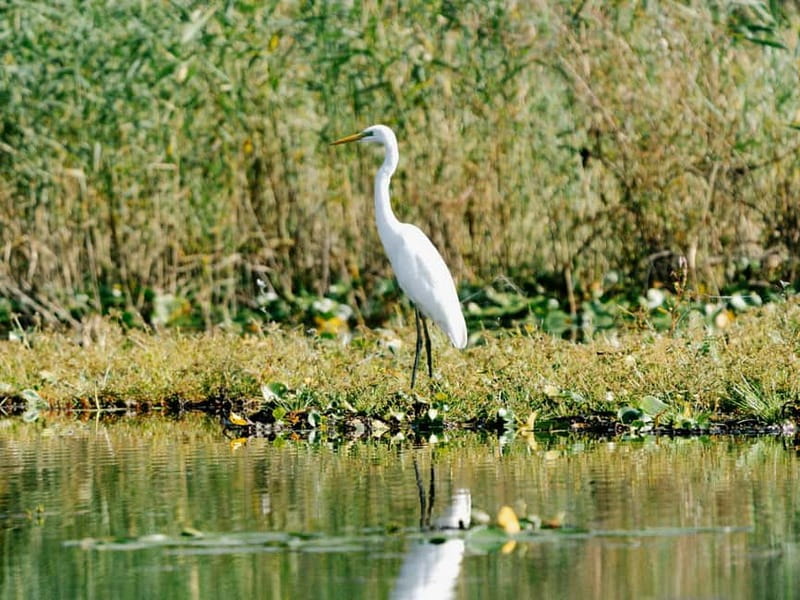
Lake Skadar is one of those places where wildlife isn’t staged. The morning light changes quickly, and the birds react to it. That’s why this tour’s timing matters: you’re out during the window when birds are moving, calling, and feeding, and the water still feels fresh and quiet.
What I like most is the way the trip stays on purpose. You’re not doing a long lecture or a big walking circuit. Instead, you’re cruising, stopping briefly for context, and learning how the lake’s ecosystem brings birds in—then using that knowledge immediately as you scan the water.
The goal isn’t just to say you saw birds. It’s to understand what you’re looking at: who dives for fish, who stands to wait, and who hangs around near shorelines and quiet channels.
The reed-roof čun: your floating hide for photos and quiet watching
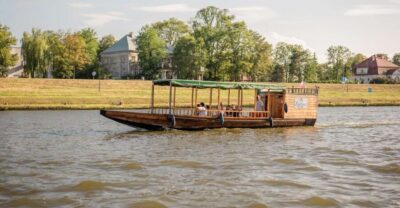
Your boat is a traditional wooden čun, and yes, it has a rooftop made from reeds. That matters more than it sounds. The reeds help break wind and glare, and the overall setup makes the experience feel tucked-in—like you’re sitting inside the scenery rather than interrupting it.
You’ll move through narrow paths where the scenery stays in view behind you. That’s a big deal for photography. When you’re close to shoreline vegetation and open water alternates, you get more chances to line up subjects as they move—especially when birds surface or change direction.
Also, this is built for practicality. Life vests and other safety gear are included, so you’re not hunting for equipment right when you arrive. It’s one less hassle, and it lets you focus on watching.
Virpazar meeting point: get oriented and settle in early
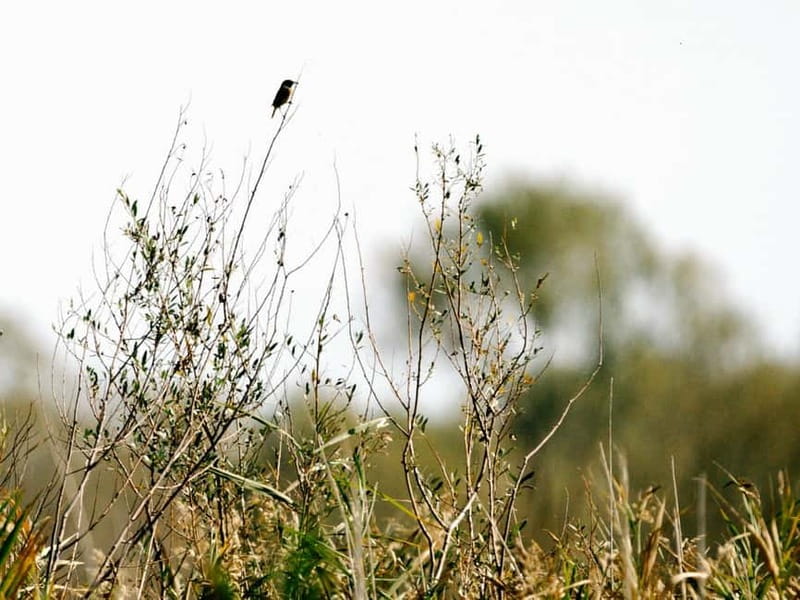
You meet at the Kingfisher information desk near the central bridge in Virpazar. It’s easy to find once you use the right Google Maps search name, because using a partial address can send you to the wrong spot.
Check-in is 15 minutes before departure. I treat that as mandatory here, not optional. Virpazar parking can be a bit chaotic, even if parking is free and public throughout the village. Plan for a few minutes to find a spot, avoid hassle at the wrong door, and be ready to start on time.
The tour notes one thing worth respecting: steer clear of unauthorized operators at the entrance or on the street offering deals. If you already booked, stick with the official meeting and check-in.
Step-by-step: what happens on the water and why each part works
This trip is only two hours, so every segment has a job. Here’s how the experience flows and what you should look for.
1) Starting from Kingfisher Boat & Kayak on Lake Skadar
Right away, you’re on the water with the group capped at 8 participants. That small size is a real advantage for birdwatching. Fewer people means less noise, fewer bodies blocking the view, and less chaos while you’re switching between wide scanning and spotting details through binoculars.
If you’re serious about photography, this first glide is where you start building a routine: camera ready, eyes up first, then binoculars, then back to the lens.
2) Virpazar time before the cruise
You’ll have time in Virpazar—plus sightseeing and a self-guided walk. Even if your time is brief, I like using it to take in the shoreline setting. You’ll understand the geography faster once you’ve seen the town edges and how close everything is to the lake.
Think of this as a warm-up. Once you’re back in the boat, your brain already knows what kind of edges to check for birds.
3) Entering Skadar Lake National Park with a short guided focus
A guided moment inside the national park helps frame what you’re seeing. Birds don’t show up randomly. The lake ecosystem is the reason: feeding zones, sheltered spots, and places where birds rest between dives.
This isn’t a long program. It’s a quick foundation that makes your scanning more efficient.
4) The 7422+83 wildlife viewing stop: watch behavior, not just species
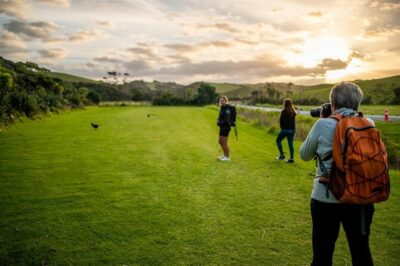
There’s a short guided stop labeled at 7422+83, with sightseeing and wildlife viewing. In practice, this kind of stop is about changing your vantage point. From the boat you see motion across water; on shore or at a point you can see patterns—where birds gather, how they approach, and what they do when the water changes.
When birds catch fish or bask in the sun, the behavior becomes the story. Try to watch one individual for 30 seconds rather than chasing every new splash.
5) Fort Lesendro: scenery and wildlife viewing in a named location
Fort Lesendro is another guided sightseeing and wildlife viewing stop. Even without turning it into a full history lesson, a named location like this helps you anchor your photos and your memories. You get both: a sense of place and another chance to spot wildlife.
This is also where your timing strategy helps. Birds don’t always pose. They pause, then suddenly move. If you watch calmly, you’ll catch the moment when something triggers a dive or a call.
6) Kamenik: second land/wildlife viewing pocket
After Fort Lesendro, you reach Kamenik for another guided sightseeing and wildlife viewing segment. Like the earlier stop, this is about variety in viewing angles—plus a chance to break the cruise rhythm while staying within the 2-hour window.
If you’re photographing, this is where you might swap from long-distance framing to more detailed shots, depending on how close birds are at that moment. Keep your settings ready; don’t spend too long fiddling.
7) Back through 7422+83 and into the main cruising stretch
There’s another 7422+83 segment that includes boat cruise, scenic views, and wildlife viewing. You’re not just repeating for the sake of it. In a bird tour, conditions shift quickly: wind direction, bird movement, and where fish are active.
This is often the part that turns good sightings into memorable ones, because birds can return to familiar feeding areas after a pause.
8) Ending with a guided close on Lake Skadar
The trip ends with a guided sightseeing moment on Lake Skadar and then returns you to Kingfisher Boat & Kayak.
One practical point: bring your attention back at the end. People tend to relax after the “best” birds appear. Often, the final stretch brings the next species—or a clearer view—because you’re settled and watching better than at the beginning.
What you’re actually likely to see: pelicans and friends
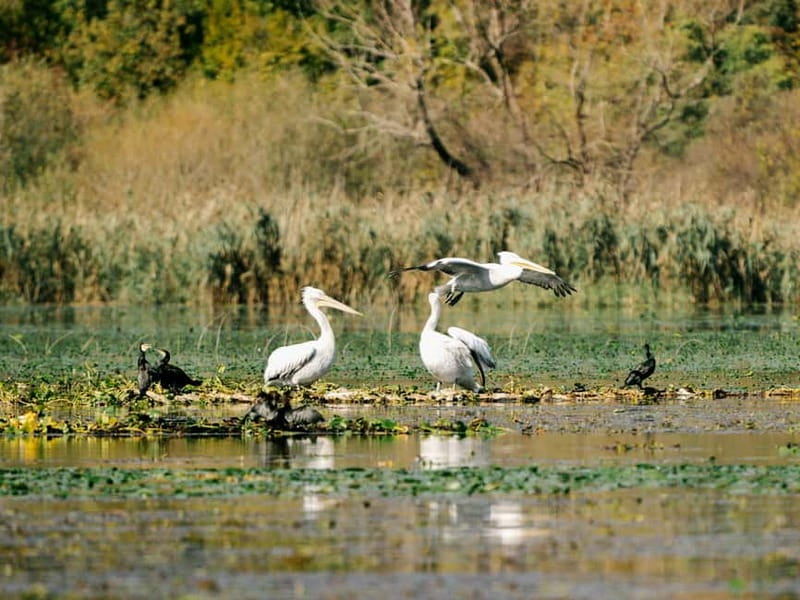
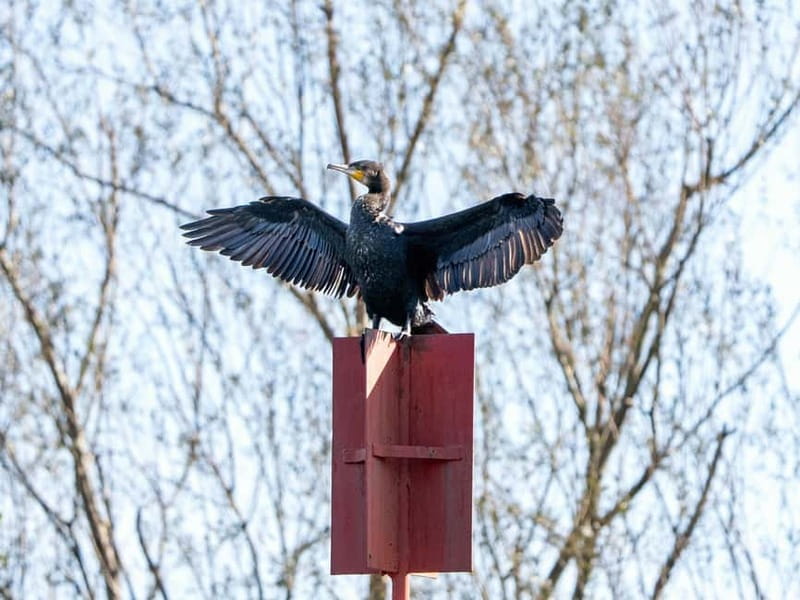
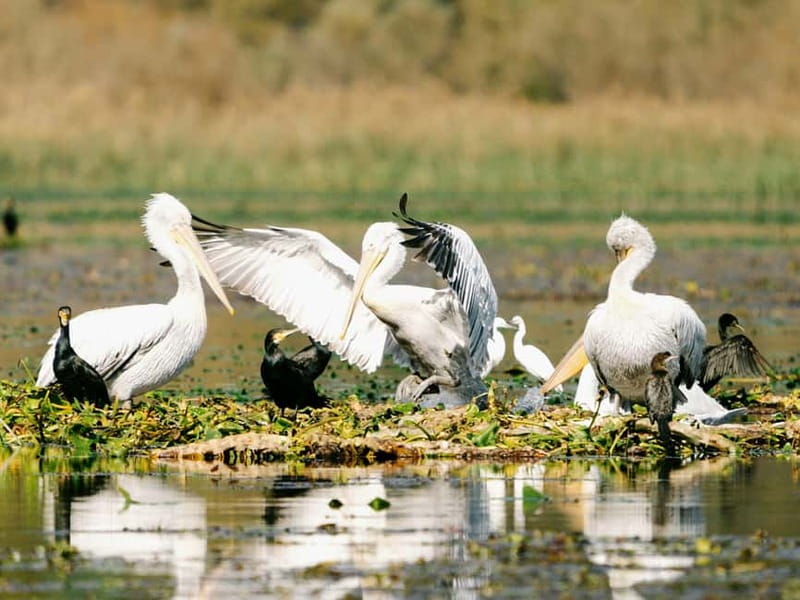
Depending on season, you may spot black cormorants, gulls, coots, kingfishers, herons, eagles, terns, and various ducks. The star bird here is the dalmatian pelican, a symbol of Lake Skadar.
In real terms, pelicans are a challenge to spot, even when you’re in the right place. That’s not a deal-breaker—it’s part of the fun. You’ll be scanning for signals: movement over water, sudden changes in position, and birds that look too big to be background.
A couple details I really value from the experience style:
- Birds aren’t just pointed out. Guide Petar helps you identify them and understand what they’re doing.
- The approach is respectful. The guide helps you watch without disturbing plants or wildlife.
You’ll likely leave with photos that feel like evidence of nature—not just a checklist.
Photography help that doesn’t waste time
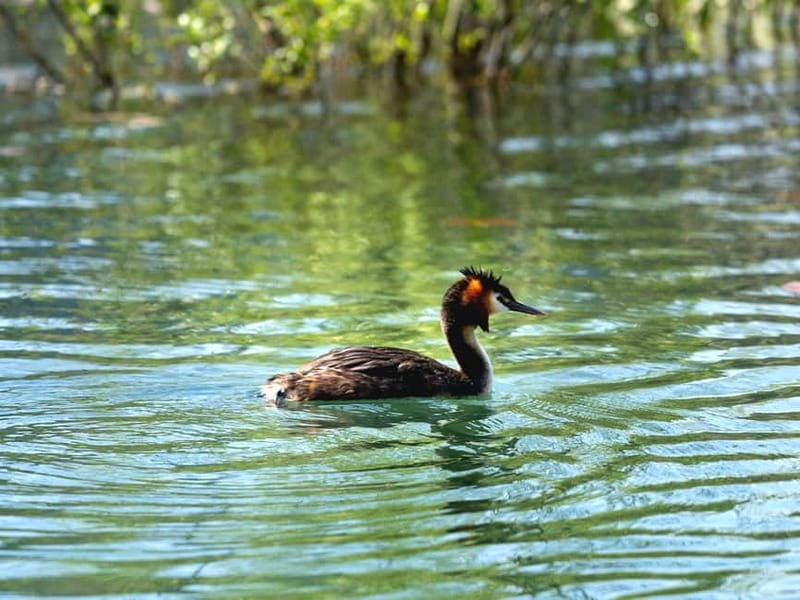
This isn’t a workshop with a camera lecture, but it’s set up well for real field shooting. Here’s how to make your 2 hours count.
- Bring binoculars. The tour explicitly recommends them, and birds are often easier to find by scanning first, then switching to your lens.
- Use the reed-roof boat for calmer framing. Less glare and wind makes it easier to shoot without fighting your setup.
- Track behavior patterns. If you see diving or fish-hunting, stick with that zone for a few minutes. Birds can return quickly.
- Expect short windows. A kingfisher flash can be over in seconds. Be ready to react smoothly.
If your goal is images of pelicans, herons, and kingfishers, morning timing gives you a better chance. You’re also working with a small group, which helps keep lines of sight open.
Price and value: how $43 fits a real morning on the lake
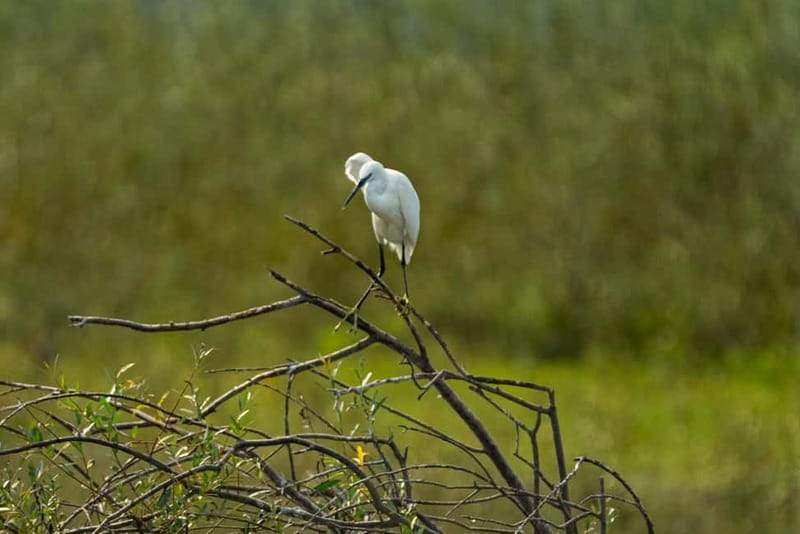
At $43 per person for a 2-hour tour, this isn’t an expensive luxury add-on—it’s a focused outing with real included value.
Here’s what you get for your money:
- National Park Lake Skadar fee included
- English-speaking guide (with Serbian as well)
- Written guides in several languages
- Map of Lake Skadar
- Refreshments: wine and juice
- Life vests and safety equipment
- Small group limited to 8 participants
To me, the value is in the combination: national park access, safety gear, and a guide who can point out birds and help identify them. For birdwatching, guide support is the multiplier. Even if you know some species already, you’ll likely learn how to spot them faster and where to look next.
Two things that can affect your sense of value: this tour is short, and wildlife sightings are never guaranteed. But the structure is still built to maximize your chances within those two hours.
The people factor: guides who treat the lake with respect
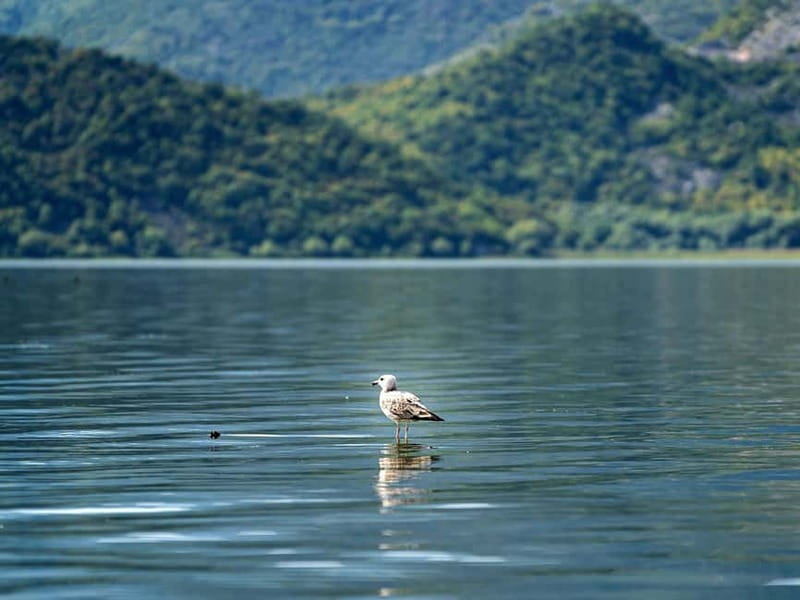
The vibe from the guide is a big reason people rate this so high. Guide Petar comes across as passionate and tuned into the birds, not just reciting facts. You’ll get help identifying what you see, and you’ll learn how the lake’s flora and fauna connect to bird behavior.
One review-style detail I think matters for your experience: the guide’s job isn’t only spotting birds—it’s also making you feel comfortable. People describe him as helpful and organized, and the tour runs promptly and on schedule.
That kind of calm leadership matters on a small boat, because it lets you relax into the experience instead of worrying about timing.
What to bring (and what you’ll be glad you brought)
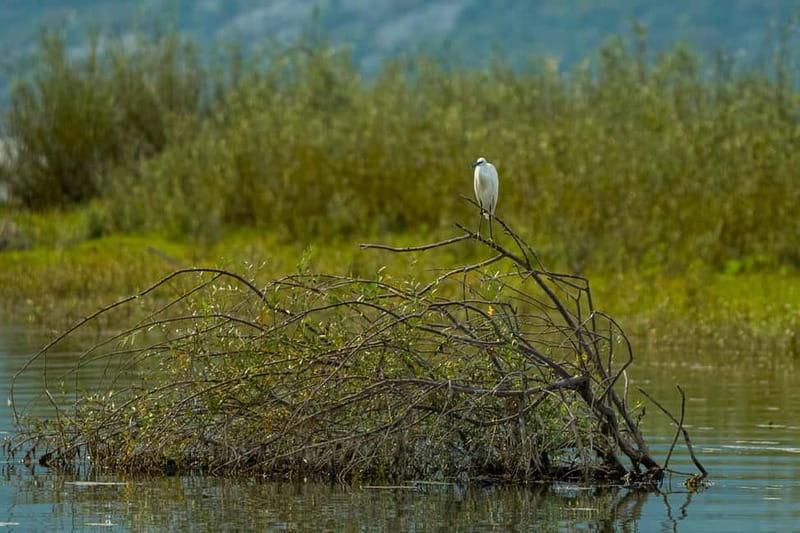
Bring:
- Swimwear
- Water
- Biodegradable sunscreen
- Jacket
- Comfortable clothes
- Binoculars
That jacket is a real tip. Lake mornings can feel cooler than you expect, especially when you’re sitting still and focused.
Not allowed:
- Littering
- Touching plants
If you bring sunscreen, choose biodegradable—because this is a nature area where “leave no trace” isn’t a slogan.
Who this tour is for (and who might want a different pace)
This tour fits you best if you:
- Love birdwatching and want a short, guided way to see Lake Skadar’s wildlife
- Care about photography and want help finding subjects quickly
- Prefer a small group experience rather than large crowds
- Want a calm morning activity that blends sightseeing with nature
You might want to think twice if you:
- Expect a full-day meal plan (lunch isn’t included)
- Want a long hike or extended land walk time
- Need an experience with guaranteed specific species sightings (pelicans are a challenge, even with good conditions)
Weather reality: what can change on the lake
This tour is subject to weather conditions. If it’s raining or there are strong winds, the operator may alter the boat used, reschedule your booking for another day, or provide a full refund. You’ll hear from them right away if your plan changes.
My advice: pack a jacket and plan a little flexibility into your schedule. Lake Skadar is worth it, but it’s also a real outdoor environment.
Should you book the Skadar Lake birdwatching and photography tour?
Yes—if you want a well-paced morning on Lake Skadar with a guide who helps you see birds as living behavior, not random sightings. The best reason to book is the combination of small group size, included park entry, and the practical bird identification support from Petar.
It’s also a strong choice for first-time visitors to Virpazar because you get a taste of the lake’s ecosystem quickly, plus scenic stops like Fort Lesendro and Kamenik without turning it into a long ordeal.
Book this tour if you can handle a short format and you bring binoculars and a jacket. Pass if you need guarantees for specific species or a full-day meal setup.