REVIEW · LISBON
Lisbon: Tagus Estuary Nature Reserve Birdwatching Boat Tour
Book on GetYourGuide →Operated by River Friends · Bookable on GetYourGuide
Birds, mudflats, and Lisbon all in one ride. This Lisbon Tagus Estuary nature reserve boat tour turns a quick coastal cruise into serious wildlife time with Captain Carlos Cera.
Two things I really like: you get help finding and identifying birds during the cruise (not just a drive-by), and the trip stays relaxed in a small group with binoculars included.
One thing to factor in: sightings depend on weather and sea conditions, and the route can be affected if fog or rough conditions show up.
Key highlights
- Captain Carlos Cera specializes in spotting and identifying birds along the estuary channels
- Tagus Estuary Nature Reserve is huge: 14,000 hectares, with 200+ bird species identified
- Winter numbers are staggering, with regular counts totaling around 120,000 wintering birds
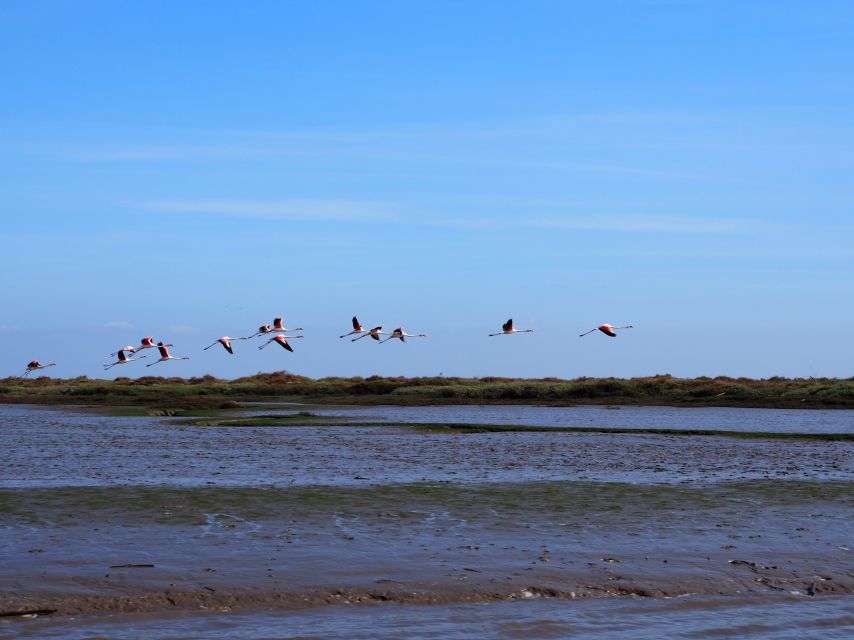
- Big flamingo moments happen, including a 2024 count of 12,000 flamingos
- You’ll cruise with a small group (up to 10) in a speedboat, focused on wildlife—not crowds
- Binoculars are included, plus multilingual guidance for Portuguese, English, Spanish, and French
In This Review
- Why the Tagus Estuary feels like Lisbon’s best birding shortcut
- Meeting at Onda Luso-Americana and the fast safety briefing
- Parque das Nações: first views, first photo stop, and city-to-nature shift
- Bairro dos Pescadores 21: where the estuary starts showing its birds
- Tagus Estuary Nature Reserve: the 2.5-hour wildlife show
- Mouchao da Povoa and the in-between passes that matter
- Vasco da Gama Bridge: the signature Lisbon landmark from the water
- Captain Carlos Cera: how the guiding turns sightings into real learning
- What to bring for a smooth day (and better photos)
- Price and value: is $58 a good deal for a 3-hour birding cruise?
- Who this tour suits best (and who might want a different plan)
- Should you book this Lisbon Tagus Estuary birdwatching boat tour?
- FAQ
- How long is the Lisbon Tagus Estuary birdwatching boat tour?
- How much does it cost?
- Where do I meet for the tour?
- Is food and drinks included?
- What’s included in the ticket?
- What should I bring?
- What if the boat can’t run due to weather or fog?
Why the Tagus Estuary feels like Lisbon’s best birding shortcut
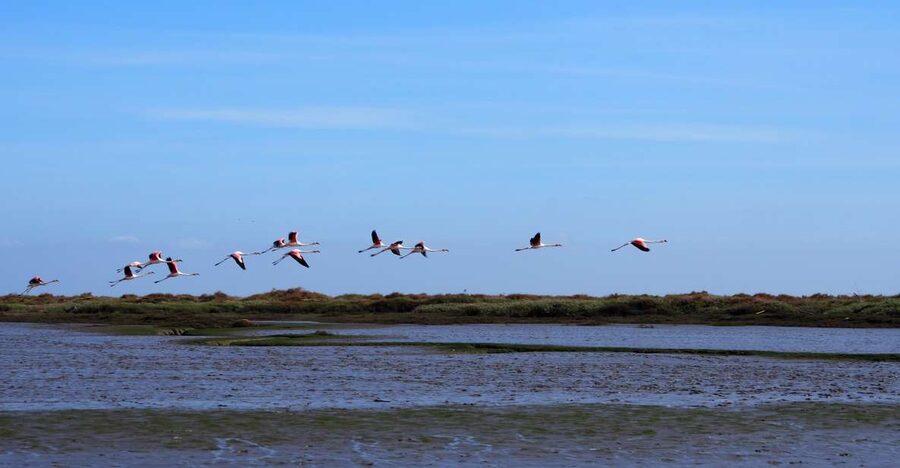
You don’t need to leave Lisbon far to feel deep in nature. The Tagus Estuary is the largest estuary in western Europe, and it sits right next to the city life of Parque das Nações and the river crossings you see on postcards.
Here’s the hook: the estuary supports a massive winter population. Regular counts put wintering species around 120,000 birds, and the reserve itself covers 14,000 hectares. Even better, in 2024 the area recorded 12,000 flamingos, so this is not just theoretical birdwatching.
What makes this tour special is that it treats the estuary like a living place with patterns. The route timing, the lookout points, and the bird ID all matter. You’re not just chasing birds—you’re learning how the estuary works.
Meeting at Onda Luso-Americana and the fast safety briefing
You’ll meet at Onda Luso-Americana, next to the artwork at the start point. If you’re using public transit, plan for it to be straightforward—this part of Lisbon is easy to access and keeps the tour from feeling like a complicated logistics project.
Before you go far, you’ll get a short safety briefing (about 15 minutes). Everyone wears life vests, and the captain’s focus is clear: you’re on the water, so comfort and safety come first. This matters for birding, too, because a calm, confident boat ride helps you actually enjoy the viewing.
From the start, the pace feels “small crew.” The tour is limited to 10 participants, so you’ll notice less waiting around and more time spent looking.
You can also read our reviews of more tours and experiences in Lisbon.
Parque das Nações: first views, first photo stop, and city-to-nature shift
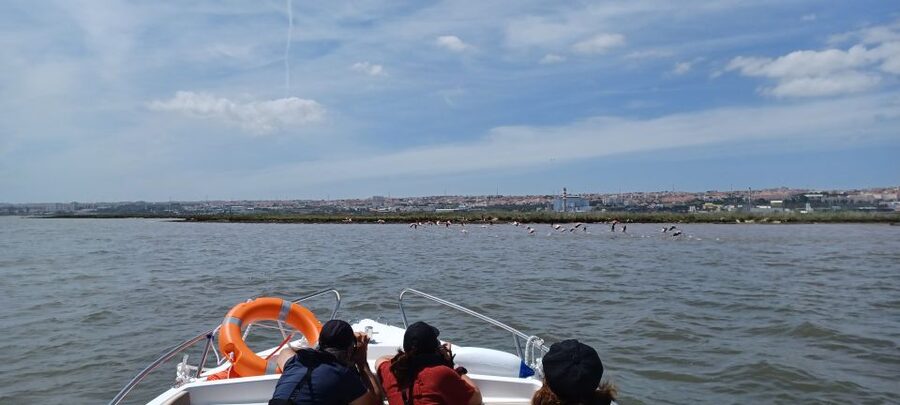
The cruise begins from Marina Parque das Nações, then you’ll move through the Parque das Nações area. Expect a mix of scenic views and a guided tour component as you settle in.
There’s also a photo stop early on (around 30 minutes in this first stretch). This is the moment to get your bearings. You’ll see the estuary’s scale and how quickly the scenery starts changing from urban waterfront to water-and-mudflat bird territory.
Practical tip: bring your camera ready at this stage. Even when the big bird action is later, the river views plus the mix of architecture and wildlife edge sets the tone for the whole trip.
Bairro dos Pescadores 21: where the estuary starts showing its birds
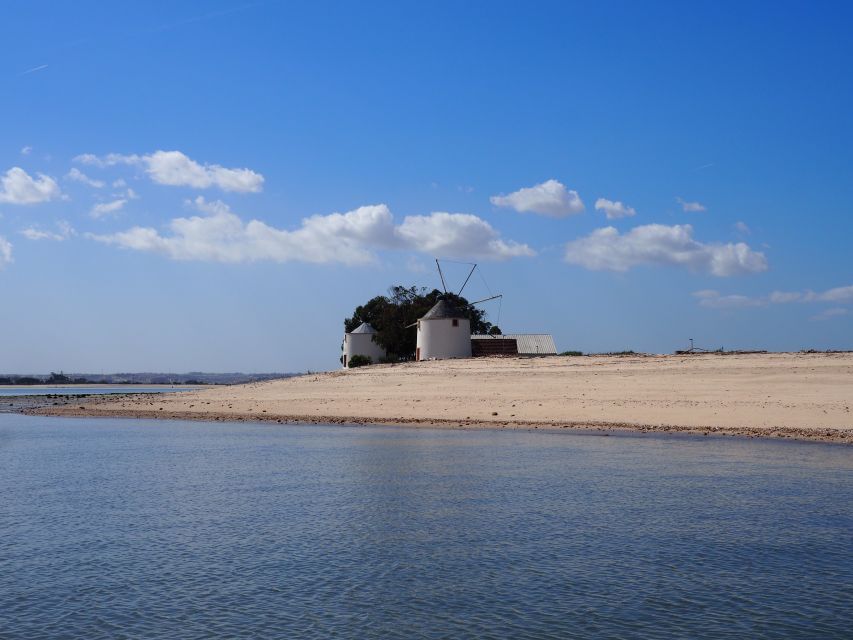
Next comes a stop near Bairro dos Pescadores 21. You’ll get another photo stop and time for guided viewing while the boat cruises past wildlife-friendly areas.
This part can feel like the first real handoff from “Lisbon sightseeing” to “I’m birdwatching now.” From the water, you’ll start noticing the birds’ movement rhythms—how they shift with tides and how they choose feeding spots.
If you care about getting real identification, this is where good guiding makes a difference. A skilled captain doesn’t just point. He helps you understand what you’re seeing and why those birds are there.
Tagus Estuary Nature Reserve: the 2.5-hour wildlife show
This is the heart of the tour: Tagus Estuary Nature Reserve, where you’ll spend about 2.5 hours. The reserve covers 14,000 hectares and has 200 different bird species identified.
You can expect a lot of wildlife viewing during this stretch, with scenic cruising en route. The tour focuses on birds first, but marine life viewing may also come up depending on conditions and where the boat can go safely.
What stands out from the experience’s reputation is that the captain actively works the scene. People consistently note Carlos Cera finding birds, naming them, and explaining habitats and behaviors rather than just calling out species when they happen to fly close.
One practical advantage: you’ll be on a speedboat, so you can reposition without wasting time. When birds are feeding or resting across mudflats and channels, that mobility can be the difference between a quick glance and real sustained viewing.
Also pay attention to timing and tides. One of the best pieces of advice from the trip’s feedback is to check tides in advance to match your expectations. Even with perfect timing, bird sightings can never be guaranteed, but tides strongly shape where birds show up.
Mouchao da Povoa and the in-between passes that matter
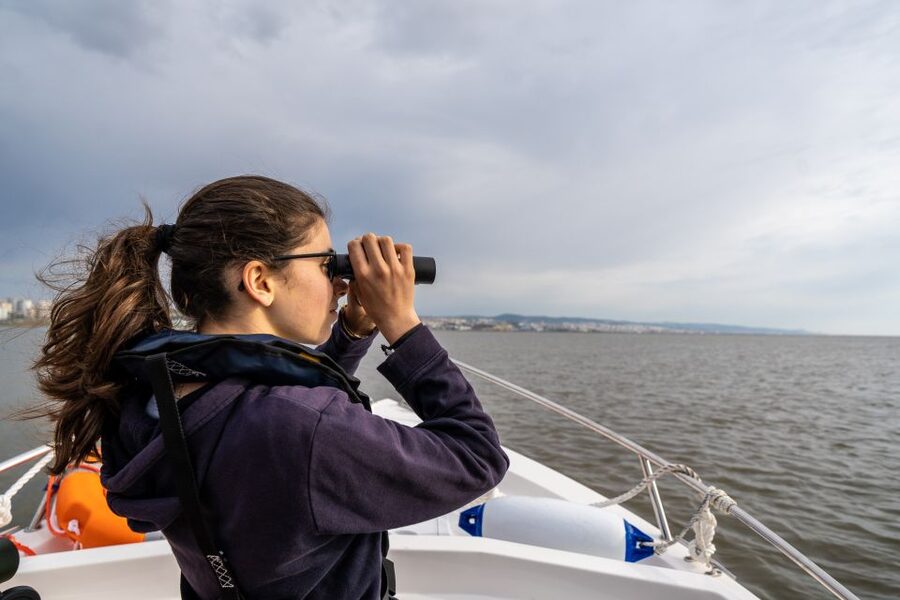
After the main reserve time, you’ll go toward Mouchao da Povoa. The boat route includes another photo stop and guided viewing time, plus passes where you’ll keep scanning for birds.
This is where birding becomes less about the single big moment and more about continuing variety. You may see different species using different sections of the estuary at different times, especially if the captain adjusts based on where birds are feeding and resting.
The scenery is also part of the payoff. Even when you’re not locked onto a bird identification, the feel of the estuary is quiet and real. You’re close to Lisbon, but the water time changes the whole mood.
Vasco da Gama Bridge: the signature Lisbon landmark from the water
Near the end, you’ll pass by Vasco da Gama Bridge. This is mainly a sightseeing and scenic-view moment, not a long wildlife stop.
It works as a satisfying contrast: a huge modern landmark across the river, framed by a natural reserve and bird country. From the water, scale feels different. The bridge stops being just a background feature and turns into a way to measure how close you actually are to the city center.
Then you cruise back toward the meeting point at Onda Luso-Americana.
Captain Carlos Cera: how the guiding turns sightings into real learning
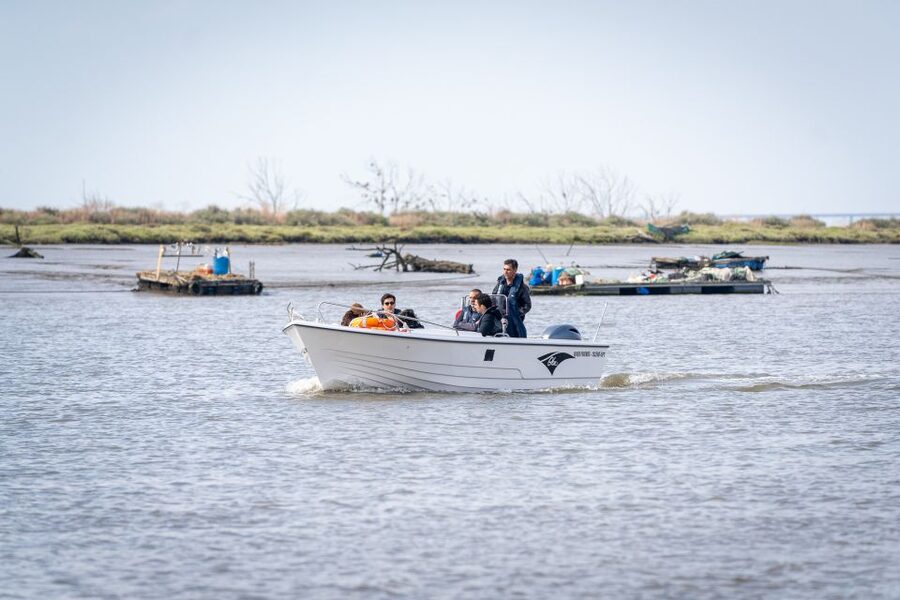
The biggest reason this tour earns such high marks is simple: Carlos Cera cares about birds in a practical way. You’re not just told names—you’re helped connect the birds to what they’re doing.
Across many trip notes, people highlight:
- Carlos pointing out birds quickly when they’re easy to miss
- identification support on the water (helpful for beginners)
- explanation of habitats and behaviors
- keeping a respectful distance so birds aren’t stressed
There’s also a recurring theme that the captain uses the changing conditions wisely. One note mentions timing with the tide so you arrive at exposed mudflats when feeding birds are present. That kind of planning turns your 3 hours from random luck into focused viewing.
If you bring your own binoculars, great. If you don’t, binoculars are included.
What to bring for a smooth day (and better photos)
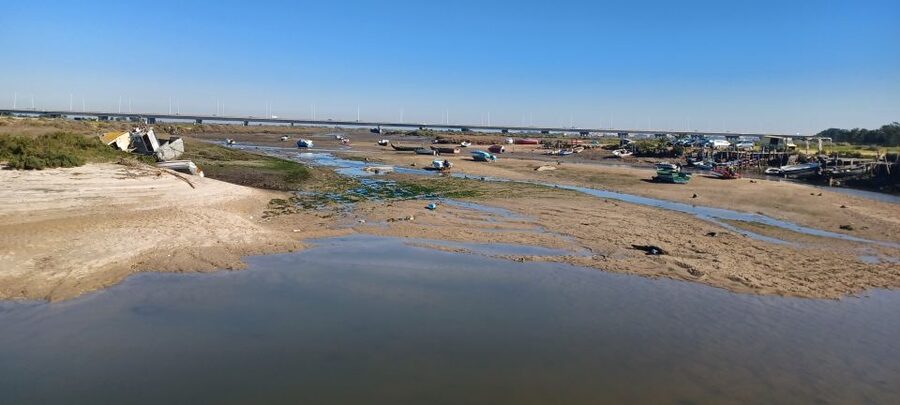
This is a boat tour, so dress for wind and changing light. Bring:
- comfortable shoes
- sunglasses
- camera
- biodegradable sunscreen
- a jacket and weather-appropriate clothing
You’ll also want to have your ID with you (passport or ID card). The tour can be light on land walking, but you’ll still feel the water air and movement.
A smart add-on: bring a picnic if you want food. Food and drinks are not included, but the option to bring your own helps keep the trip simple and budget-friendly. If you prefer snacks, this is the easiest way to avoid searching for lunch after you’ve already spent your energy looking for birds.
Price and value: is $58 a good deal for a 3-hour birding cruise?
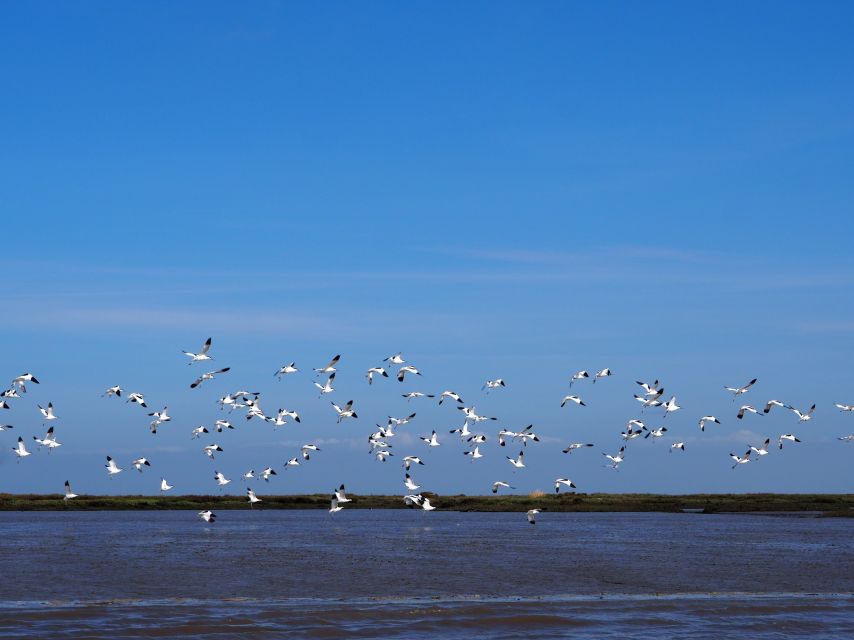
At $58 per person for about 3 hours, the price becomes reasonable when you look at what’s included and what’s hard to replicate.
You’re paying for:
- a small-group setup (max 10)
- a guided birding focus
- binoculars included
- insurance and boat fees/fuel handled
- a guide working across multiple languages (Portuguese, English, Spanish, and French are listed for the tour languages)
You’re also paying for time efficiency. This kind of birdwatching near Lisbon is hard to do on your own without knowing where to look and when to go. When the captain actively locates birds and helps you identify them, that’s the “value” you feel immediately on the water.
Could you spot birds from shore? Sure. But the estuary is wide, and a boat ride with navigation pays off quickly when birds are spread out across channels and mudflats.
Who this tour suits best (and who might want a different plan)
This is ideal if you like nature and want more than city sights. It’s especially strong for bird lovers—beginner to advanced—because the guiding makes identification easier and turns the trip into learning, not just looking.
It also works for people who want an outdoor activity in Lisbon that doesn’t require huge step counts. You get scenic cruising, photo stops, and wildlife viewing without spending the day walking Lisbon’s hills.
If you hate any unpredictability tied to weather and wildlife, keep that in mind. This isn’t a museum visit where the “show” happens on a schedule. Birds are living creatures, and boat access depends on sea and weather conditions.
Should you book this Lisbon Tagus Estuary birdwatching boat tour?
I’d book it if you want a high-return nature experience right next to the Lisbon you already planned to see. The mix of the Tagus Estuary reserve scale, the chance for standout sightings (flamingos are a real possibility), and the hands-on guiding from Carlos Cera makes this one of the more efficient ways to experience Lisbon’s wildlife side.
I’d hesitate only if you can’t handle last-minute changes due to fog or weather. The tour is safety-first, and conditions matter. If that’s a problem, choose a more predictable activity.
If your plan includes 3 hours of calm water time plus bird identification help, this is a strong pick.
FAQ
How long is the Lisbon Tagus Estuary birdwatching boat tour?
The tour lasts about 3 hours.
How much does it cost?
The price is $58 per person.
Where do I meet for the tour?
You meet at Onda Luso-Americana, next to the artwork at the meeting point.
Is food and drinks included?
No. Food and drinks are not included, but you’re welcome to bring a picnic.
What’s included in the ticket?
The ticket includes fees and fuel, insurance, life vests, binoculars, and a guided tour in multiple languages.
What should I bring?
Bring a passport or ID card, comfortable shoes, sunglasses, a camera, biodegradable sunscreen, a jacket, and weather-appropriate clothing. Binoculars are also recommended, though binoculars are included.
What if the boat can’t run due to weather or fog?
Boat tours depend on weather and sea conditions. If the tour is cancelled or rescheduled, you’ll be contacted within 24 hours prior to try to reschedule, and if it can’t be rescheduled you’ll receive a 100% refund.