REVIEW · ENTEBBE
1-Day Mabamba Shoebill Birding Tour in Lake Victoria Entebbe
Book on GetYourGuide →Operated by NUNGI SAFARIS UGANDA · Bookable on GetYourGuide
The shoebill is one of Africa’s most odd birds to see. This 1-day Mabamba Swamp birding trip is designed around that moment, with early boat time and canoe work that gets you close to the action. I like that it combines serious wildlife searching with a calm, nature-focused pace instead of a hurried checklist.
Two things I really like: first, the boat-to-canoe format helps you enter the tight channels where the shoebill hangs out. Second, the guides work the sighting—moving you to different spots so you get more than one distant view.
One consideration: the shoebill sighting isn’t guaranteed every minute, and when there are other groups nearby the bird can be far away or partially hidden. Still, the overall birding in the swamp is strong, and that’s a big part of why this tour works even when the shoebill is shy.
In This Review
- Key things to know before you go
- Mabamba Swamp: why the shoebill hunt starts here
- The 6-hour flow: pickup, river boat, and canoe channels
- On-the-water birding: boat setup that gets you close
- What you can expect to spot besides the shoebill
- Guides and birding style: where your best views come from
- Price and value: is $165 worth it?
- What to bring (and what to skip) for a smoother day
- Weather and crowds: the real-life factors
- Who should book this Mabamba shoebill day tour
- Should you book? A practical decision guide
- FAQ
- How long is the 1-day Mabamba Shoebill birding tour?
- Where do you meet and get picked up?
- How do you reach Mabamba Swamp from Entebbe?
- Is the tour guided?
- What birds can I expect besides the shoebill stork?
- What is included in the price?
- What should I bring for the tour?
- Are there age limits or people who shouldn’t join?
Key things to know before you go
- Very early start from Entebbe to reach the swamp by morning hours when bird activity tends to be better.
- Nakiwogo Landing Site to Mabamba Swamp by water first, then into smaller channels by canoe.
- Ramsar wetland setting at Mabamba Swamp, a protected habitat with over 260 bird species in the area.
- A guide-led scan, not just cruising: you’ll get bird-focused help and safety guidance before you start.
- Bring the right gear: camera and binoculars make the day much more rewarding.
- Private-group feel with hotel pickup in Entebbe and a 6-hour overall duration.
Mabamba Swamp: why the shoebill hunt starts here
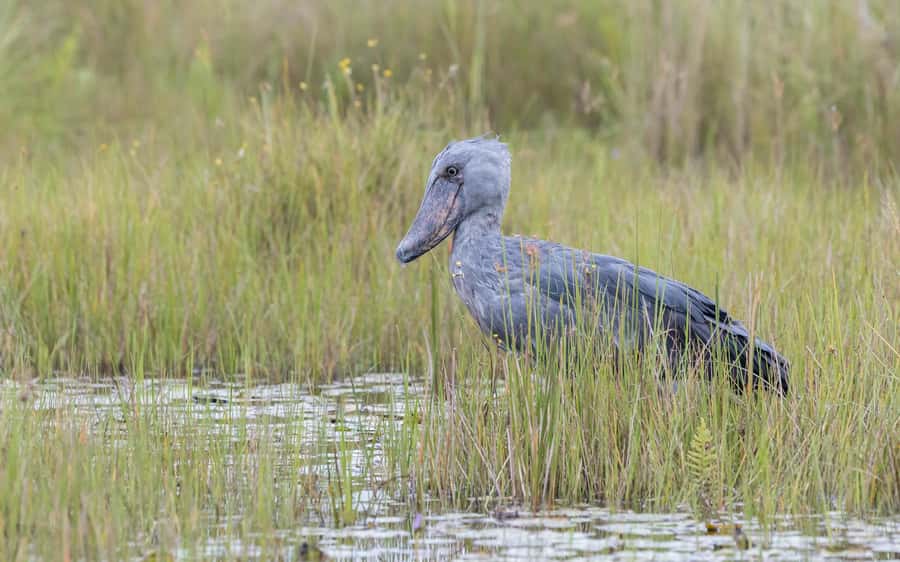
If you’ve ever seen a shoebill photo, you already know the bird looks unreal. The bill is massive, the posture is prehistoric, and the whole vibe is pure wetland mystery. This tour’s whole reason for existing is that Mabamba Swamp—on the edge of Lake Victoria and near Entebbe—is one of the best places to try for shoebills in Uganda.
Mabamba Swamp is a Ramsar site, which matters because it signals a protected wetland environment. You’re not just passing through open water. You’re working a real habitat: channels, papyrus edges, and calm swamp sections where birds can watch you back from cover.
And there’s a local story behind the name. Fishermen connect the swamp name to lungfish, described as mamba—an important fish in the area and also a known food source for the shoebill. That link is more than trivia. It helps explain why the shoebill is drawn here in the first place: the swamp has the food web the bird needs.
The 6-hour flow: pickup, river boat, and canoe channels
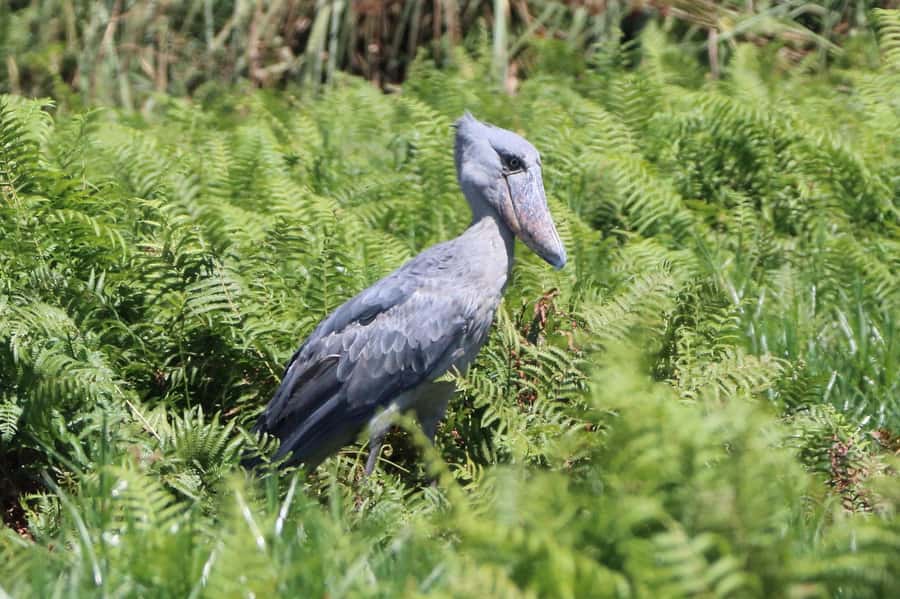
This is a 1-day tour that runs about 6 hours in total, and the timing starts early. You’ll be met in Entebbe at a preferred pickup/drop-off spot. From there, you’ll transfer to Nakiwogo Landing Site to reach the water by around 7:00 am.
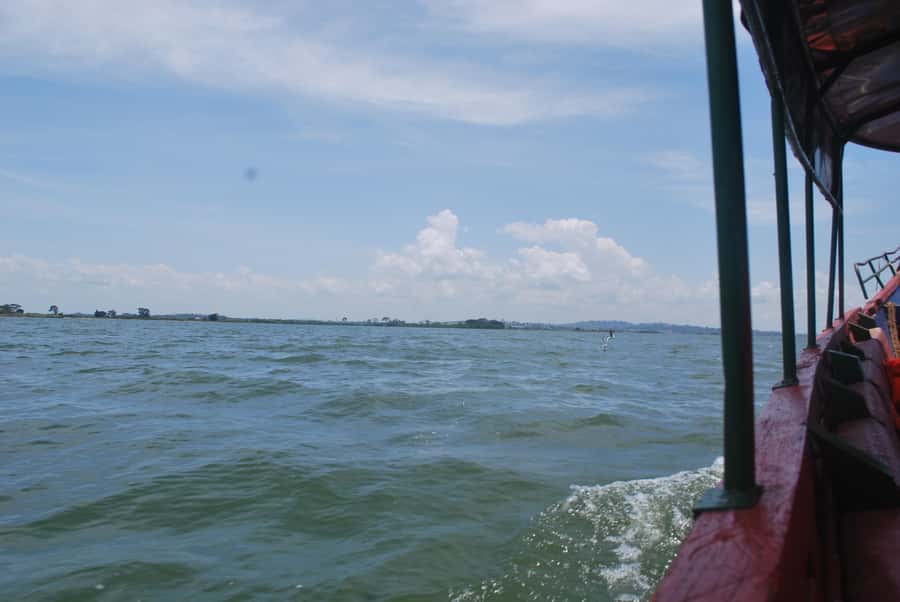
From Nakiwogo, you’ll take a boat ride of about 40 minutes toward the swamp area. That’s not just transportation. It’s a moving bird-viewpoint: you’ll be on the water with time to scan along shorelines and settle in before the real canoe work begins.
Once you arrive, you’ll spend time in the swamp with guidance: sightseeing, birding, walking in appropriate areas, and a safety briefing that sets expectations for how you’ll move through wet channels. Then you return back to Entebbe after the birding session—keeping the whole experience tight enough to fit a short stay in the country.
Why this timing matters: the shoebill is a sit-and-stare type of bird. You want quiet time, patient scanning, and conditions that don’t feel like a battle. Starting early generally gives you a better shot at calm, active bird behavior—and it reduces the odds of feeling rushed.
On-the-water birding: boat setup that gets you close
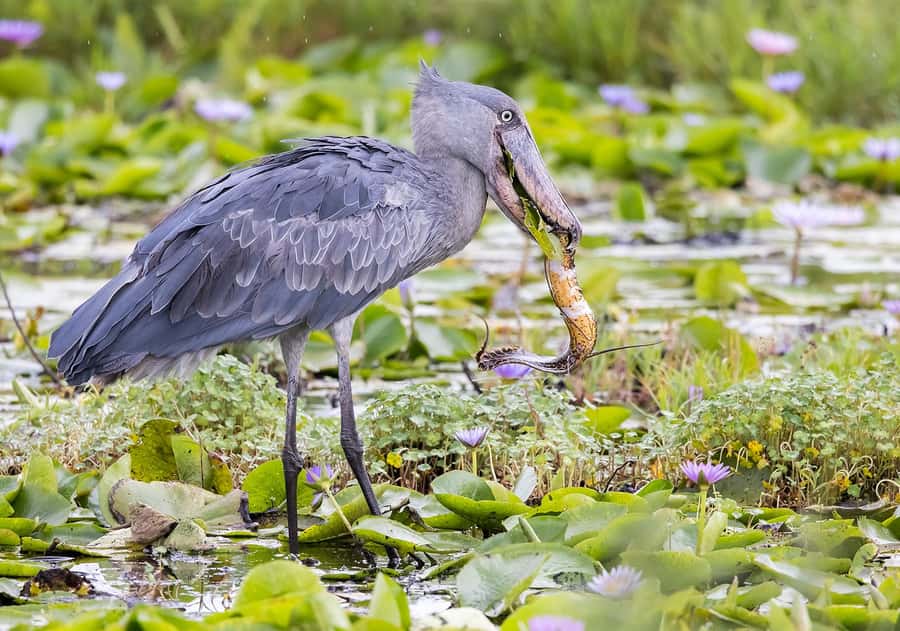
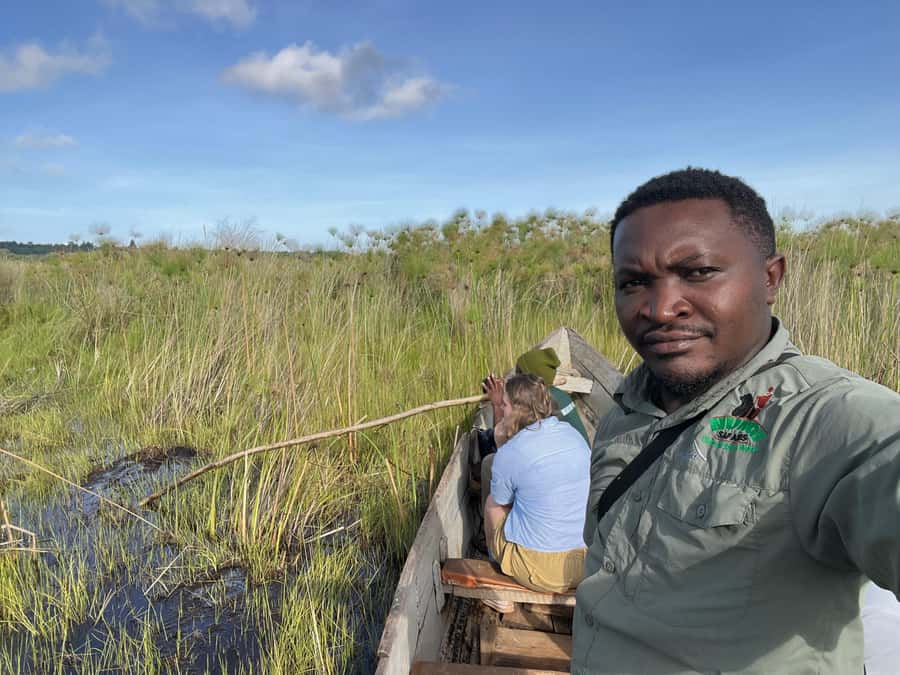
The real difference-maker here is how you move once you reach Mabamba Swamp. You start with a broader water ride, then you switch to smaller water access to handle the tighter channels.
One of the best practical descriptions from recent firsthand accounts: teams may use a larger boat first (sometimes covered) and then transfer into a smaller wooden canoe for the narrow sections. That small change is huge for birding. Bigger boats are fine for open water viewing, but shoebills often sit where you’d never get close on a large vessel. Canoes help you glide into the working waterways where the bird’s comfort zone is closer to your viewing distance.
You’ll also see why the guide’s job isn’t just spotting birds. It’s positioning. Guides will change your location multiple times so you get different angles—front view, side view, and better sightlines through vegetation. In at least one standout case, the shoebill looked relaxed and even approached enough to feel like the bird was cooperating. That’s not something you can demand, but you can absolutely benefit from guides who keep trying smartly.
A calm pace is part of the plan. You’re not sprinting across the swamp. You’re scanning, waiting, and re-positioning when the bird decides to show itself.
What you can expect to spot besides the shoebill
Yes, the shoebill is the star. But this trip is built around broader wetland birding too—because that’s how you protect your day from disappointment.
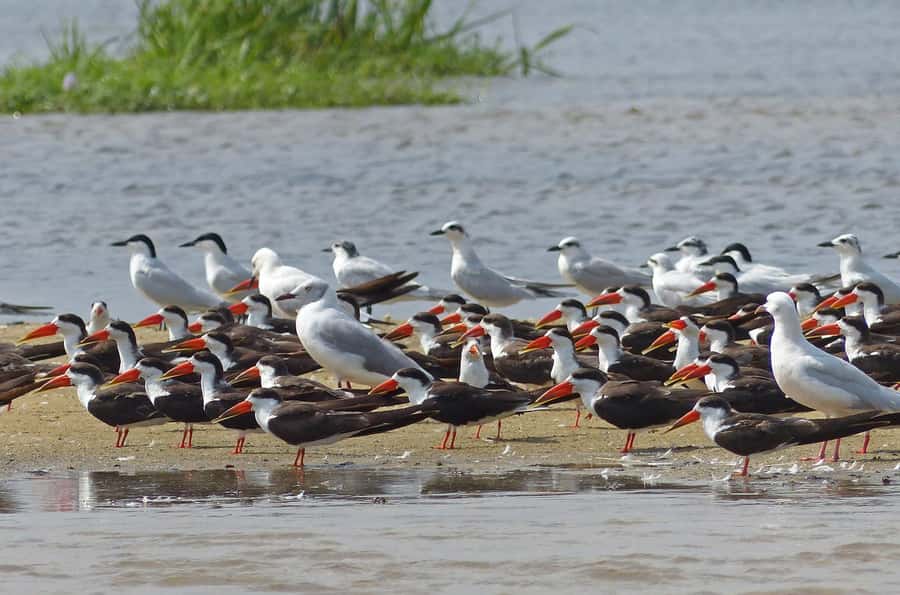
Here are species the tour highlights as possible sightings in the Mabamba Swamp area:
- Blue swallow
- Pallid harrier
- Papyrus gonolek
- Swamp flycatcher
- Pigmy goose
- Lesser jacana
- White-winged warbler
- Violet’s weaver
- Grosbeak weaver
- Black-headed weaver
- Clarke’s weaver
- Palm-nut vulture
- Papyrus canary
- African green pigeon
- African jacana
Even if the shoebill is elusive that day, these wetlands birds give the tour weight. It turns the trip into more than a single “big ticket moment.” You’re scanning papyrus edges, open water margins, and calmer channel surfaces for movement, calls, and flashes of color.
For first-time birders, this helps a lot. You don’t leave feeling like you only paid to see one bird. You get a broader sense of how Lake Victoria wetlands hold specialized species that don’t show up everywhere.
Guides and birding style: where your best views come from
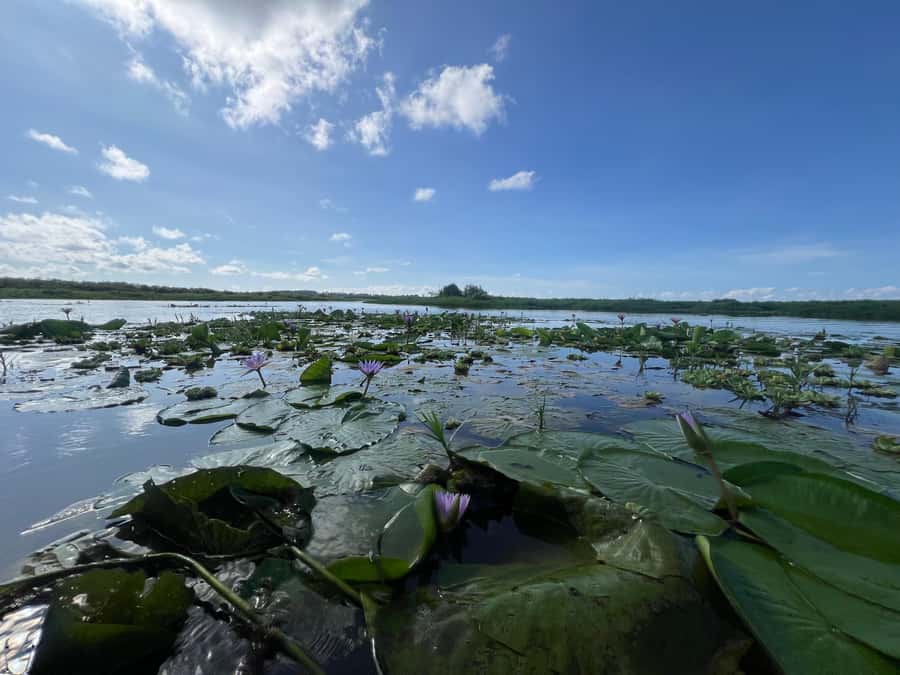
This is a guide-led private-group tour with an English-speaking birding guide. That matters because birding in dense wetland habitat isn’t just about sight—it’s about learning what to look for.
The best birding guides teach you how to see:
- which microhabitats matter (papyrus edges versus open water)
- how to read movement and posture
- when to pause and when to shift position
You’ll also likely feel the difference between a guide who can name birds and one who can manage the whole viewing situation. A strong birding guide times viewpoints with the bird’s behavior and uses positioning to improve your angle.
One recent example included a team of guides/drivers named Agnes, Barbie, and Amos, with an emphasis on repositioning for different perspectives. That kind of teamwork isn’t fluff. It’s exactly what helps when the bird is partly obscured or chooses a spot that isn’t perfectly aligned with your first view.
Pace also matters. The trip is designed to feel quiet and nature-close. That’s one reason people who come for the shoebill often end up enjoying the overall birding day as much as the main moment.
Price and value: is $165 worth it?
At $165 per person for a roughly 6-hour day, the question isn’t just price—it’s what you’re paying for.
You’re paying for:
- hotel pickup and drop-off within Entebbe
- entry tickets to the swamp
- boat ride to the area
- a birding guide
- a bottle of water
You’re also paying for the setup that makes shoebill birding realistic: early timing, water access, and the guide’s role in positioning. If you were to try this on your own without local birding support and wetland navigation know-how, you’d spend time and money just getting the right route and then still struggle with where and how to look once you’re in the habitat.
Is it premium? Yes. But it’s also one of the most concentrated shoebill-focused experiences near Entebbe, and the broader species list gives you more than one shot at wildlife moments in a single day.
If you’re traveling with binoculars and you want more than a scenic ride—this price starts to look like value. If you’re expecting a guarantee of the shoebill every time, manage that expectation and treat the trip as a serious wildlife outing, not an automatic photo appointment.
What to bring (and what to skip) for a smoother day
This tour runs in wetland conditions, often early in the morning, and you’ll be moving in and out of different watercraft setups. Plan like it might be chilly at start, then warm later.
Bring:
- Camera
- Binoculars
- Cash
- Basic essentials you’ll want during an outdoor morning
Skip:
- alcohol and drugs (not allowed)
A smart practical tip: binoculars make a big difference for the “in-between” species. The shoebill is obvious once found, but the rest of the birds can be quick and partly hidden. Binoculars help you see more species, faster, without constantly changing your viewpoint.
Weather and crowds: the real-life factors
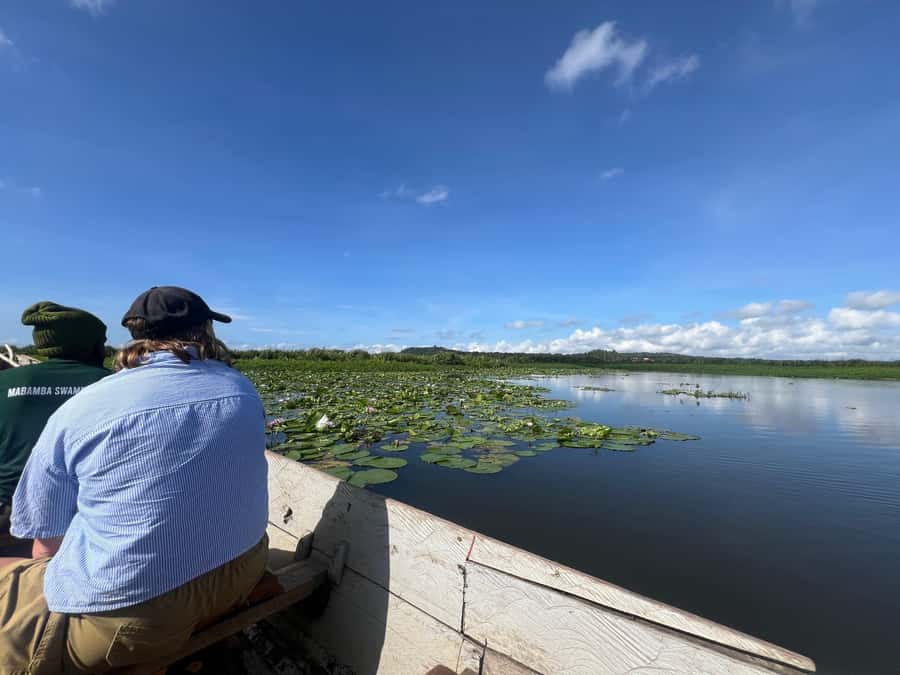
Wetland mornings come with surprises. One recent account described a strong early storm that pushed the start time by about two hours, and the team still got the day going once conditions improved. That tells you to expect weather flexibility. It also explains why early starts can be both exciting and a little unpredictable.
Crowds are another real factor. Even with early timing, you might encounter other groups when the shoebill is active. That can affect how close you get and whether your first sighting is near or far. If the bird is surrounded, you may need to rely on the guide to rotate your position for better angles.
Translation: don’t treat this like a guaranteed close-up show. Treat it like a guided wildlife hunt in a habitat where conditions change hour to hour.
Who should book this Mabamba shoebill day tour
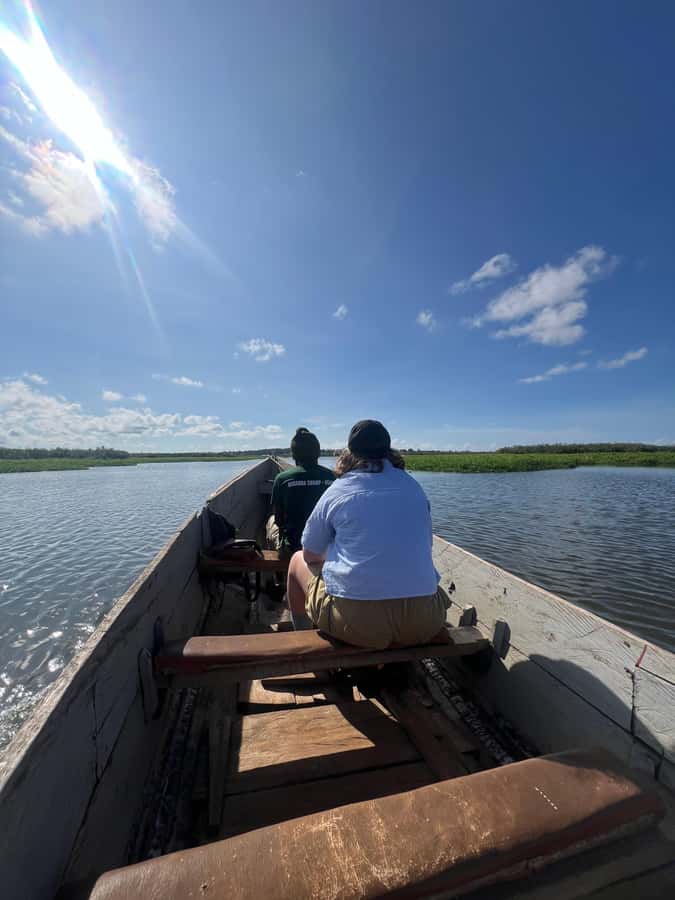
This experience fits best if you:
- want a focused shoebill outing without committing to a long safari day structure
- enjoy birding and want to learn as you go
- prefer a private-group feel with a guide who manages viewpoints
- are staying in Entebbe and want a practical day trip
It may not be ideal if:
- you’re traveling with kids under 10 (not suitable for that age group)
- you’re relying on mobility accommodations for people older than 95 (not suitable as stated)
In terms of birding skill, it’s described as suitable for first-time birders and experienced birders alike. First-timers benefit from guidance on where to look and how to scan. Experienced birders benefit from the chance to add shoebill and other wetland specials to a focused Uganda birding list.
Should you book? A practical decision guide
Book this tour if your dream is a real shoebill attempt with structured access to Mabamba Swamp, and you’re happy to trade a bit of certainty for a lot of habitat time and birding variety. The early start, the switch into small channels, and the guide-driven repositioning are exactly the ingredients that make shoebill birding work.
Skip or reconsider if:
- you can only tolerate a long wait with no bird guarantee at all
- you’re looking for an all-comfort, no-weather-surprises day
- you need a very specific viewing distance every time
If you’re flexible, bring binoculars, and go in ready to wait and scan, this is the kind of day that can turn into a true wildlife memory.
FAQ
How long is the 1-day Mabamba Shoebill birding tour?
The tour lasts about 6 hours total.
Where do you meet and get picked up?
You’ll be picked up in Entebbe. The tour also mentions you can meet at Victoria Mall Entebbe if that’s easier.
How do you reach Mabamba Swamp from Entebbe?
You transfer to Nakiwogo Landing Site, take a boat ride of about 40 minutes, and then bird in the Mabamba Swamp area using wetland access.
Is the tour guided?
Yes. You get an English-speaking birding guide, plus a safety briefing and guided birding time in the swamp.
What birds can I expect besides the shoebill stork?
The tour highlights several other species that you might spot, including blue swallow, pallid harrier, papyrus gonolek, swamp flycatcher, pigmy goose, lesser jacana, and African jacana.
What is included in the price?
Included are hotel pickup and drop-off within Entebbe, entry tickets to the swamp, the boat ride, a birding guide, and a bottle of water.
What should I bring for the tour?
Bring a camera and binoculars, and also have cash available.
Are there age limits or people who shouldn’t join?
The tour is not suitable for children under 10 years old, and it is not suitable for people over 95 years old. Alcohol and drugs are not allowed.