REVIEW · LISBON
Birdwatching Boat Tour in the Tagus Estuary
Book on GetYourGuide →Operated by SeaEO - Tours · Bookable on GetYourGuide
Birds right outside Lisbon are your co-pilot. This Tagus Estuary Nature Reserve boat trip turns the river into a living classroom, with a specialist ornithologist helping you spot birds as you cruise under the 25th of April Bridge. I love the close-up wildlife angle and the fact that you get real binoculars for spotting.
The main drawback to consider is simple: it’s a fast rigid inflatable speedboat. If you’re prone to seasickness, you’ll want to follow the big-breakfast-without-milk style advice and bring a jacket for comfort.
In This Review
- Why the Tagus Estuary Feels So Close to Lisbon
- 5 Things That Make This Birdwatching Boat Tour Worth Your Time
- Meet at Doca de Santo Amaro: The Red-Bridge Reference Point
- Safety First, Then Off: Getting Ready for a Speedboat Cruise
- Under the 25th of April Bridge: Lisbon’s Skyline Becomes Background Noise
- The Gaio-Rosário Photo Stop: Time to Reset Your Eyes
- Tagus Estuary Nature Reserve: The Best Two Hours for Real Bird Behavior
- What You Learn From the Ornithologist and Marine Biologist on Board
- Small Group Size: Why 12 People Works Better Than It Sounds
- What About Jellyfish and Marine Life?
- Comfort Tips for a 2.5-Hour Speedboat Day on the Tagus
- Value Check: Is $58 Worth It for Birdwatching Near Lisbon?
- Should You Book This Birdwatching Speedboat Tour of the Tagus Estuary?
- FAQ
- How long is the birdwatching boat tour in the Tagus Estuary?
- Where does the tour start?
- What is included in the price?
- What language options are available for the live guide?
- What group size is this tour?
- What birds or wildlife might you see?
- What should you bring?
- Is there anything you can’t bring or do during the tour?
- Who should not book this experience?
Why the Tagus Estuary Feels So Close to Lisbon
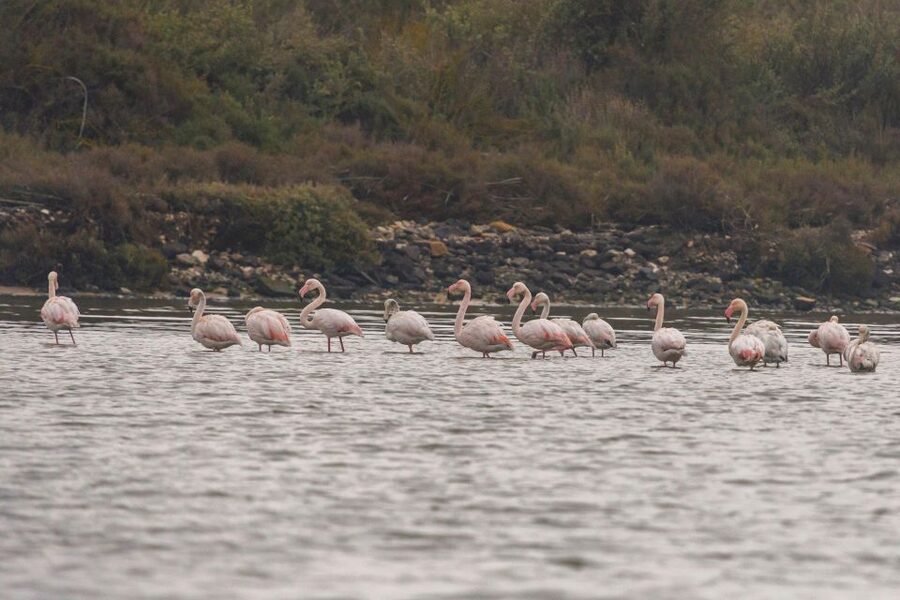
You come for Lisbon’s skyline, then you get something far rarer: wildlife that’s genuinely near the city, not a long day trip into the wilderness. The Tagus Estuary is a Natural Reserve, and the whole point of this outing is to show you the resting and nesting spots that birdlife uses just off the Lisbon shoreline.
What makes the experience click is the pacing. You’re not stuck watching one tiny area from a dock. You’re moving through the estuary in a way that lets birds show up where they naturally feed, rest, and travel—while you learn what you’re actually looking at instead of guessing.
5 Things That Make This Birdwatching Boat Tour Worth Your Time
- A specialist onboard: you learn bird species with an ornithologist guiding the way
- Binoculars included: you’re not relying on blurry phone zoom
- Fast, comfortable, and safe-feeling: a speedboat ride that keeps the outing snappy without dragging
- Up to 2.5 hours on the water: enough time to watch behavior, not just spot shapes
- Lisbon skyline from the estuary: you get skyline views from the river side, with photos along the way
You can also read our reviews of more tours and experiences in Lisbon.
Meet at Doca de Santo Amaro: The Red-Bridge Reference Point
You start at SeaEO Tours – Sea & Estuary Odyssey in Doca de Santo Amaro, specifically Gate 3. The easiest landmark is the dock under the big red bridge in Alcântara, right on the riverside.
That matters more than you’d think. When you’re heading out on a boat-based birdwatching tour, a smooth start helps you settle in quickly—grab a lifejacket, get your bearings, and then focus on the first wildlife scan instead of stress about where to stand.
Safety First, Then Off: Getting Ready for a Speedboat Cruise
Before the cruise, you get a safety briefing and you’ll be issued lifejackets. This is one of those “boring until you’re on the water” moments that pays off: once you know the basic rules and how things work, you can stop worrying and start looking.
The ride itself is on a fast rigid inflatable speedboat. It’s designed to be both comfortable and quick, which helps because birds don’t always hang around for long. The estuary changes moment to moment—wind, water movement, and bird activity all shift—so moving at the right pace boosts your odds.
Under the 25th of April Bridge: Lisbon’s Skyline Becomes Background Noise
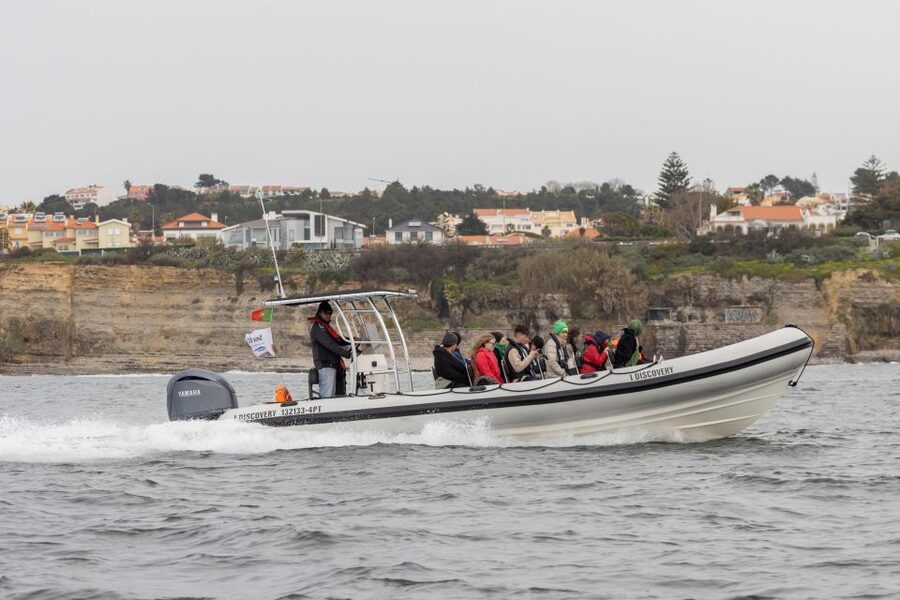
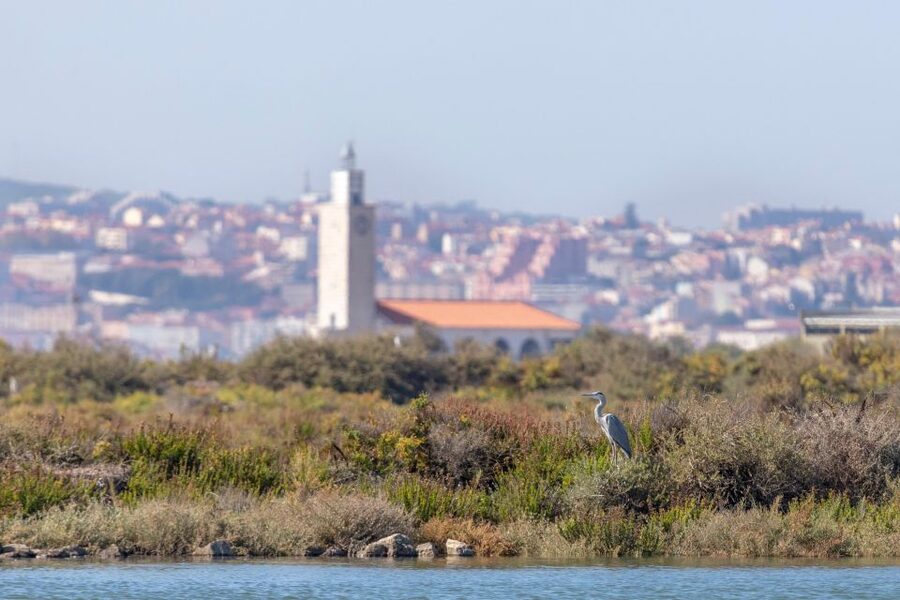
The tour takes you out of the city center and passes under the 25th of April Bridge, with Lisbon’s skyline on your side. From the water, the city looks different: more layered, less vertical, and surprisingly dramatic when you’re gliding along instead of staring at buildings from street level.
This stretch is a great warm-up. Even before you’re in the nature reserve, you start watching for the telltale signs: birds riding the wind, birds perched along edges, and flashes of movement that usually disappear when you’re distracted by traffic or street noise.
The Gaio-Rosário Photo Stop: Time to Reset Your Eyes
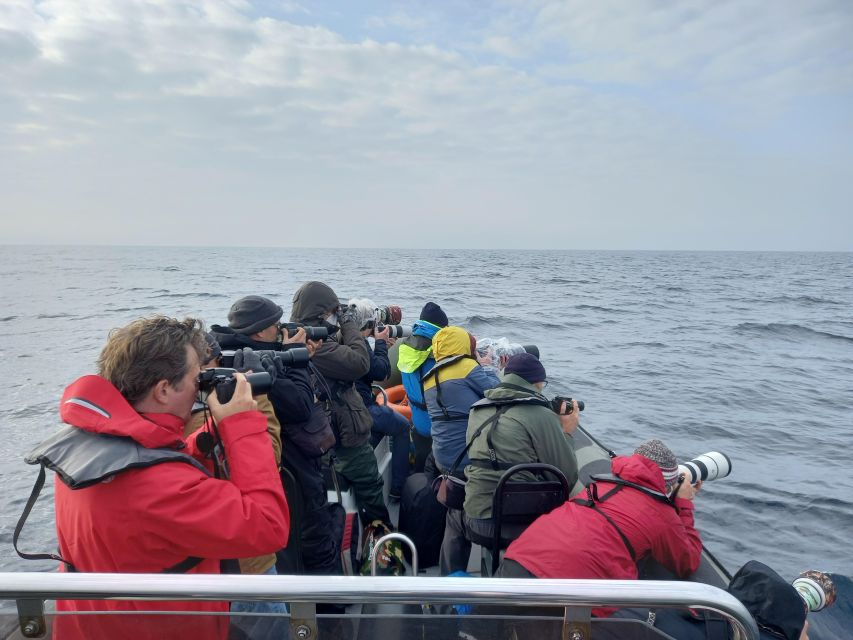
There’s a photo stop around Gaio-Rosário (with guided sightseeing elements during the approach). This is a simple but useful pause: it’s time to reset your focus, check your bearings, and get your camera ready so you don’t miss the first clean sightings.
You might also start seeing marine-life signals from the water—this tour includes marine life viewing as part of the experience—so use the stop to mentally switch from city views to estuary watching. Birds and water don’t announce themselves; you learn to catch them by attention, not luck.
Tagus Estuary Nature Reserve: The Best Two Hours for Real Bird Behavior
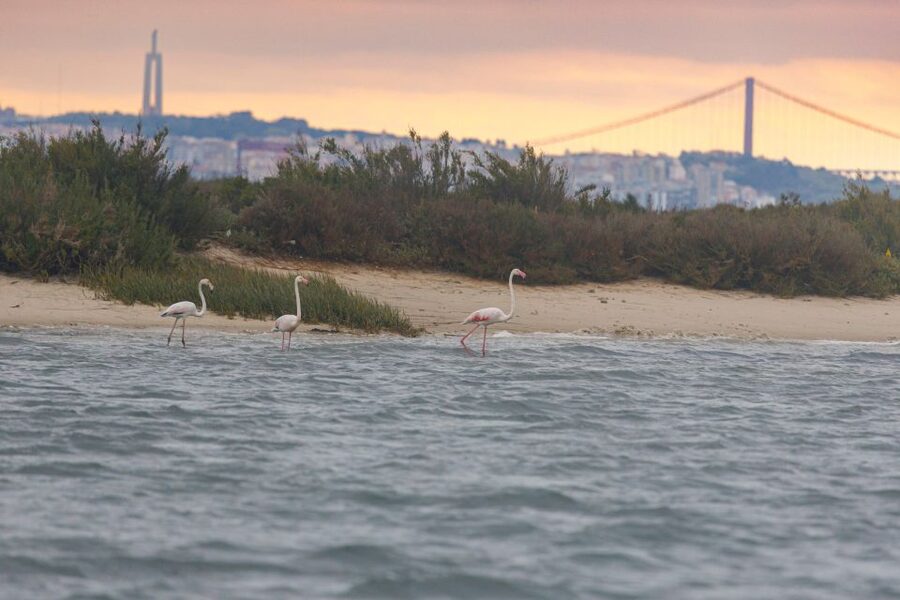
Once you reach the Tagus Estuary Nature Reserve, the tour becomes what you came for. You’re set up to spend up to 2 hours here during the main reserve time, with additional time later on the return stretch. The guiding idea is that you’re being shown secret spots close to Lisbon—places where birds actually rest and nest.
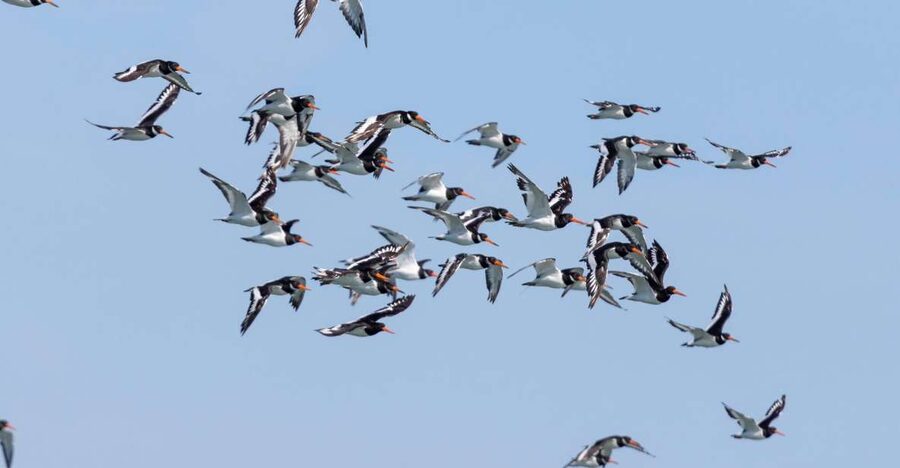
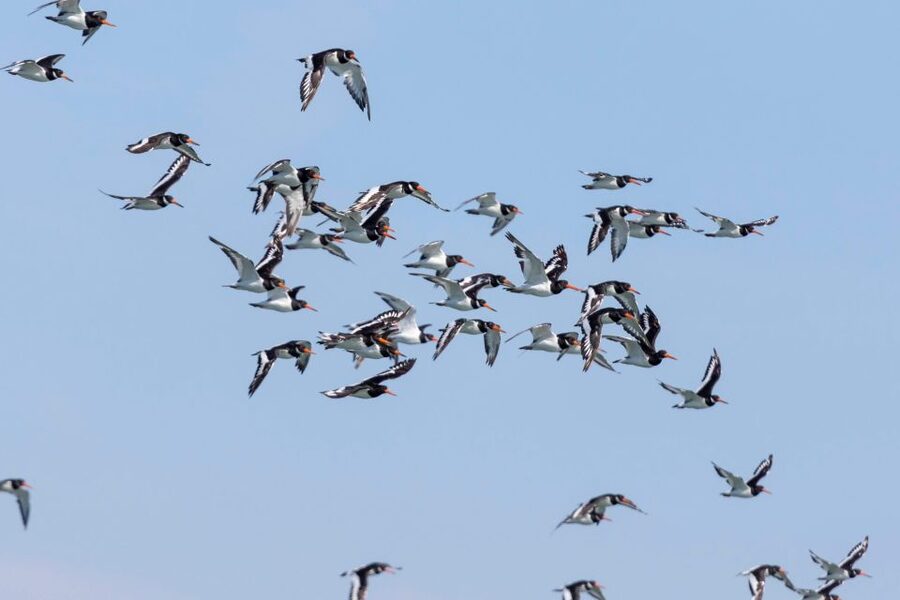
This is where the onboard learning becomes practical. You’ll look for species like flamingos and spoonbills, plus oystercatchers, herons, and egrets. The tour can also include sightings like ducks, waders, and kites, depending on conditions and bird activity that day.
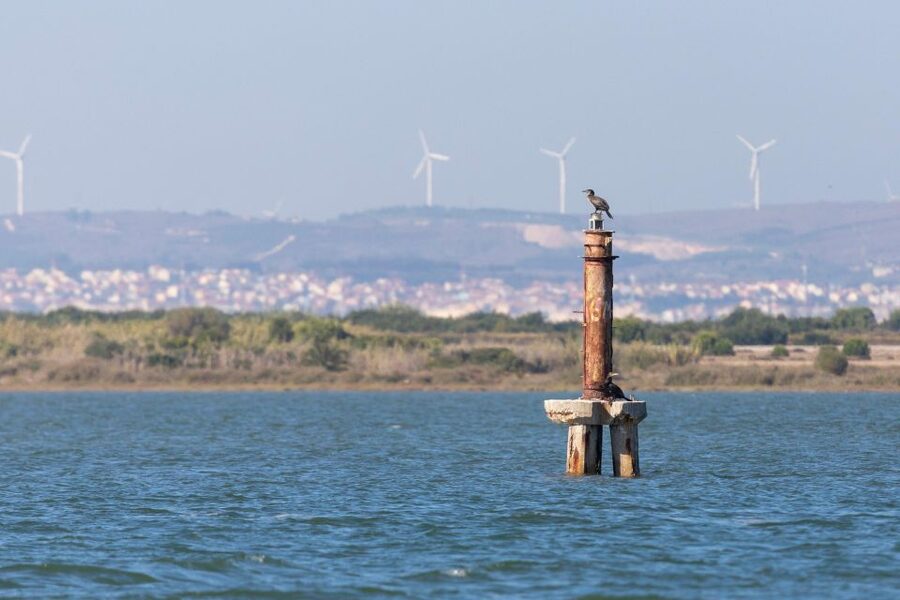
From the species the guide team calls out, you’ll also get chances for more specific birds you might not expect so close to Lisbon, such as ospreys (reported as an especially exciting highlight when they’re active), along with cormorants, sandwich terns, and shore-focused birds like avocets, stilts, and others tied to feeding zones.
You’ll also hear about the water and habitat side of things. The estuary isn’t just scenery—it’s a functioning system. When you understand saltmarsh habitat, you stop seeing birds as random dots and start seeing them as part of a daily routine: feeding, resting, and moving between zones.
What You Learn From the Ornithologist and Marine Biologist on Board
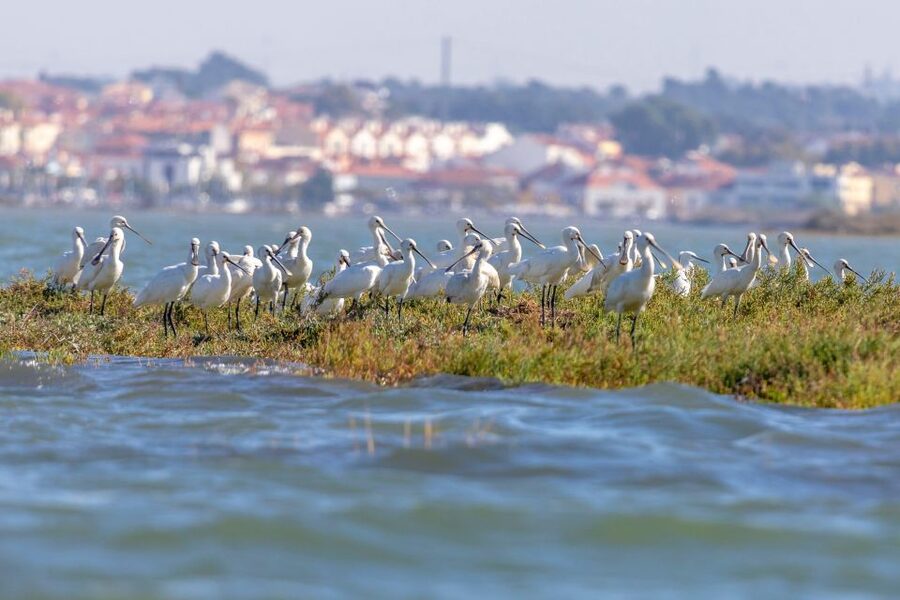
The tour includes a Marine biologist | Ornithologist as your onboard guide. That combination is smart for this area. Birds are obvious, but the estuary’s food web—what’s in the water and what attracts birds—helps you understand why species show up where they do.
On a practical level, the guide helps you read birds faster:
- You learn what to look for in shape and behavior (not just color).
- You learn how to use binoculars efficiently so you’re not flipping between guesses.
- You learn species names and what habitat cues to watch.
From the guide examples you may encounter—like Sid and Diogo—the approach is consistently attentive and well prepared. That’s a big deal for birdwatching because birds reward patience, but only if you know what to look for while you wait.
Small Group Size: Why 12 People Works Better Than It Sounds
This is a small group tour limited to 12 participants. For birdwatching from a moving boat, fewer people can mean less noise, less crowding, and quicker access to the guide’s attention when you spot something.
It also makes the experience feel focused rather than rushed. You’re not trying to ask questions over a chorus of strangers. Instead, you’re more likely to get clear answers and better direction on how to look at what you’re seeing right now.
What About Jellyfish and Marine Life?
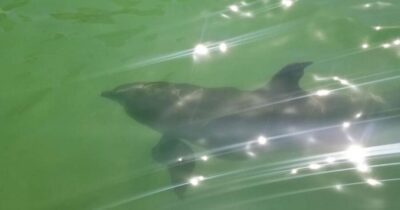
The tour notes marine life viewing alongside birdwatching, and the estuary can include sightings like jellyfish in the mix. That doesn’t replace the bird focus, but it adds variety to the outing—especially if you’re traveling with someone who wants more than just feathers.
Even if marine life isn’t the headline of your day, knowing it might be part of the watch keeps you looking at the whole water column and not only the sky.
Comfort Tips for a 2.5-Hour Speedboat Day on the Tagus
Plan like you’re going to be outside for a couple hours and moving over water. The tour suggests:
- Comfortable shoes
- A jacket
- Comfortable clothes
- No high-heeled shoes, and no smoking or alcohol/drugs
If you’re sensitive to motion, follow the guidance to help prevent seasickness: have a big breakfast but avoid milk, creams, or yogurts. And yes, bring that jacket. Even when Lisbon feels mild, the river can cool things down, and you’ll appreciate not shivering while you watch birds at water level.
One more practical note: the activity isn’t suitable for wheelchair users, people with back problems, pregnant women, or children under 5. It’s a moving boat environment, and that constraint is worth respecting before you book.
Value Check: Is $58 Worth It for Birdwatching Near Lisbon?
At $58 per person for about 2.5 hours, the value is mostly in what’s included. You’re paying for:
- A specialist onboard (ornithologist + marine biologist)
- Binoculars
- Lifejackets, crew support, and insurance
- Fuel and taxes
- A certified and licensed operation focused on observing and respecting wildlife
For birdwatching, guidance and equipment often matter more than distance. Being near Lisbon is fantastic, but without the expert help and the right approach to the estuary, you might miss the best sightings or not know what you’re seeing when it happens. Here, you’re set up to learn as you go—so the experience feels like education, not just a ride.
Should You Book This Birdwatching Speedboat Tour of the Tagus Estuary?
Book it if you want a nature-focused Lisbon experience that still feels efficient and easy. It’s ideal for:
- Bird lovers who want hands-on guidance
- People who like learning from specialists, not guessing
- Travelers who enjoy city landmarks but want to see Lisbon from a new angle
- Couples or friends who want a small-group outing with real attention to wildlife
Skip it (or plan something else) if motion is a problem for you. The speedboat ride isn’t a slow ferry. Also, if you fall under the tour’s non-suitable categories—wheelchair users, back problems, pregnancy, or kids under 5—choose a different activity that better matches your needs.
If you’re deciding last-minute, here’s the simple test: if you’ll be disappointed by just watching the river go by, this tour won’t feel special. If you’ll be excited to identify birds, track movement, and learn the estuary logic behind sightings, it’s a strong choice.
FAQ
How long is the birdwatching boat tour in the Tagus Estuary?
The total duration is 2.5 hours.
Where does the tour start?
Departure is from SeaEO Tours – Sea & Estuary Odyssey, at Doca de Santo Amaro, Gate 3 (the dock under the big red bridge is the best reference point).
What is included in the price?
The tour includes a Marine biologist | Ornithologist guide, binoculars, crew members, lifejackets, insurance, taxes, and fuel.
What language options are available for the live guide?
The live tour guide is available in French, English, Italian, Portuguese, and Spanish.
What group size is this tour?
It’s a small group limited to 12 participants.
What birds or wildlife might you see?
You may see flamingos, spoonbills, oystercatchers, herons, egrets, ducks, waders, kites, and jellyfish, depending on wildlife activity that day.
What should you bring?
Bring comfortable shoes, a jacket, and comfortable clothes.
Is there anything you can’t bring or do during the tour?
Smoking is not allowed, and alcohol and drugs are not allowed. High-heeled shoes are also not allowed.
Who should not book this experience?
It’s not suitable for people with back problems, wheelchair users, pregnant women, and children under 5 years.