REVIEW · EVERGLADES NATIONAL PARK
Everglades National Park: 2 hour Dolphin & Birding Boat Tour
Book on GetYourGuide →Operated by Everglades Area Tours · Bookable on GetYourGuide
Florida does wildlife in a way that feels close and personal. This 2-hour Everglades boat tour brings you into prime birdwatching waters with an expert naturalist guide calling the shots on where to look.
What I like most is the access. Much of the park is flooded and out of reach for most birder-friendly routes, so this tour uses a quiet powerboat to get you into areas other visitors often can’t reach. One thing to plan around: you’ll need to handle essentials yourself, since the tour doesn’t include the Everglades National Park pass or water, and it isn’t suitable for wheelchair users.
In This Review
- Key things I’d focus on before you book
- A 2-hour Everglades cruise that’s built for birding, not just sightseeing
- The quiet powerboat advantage (and why it affects what you see)
- Your naturalist guide: Dan and Capt. Don set the tone
- Wildlife viewing you can reasonably hope for in season
- Birding in the Everglades: why “access” is the real feature
- What the 2 hours feels like from your side of the boat
- Price and value: what you get for $110 per person
- What to bring: keep it simple, keep it sun-safe
- Who this tour suits best (and who should skip it)
- Should you book this Everglades Dolphin & Birding Boat Tour?
- FAQ
- How long is the Everglades Dolphin & Birding Boat Tour?
- How much does the tour cost?
- How big is the group?
- What wildlife and birds can you look for on this tour?
- Is the guide included?
- Is an Everglades National Park pass included?
- Is water provided?
- Does the tour offer hotel pickup and drop-off?
- Is the tour wheelchair accessible?
- What should I bring?
- What is the cancellation policy?
Key things I’d focus on before you book
- Small group, quiet 6-passenger boat: more attention from the guide and less noise near wildlife.
- Naturalist-led birding: you’re not just spotting birds, you’re learning how the ecosystem works.
- Wildlife you might actually see: dolphins, manatees, sea turtles, bald eagles, ospreys, herons, egrets, and more.
- Access to flooded areas: a big reason this tour helps both birders and photographers.
- Seasonal expectations are real: sightings depend on time of year, but the habitat checks are smart.
- Guides with strong local context: names like Dan and Capt. Don show up for a reason.
A 2-hour Everglades cruise that’s built for birding, not just sightseeing
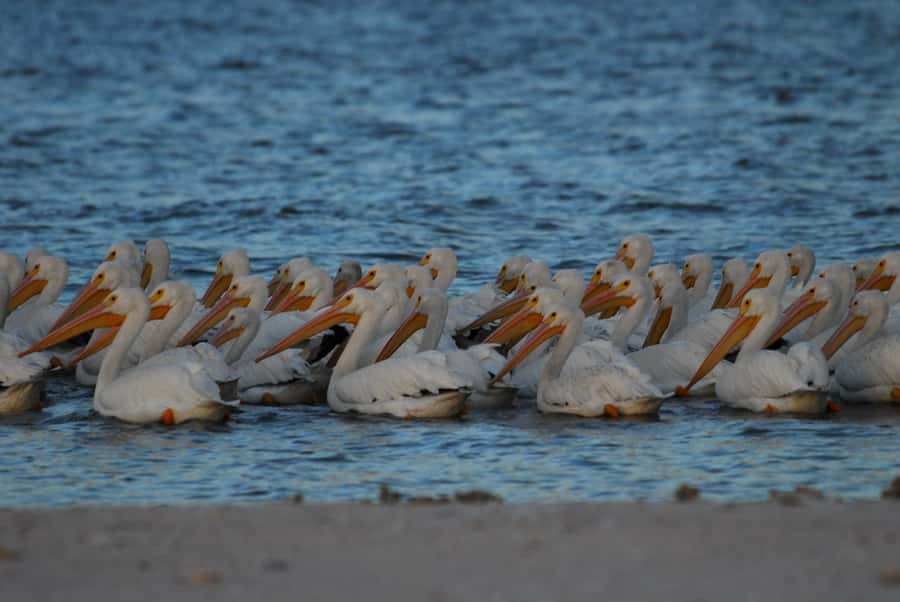
Most Everglades experiences focus on land paths and viewpoints. This one is designed around the reality that the park is mostly water and flooded habitat. The tour’s pitch is simple: you get out on a quiet boat, and you use that mobility to find the birds and wildlife that are tied to the waterline, mangroves, and shoreline food chains.
The guide-led factor matters. Birding in the Everglades isn’t only about spotting something pretty; it’s about understanding what that bird is doing there and what the habitat is offering. In a place where over 300 species of birds show up across the year, the guide’s job is to help you read the ecosystem fast, so your 2 hours feel productive instead of scattered.
Another plus: small group size. With a boat limited to 6 participants, you’re more likely to get help with sightlines and ID questions than you would on bigger outings.
You can also read our reviews of more tours and experiences in Everglades National Park.
The quiet powerboat advantage (and why it affects what you see)
A “quiet powerboat” isn’t just marketing. In wildlife areas, sound and disturbance change behavior. The tour specifically uses a quieter approach to minimize disruption, which helps wildlife keep doing their normal routines while you’re watching.
Practically, this also changes how the trip feels. You’re not battling engine roar for half the tour, so when the guide points out a heron line, an eagle perch, or mangrove structure, you can actually take it in. That’s where the birding payoff lives: you get time to look, not just time to travel.
Your naturalist guide: Dan and Capt. Don set the tone
The tour runs with a live guide in English, and the quality shows in the way the information is delivered. In particular, the names Dan and Capt. Don come up strongly. What seems consistent is that the guidance is grounded in habitat—what the Everglades mangroves are doing, how the ecosystem functions, and how to interpret what you’re seeing from the boat.
If you like learning while you’re moving, this is a nice match. Capt. Don’s guidance, for example, is described as friendly and packed with local flora and fauna details, and he also brings in cultural context about the Colusa Indians who once inhabited the area. Dan is noted for explaining the ecosystem and steering the group through mangroves like he knows the currents by feel.
That matters for you if you’re a newer birder. The Everglades can be overwhelming: birds are everywhere, but knowing what to watch first saves time and frustration. A good guide essentially turns random sightings into a clearer “pattern.”
Wildlife viewing you can reasonably hope for in season
No boat tour can promise specific animals on a specific day, but this one is set up for high-probability targets. Depending on the season, the tour description includes manatees, dolphins, sea turtles, and a strong list of birds of prey and wading birds.
Here are the highlights the tour is built around:
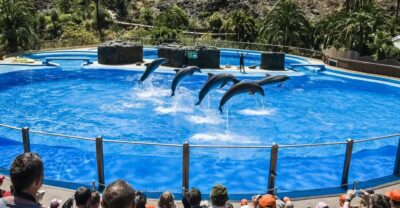
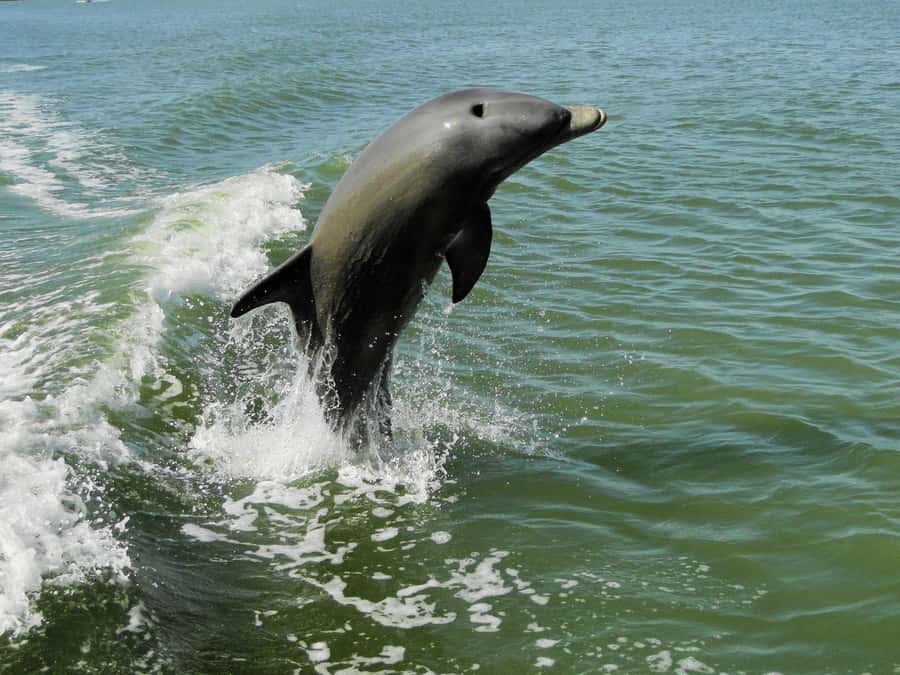
- Dolphins (the classic Everglades “yes, we’re really doing this” moment)
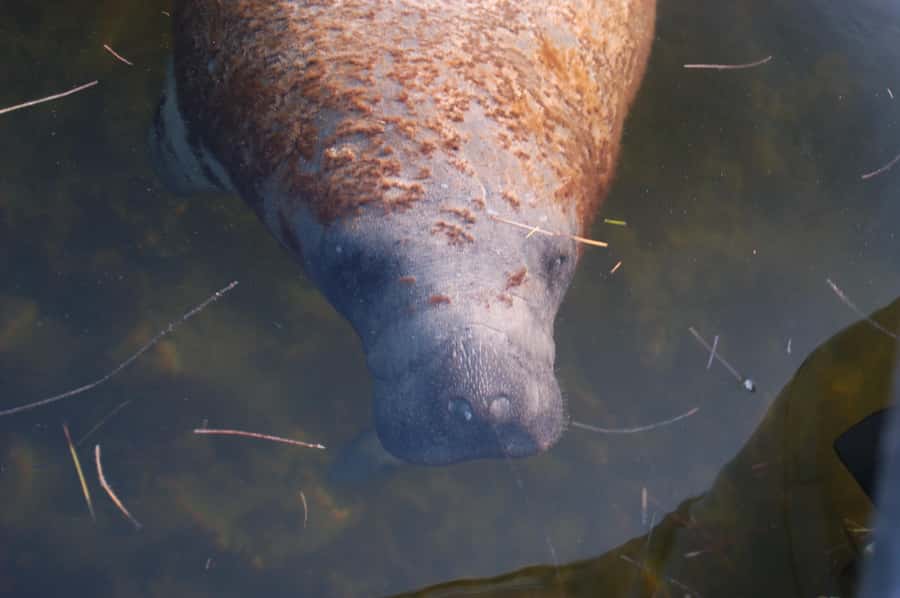
- Manatees (often associated with calm, protected water areas)
- Sea turtles (seasonal)
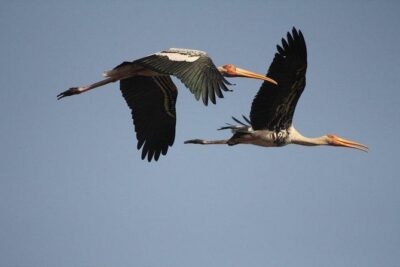
- Bald eagles and ospreys (raptors that often show themselves when the timing is right)
- Herons, egrets, pelicans
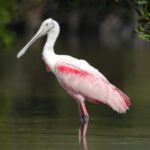
- Rosette spoonbills (a bird you don’t want to miss if you’re after unusual color and shape)
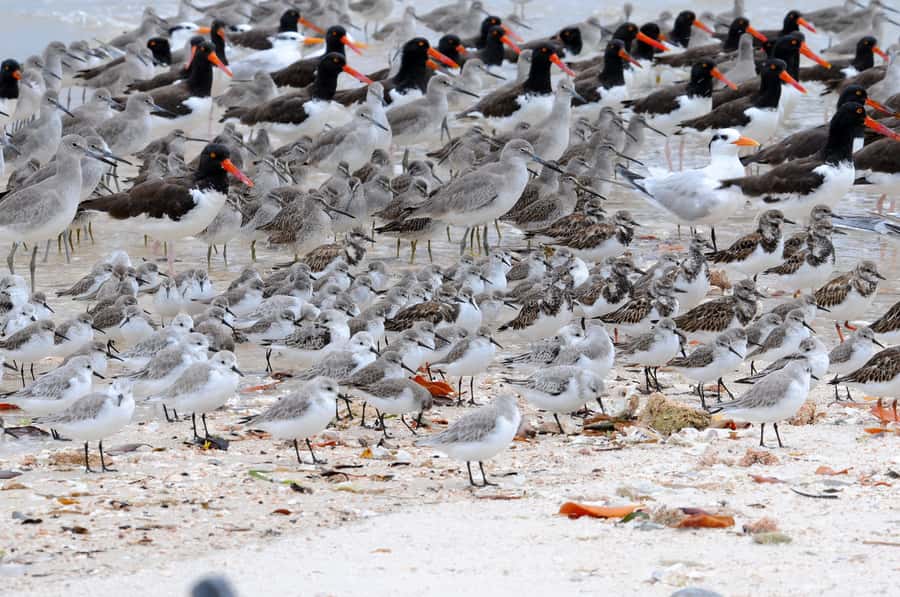
What I find smart here is the mix. The tour isn’t only chasing one species. It’s set up like birding and wildlife are linked: the same water that can hold dolphins and manatees also supports shorebirds, fish, and the birds that feed on them.
Birding in the Everglades: why “access” is the real feature
The most useful detail in the tour description is the access story. Most of the park—about 1.5 million acres—is flooded and essentially out of reach for the average birder and photographers. This tour gets you into areas that are seldom reached by others, and that’s the difference between “I saw some birds” and “I had real chances to observe species that are otherwise hard to reach.”
So how do you use that access as a visitor?
- Look for the edges: where water meets mangroves or shoreline.
- Expect movement rather than stillness: waders and raptors often shift with feeding windows.
- Ask the guide what to watch next. In a short 2-hour outing, chasing what you already know can waste the best moment.
If you’re photographing, the shorter duration can actually help. You’re on the water long enough to get wildlife viewing and birding practice, but not long enough to tire into “whatever happens happens” mode.
What the 2 hours feels like from your side of the boat
This tour is timed at 2 hours, with starting times that vary by availability. That matters because birds can change their behavior quickly with light and tides. A tight schedule can be a benefit if your goal is focused viewing with fewer gaps.
Here’s how the flow typically makes sense for this kind of guided outing:
- You launch and get set up with the guide’s focus for the trip.
- You scan and search with a purpose, not just drifting.
- The guide calls out key habitat features, especially mangroves, and connects them to bird activity.
- When wildlife appears, you slow down and watch—dolphins, manatees, and raptors may show up when conditions align.
- You wrap with more field tips for what to watch on your own time afterward.
The short format is ideal if you don’t want a whole day to be “dedicated to the chance of a sighting.” It’s also ideal if you have limited energy, since you’re not spending hours hiking on uneven ground. That said, it’s still a boat tour, so it’s best treated like an active nature outing—bring what keeps you comfortable.
Price and value: what you get for $110 per person
At $110 per person for a 2-hour tour, the value comes from four things that are hard to replicate on your own:
- A guide-led search for birds and wildlife, including ecosystem explanations.
- Access to harder-to-reach flooded areas, which is the big “why this works” factor in the tour design.
- A small boat group limited to 6 people, which improves the quality of attention.
- The use of a quiet powerboat to reduce disturbance, which makes sightings more watchable.
What’s not included is also part of the equation. You’ll need to plan for an Everglades National Park pass, bring water, and you’ll handle your own getting there since hotel pickup and drop-off aren’t included.
If you’re deciding between self-drive exploring and a guided boat, this is the tradeoff: paying for the tour buys you expertise plus access. If your goal is learning and wildlife viewing within a tight window, the price can pencil out well.
What to bring: keep it simple, keep it sun-safe
The tour gives a practical packing list. Use it. Florida sun doesn’t care about your birding plans.
Bring:
- Sunglasses
- Sunscreen
- Water
- A hat
Even though water isn’t included, you’ll feel the difference if you show up hydrated and protected. The boat time is concentrated, and you’ll likely spend a lot of energy scanning, watching, and reacting when something appears.
Also expect to use gratuities as part of your plan. Tips aren’t included, and that’s common for guided wildlife trips.
Who this tour suits best (and who should skip it)
This is a great match if you like:
- Birdwatching and learning what you’re seeing
- Wildlife spotting in a way that feels guided, not random
- A short, high-attention nature experience
One review example mentioned a family group spanning ages 7 to 71, which hints that the trip can work across generations—assuming everyone is comfortable on the water.
Who should be careful:
- Wheelchair users should look for a different option, since it’s not suitable for wheelchair users.
- If you want a low-sun, low-scan experience, birding may require patience. You’re on the lookout most of the time.
Should you book this Everglades Dolphin & Birding Boat Tour?
I’d book it if you want a focused 2-hour wildlife-and-birds experience with expert guidance and access to areas that are otherwise tough to reach. The small group and quiet powerboat setup are real advantages for both comfort and wildlife-watching quality.
Skip it only if logistics or mobility are dealbreakers for you. You’ll want an Everglades pass, you’ll need to bring water, and you’ll arrange your own transport since there’s no hotel pickup. If you can handle that, this tour is one of the most efficient ways to experience the Everglades as a living ecosystem, not just a pretty place to drive through.
FAQ
How long is the Everglades Dolphin & Birding Boat Tour?
The tour runs for 2 hours.
How much does the tour cost?
The price is $110 per person.
How big is the group?
It’s a small group, limited to 6 participants.
What wildlife and birds can you look for on this tour?
Depending on the season, you may see dolphins, manatees, sea turtles, and birds such as bald eagles, ospreys, herons, egrets, pelicans, and roseate spoonbills.
Is the guide included?
Yes. The tour includes a live English-speaking guide and all safety equipment.
Is an Everglades National Park pass included?
No, the Everglades National Park pass is not included.
Is water provided?
No. Water is not included, so you should bring your own.
Does the tour offer hotel pickup and drop-off?
No. Hotel pickup and drop-off are not included.
Is the tour wheelchair accessible?
No, it is not suitable for wheelchair users.
What should I bring?
Bring sunglasses, sunscreen, water, and a hat.
What is the cancellation policy?
You can cancel up to 24 hours in advance for a full refund.