REVIEW · UNDERBERG
From Underberg: Sani Pass Birding Tour with Birding Guide
Book on GetYourGuide →Operated by Roof of Africa Tours Underberg · Bookable on GetYourGuide
Sani Pass birding can feel like birding on easy mode. This 8-hour tour from Himeville climbs the Sani Pass into Lesotho for real odds at Drakensberg endemics and even multiple Southern African cranes in one day. What I liked most was the way the guide worked the montane grasslands, alpine scrubland, and wetlands for target species, not just stopping for photos. The main catch: you’re in cold, high-altitude terrain, so warm layers and patience matter.
Two things really sold me. First, Sani Pass is one of the only easy access points for globally hard-to-find birds like the Drakensberg Rockjumper and Drakensberg Siskin. Second, the tour is built around smart searching for a whole set of options—some species depend on season, and the guide knows how to pivot when the birds don’t show up exactly on cue. The only drawback I’d flag is that wildlife spotting is never guaranteed, so if you need certainty, plan your day with some flexibility in your expectations.
In This Review
- Key Points Worth Your Time
- The Big Idea: Why Sani Pass Birding Is Different
- From Himeville to Lesotho: The 4X4 Climb That Sets Up the Day
- Habitat Stops: Montane Grasslands, Alpine Scrubland, and Wetlands
- Target Species Day Plan: What You’re Actually Here For
- Drakensberg endemics: the headline chase
- Additional endemics and specials you might get
- High-stakes search: Bearded Vulture and rare birds
- Guides Make the Difference: Mlondi and Aldo’s Impact
- Lunch, Timing, and How to Handle a Cold Mountain Day
- What to Bring (and Why It Changes Your Odds)
- Price and Value: Is $77 a Good Deal?
- Who Should Book This Tour?
- Should You Book the Sani Pass Birding Tour?
- FAQ
- How long is the Sani Pass birding tour?
- Where does the tour start?
- What’s included in the price?
- What group size should I expect?
- What birds are the main targets?
- Are there crane species on this tour?
- Will I have a guide in English?
- What should I bring?
- Do I need to bring my own binoculars?
- What’s the cancellation rule?
Key Points Worth Your Time
- Only easy access globally (in practical terms) for Drakensberg Rockjumper, Drakensberg Siskin, and Mountain Pipit
- Habitat hunting across montane grasslands, alpine scrubland, and wetlands, so you’re not just driving to views
- Seasonal target chances for birds like Barratt’s Warbler, Fan-tailed Grassbird, and Bush Blackcap
- Crane country: potential sightings of Grey Crowned, Wattled, and Blue cranes
- High-probability specials: Gurney’s Sugarbird and the chance to look for Bearded Vulture
The Big Idea: Why Sani Pass Birding Is Different
If you take birding seriously, you learn fast that some species are tied to a narrow slice of geography. The Sani Pass region sits right in that sweet spot, where elevation and habitat mix create strong chances for Drakensberg endemics. On this Sani Pass birding tour, you’re not waiting around in one spot. You’re moving through the altitude zones that those birds actually use.
The other reason it works is focus. The goal is not a general scenic drive. The goal is to give you a route and field time where certain species have realistic odds. That’s why the tour highlights birds like Drakensberg Rockjumper, Drakensberg Siskin, and Mountain Pipit—species that can be hard elsewhere.
And yes, you get a tour structure that’s practical for a day trip: 4X4 transport, a small group, and a picnic lunch to keep you going without stretching the day into something exhausting.
From Himeville to Lesotho: The 4X4 Climb That Sets Up the Day
Your day starts in Himeville, with pickup included. From there, you travel by comfortable 4X4 up toward and across the Sani Pass into Lesotho. This is a key part of the value. You’re gaining altitude and access to viewpoints and habitat edges that would be much harder to reach on your own.
A 4X4 also changes how birding feels. Instead of you spending your morning hiking in the wrong place, you’re positioning quickly. The guide can then pick the right micro-habitats to work—where sound carries, where perches appear, and where the terrain funnels birds.
Small group matters here. With a limit of 15 participants, you’re more likely to be able to see what the guide is pointing at and less likely to get stuck in a jam of people when a bird calls from an awkward spot.
Habitat Stops: Montane Grasslands, Alpine Scrubland, and Wetlands
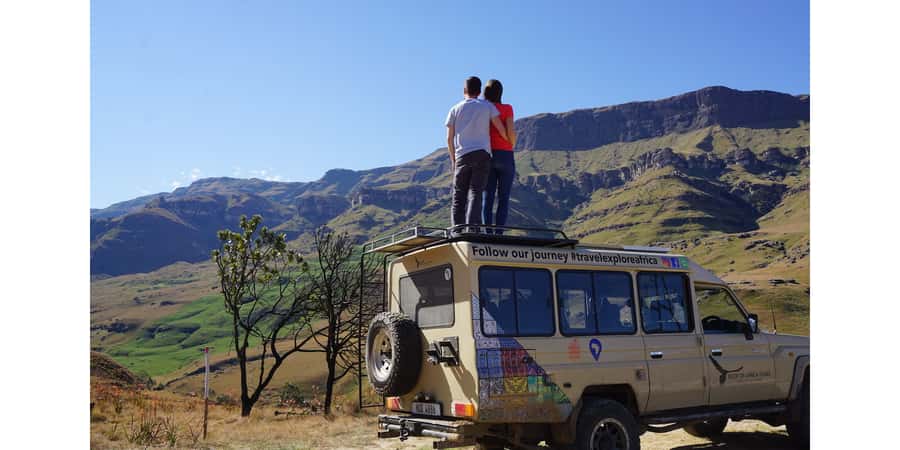
One of the best surprises about this tour is that it’s habitat-led. The day is built around montane grasslands, alpine scrubland, and wetlands, which is exactly how you should bird in the real world. Different birds use different structures: grasses for ground-feeding and perching, scrub for cover and song, and wetlands for cranes and other wetland-linked species.
Montane grasslands are where you tend to get the best chance at birds tied to cooler, higher elevations. You’re looking for motion on the ground, small silhouettes, and the telltale behavior of birds that move through cover rather than sit openly.
In alpine scrubland, the game shifts. You’re more likely to hear birds before you see them, and you’ll probably rely on quick scanning of edges—places where scrub transitions to rock, grass, or lighter patches.
Wetlands (when conditions allow you to work them) help because cranes are not random visitors. If the area is holding water and food, you stand a better chance at seeing multiple species. The tour specifically calls out that this region is home to all three of the southern African crane species: Grey Crowned, Wattled, and Blue.
Target Species Day Plan: What You’re Actually Here For
This is the part I’d use to decide whether the tour fits your style. The tour is clearly structured around a shortlist, with extra possibilities depending on season.
Drakensberg endemics: the headline chase
The Sani Pass region is singled out as the only easy access globally for the Drakensberg Rockjumper, Drakensberg Siskin, and Mountain Pipit. That’s a big statement, but it makes sense in birding terms: endemics often require very specific elevation and habitat. This tour is built to put you there on a single day.
When you’re searching for birds like these, the guide’s job is not just spotting—it’s timing and positioning. That’s why your best chances typically come from working the right habitat zone and staying alert for short windows of activity.
Additional endemics and specials you might get
Even if you come for the headline species, the tour gives you room for surprises. Depending on the season, you may find birds such as:
- Barratt’s Warbler
- Fan-tailed Grassbird
- Bush Blackcap
You also have potential for narrowly distributed endemics like:
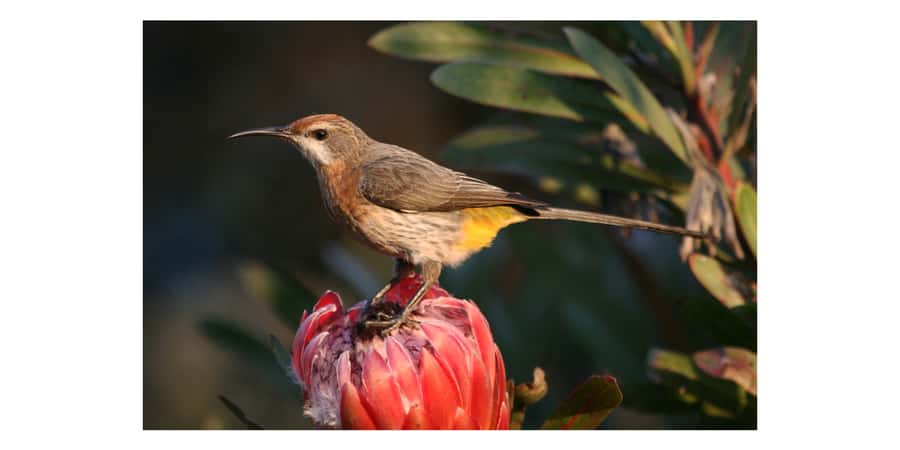
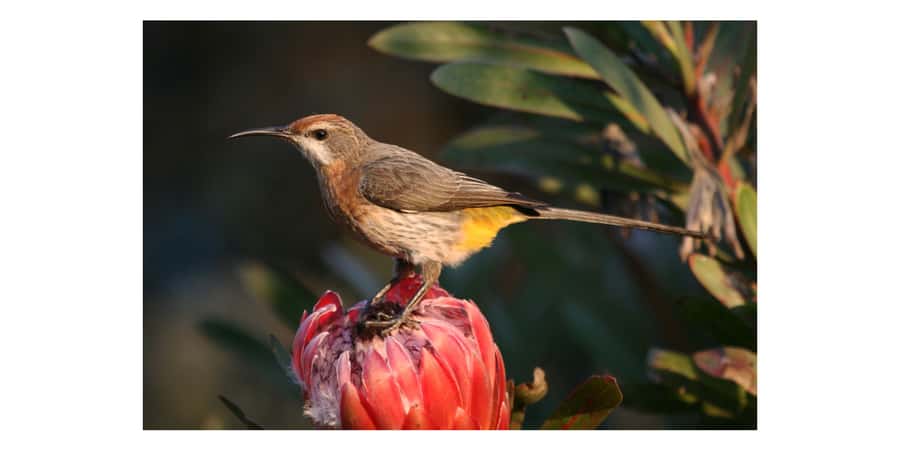
- Gurney’s Sugarbird
- Buff-streaked Chat
The day can also include other western-associated species in the alpine zone, where you might find:
- Grey Tit
- Sickle-winged Chat
- Layard’s Warbler
- Fairy Flycatcher
This is where the guide’s field skill really matters, because those species don’t behave like guaranteed checkpoints. A good guide helps you interpret calls, scan likely perches, and understand when a bird is moving through cover versus holding territory.
High-stakes search: Bearded Vulture and rare birds
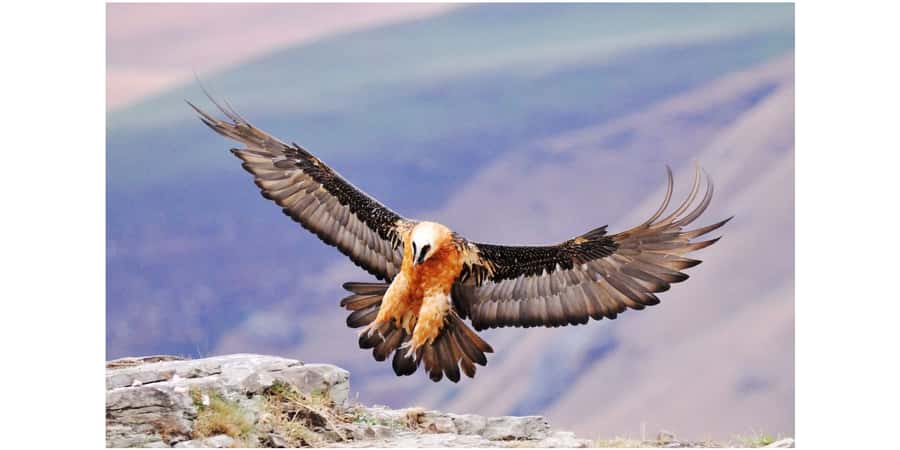
If you like tough targets, the tour includes a serious option: it’s probably the best place to search for the highly endangered Bearded Vulture. That’s not a promise—vultures can be elusive—but it’s the kind of priority birding that makes people travel for Sani Pass.
There are also mentions of seldom-recorded species that you might hear of in the region, such as Short-tailed Pipit and Black-rumped Buttonquail. With birds like these, success often comes down to conditions and patience. If you enjoy the process of searching—not just ticking boxes—that’s where this day shines.
Guides Make the Difference: Mlondi and Aldo’s Impact
The reviews and overall tour feel point to a consistent theme: the guide isn’t just driving. They’re reading the terrain and the birds.
One guide, Mlondi, is described as keen and highly capable at finding target birds, with extra context on Sani Pass topics that goes beyond species lists. Another guide, Aldo, is praised as enthusiastic and full of useful knowledge, while also being a friendly driver. Both experiences highlight the same thing: you’re not left holding binoculars and guessing.
For you, this matters because birding quickly becomes frustrating without field cues. When the guide can point out why a bird might be in a certain edge or what behavior to watch for, you get more time actually birding—and less time wondering if you’re in the wrong place.
Lunch, Timing, and How to Handle a Cold Mountain Day
You’re out for 8 hours, with a picnic lunch and refreshments included. That’s not a small detail. When you’re scanning for birds, you don’t want to burn time hunting for food or cutting the day short because you’re hungry. The picnic setup helps keep the rhythm steady.
Timing also matters in birding. Most birds don’t follow a perfect schedule, but their activity patterns do shift through the day. Having a planned route through habitats increases your chances that at least one zone will be active when you’re there.
Finally, bring warm gear. The tour is run in a high-altitude environment on and around the Sani Pass. Even if the day starts pleasantly, temperature can drop as elevation rises. Your kit should prioritize warmth, not just style.
What to Bring (and Why It Changes Your Odds)
The tour is simple, but your preparation directly affects your comfort and your spotting ability. Bring:
- Warm clothing (this is not optional)
- Binoculars (handy, especially if you’re trying to pick out small shapes)
- Camera
- Passport, and for children the needed ID document
- Cash
- Visa if required for your nationality
If you’re the type who forgets one key item, this is the kind of day that punishes that habit. Warmth keeps you focused; binoculars keep you from missing the small stuff; and your documents keep the border-crossing part from turning into an admin headache.
Price and Value: Is $77 a Good Deal?
At $77 per person for an 8-hour guided outing, the value comes from what’s included and what’s hard to replicate on your own. You’re getting:
- A personal birding guide
- Comfortable 4X4 transport
- Picnic lunch and refreshments
- A small-group experience capped at 15 participants
- Pickup from Himeville
The most convincing value argument is access. The tour is built around reaching the exact area where multiple difficult species are realistically possible in one day—especially Drakensberg Rockjumper and Drakensberg Siskin. If you tried to do this independently, you’d spend time planning, arranging transport, and guessing at habitat priorities. Here, the day is already shaped for bird-finding.
Is it expensive for a local outing? Sure, it’s not a free stroll. But for the combination of guide expertise, vehicle time, and the specialized birding focus, it’s good value.
Who Should Book This Tour?
I think this tour is a great fit if:
- You want a birding day with a clear target list, not a generic nature walk
- You enjoy habitat-based birding and scanning for small species
- You’re interested in crane country and possible rare or endangered birds like Bearded Vulture
- You’d rather go with a guide than piece together logistics for a high-pass environment
It’s less ideal if:
- You want guaranteed sightings no matter what
- You struggle with cold weather and standing around for scanning time
- You only care about one extremely common species (this day is tuned for high-country birding, which can be slow and selective)
Should You Book the Sani Pass Birding Tour?
I’d book it if you’re serious about birds and you want a structured, single-day route into the habitats that matter. The promise is not perfect certainty—it’s the right access, the right habitat mix, and the kind of searching that boosts your odds for Drakensberg Rockjumper, Drakensberg Siskin, Mountain Pipit, and crane species.
If you’re a first-time birder, you’ll still get a lot out of it, especially with a guide like Mlondi or Aldo helping you read what you’re seeing. Just pack for cold, bring your binoculars, and treat the day like a focused field session, not a quick photo stop.
FAQ
How long is the Sani Pass birding tour?
The tour duration is 8 hours.
Where does the tour start?
You’re picked up from your accommodation in Himeville at the start of the tour.
What’s included in the price?
It includes a personal birding guide, comfortable 4X4 transport, and a picnic lunch and refreshments.
What group size should I expect?
The group is limited to a small group of up to 15 participants.
What birds are the main targets?
Key targets include Drakensberg Rockjumper, Drakensberg Siskin, and Mountain Pipit, with chances for several other species depending on season and conditions.
Are there crane species on this tour?
Yes. The area is home to all three southern African crane species: Grey Crowned, Wattled, and Blue.
Will I have a guide in English?
Yes, the live tour guide speaks English.
What should I bring?
Bring a passport, warm clothing, a camera, and binoculars. Also bring cash and visa if required for your nationality.
Do I need to bring my own binoculars?
The tour info specifically lists binoculars as something to bring, so you should plan on using your own.
What’s the cancellation rule?
You can cancel up to 24 hours in advance for a full refund.