REVIEW · NARA
Nara Early Bird Tour (Kyoto Departure Option Available)
Book on GetYourGuide →Operated by GuideMe Japan · Bookable on GetYourGuide
Early Nara saves your photos. This morning tour is built around one simple idea: go before the day-trippers arrive, so you can actually see the sights at Nara Park and the temples without fighting shoulder-to-shoulder lines. Two things I really love here are the early start (real crowd control) and the way the guides bring the day to life, from Shuma-kun’s smart routes to Genki’s friendly storytelling and Futaba’s steady pace.
The one drawback to plan for is timing discipline: you need to show up about 10 minutes early at the Kyoto Station meeting point, and late guests can’t join, with no refund. If you’re not a morning person or you hate rigid schedules, this is the part that might feel annoying instead of relaxing.
In This Review
- Quick hits you can act on fast
- Why this Nara early bird plan works (and when it doesn’t)
- Meet at Kyoto Station: easy to find, not easy to be late
- The Kyoto to Nara train ride: the 1-hour head start
- Kofuku-ji first: a fast hit of Nara’s temple power
- Todaiji and the 800 yen admission you must plan for
- Nara Park: deer time without feeling rushed
- Kasuga Grand Shrine: where the morning feels slower
- The guides: why this tour feels personal in a good way
- Pace and walking: what “half-day” really means
- Money and value: $88 buys coordination, timing, and a guide
- After the tour: turn your morning into an actual day
- Who should book this Nara early bird tour
- Should you book it? My take
- FAQ
- What time do I need to arrive at the meeting point?
- Where is the meeting point in Kyoto?
- How long is the tour?
- Which Nara sites are included?
- Is Todaiji admission included in the price?
- Is transportation back to Kyoto included?
- Is the tour limited to a small group?
- What should I bring?
- Is it suitable for wheelchair users?
Quick hits you can act on fast
- An early start that changes everything: Nara gets packed later, so the payoff is bigger photos and calmer temple time.
- Small groups (up to 12 people): it stays easy to follow and ask questions.
- The big Nara circuit in a half-day: Kofuku-ji, Todaiji, Nara Park, and Kasuga Grand Shrine, before the crowds.
- Deer time that feels respectful: you’ll spend real time in the park and around deer-friendly areas.
- One extra cost to budget: Todaiji has an 800 yen admission fee.
- Kyoto Station is the anchor: meeting near Kyoto Tower makes the start straightforward.
Why this Nara early bird plan works (and when it doesn’t)
Nara has a split personality. In the afternoon it can feel like the whole world arrives at once. The early-bird approach flips that: you get the main sights first, while you still have space to look up at temple architecture, not just at the backs of other people’s phones.
I also like that the tour is built for time-poor visitors. It’s designed as a half-day you can fit into a Kyoto trip without losing your afternoon to long waits. That matters if you’re also trying to squeeze in Kyoto classics like Fushimi Inari, Kinkaku-ji, or Arashiyama—because this tour leaves you time to choose your next move.
Where it can fall short is if you want a slow, wandering day with lots of flexibility. This is a structured route, and you’ll be on your feet. And if you’re sensitive to strict meeting times, the policy about arriving early is a real factor.
Meet at Kyoto Station: easy to find, not easy to be late
The standard starting point is Kyoto Station’s Central Ticket Gate on the northern side. You’ll spot the Kyoto Tower outside, and you’re meeting at the big gate on the ground floor. It’s about as clear as meeting points get in a giant station.
You’ll want to arrive early—about 10 minutes early is the expectation—because late guests can’t be accepted. This is one of those tours where punctuality keeps the whole group moving, and the company keeps the schedule tight since multiple groups run through the same area.
If you’re coming in from Osaka or another part of Kyoto, I’d still build in extra buffer time for station navigation. Kyoto Station is efficient, but it’s also large, and you don’t want your whole morning to hinge on one escalator.
The Kyoto to Nara train ride: the 1-hour head start
For the Kyoto Station departure option, you’ll take the public train to Nara. The ride is around 1 hour, which is a big part of why this tour is such a good “morning slot” option.
Why it matters: you’re not just paying for sightseeing. You’re paying for transportation coordination and a guide who keeps you on the right route once you’re in Nara. That saves time you’d otherwise spend figuring out where to go next and how long each stop will take.
It also sets you up for photo-friendlier timing. By the time you reach the main areas, you’re hitting temples and park views while the bulk of day crowds are still sleeping in or still getting coffee.
Kofuku-ji first: a fast hit of Nara’s temple power
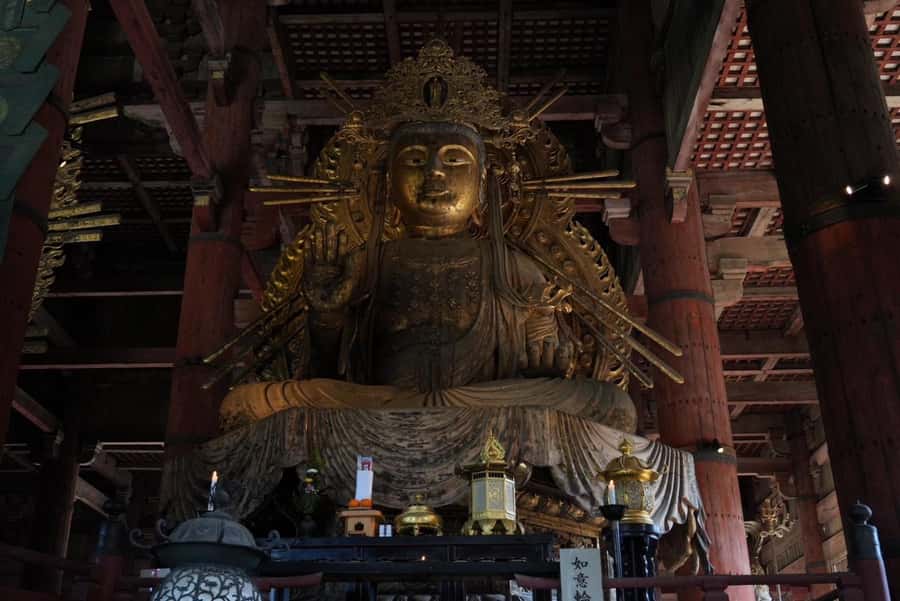
Your route starts with a major temple highlight: Kofuku-ji. This is a strong opening because it gets you into Nara’s spiritual and historical vibe right away, without spending the whole morning still traveling or waiting.
In practical terms, going early helps here too. Temples look best when you can walk around them, pause, and take in details at your own pace. Later in the day, it’s harder to do that—especially when you’re trying to frame buildings and gates cleanly.
A guide is especially useful at stops like this because it’s not just about seeing the temple sign. The best moments come from knowing what you’re looking at and why it mattered to Nara’s identity.
Todaiji and the 800 yen admission you must plan for
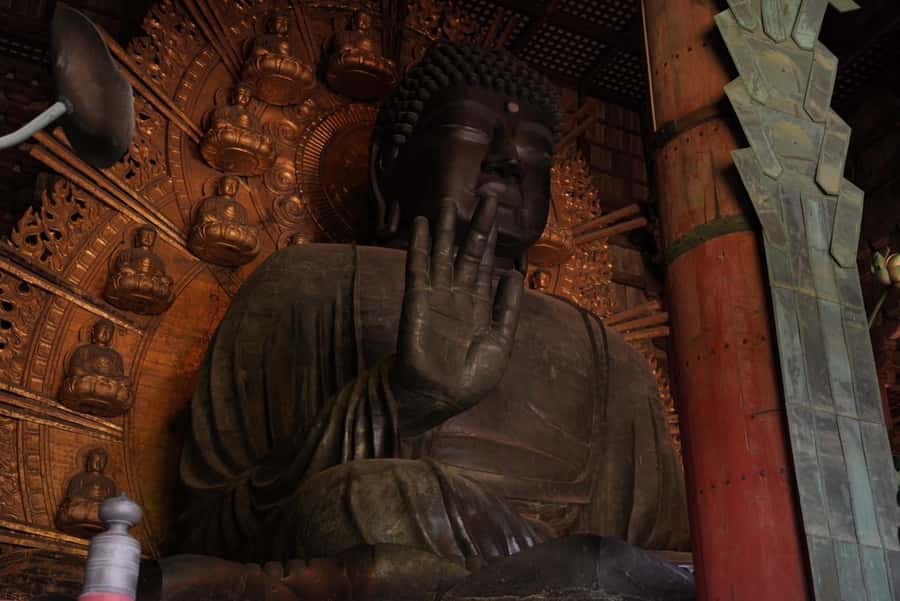
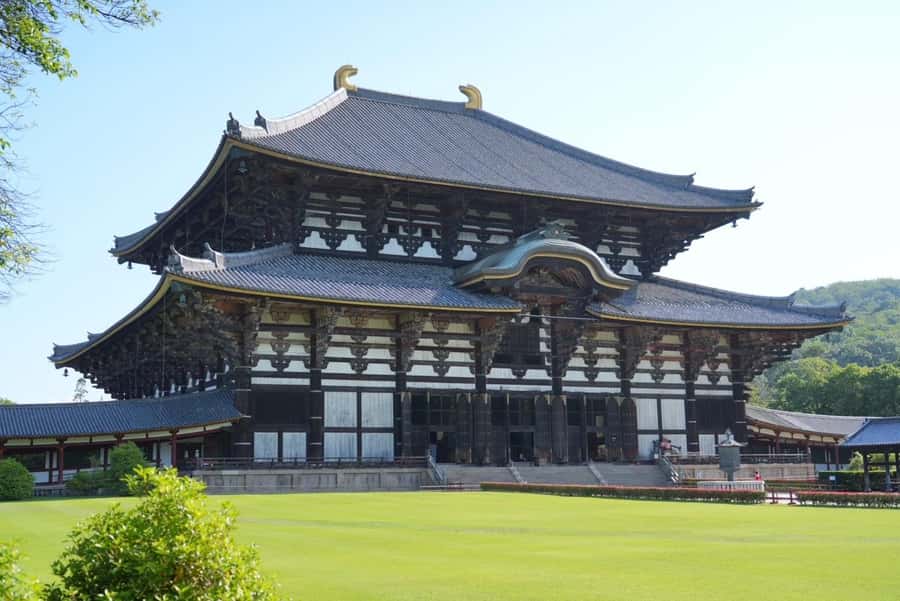
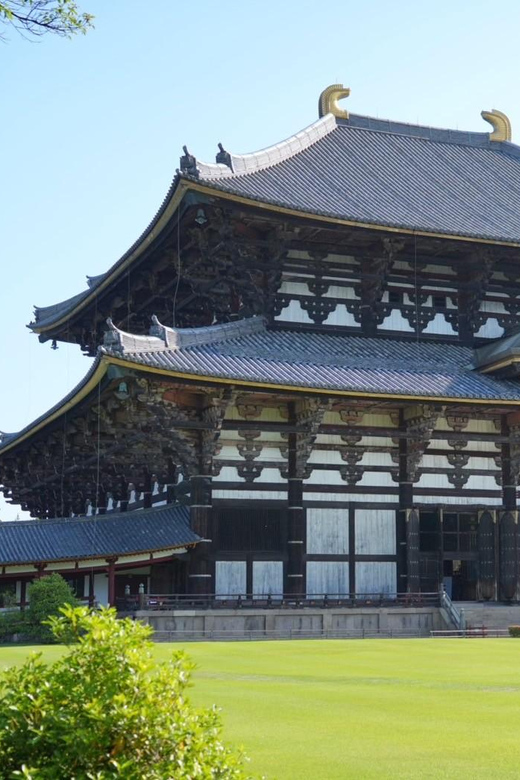
Next up is Todaiji Temple, one of Nara’s biggest draw cards. Here’s the practical bit: the Todaiji admission fee is not included, and it costs 800 yen.
That doesn’t make the tour bad value. It’s just a heads-up so you don’t get stuck at the ticket step with a surprised face. Because the tour already includes the guide and the Kyoto-to-Nara transportation fee, your “extra spending” is mainly that one entry.
I like that this stop is included because Todaiji sets the tone for the whole day. It’s one of those places where you understand why people call Nara meaningful beyond deer photos.
Nara Park: deer time without feeling rushed
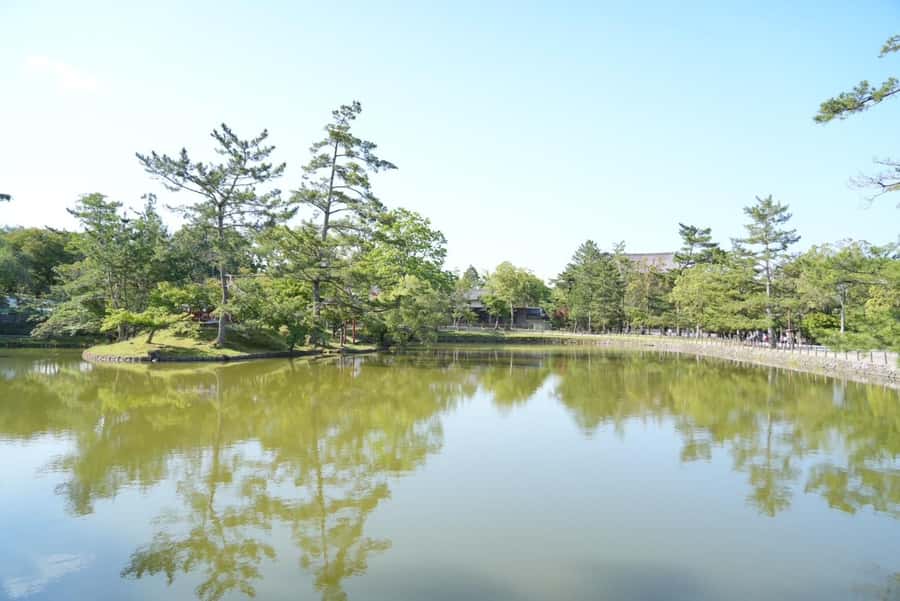
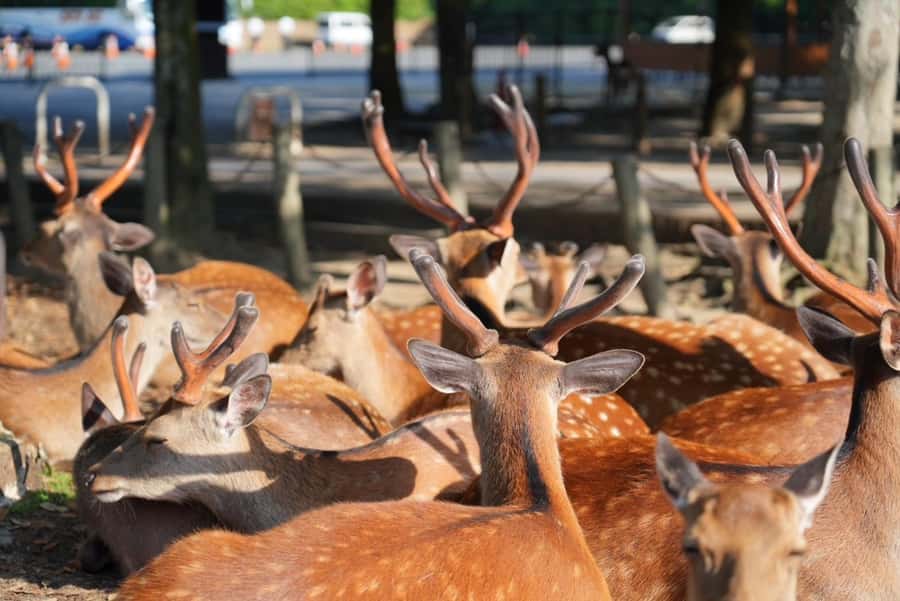
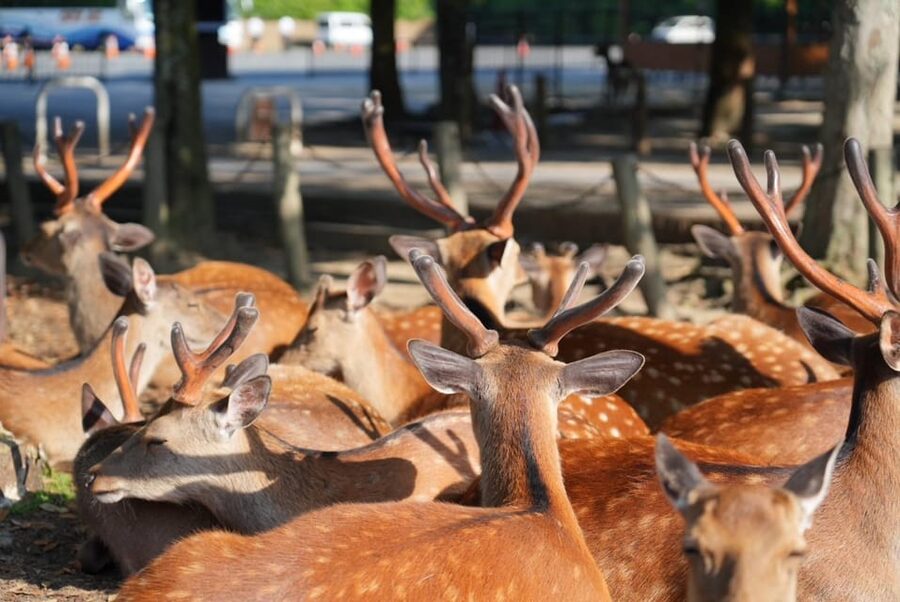
Then you’ll hit Nara Park and the deer-filled areas. This is the moment most people come for, and the good news is that the early start makes a noticeable difference.
You get a real chance to interact—buying special deer crackers if you want, watching deer approach calmly, and snapping photos before the park turns into a slow-moving crowd. That calm window is the whole point of doing Nara early rather than later.
One more note: Nara Park is not a place to walk with your head down. It’s a place to look up, notice pathways, and keep some awareness around you. You’ll likely spend more time here than you expect because it’s hard to stop watching the deer once you’re there.
Kasuga Grand Shrine: where the morning feels slower
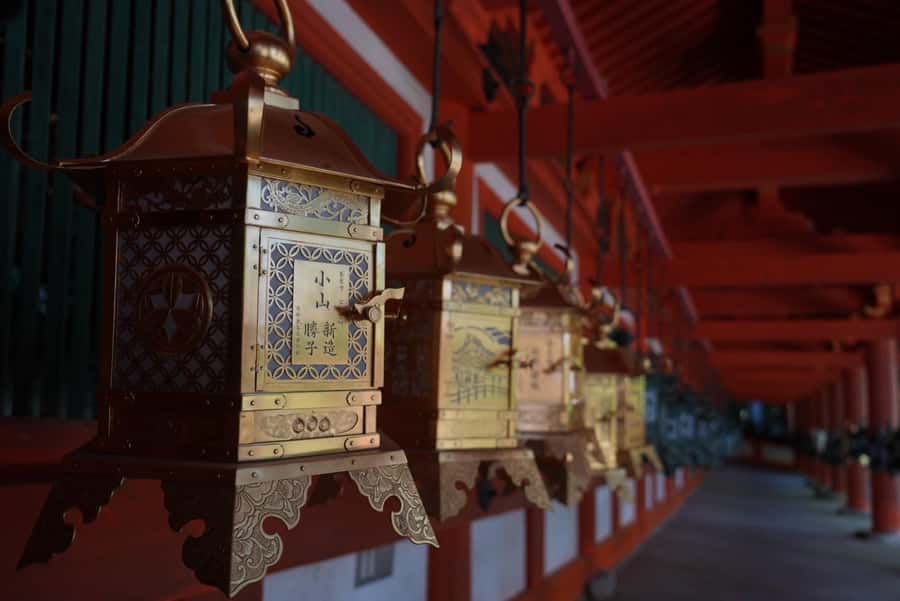
After the park energy, the route takes you to Kasuga Grand Shrine. This is a meaningful contrast: shrine atmosphere tends to feel more contemplative than the busiest temple entrances and park lanes.
Going early helps you notice the feeling of the space. Later, the flow of visitors can turn “quiet observation” into “quick passing.” Here, your timing is the advantage, and your guide helps you focus on the right areas to see.
If you like photos, this is also one of those stops where you benefit from clear angles. When crowds thin out, you can frame what you came for instead of constantly shifting around people.
The guides: why this tour feels personal in a good way
The tour’s reputation for excellent guiding shows up again and again in the details. You’ll find young, passionate guides who know the right paths and explain what you’re seeing in a way that sticks.
I’ve seen this pattern in many places, and it’s still true here: the guide doesn’t just tell facts. They help you move efficiently and notice what most people miss when they do this on their own.
Names you might get (based on past departures) include Genki, Hina, Natsuho, Futaba, Shin, Kai, Momoka, Ai, Daizen, Koichiro, Kota, Emi, Satoshi, Joshua, Rowan, and Kotaro. Even when the route stays the same, each guide’s stories change the vibe—so you’re not just following a checklist.
Also, guides often share practical tips for what to do next. I’ve picked up the kind of advice you’d actually use after the tour, from good food ideas to where to look for mochi or local snacks once you’re done walking.
Pace and walking: what “half-day” really means
This is a walking tour. That sounds obvious, but the real question is whether you can handle a steady morning pace. The company lists it as not suitable for wheelchair users and not suitable for people with recent surgeries, and it’s also not for people over 70 years.
If you’re fit, you should be fine. If you’re on the edge, plan to keep your shoes comfortable from the moment you start. And pack light—your hands will be full enough with cameras, water, and whatever you pick up in Nara.
There’s also a “group logistics” reality: with a group size up to 12, you’ll move together, stop together, and keep the line moving so everyone stays on time. If you want to linger for an hour at one spot, that’s not the format.
Money and value: $88 buys coordination, timing, and a guide
At $88 per person, this tour isn’t about bargain pricing. It’s about buying back your time and lowering your stress.
You’re getting an English-speaking guide and the transportation fee from Kyoto to Nara included. What you’re paying extra for is mostly the Todaiji admission fee (800 yen) and your own food and drinks.
Here’s how I think about value: if you’re trying to do Nara “the right way” on your own, you’ll spend time figuring out routes and timing—and you might still end up in the afternoon crush. With this tour, the big advantage is that you arrive early enough for the experience to feel enjoyable rather than chaotic.
After the tour: turn your morning into an actual day
The tour ends back at the meeting point, and it’s designed to finish before noon. That’s a huge deal because Nara is only one slice of the Kyoto-area experience.
You can use the remaining hours to explore more of Nara at your own pace, or shift to a day trip. Kyoto and Osaka are easy complements if you want variety in temples, neighborhoods, and food.
If you’re planning Kyoto classics, this is your moment. With Nara handled early, you can spend your afternoon doing the stops you care about most—like Fushimi Inari for that quiet reflection feeling, or Kinkaku-ji and the Arashiyama area for classic scenery.
Who should book this Nara early bird tour
Book it if:
- You want the main Nara highlights in one morning without crowd misery.
- You care more about smooth logistics than DIY navigation.
- You like learning what you’re seeing, not just taking photos.
- You’re okay with a structured route and some walking.
Skip it if:
- You hate getting up early or you’re likely to be late for any reason.
- You need wheelchair access (it’s not suitable).
- You’re recovering from recent surgery or fall into the listed age suitability limits.
Should you book it? My take
If you want a high-payoff Nara experience, this is one of the smarter ways to do it. The early start isn’t a marketing line here; it’s the whole engine. You trade a bit of morning commitment for a calmer park, better photo chances, and temple time that feels human-sized.
The biggest reason to book is simple: you’ll see Kofuku-ji, Todaiji, Nara Park, and Kasuga Grand Shrine before the afternoon crush starts doing its damage. Add in the strong guide performance and small group size, and you get a morning that’s efficient without feeling like you’re rushing.
FAQ
What time do I need to arrive at the meeting point?
You should arrive about 10 minutes early. Late guests can’t be accepted because other tour groups are running.
Where is the meeting point in Kyoto?
You’ll meet at Kyoto Station Central Ticket Gate on the northern side, near Kyoto Tower outside, by the big gate on the ground floor.
How long is the tour?
For the Kyoto Station departure option, the tour duration is 4 hours. If you meet at Kintetsu Nara Station, the tour duration is 3 hours.
Which Nara sites are included?
The tour covers Kofuku-ji Temple, Todaiji Temple, Nara Park, and Kasuga Grand Shrine.
Is Todaiji admission included in the price?
No. Todaiji Temple admission costs 800 yen and is not included.
Is transportation back to Kyoto included?
Transportation back to Kyoto Station is not included for people on a one-day trip to Nara, so you’ll need to arrange your return.
Is the tour limited to a small group?
Yes. The tour size is up to 12 people.
What should I bring?
Wear comfortable shoes, since this is a walking-focused morning tour.
Is it suitable for wheelchair users?
No. It’s not suitable for wheelchair users.