REVIEW · ASWAN
Private Half-Day Bird Watching Tour in Aswan
Book on Viator →Operated by Egypt Unlimited Tours · Bookable on Viator
Bird watching on the Nile in Aswan is pure calm. This private, half-day tour takes you across the water to Lord Kitchener’s Island with the famed local expert Mr Mohamed Arabi, nicknamed the Birdman of Aswan, and his friendly English guidance. I like two things most: the chance to spot birds such as egrets and kingfishers in their real habitat, and the way Mr Mohamed Arabi adjusts the trip so you can actually see and identify what’s around you.
You’ll also get practical comfort for a short outing—front-door pickup and return by private A/C vehicle, plus bottled water. The one consideration: birding depends on day-to-day conditions, and the boat experience is planned as a wind-powered felucca, so it’s worth confirming the boat style when you book if you’re set on the classic sailing look.
If you care about identification, bring your own binoculars and a camera strap you can keep easy. The route also mixes birds with colorful plants—think hibiscus, mimosa, and bougainvillea—so even slower bird days can still feel beautiful.
In This Review
- Key highlights worth your time
- Lord Kitchener’s Island: why Aswan birding feels different
- Meet Mr Mohamed Arabi and start with easy pickup
- What birds and flowers you’ll actually be looking for
- The felucca (and how to make the boat part work for you)
- Nubian Village to Lord Kitchener’s Island: a 3-hour plan that fits real schedules
- Stop 1: Nubian Village area and the first bird scan
- Sail across to the Cataract Islands birding zone
- Lord Kitchener’s Island: your main birding focus
- Price and value: $70 for a private guide plus boat and A/C transfers
- When to go and what weather means for your birding odds
- Who this tour suits best (and who should skip it)
- Should you book this Aswan bird-watching tour?
- FAQ
- How long is the private bird-watching tour?
- Where does the tour take place?
- Is pickup and drop-off included?
- Is the guide English-speaking?
- What birds and plants can I expect to see?
- Do I need binoculars?
Key highlights worth your time
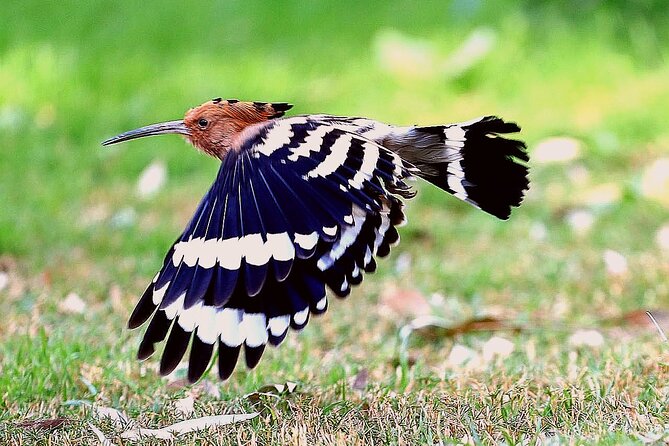
- Mr Mohamed Arabi (Birdman of Aswan) leads in English and focuses on local birds and plants
- Cataract Islands to Lord Kitchener’s Island is the main birding area for a tight 3-hour outing
- Private, personalized pace for just your group, with hotel or cruise pickup and return
- Boat-and-guide teamwork for viewing and photo angles when the captain repositions
- Plan for hibiscus, lantana, bougainvillea, poinciana, acacia, and mimosa along with the wildlife
- Bring binoculars if you want to spot and confirm birds quickly
Lord Kitchener’s Island: why Aswan birding feels different
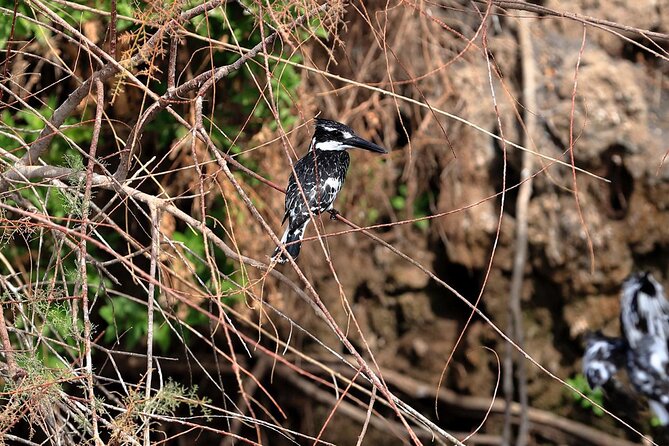
Aswan bird watching has a special rhythm because you’re not standing in one spot. You’re moving gently across the Nile area where birds naturally feed and rest, especially around the Cataract Islands. That matters for you as a birder: even a short 3-hour window can turn into real sightings when your guide knows where to look and what to expect.
Lord Kitchener’s Island is the anchor point in this tour plan. It’s well known locally as a place where bird life gathers, and that gives your guide something solid to work with. You’re also surrounded by water and greenery close together, which is exactly where you often find a mix of wading birds, small parrots, and kingfishers.
The best part is the feeling. Birding here isn’t rushed. It’s a slow, focused outing where you can pause for identification instead of sprinting between stops like a photo factory.
Meet Mr Mohamed Arabi and start with easy pickup

The tour is built around convenience. You’ll get pickup and return from your hotel or cruise port in Aswan, handled by a private air-conditioned vehicle. That means you’re not negotiating taxis or crowding onto shared transport with limited time.
Your guide is Mr Mohamed Arabi, locally nicknamed the Birdman of Aswan. His role isn’t just “point and go.” He’s there to explain what you’re seeing—both flora and fauna—so the trip becomes more than a sightseeing cruise. He also speaks English, which helps a lot when you’re trying to match real birds to the names you know.
You’ll start around the Nubian Village area, then head toward the water for the boat portion. Even if you’ve visited Aswan before, this kind of start point keeps the outing feeling local instead of generic.
What birds and flowers you’ll actually be looking for
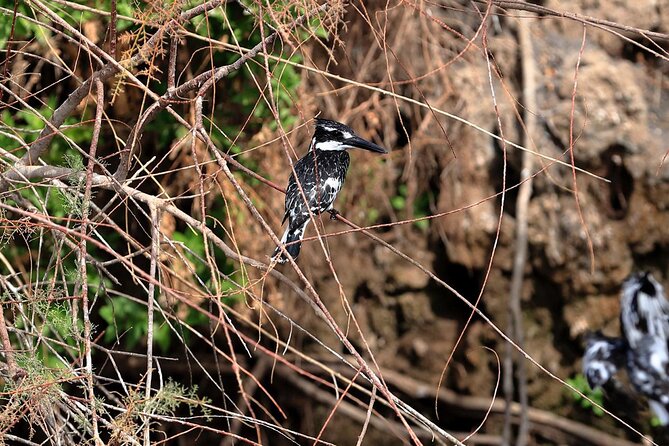
This tour is designed for real bird watching, not just a casual nature cruise. The bird list you can reasonably expect to hear about includes egrets (including chicks), parakeets, and kingfishers. On good days, you can add rarer-feeling highlights like owls and even blue kingfishers.
That variety is important. Egrets often show up around quieter shallows and margins, parakeets are linked to tree cover, and kingfishers have that classic “watch and strike” behavior. When your guide understands those patterns, you don’t just see birds—you understand where to look next.
Then there’s the plant side, which I genuinely enjoy because it makes your scan more interesting. You may spot hibiscus and mimosa, plus shrubs and trees like lantana, bougainvillea, poinciana, and acacia. When your guide points out flowering plants, you’re more likely to notice birds moving between perches and feeding spots.
Small tip: if you see one bird, don’t only chase it. Look at what it’s doing—perching, calling, or moving through vegetation. That’s usually what leads you to the next species.
The felucca (and how to make the boat part work for you)
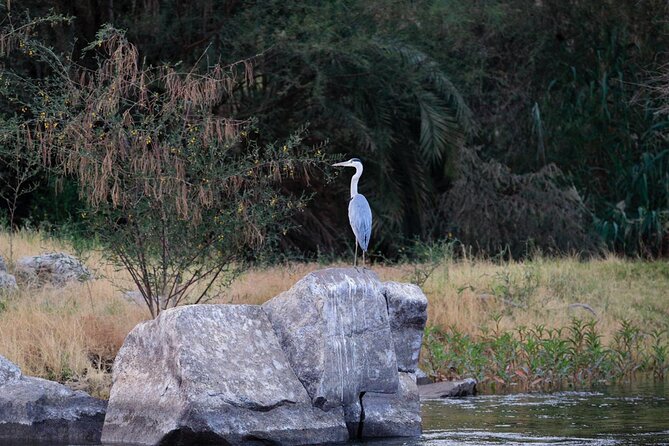
The plan is a traditional wind-powered felucca ride across the Nile to the West Bank toward Lord Kitchener’s Island, within the Cataract Islands area. In practical terms for your comfort, the tour is short, and the boat time is long enough for birding without turning into a full-day commitment.
One heads-up: if you’re picky about boat style, confirm the vessel type when you book. The experience is advertised as felucca sailing, but some people can end up on a more standard boat setup. If you care about that classic wind-and-sail feel, asking upfront is smart.
What you’ll want to do once you’re on the water is simple:
- Keep your binoculars accessible
- Take quick photos, then switch back to scanning
- Let the guide lead your sighting order, not your impulse
A neat detail from real trip experience is that the guide may coordinate with the boat captain to reposition the boat for a better photo angle. That’s helpful for you even if you’re not a hardcore photographer. Better angles usually mean better views, cleaner backgrounds, and less wasted time.
Nubian Village to Lord Kitchener’s Island: a 3-hour plan that fits real schedules
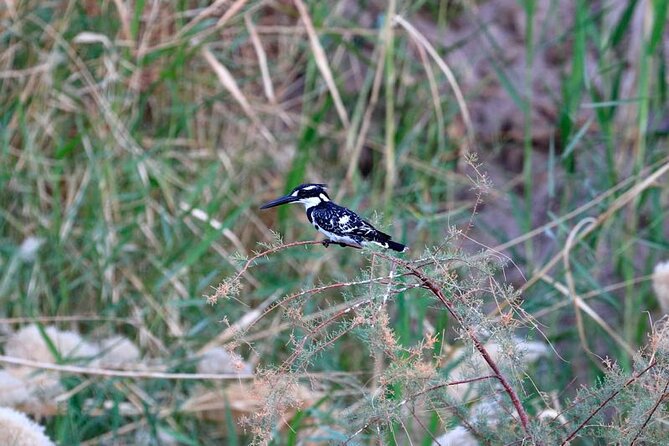
This is a half-day tour, about 3 hours, so it’s built to deliver without eating your whole afternoon in Aswan. The itinerary is straightforward, but the time window is still long enough to feel like a true outing.
Stop 1: Nubian Village area and the first bird scan
You begin with pickup and meet Mr Mohamed Arabi, then head toward the launch point by way of the Nubian Village area. This first segment is about setting the tone: you’ll start learning what to notice and how to look. In bird watching, getting your “search pattern” right is half the battle.
As you transition toward the water, expect your guide to begin pointing out the kind of habitat you’ll see next—trees for perching birds, flowering patches, and the margins where wading birds can appear.
Potential drawback: if you arrive later in the day or conditions are quiet, the early birds can be slower to reveal themselves. When that happens, trust the guide’s pace rather than trying to rush the spotting.
Sail across to the Cataract Islands birding zone
Once you’re sailing across the Nile, you’re in the working area for sightings. This is where you’ll look for egrets (including chicks where they’re present), parakeets around trees, and kingfishers near movement corridors. Your guide’s explanations help you separate a “glimpse” from an actual identification.
Lord Kitchener’s Island: your main birding focus
Lord Kitchener’s Island is where the tour concentrates its wildlife time. This is the moment when birding feels most rewarding because you’re in a known hotspot area, and the guide can read the scene quickly.
At the same time, don’t ignore the plants. Hibiscus, mimosa, bougainvillea, and other flowering trees can attract birds indirectly by shaping where insects and feeding behavior gather. Even if you’re not catching a new species every few minutes, you’ll still feel like you’re learning.
Price and value: $70 for a private guide plus boat and A/C transfers
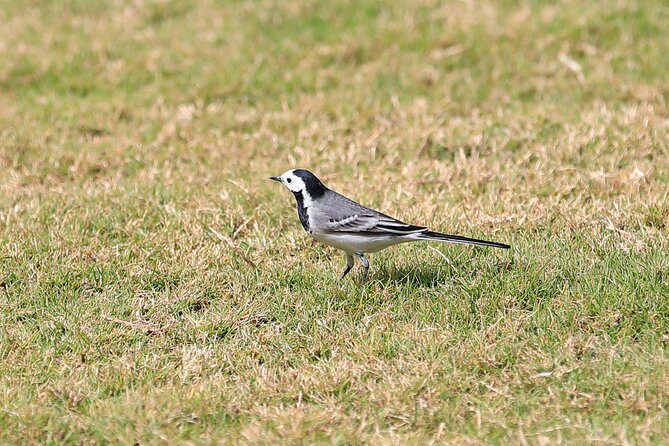
At $70 per person, this isn’t the cheapest way to bird watch in Aswan. But it can be good value because you’re getting several things bundled together: private hotel or cruise pickup and return by air-conditioned vehicle, an English-speaking local guide (Mr Mohamed Arabi), bottled water, and an admission ticket included in the tour.
You’re also paying for time. A true birding guide doesn’t just “take you somewhere.” He helps you find birds faster, identify more accurately, and spend time where sightings are more likely. For a short 3-hour outing, that efficiency matters.
How to think about it:
- If you want a DIY boat ride and bird scanning, you could spend less. But you’ll lose the guide’s identification help and habitat reading.
- If you want a calm, private, guided birding session with comfortable transfers, the price is easier to justify.
Also watch for group discounts if you’re booking with companions. The tour is private for your group, but the listing notes group discounts, so it may help if you’re traveling as a small unit.
When to go and what weather means for your birding odds
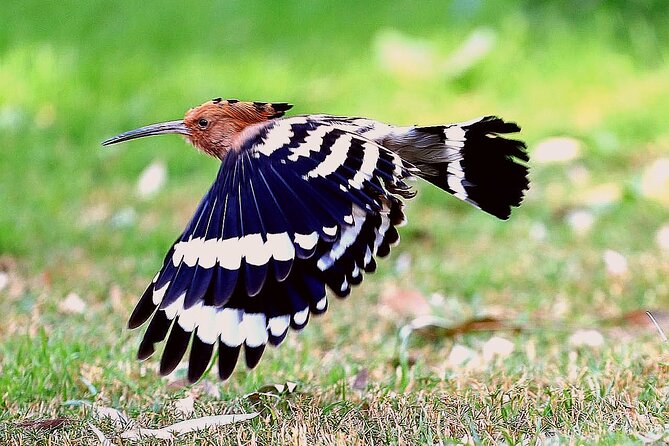
This experience depends on good weather. If weather is poor, the operator will offer a different date or a full refund. For you, that’s not just policy—it’s real birding logic. Wind, visibility, and water conditions can make birds harder to spot and can reduce the time you spend searching.
So choose your day with some care. If you’re flexible in your Aswan schedule, pick a day that looks stable weather-wise. If you’re not flexible, at least ensure you’re okay with the possibility of rescheduling.
One more practical thing: bring your own binoculars. I’d rather you have them and not need them than need them and wish you had them. A few people have noted that binoculars really help for seeing birds at range.
Who this tour suits best (and who should skip it)
This tour is a strong match if you want:
- A private birding outing with an English-speaking local guide
- A short, efficient activity (about 3 hours) that still feels like nature, not a drive-by
- A blend of birds and plants—especially if you enjoy hibiscus, acacia, and the flower-filled Nile edges
You might want to consider other options if:
- You’re only interested in huge birding “counts” and need big guarantees. Even with a great guide, bird activity varies by day.
- You’re extremely particular about having a classic wind-powered felucca style every minute. Confirming the vessel type is the safest move.
Should you book this Aswan bird-watching tour?
I think you should book it if you like your nature time slow, guided, and specific. The combination of Mr Mohamed Arabi leading in English, the focus on Lord Kitchener’s Island and the Cataract Islands area, and the comfort of A/C transfers makes this one of the easier birding choices in Aswan.
Book with a couple expectations set:
- You’re going to look and learn, not hunt a certainty of rare species.
- Bring binoculars for the best results.
- If the felucca style matters to you, confirm the boat type at booking so your afternoon matches your mental picture.
If that sounds right, this is a relaxing half-day that turns Aswan’s Nile scenery into something you can name, track, and remember.
FAQ
How long is the private bird-watching tour?
The tour lasts about 3 hours.
Where does the tour take place?
It’s in Aswan, with the birding focused around the Cataract Islands area and Lord Kitchener’s Island.
Is pickup and drop-off included?
Yes. You’ll get round-trip pickup and return from your hotel or cruise port in Aswan, using a private air-conditioned vehicle.
Is the guide English-speaking?
Yes. The local guide, Mr Mohamed Arabi (Birdman of Aswan), speaks English.
What birds and plants can I expect to see?
The tour focuses on local birdlife including egrets, parakeets, and kingfishers. You may also see birds like owls and blue kingfishers, plus colorful flora such as hibiscus, mimosa, lantana, bougainvillea, poinciana, and acacia.
Do I need binoculars?
The tour includes bottled water, but it does not mention binoculars being provided. Bringing your own binoculars is a good idea for spotting birds more clearly.