REVIEW · AUCKLAND
Auckland (Tawharanui): Wild Kiwi Bird Spotting Encounter
Book on GetYourGuide →Operated by Social Nature Movement · Bookable on GetYourGuide
Kiwi calls get real when you walk the bush at night. In Tāwharanui Regional Park, you chase North Island brown kiwi and watch the sky turn into a planetarium at sea-level darkness.
What I like most: the guided kiwi-spotting is built around patient tracking, not random wandering. The second standout is the stargazing angle, with guides interpreting the southern sky and, on some nights, using a telescope for close looks—people also mention seeing planets like Jupiter, Saturn, and Venus.
One drawback to plan for: kiwi spotting runs on time and luck. If the birds stay quiet, you may hear more than you see, and cloudy weather can dial back the sky show.
In This Review
- Key Points to Know Before You Go
- Tāwharanui After Dark: Why This Kiwi Hunt Works
- Meeting at Takatu Rd and What the First Briefing Sets Up
- The 2-Hour Guided Walk: What You Actually Do in the Dark
- Kiwi Spotting Tactics: Calls, Movement, and the Art of Patient Viewing
- The Night Sky Show: Stars, Planets, and Māori Constellation Stories
- When Weather Changes Everything: Cloudy Skies, Cold Air, and Still-Enjoyable Nights
- Optional Glamping Stay: Sleep Where the Night Feels Long
- Price and Value: Is $89 Worth It in Auckland?
- Who Should Book This Kiwi and Stargazing Night?
- Quick Prep List for a Comfortable Night (and Better Chances)
- Should You Book This Auckland Kiwi Spotting Tour?
- FAQ
- Where do we meet for the tour?
- How long is the experience?
- What wildlife are you hoping to see?
- Is stargazing included?
- Can you see bioluminescence on this tour?
- What should I bring?
- Is transportation available from Auckland?
- What language is the guide?
- What is the cancellation window?
Key Points to Know Before You Go
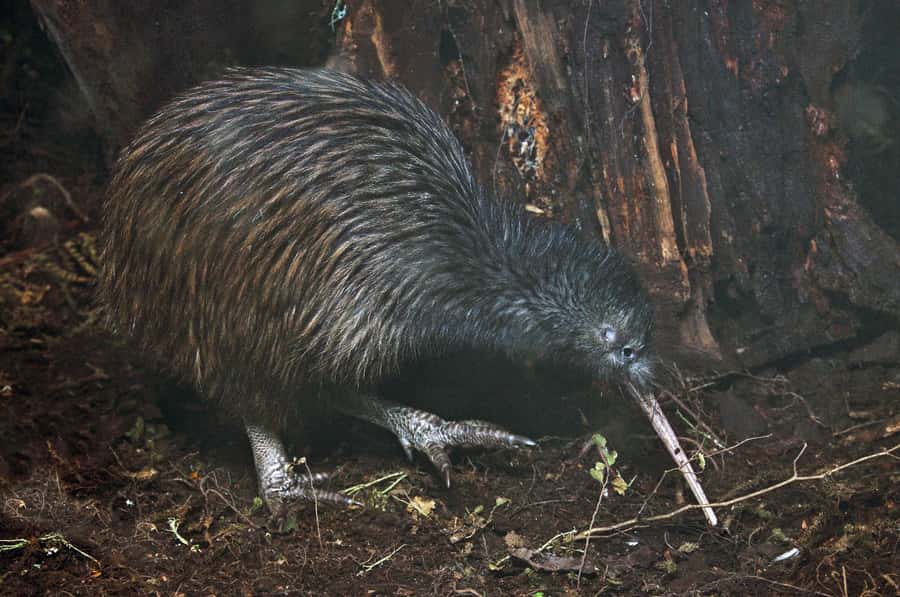
- Tāwharanui’s dark-sky setting makes stargazing feel easier and more dramatic than in Auckland
- Kiwi spotting is a slow, track-and-listen process, not a quick scan
- Small groups or private options help keep the experience calm and focused
- Stargazing may include telescopes and guides explaining what you’re seeing
- Bioluminescence can happen along the shoreline in the right conditions, but it’s never guaranteed
- Warm clothing matters since this is a night walk in native bush
Tāwharanui After Dark: Why This Kiwi Hunt Works
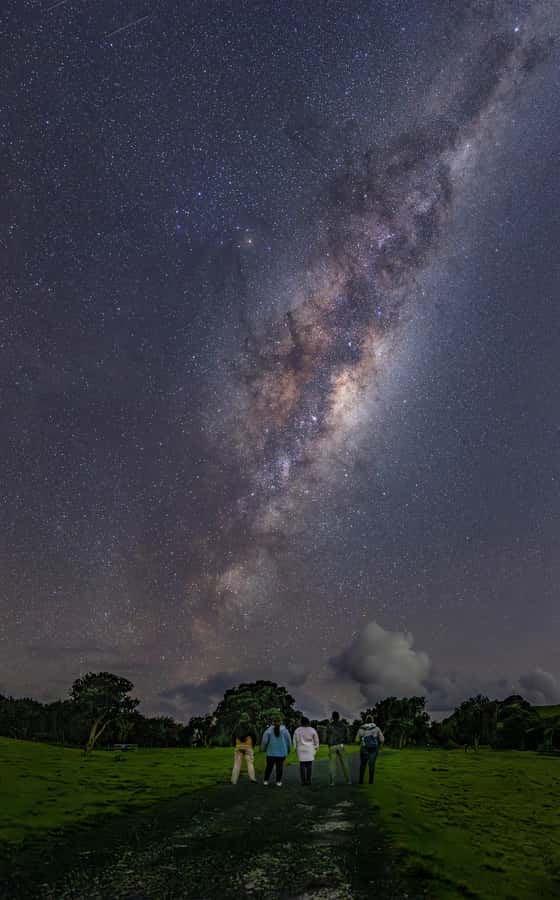
Tāwharanui Regional Park sits close enough to Auckland for a practical night trip, but far enough to dodge city glare. That matters because the whole point here is nighttime: you’re watching for a nocturnal bird, and you’re looking up at a sky that’s actually dark.
The park also has a conservation mission behind the scenes. It’s managed to protect native wildlife, restore indigenous forest, and keep a rare dark-sky coastal environment. You’ll feel that in how the night is run—quiet, slow, and built around doing as little disruption as possible.
And then there’s the kiwi factor. North Island brown kiwi aren’t something you reliably spot on your own. This is set up so you can read the night: calls, movement, and the subtle signs that a kiwi is near.
You can also read our reviews of more tours and experiences in Auckland.

Meeting at Takatu Rd and What the First Briefing Sets Up
You meet near the public bathrooms at the end of Takatu Road in Tāwharanui. From there, the evening starts with an intro from your guide and a plan for what happens next.
This early moment is more than logistics. Your guide explains how the park works, what you’re likely to encounter, and what you need to do to stay safe in the dark bush. It also sets expectations: kiwi spotting is patient work, and the most successful nights come from moving slowly and staying quiet.
You’ll also get a sense of the guide’s style before you head out. Different guides are named in bookings—Chris, Millie, Legend, Lucas, Sean, Ryan, Sharn, and Hayley show up across recent trips—and the common thread is enthusiasm plus practical field technique.
The 2-Hour Guided Walk: What You Actually Do in the Dark
Most of your time is a guided kiwi-spotting expedition on foot, moving through native bush and open habitat. It’s not a big hike where you’re out of breath and scanning randomly. The pace is deliberate so your ears and eyes can catch what the night offers.
Your guide uses expert tracking methods that focus on simple, repeatable actions:
- listen for calls and other signals
- watch for slight movement where kiwi activity has occurred before
- learn what habitat cues can mean
You’re also learning as you go—how kiwi behave, what they need to survive, and the threats they face. That adds weight to the moment. Seeing a kiwi isn’t just a photo target; it’s the result of conservation choices and long-term protection of habitat.
Kiwi Spotting Tactics: Calls, Movement, and the Art of Patient Viewing
Here’s the truth that makes this tour worth it: kiwi sightings are never guaranteed. People can go home with only a glimpse—or with multiple encounters—because kiwi activity changes with weather, sound, and timing.
That said, you’re not left to fend for yourself. In the field, guides help you read the night. You may be issued gear like torches or headlamps, and some guides use extra tools to improve chances in low light.
What helps most is how the group is handled when a kiwi might be near. You’ll slow down, keep noise low, and position yourself so you’re not pushing the birds off their paths. Reviews mention respectful viewing opportunities, including cases where kiwi appear close enough for clear looks.
In terms of numbers, the range you might experience is wide. Some nights can include a handful of birds; other nights stack up into double digits. Your best move is to treat the night like a quiet wildlife class where the star is whatever shows itself—fast or shy.
The Night Sky Show: Stars, Planets, and Māori Constellation Stories
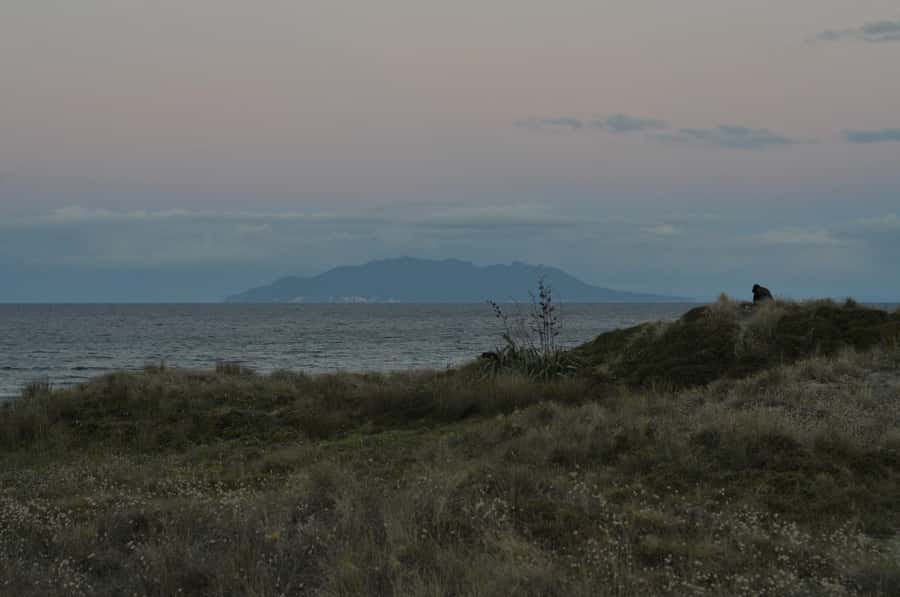
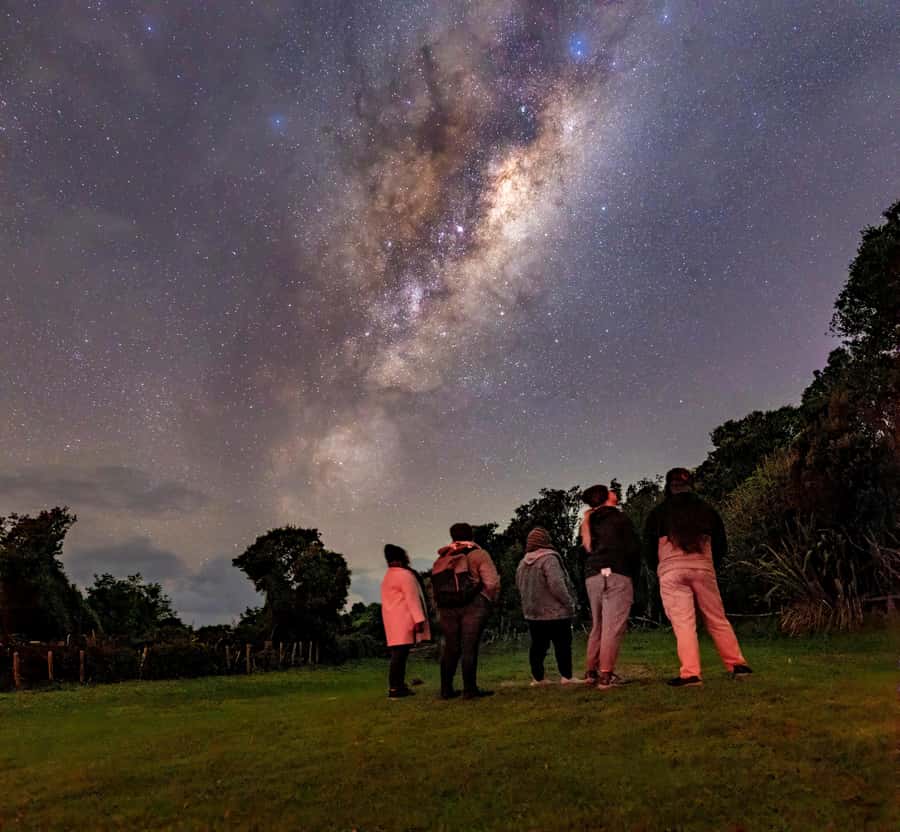
One reason Tāwharanui feels special is the sky. With low light pollution and minimal glare from the coast, you get dense star fields and a view that feels much bigger than what you see from the city.
Your guide turns that into something you can understand. They interpret what you’re seeing and connect the sky to southern-hemisphere navigation and science. It’s the kind of explanation that helps you point at something and actually know what it is.
On many nights, stargazing includes simple astronomy tools. People have mentioned binoculars and telescopes, including seeing the moon’s surface texture when conditions allow. Several reports also reference planets like Venus, Jupiter, and Saturn—so if you time your visit for a clearer sky, you may get that extra payoff.
There’s also a cultural layer. Many guides share Māori stories tied to stars and constellations, which adds meaning to the sky map and helps the night feel grounded in place instead of just sightseeing.
When Weather Changes Everything: Cloudy Skies, Cold Air, and Still-Enjoyable Nights
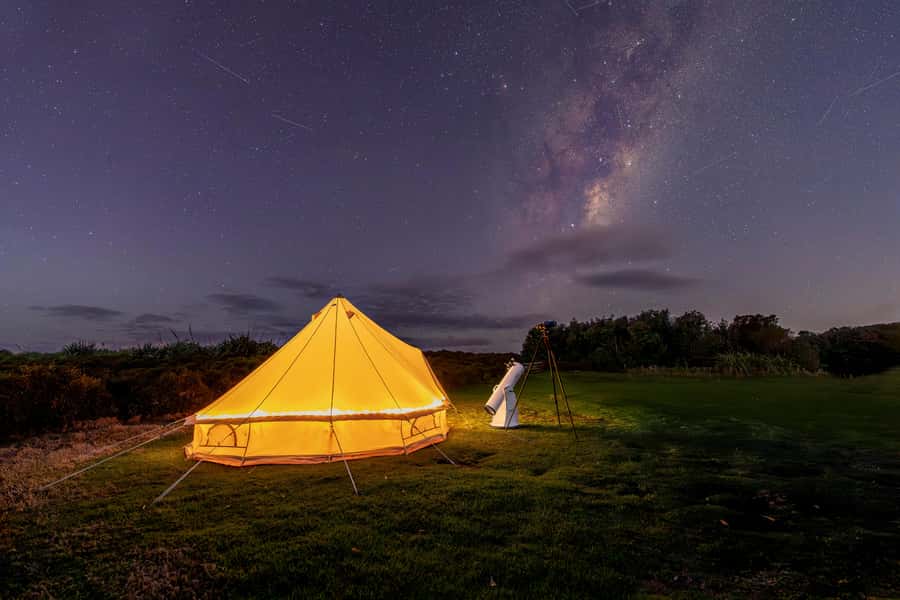
This is a night out in New Zealand outdoors, so weather matters. If it’s cloudy, stargazing can shrink fast—one booking notes a night where clouds meant the group spent more time on kiwi spotting instead.
That’s not a deal-breaker, though. The tour is built around the wildlife part. If the sky won’t cooperate, you still have the guided kiwi search, conservation learning, and the slow walk rhythm that makes the whole experience feel intentional.
Also, dress for cold. Multiple reports call out that winter nights can be chilly, and the park is active at night. Comfortable shoes and warm layers aren’t optional here. You’ll stand still at times, and you don’t want to spend the best part of the evening shivering.
Optional Glamping Stay: Sleep Where the Night Feels Long
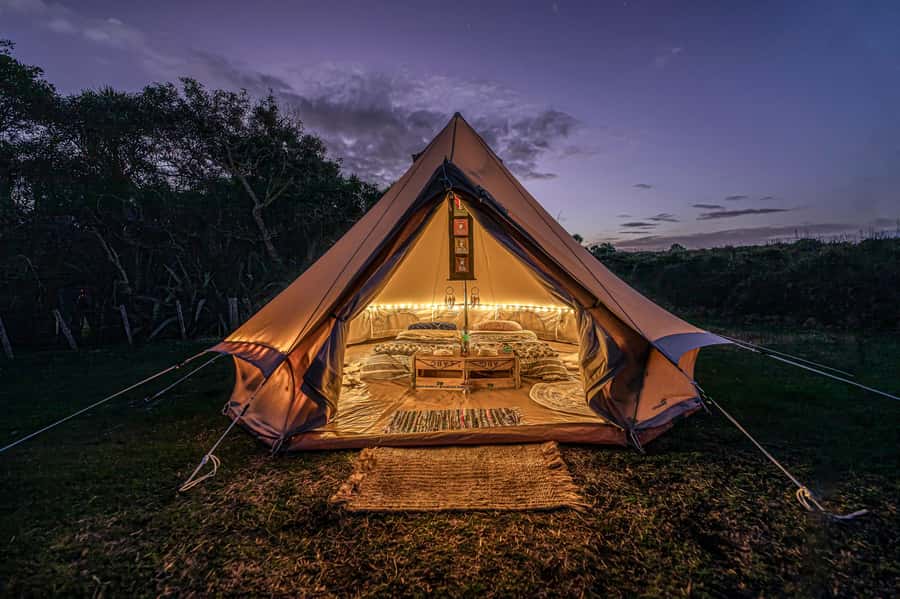
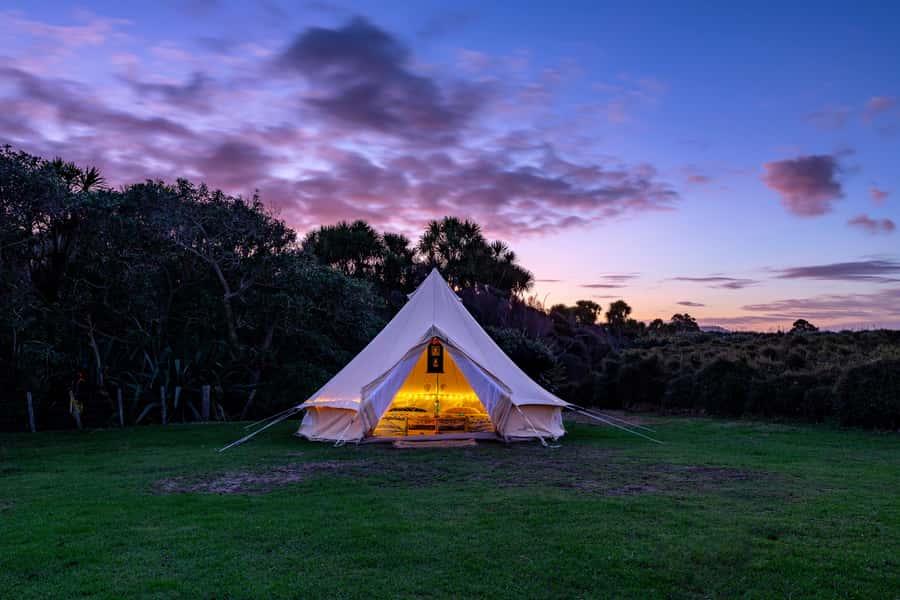
Some bookings add a glamping stay, which changes the experience from a quick night walk to a longer stay in the conservation setting. If you choose this option, you can expect your tent to be set up ahead of time and basic comforts to be in place.
People who opted for glamping mention things like blankets and foam mattresses, plus small snacks and other practical touches. It’s a way to extend the night without turning it into rough camping.
One nice side effect: you can slow down your thinking. Instead of rushing from one moment to the next, you let the nighttime environment settle in. That makes both the sky and the wildlife feel more connected to the place.
Price and Value: Is $89 Worth It in Auckland?
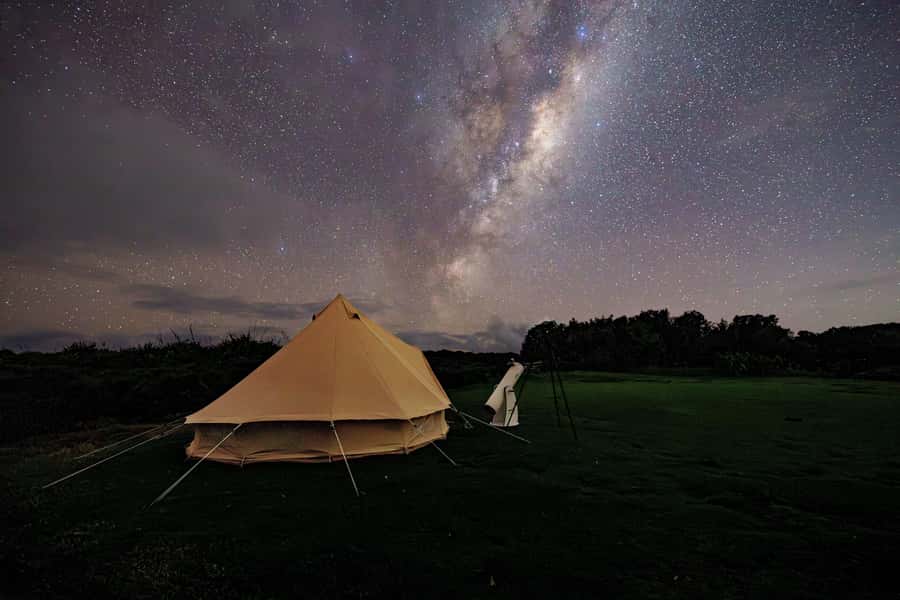
At $89 per person for about two hours, the value comes from three things you can’t easily replicate on your own.
First, you get a guide. Not just a person who knows where to stand, but someone who can help you interpret calls and movement and manage the group responsibly. Kiwi spotting is all about reading signals, and that takes practice.
Second, you get equipment. You’re included for stargazing and kiwi-spotting gear, which likely means torches/headlamps and astronomy tools like a telescope or binoculars depending on conditions.
Third, the location is doing real work for you. Tāwharanui’s low light pollution improves the sky view, and the park’s conservation management improves the chance of meaningful wildlife encounters. When you add those together, you’re paying for access plus expertise, not just a walk.
Transport can also be added at checkout. If you don’t have a car, that choice can turn the night into a simpler plan, especially if your schedule needs a smooth late return.
Who Should Book This Kiwi and Stargazing Night?

This tour is a strong fit if you want a guided wildlife experience that respects the animals and focuses on the night. You’ll enjoy it most if you’re willing to be patient, keep quiet, and accept that kiwi sightings are a night-by-night story.
It also suits families. A booking mentions a 9-year-old who loved seeing kiwi in the wilderness, and other families report a memorable blend of nature learning and star viewing.
You might choose something else if you hate cold and don’t want to stand around in the dark. You might also prefer a daytime wildlife outing if you want predictable, easy-to-see animals without waiting for nocturnal behavior.
Quick Prep List for a Comfortable Night (and Better Chances)
Bring what helps you stay comfortable and observant:
- Warm clothing (layers beat one bulky coat)
- Comfortable shoes for dark paths and uneven ground
- Water, even if the walk is only two hours
- A mindset for patience and quiet
If you’re tempted to rush with loud footsteps or bright screens, don’t. The night works better when the group acts like a single calm team.
Also, charge your phone for safety and photos, but keep screen brightness low when you’re waiting for movement. Your guide will steer you on how to handle light while staying respectful.
Should You Book This Auckland Kiwi Spotting Tour?
Yes—if you can handle a little unpredictability, this is a smart Auckland-area night activity. The combination of North Island brown kiwi searching with serious dark-sky stargazing is exactly the kind of pairing you can’t fake with a self-guided plan.
Book it if you want:
- a conservation-focused night out
- a guide-led approach to spotting wildlife at night
- a real chance at seeing kiwi, plus strong sky viewing when conditions cooperate
Hold off or adjust your expectations if:
- you’re not comfortable with cold nighttime walking
- you need guaranteed stargazing every minute of the evening
Overall, $89 buys you more than a checklist. It buys you time in the right place, with the right kind of guidance, so the kiwi calls and the southern sky both land the way they’re supposed to.
FAQ
Where do we meet for the tour?
You meet near the public bathrooms at the end of Takatu Road in Tāwharanui Regional Park.
How long is the experience?
The experience is listed as 2 hours.
What wildlife are you hoping to see?
The main wildlife focus is the North Island brown kiwi.
Is stargazing included?
Yes. The experience highlights stargazing, and the included items mention stargazing equipment.
Can you see bioluminescence on this tour?
In certain versions of the experience, guests may encounter bioluminescence along the shoreline or in the shallows, but it is never guaranteed.
What should I bring?
Bring comfortable shoes, warm clothing, and water.
Is transportation available from Auckland?
Transport can be added at checkout.
What language is the guide?
The live tour guide is English.
What is the cancellation window?
Free cancellation is available up to 24 hours in advance for a full refund.